Dark Messiah of Might & Magic
Discover a new breed of Action-RPG game powered by an enhanced version of the Source™ Engine by Valve. Set in the Might & Magic® universe, players will experience ferocious combat in a dark and immersive fantasy environment. Swords, Stealth, Sorcery. Choose your way to kill.
🎮Game Details
💬What Players Say
"A fantastic melee combat game that still holds up pretty well today. it needs a patch to get the game running properly tho. if you enjoyed Arx Fatalis but wanted better melee combat then Dark Messiah is for you!"
"[h1]Dishonored started here[/h1] Most people interested by this game today will fall into two groups: the ones that played the old Heroes or M&M RPGs, and Immersive Sim-fans. I'm both, and while there is absolutely nothing here for the first group (it was just Ubisoft trying to capitalize on an established trademark), there is plenty for the second group. While Arx Fatalis is a different kind of beast, in Dark Messiah you'll find the true beggining of Arkane's trademark brand of Im-Sim...."
"Peak eurojank."
📝Editorial Analysis
The crunch of a boot heel grinding into wet stone as you pivot mid-lunge—sword humming, mana crackling at your fingertips, blood already spattering the cobblestones before the corpse hits the ground. That’s Dark Messiah of Might & Magic: not a pause-and-plan RPG, but a breathless, physics-driven lurch into violence where every swing has weight, every spell tears reality, and every corridor smells like damp brick and old iron. It’s ferocious combat in a dark and immersive fantasy environment—exactly as the official description promises—and it feels like fighting with your whole body, not just your cursor. Players call it “peak eurojank”—a term dripping with affection for its rough-hewn authenticity—and say it holds up because it refuses polish over presence: no auto-aim, no cinematic lock-on, just you, your choices (Swords, Stealth, Sorcery), and the brutal consequence of misjudging a parry by half a second.
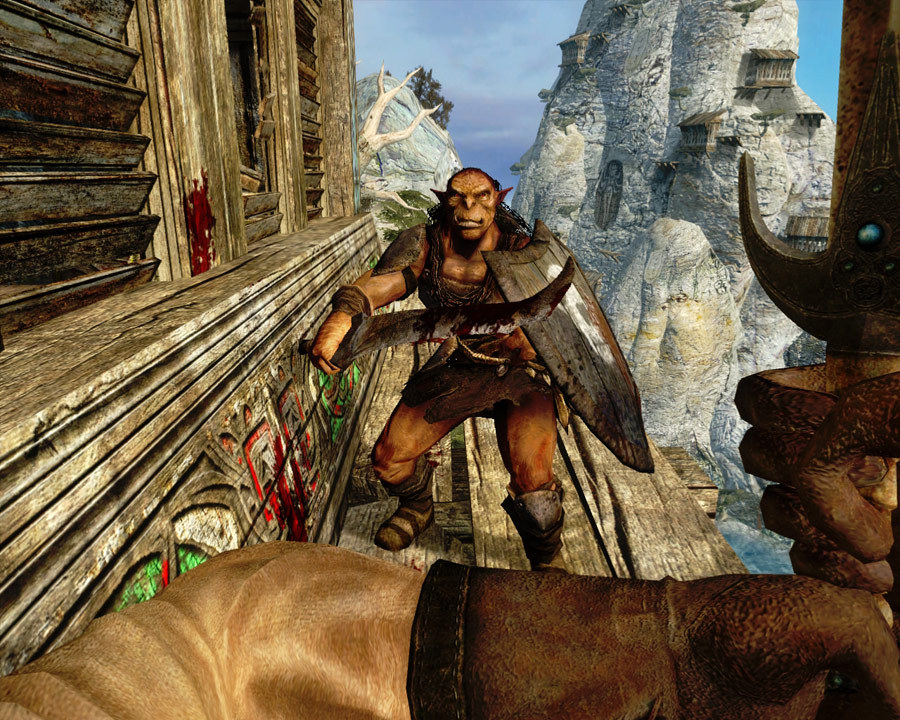
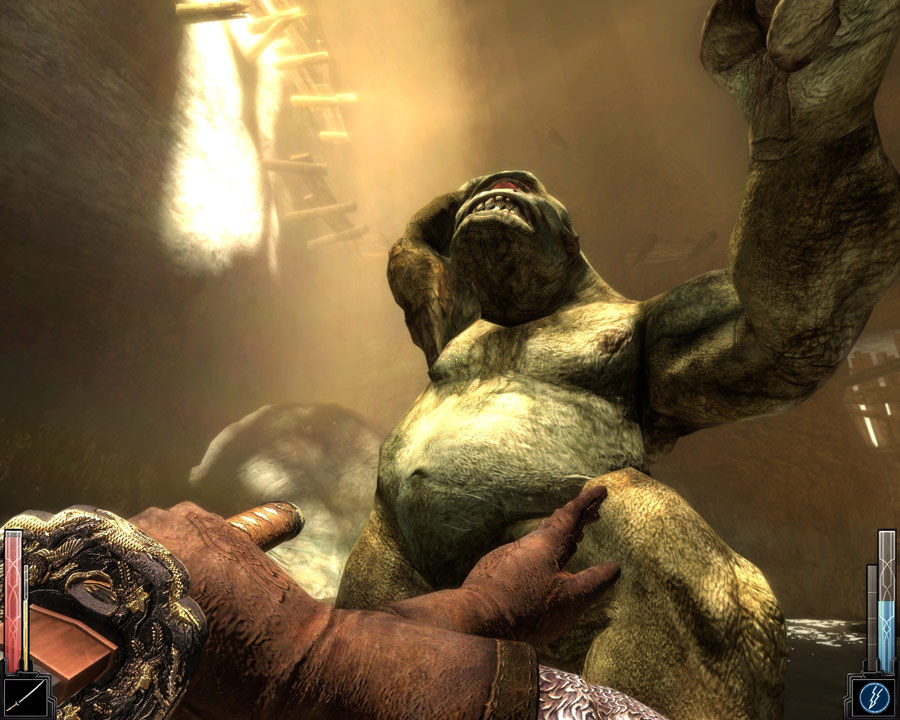
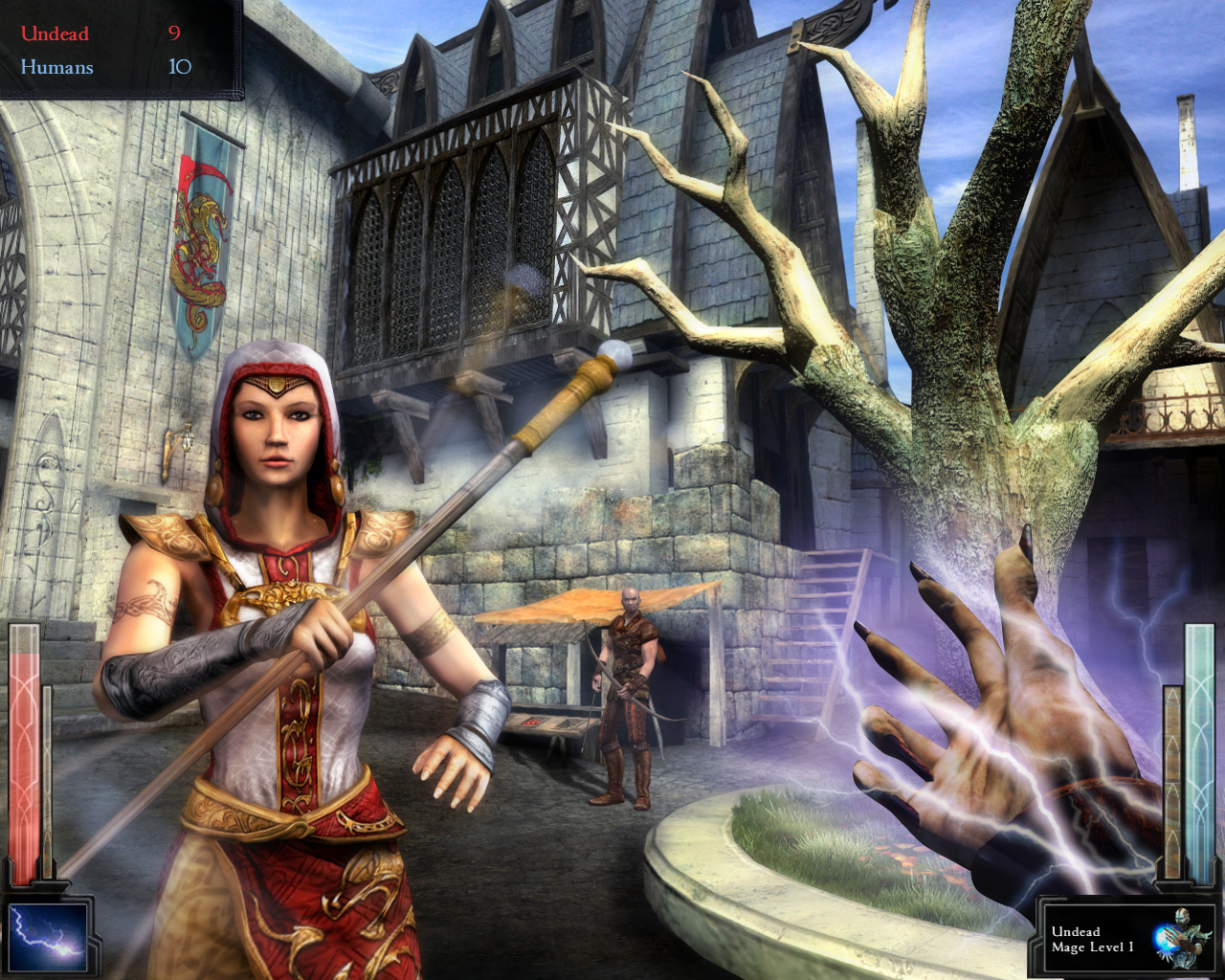
This isn’t grimdark for spectacle’s sake. It’s tactile dread. You feel the exhaustion in your arms after three blocked strikes; you taste the metallic tang of adrenaline when you blink behind an enemy and snap their neck with a whispered incantation. The Source Engine doesn’t just render shadows—it makes them swallow light, turning alleyways into breathing voids where stealth isn’t hiding, but becoming part of the gloom. And when sorcery erupts? It’s not flash—it’s destabilizing: walls blister, floors buckle, fire doesn’t just burn—it ripples, warping perspective like heat haze over a battlefield. That’s the feeling: immediacy laced with consequence, where power is never clean, never safe, always one misstep from self-immolation. You don’t control chaos—you negotiate with it, sweat-slick and desperate.
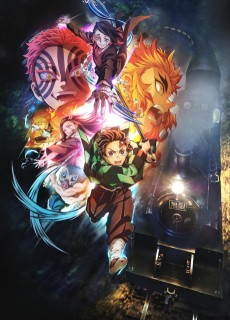
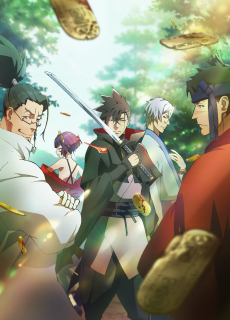
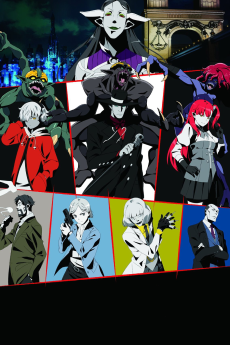
That emotional DNA—the raw, unfiltered weight of action fused with psychological stakes—pulses through Chainsaw Man – The Movie: Reze Arc. Like Dark Messiah, it treats violence as physical language: Reze’s wire work isn’t ballet—it’s grinding friction, tendon-strain, and split-second recalibration, every movement carrying the cost of memory and loss. Both weaponize intimacy: a whisper before a kill, a hand brushing a blade, the silence right before detonation. The darkness isn’t atmospheric—it’s emotional residue, clinging to characters like grime on armor. Then there’s Demon Slayer: Kimetsu no Yaiba, where the Swordsmith Village arc’s rain-slicked rooftops and collapsing timber echo Dark Messiah’s crumbling gothic architecture—not as backdrop, but as collateral. Tanjiro’s breath control mirrors the game’s stamina-driven combat: each exhale a tactical decision, each strike a gamble against fatigue and despair. The sorrow isn’t separate from the swordplay—it fuels it, raw and unvarnished. And Hell’s Paradise Season 2? Same visceral grammar: bodies break with audible resistance, healing is never instant, and every victory tastes like bile. Gabimaru’s climb isn’t heroic—it’s animal, scrabbling, bleeding, real, just like Dark Messiah’s infamous ladder-jump-kick-into-a-guy’s-face combo: absurd, punishing, and utterly unforgettable because it hurts to pull off.
This pairing isn’t for fans of tidy lore dumps or power-fantasy wish fulfillment. It’s for the ones who replay that one hallway in Dark Messiah five times—not to win, but to feel the exact moment their boot slips on blood and sends them tumbling into a pile of corpses, laughing and cursing. It’s for the viewer who watches Tanjiro’s knuckles split open again, or Reze’s fingers tremble mid-wire-spin, and thinks yes—that’s how grief moves. It’s for people who love grit as texture, who find poetry in a broken guard stance, who understand that the most haunting magic isn’t in spells—but in the quiet, trembling second after the killing blow, when the world hasn’t caught up to what just happened. They don’t want stories wrapped in silk. They want them wrapped in chainmail, still warm.
→273 Anime That Match the Vibe

Denji’s visceral, sweat-slicked struggle against Reze’s collapsing, blade-studded body in *Chainsaw Man: The Movie – Reze Arc* echoes the raw, physics-driven limb-chopping chaos of *Dark Messiah*’s tavern brawl—where every kick, parry, and dismemberment lands with grotesque weight. Unlike most dark fantasy, both weaponize **Body Horror & Occult** not for shock alone, but as emotional syntax: Reze’s self-erasure mirrors the protagonist’s cursed ascension into monstrous power. That shared commitment to physical consequence as narrative truth feels startlingly rare—and deeply resonant.
Dark worlds where beauty and brutality coexist — every victory comes at a cost.
Dark worlds where beauty and brutality coexist — every victory comes at a cost.
Dark worlds where beauty and brutality coexist — every victory comes at a cost.
Dark worlds where beauty and brutality coexist — every victory comes at a cost.

Dark worlds where beauty and brutality coexist — every victory comes at a cost.
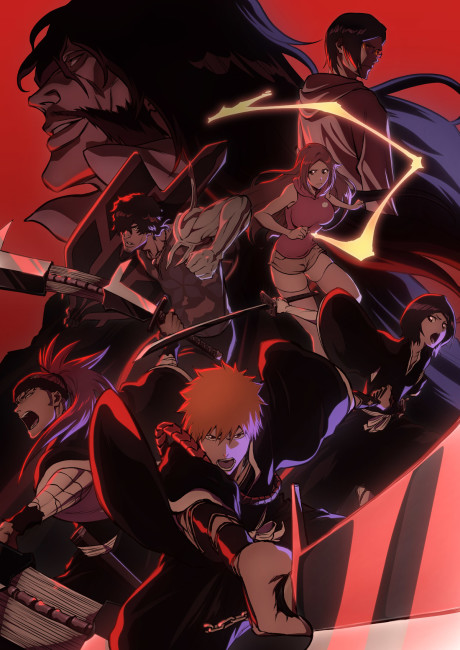
A shattered bone mask splintering under a kick—then a gory, biomechanical limb erupting from a foe’s chest—mirrors *Dark Messiah*’s visceral body horror & occult dread. Unlike most action fantasies, both weaponize emotional rupture: Ichigo’s hollowfication trauma echoes Kael’s descent into cursed power, each climax fusing 💔 Emotional Narrative with ⚔️ Dark Fantasy. That Thousand-Year Blood War leans into grotesque transformation *as consequence*, not spectacle—making its resonance with *Dark Messiah*’s punishing, intimate combat startlingly precise.

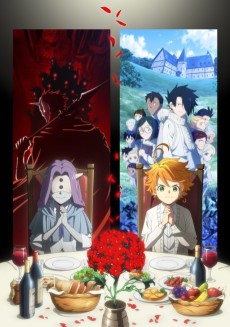
Where *Dark Messiah*’s bone-shattering kick through a cultist’s ribcage mirrors Season 2’s visceral dismemberment of the Tensen’s corrupted forms, both weaponize body horror not for shock alone—but as physical manifestation of moral decay. Gabriele’s descent into ruthless pragmatism echoes Yamada’s fractured loyalty in the Shiki’s labyrinthine trials, where every supernatural mutation tests identity under duress. Unlike most dark fantasy pairings, their resonance lies in how action spectacle *is* emotional narrative—each brutal parry or grotesque transformation deepens existential stakes.
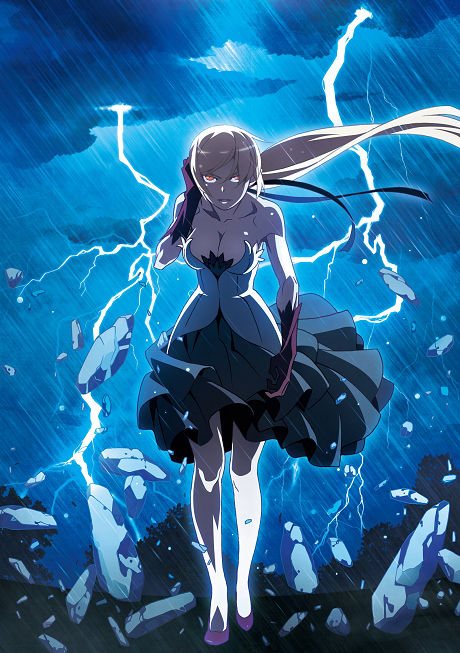
Both drown in viscous, blood-slicked neon—*Dark Messiah*’s rain-lashed, grime-caked Braccus Rex catacombs mirror *Nekketsu*’s pulsing arterial glow in the abandoned hospital stairwell where Kiss-shot’s limbs reknit in jagged, wet spurts. Their shared aesthetic thrums with visceral body horror: Aragorn’s dismembered fingers regrowing mid-combat echo Kiss-shot’s grotesque, ecstatic self-reassembl...

Dark worlds where beauty and brutality coexist — every victory comes at a cost.









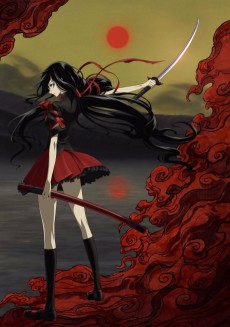

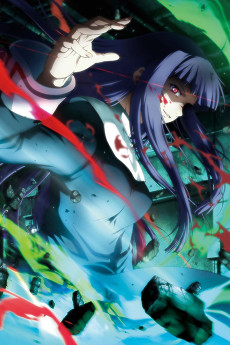



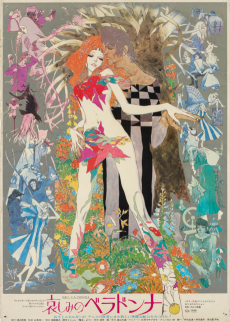

![Fate/stay night [Heaven’s Feel] III. spring song](https://s4.anilist.co/file/anilistcdn/media/anime/cover/large/bx21719-MSdTlkno0Z0u.jpg)













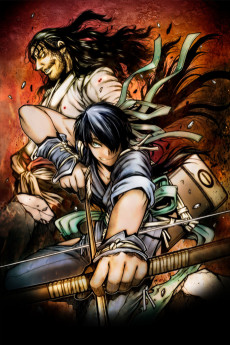

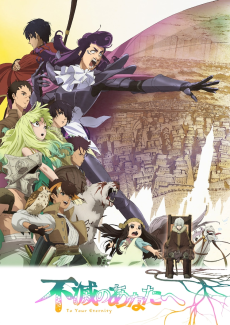





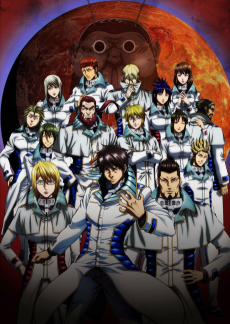
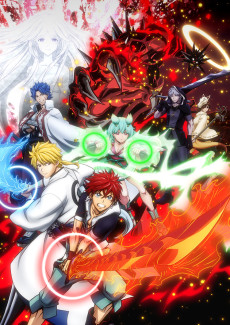








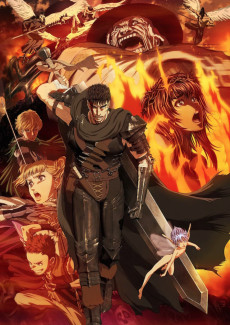
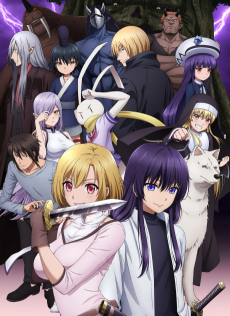


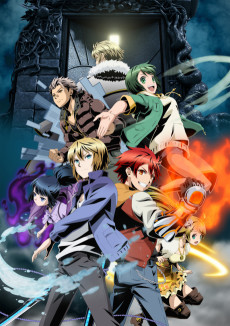




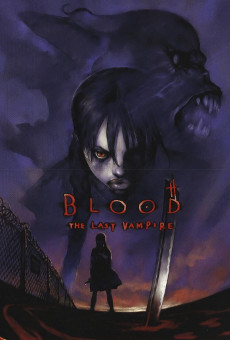










































![Fate/stay night [Heaven's Feel] II. lost butterfly](https://s4.anilist.co/file/anilistcdn/media/anime/cover/large/bx21718-Hjj26Sapx1bd.jpg)

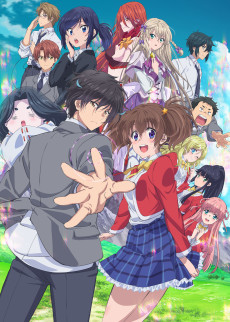
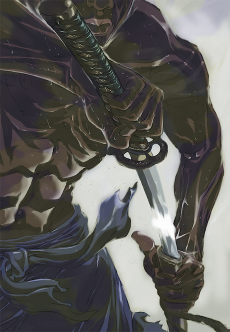


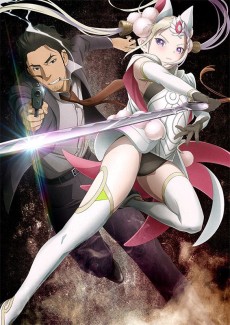
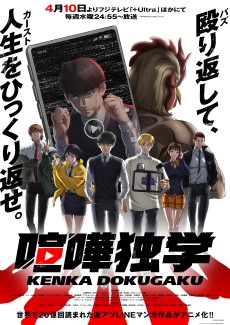



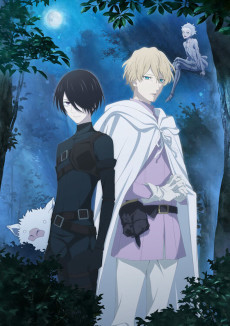

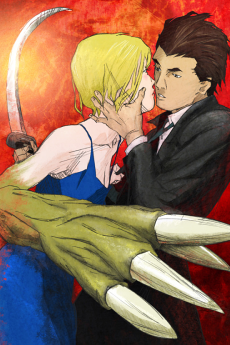
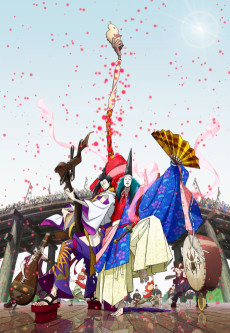
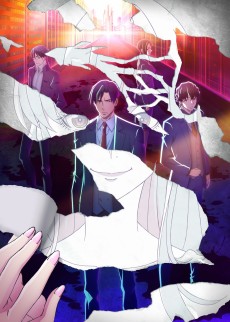

























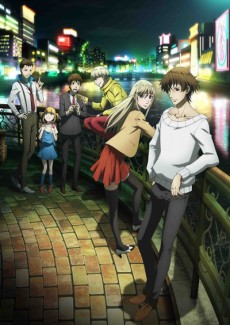

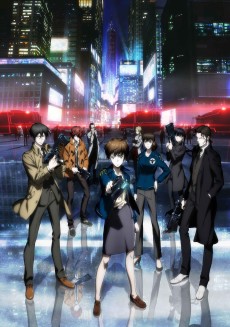

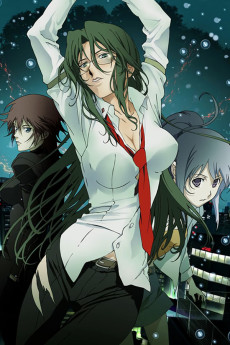
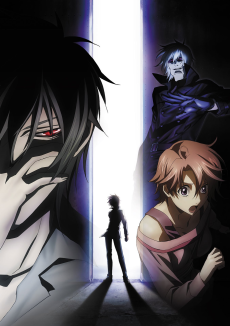















Match Dimensions Explained
❓Frequently Asked Questions
Why does Chainsaw Man – The Movie: Reze Arc keep popping up in Dark Messiah recommendations?
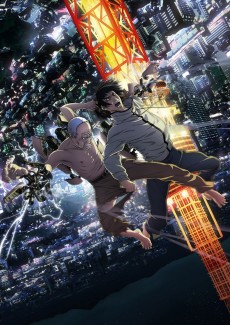
Because both lean hard into that visceral, almost brutalist dark fantasy vibe — think Reze’s razor-wire ballet in the Tokyo Tower fight versus Dark Messiah’s dismemberment system and ragdoll physics when you parry a goblin’s axe into its own neck. The emotional whiplash of sudden intimacy followed by grotesque violence (like Reze’s smile right before she snaps) mirrors how Dark Messiah flips between grim stealth takedowns and over-the-top sorcery explosions.
Is there an anime adaptation of Dark Messiah of Might & Magic?
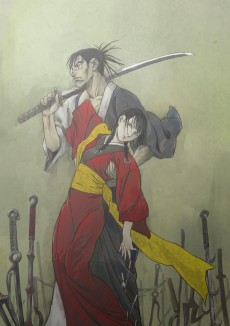
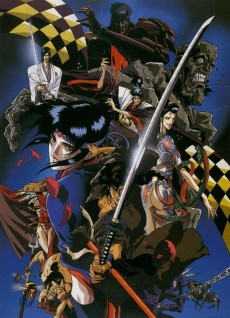
Nope — zero official anime adaptations. Dark Messiah was a standalone PC action-RPG built on Valve’s Source Engine, not a manga or light novel franchise. That’s why fans lean into *anime with similar DNA*: Hell’s Paradise Season 2’s cursed island, where every sword cut carries weight and consequence, or Blade of the Immortal’s ‘thousand kills’ revenge arc — both mirror the game’s ‘swords, stealth, sorcery’ triad and its unflinching tone.
How does Demon Slayer compare to Dark Messiah in terms of combat feel?
Demon Slayer nails the *spectacle* — Tanjiro’s Water Breathing forms are basically cinematic parry/riposte chains, just like Dark Messiah’s timing-based deflection system where landing three perfect blocks unlocks a lethal counter (think Nezuko’s bamboo cage scene meets the game’s ‘Swordmaster’ skill tree). But unlike Demon Slayer’s clean, elegant strikes, Dark Messiah’s combat is deliberately janky and physical — limbs fly, enemies stagger unpredictably, and your stamina bar drains fast, just like Tanjiro gasping after using Total Concentration Breathing for too long.
What’s the best anime like Dark Messiah if I want that ‘grimy immersive sim’ vibe — like Dishonored started here?
Hell’s Paradise Season 2 is your top pick — it’s got that same oppressive, tactile worldbuilding: characters navigate poison-laced jungles and decaying ruins where every decision has bodily consequences (like Gabimaru’s scarred hands gripping rusted blades), and stealth isn’t optional — it’s survival, just like sneaking past a troll patrol in Dark Messiah’s catacombs. Plus, the Restoration mod reference? Hell’s Paradise *is* the anime equivalent: raw, unpolished, and deeply committed to its grimy, grounded rules.