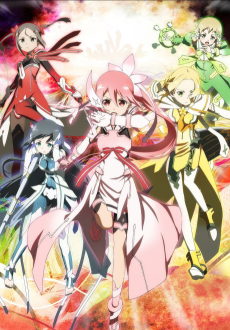
Yuki Yuna is a Hero
Yuuna Yuuki is an ordinary second-year middle school student. She gets up in the morning, gets ready for school, goes to classes, participates in club activities, and has fun with her friends. But there is one extraordinary thing about Yuuki — she belongs to the “Brave Hero Club.” What does the Brave Hero Club do? Who is the mysterious being called “Vertex?” Yuuki Yuuna and her friends’ story takes place in Year 300, Era of the Gods.
(Source: Ponycan USA)
📺Anime Details
📝Editorial Analysis
The silence after the henshin. Not the flash, not the soaring music—just Yuuna’s breath catching in her throat as the light fades and her body aches, a low throb behind her eyes, a sudden dryness in her mouth, the way her school skirt feels too stiff, too heavy, like it’s already mourning something she hasn’t lost yet. That pause—where the magic settles and the weight of Year 300, Era of the Gods presses down—not as spectacle, but as gravity—that’s where Yuki Yuna is a Hero lives.
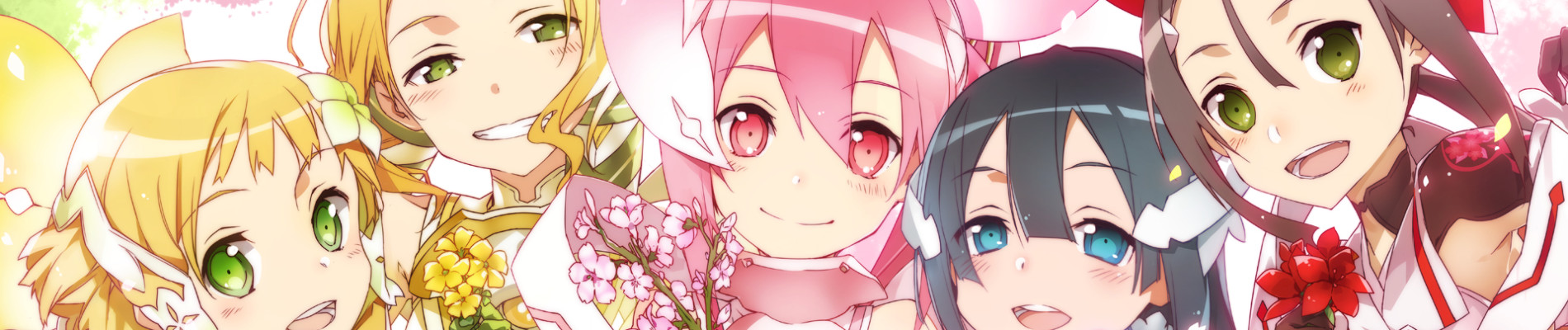
This isn’t fantasy as escape. It’s fantasy as pressure. The show wraps cosmic horror in bento boxes and clubroom chatter, makes divine bureaucracy feel as mundane—and as suffocating—as homeroom attendance. You don’t just watch Yuuna fight the Vertex; you feel the cost in the tremor of her hand when she pours tea afterward, the way her smile doesn’t quite reach her eyes during lunch, the quiet dread in how casually the girls discuss “sacrifice quotas” like they’re checking off homework. It’s exhaustion, not adrenaline. It’s duty worn thin by kindness. It’s love that insists on showing up—even when the universe has already decided what it will take from you.
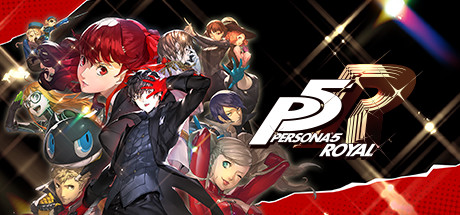
That emotional DNA pulses strongest in Persona 5 Royal. Its player review nails it: “The seamless transition between daily life…” — yes, exactly. Like Yuuna balancing club meetings with interdimensional warfare, Joker walks Shibuya streets one moment and tears through a palace the next, all while building bonds that deepen because time is scarce, because every confidant arc is a fragile negotiation between selfhood and service. Both works treat ordinary moments—the shared laugh in a café, the awkward silence before a confession—not as filler, but as resistance. And that soundtrack? Not just “stunning”—it’s hauntingly tender, like the anime’s piano motifs that swell not during battle, but during a girl staring out a rain-streaked window, wondering if her hands will still work tomorrow.
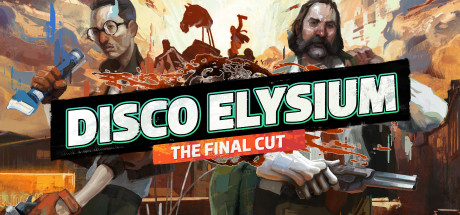
Disco Elysium - The Final Cut resonates in its unflinching interiority. Its description calls it “a groundbreaking role playing game” where you carve a path across a city—but what sticks is the voice inside your skull, arguing with itself, doubting its own ethics, grieving losses it can’t name. One player quote cuts deep: “Capital has the ability to subsume all critiques into itself…” — that same chilling systemic weariness hums beneath Yuki Yuna is a Hero’s surface. The “Brave Hero Club” isn’t rebel fighters—it’s an institution, sanctioned, ritualized, quietly devouring its members under the banner of salvation. Both works force you to sit with cognitive dissonance: How do you keep choosing hope when the system is designed to hollow you out? There’s no grand villain monologue—just paperwork, polite smiles, and the slow erosion of agency masked as honor.
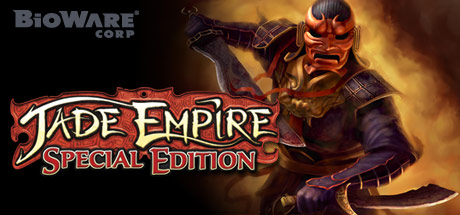
And then there’s Jade Empire™: Special Edition, whose description drops the quiet bomb: “Step into the role of an aspiring martial-arts master and follow the path of the open palm or the closed fist.” Not good vs. evil—but philosophy as combat, ethics as muscle memory. Yuuna doesn’t wield swords or spells first—she wields choice, again and again: to speak truth or soften it, to protect or withdraw, to believe in the gods or question their silence. The game’s folkloric texture—its reverence for balance, consequence, ancestral weight—mirrors the anime’s Shinto-adjacent cosmology, where divinity isn’t distant thunder, but a presence in the shrine gate, the cherry blossoms, the unspoken pact between girl and god. Its player review mentions technical hurdles—but the yearning beneath it, the desire to enter that mythic logic, is identical to the ache Yuuna carries when she bows before the altar, not in worship, but in weary, persistent dialogue.
These pairings aren’t for fans of “magic girls who punch monsters.” They’re for the ones who hold their breath during the quiet scenes—who recognize sacrifice not as a noble line, but as a slow leak in the soul—who flinch at cheerful music that sounds too bright, knowing what’s waiting in the next cutaway. They’re for people who’ve ever smiled through exhaustion, loved someone while counting down their last reserves, or whispered a prayer into the dark—not expecting an answer, but needing the shape of the question to stay human. That’s where Yuuna stands. That’s where Joker leans against a rail at midnight. That’s where the detective stares at his reflection in a rain-puddled street. Not at the peak of power—but right there, breathing, aching, choosing, again.
🎮120 Games That Match the Vibe









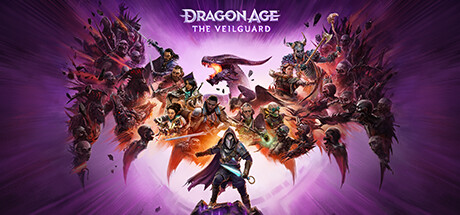
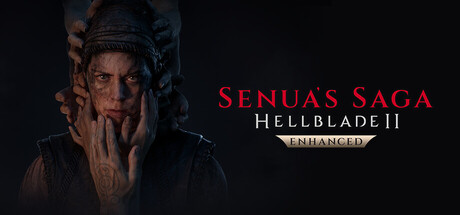
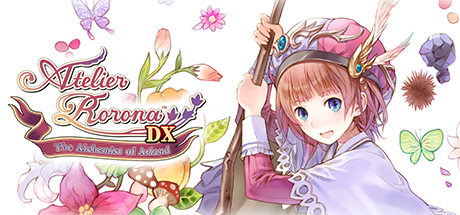

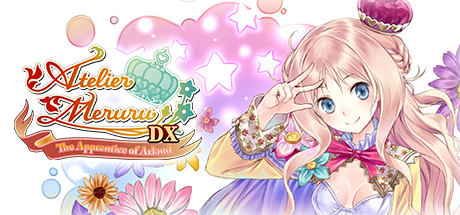





















Match Dimensions Explained
❓Frequently Asked Questions
Why does Persona 5 Royal keep coming up in Yuki Yuna is a Hero game recommendations?
Because both lean hard into emotional narrative and shoujo-adjacent romance—like how Ann Takamaki’s arc mirrors Yuna’s journey of self-worth through sacrifice, and the Phantom Thieves’ group bonding echoes the Warrior team’s intimate, trust-based dynamics. Plus, the daily life/school rhythm in P5R (building Confidants, managing time) mirrors Yuki Yuna’s quiet character moments between battles.
Is there a Yuki Yuna is a Hero visual novel or dating sim adaptation?
No official visual novel exists—but Disco Elysium nails that same layered, dialogue-driven emotional intimacy you love in Yuki Yuna’s quieter scenes, like when Fu Inubouzaki confesses her fears over tea. Its Romance & Shoujo dimension and heavy focus on internal monologue and relationship-building (e.g., with Kim Kitsuragi or Cuno) gives that same tender, character-first weight.
How does Jade Empire compare to Persona 5 Royal for Yuki Yuna fans?
Jade Empire shares Yuki Yuna’s mythic tone and emotional gravitas—especially in its open-palm path choices, which echo the moral weight of Yuna’s ‘sacrifice system’. But unlike P5R’s tight school-day structure, Jade Empire leans into wuxia folklore and mentor-student bonds (like Master Li’s guidance), making it feel more like Yuki Yuna’s spiritual prequel than a direct cousin.
What’s the best game like Yuki Yuna is a Hero if I want that bittersweet, hopeful-but-haunting mood?
Disco Elysium — especially during rainy-night walks through Martinaise or introspective skill checks like 'Empathy' — captures that exact vibe: fragile hope amid deep sorrow, just like Yuna’s hospital scenes or Mimori’s quiet resilience. Its Emotional Narrative dimension and player review calling it 'a cruel irony' mirrors how Yuki Yuna balances light and devastation without flinching.