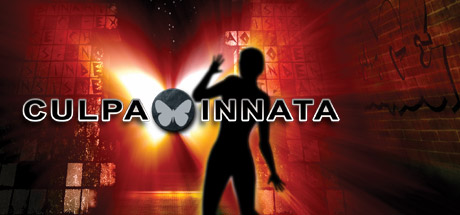
Culpa Innata
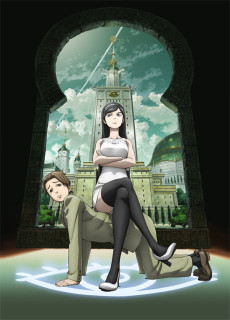
The World Union is labeled the 'perfect society'. Prosperity is a science, disease and wars have vanished, sex is entertainment, and the future has never looked brighter. Suddenly this perfect society is rocked by the murder of a World Union citizen in the 'Rogue State' of Russia.
🎮Game Details
💬What Players Say
"Do not have the patience for this in 2026 - every location, run, run, run - not enjoyable -asked for a refund"
📝Editorial Analysis
The fluorescent hum of a World Union transit hub—sterile, seamless, humming with the quiet violence of absolute control—suddenly cut by the thud of a body hitting permafrost in Moscow. That’s the rupture: not an explosion, not a scream, but the sickening finality of a citizen’s murder in a place officially erased from the map. The official description calls it the ‘Rogue State’ of Russia—the very phrase dripping with bureaucratic contempt—and that dissonance stings: prosperity as science, disease and war abolished, sex reduced to entertainment… and yet here’s a corpse, unaccounted for, unprocessed, unacceptable. A player’s 2026 review nails the aftershock: “every location, run, run, run—not enjoyable.” Not boredom—exhaustion. Not confusion—frustration at the sheer, grinding weight of the system’s indifference, its refusal to pause, to grieve, to even acknowledge the crack in the facade.
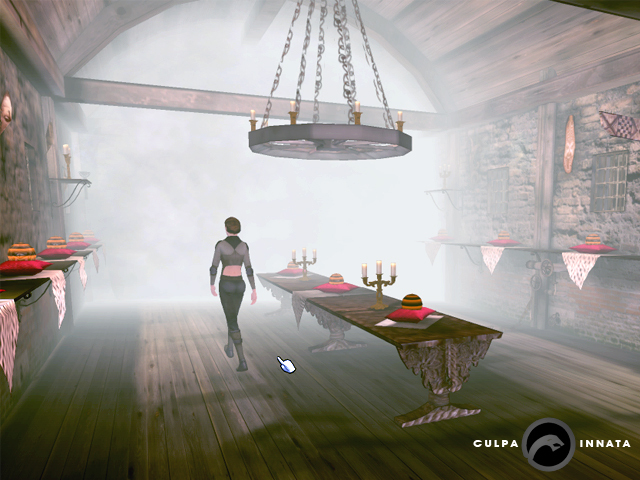
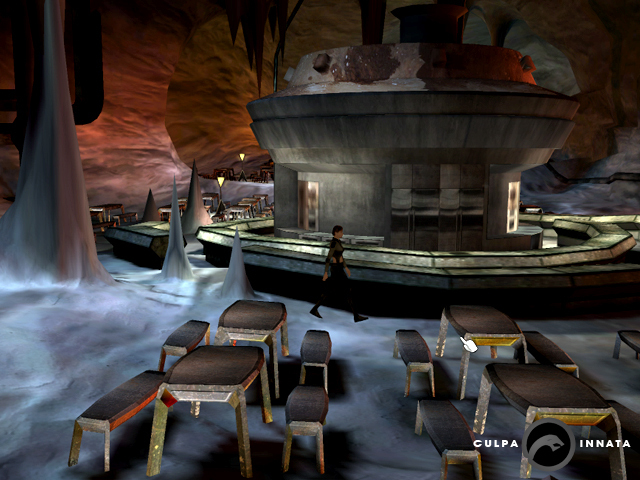
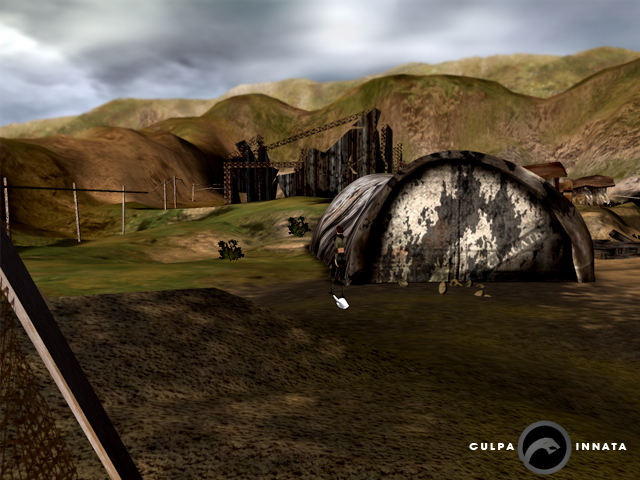
This isn’t dystopia as spectacle. It’s dystopia as administrative fatigue. The atmosphere isn’t oppressive because of tanks or propaganda reels—it’s oppressive because the world works too well, too smoothly, too coldly. You feel the chill of a society that has optimized away empathy, where justice is a subroutine and death is a data anomaly. It makes you think about consent buried under convenience, about how “perfect” becomes a cage when every variable is calibrated—and how terrifying it is when the only thing left to investigate is the absence of explanation. There’s no grand villain monologue, just layers of protocol, encrypted logs, and corridors that all look identical—not because they’re sinister, but because uniformity is the ideology. That’s the unique feeling: claustrophobic clarity, where every clean surface reflects your own helplessness.
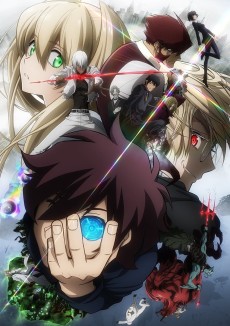
Dorohedoro Season 2 resonates not through shared visuals—but through shared moral vertigo. Both treat bureaucracy as a grotesque organism: the World Union’s sterile efficiency mirrors the Hole’s labyrinthine, flesh-and-concrete guild hierarchies. In both, solving a crime means navigating systems designed to absorb meaning, not reveal truth. The mystery isn’t “who did it?” but “what kind of reality permits this *and calls it normal?”—a question Dorohedoro asks with blood-smeared chalkboards and Culpa Innata with a blinking terminal in a soundproofed interrogation room.
Chobits shares that same quiet dread of intimacy as liability. The World Union’s reduction of sex to entertainment echoes Chobits’ world where relationships are mediated, quantified, and legally constrained by ownership laws. Both hinge on a central violation—not of law, but of ontological boundaries: what happens when a person is treated as infrastructure? When love is a feature update and grief is a system error? The detective work in both isn’t about gathering clues—it’s about reclaiming subjectivity in a world that insists on object status.
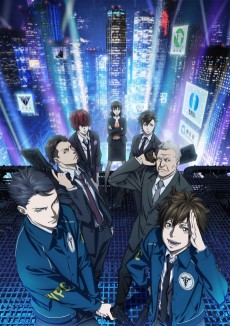
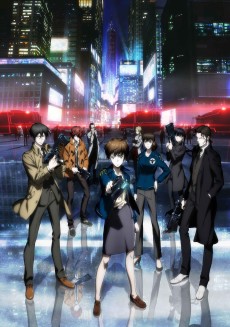
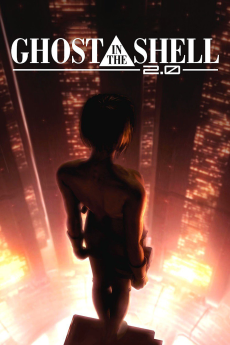
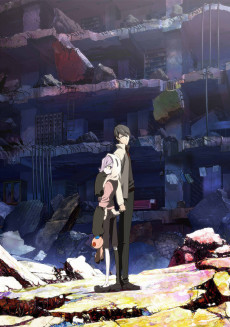
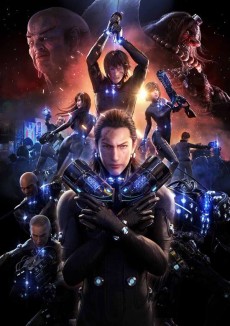
PSYCHO-PASS: Sinners of the System 3 lands with surgical precision on the same nerve: the horror of love as systemic failure. The film’s climax isn’t a shootout—it’s a breakdown in the Sybil System’s capacity to categorize devotion as anything other than deviation. Like Culpa Innata’s murder in Russia, it exposes how a “perfect” society must pathologize tenderness to maintain equilibrium. Both force you to sit with the silence after the verdict—the hollow echo where compassion should be, but can’t fit in the architecture.
This pairing isn’t for fans of slick action or tidy resolutions. It’s for the reader who re-reads the same paragraph in 1984 because the syntax itself feels like surveillance. It’s for the player who lingers in empty train stations, listening to the HVAC hum, wondering if the calm is peace—or anesthesia. It’s for the viewer who watches Moriarty the Patriot Part 2 not for the heist, but for the way Moriarty’s gloves stay immaculate while his eyes register the weight of every lie he’s built his revolution upon. These works speak to people who recognize beauty in decay, who feel the ache of a world so polished it refuses to let you cry—and who, in that refusal, find the most urgent mystery of all.
→144 Anime That Match the Vibe

Layered mysteries that reward attention — every detail matters, and the truth is never simple.

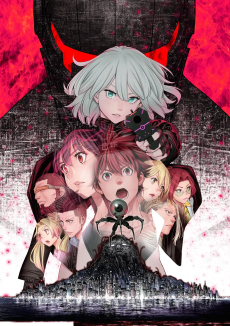
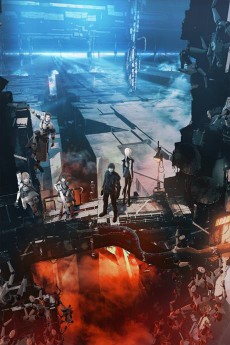
A rain-slicked refugee bus under gunfire in *PSYCHO-PASS: Sinners of the System 3* mirrors Culpa Innata’s opening dissonance—where the World Union’s sterile “perfection” cracks under the weight of suppressed violence. Both plunge into 🔍 Mystery & Detective mode not to solve crimes, but to expose systemic rot masquerading as order: Kogami’s vigilante justice in a fractured SEAUn echoes the game’s protagonist unraveling biometric control disguised as benevolence. Surprisingly, their shared darkness feels less nihilistic than fiercely human—resistance isn’t rebellion against dystopia, but insistence on truth within it.
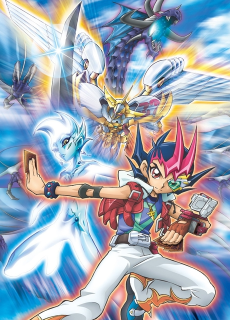
Layered mysteries that reward attention — every detail matters, and the truth is never simple.

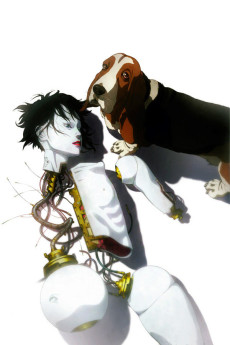
What if “perfect” society hides rot beneath chrome? *Culpa Innata*’s World Union—where prosperity is algorithmic and sex commodified—mirrors *Chobits*’ Tokyo, where Persocoms serve as flawless companions yet conceal systemic erasure of autonomy. Both pivot on the 🌆 Cyberpunk & Dystopia dimension: Hideki’s discovery of Chi’s forbidden core echoes the player’s unraveling of the Union’s “harmony” as enforced silence. Surprisingly, their shared darkness isn’t in violence—but in how love and truth become subversive acts.

Where *Culpa Innata*’s World Union sells utopia as sterile perfection, *Moriarty the Patriot Part 2* shows Victorian London’s rot festering beneath gilded ballrooms—both weaponize the **Mystery & Detective** lens to expose systemic lies. Will’s calculated dismantling of aristocratic facades mirrors the game’s protagonist peeling back layers of “prosperity science” in a society that erased war but not power. That shared, chilling precision—unmasking control disguised as care—makes their resonance unsettlingly coherent.
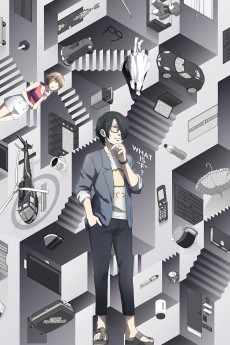
A cold, rain-slicked neon corridor in *Culpa Innata*—where the World Union’s “perfect society” glitches into surveillance static—echoes the claustrophobic, logic-obsessed isolation of Moe Nishinosono’s locked-room death in *The Perfect Insider*. Unlike most psychological thrillers, both weaponize **🔍 Mystery & Detective** rigor not to solve crimes but to expose how systems of control masquerade as rationality. That resonance feels quietly radical: two works where deduction becomes a scalpel dissecting utopia’s rot, not a tool restoring order.

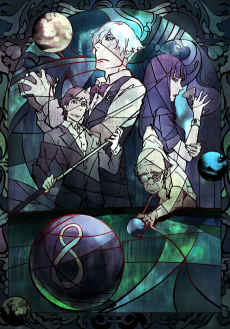
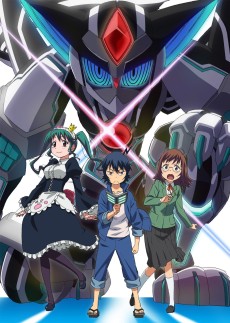
Caiman’s grotesque, amnesiac quest through Hole’s rotting alleys mirrors the World Union’s hollow perfection—both worlds weaponize order to conceal violent erasures. Where Season 2 deepens the Cross-Eyes’ bureaucratic horror and Caiman’s fragmented identity, *Culpa Innata* fractures its utopia with clinical surveillance and buried trauma. This mutual obsession with **Mystery & Detective** structures—clues hidden in architecture, bodies, and official lies—makes their dystopian resonance unnervingly precise.

Layered mysteries that reward attention — every detail matters, and the truth is never simple.

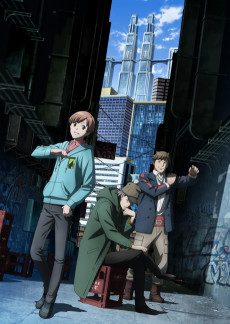
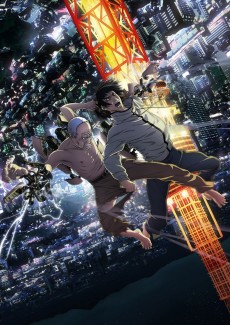
A flickering neon sign over Neo-Shinjuku’s rain-slicked streets mirrors the World Union’s sterile holograms—both promise utopia while hiding rot beneath polished surfaces. Where *Culpa Innata*’s detective Kaito uncovers systemic lies buried in biometric archives, *Dimension W*’s Mira Yurizaki traces coil malfunctions to suppressed human cost—making 🌆 Cyberpunk & Dystopia the shared grammar of their disillusionment. That resonance feels startling: two near-forgotten 2010s works, one interactive, one episodic, diagnosing techno-utopianism with surgical precision.

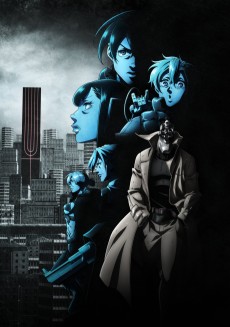
Kowloon Walled City’s rain-slicked alleyways—where neon flickers over crumbling concrete and a detective traces a memory erased by corporate archives—mirror Culpa Innata’s sterile interrogation rooms where “perfect society” truths unravel under forensic scrutiny. 🕵️♂️ Mystery & Detective isn’t just genre here; it’s epistemology—both works treat investigation as bodily, tactile labor against systems that weaponize nostalgia and erase dissent. That shared dark-seinen tension—between yearning for lost intimacy and distrusting every smoothed-over surface—makes their resonance unsettlingly precise.


























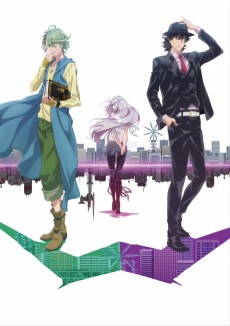
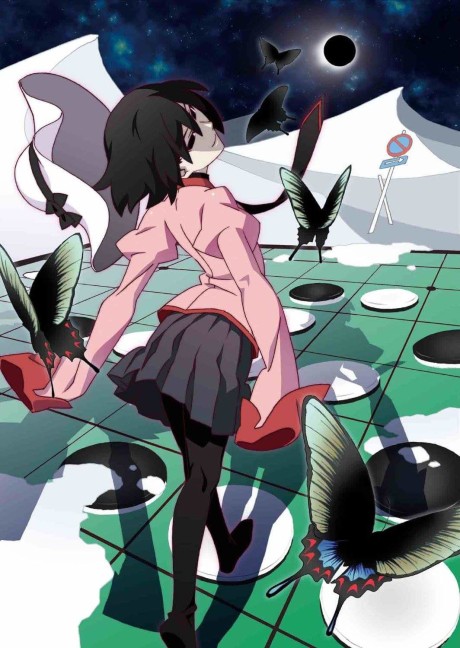




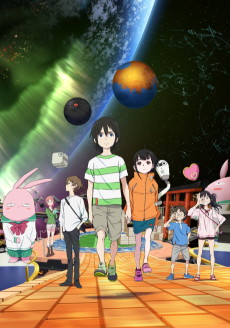

















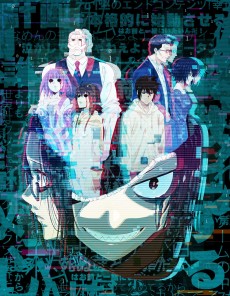





































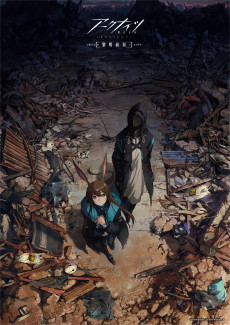


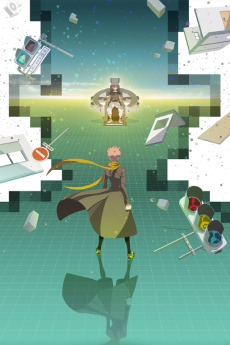



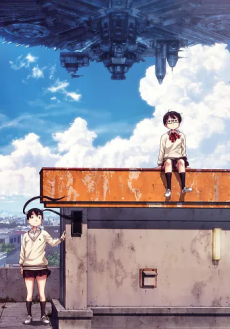












Match Dimensions Explained
❓Frequently Asked Questions
Why is Dorohedoro Season 2 recommended for Culpa Innata fans?
Because both dive headfirst into grotesque, rule-bending dystopias where 'perfect' systems are rotten at the core—Dorohedoro’s Hole mirrors Culpa Innata’s World Union with its fake utopian veneer, and scenes like Nikaido’s interrogation in the Enchanted Forest echo the game’s tense, morally slippery detective work in Russia’s Rogue State.
Is there an anime adaptation of Culpa Innata?
No—Culpa Innata has never been adapted into anime or manga. It remains a standalone 2005 PC game, so the closest you’ll get to its vibe is through curated matches like PSYCHO-PASS: Sinners of the System 3, where Akane Tsunemori confronts systemic corruption in a gleaming cyber-dystopia just like the World Union’s facade.
How does Chobits compare to Culpa Innata in tone and themes?
Chobits shares Culpa Innata’s chilling blend of surface-level serenity and buried dread—think Chi’s innocent smile vs. the World Union’s sterile propaganda—but digs deeper into intimacy and control, much like how Culpa Innata’s ‘sex as entertainment’ mechanic exposes societal dehumanization through characters like the enigmatic Dr. Kuroda.
What’s the best anime like Culpa Innata if I want that paranoid, slow-burn detective-in-a-broken-future vibe?
Go straight to Moriarty the Patriot Part 2—it nails the same cerebral tension: Sherlock Holmes isn’t just solving crimes, he’s dissecting the hypocrisy of a ‘civilized’ elite, mirroring Culpa Innata’s protagonist navigating surveillance-laced Moscow while chasing clues through corrupted data logs and double-crossing bureaucrats.