
No.6
In a near future world, after the last great war, most of mankind lives in a handful of city states. There, for the privileged elite, life should be perfect. But for young Shion, the only thing perfect has been the nightmare his life has become since letting a strange boy called Rat spend the night in his apartment.
Banished to the outskirts of the city and stripped of all privileges for helping the mysterious stranger who has since disappeared, Shion now finds himself in even worse danger as his inquiry into a new series of mysterious deaths results in his being arrested on suspicion of murder!
But even as Shion is being sent to the city's Correctional Institute, the long-missing Rat reappears to rescue him! Now on the run, the two young men have only one chance at survival: uncover the mysterious secrets that lie at the sinister heart of No. 6!
(Source: RightStuf)
📺Anime Details
📝Editorial Analysis
The fluorescent hum of No.6’s sterile corridors doesn’t just light the hallways—it presses down. You feel it in Shion’s breath as he walks past the seamless white walls of his former district, the air thick with silence so absolute it vibrates. That moment—just after his banishment, when he stands alone outside the city’s gleaming perimeter gate, watching the bioluminescent vines coil over rusted rebar in the Waste—is where No.6 lives: not in explosions or speeches, but in the weight of a system breathing evenly while you forget how to inhale.
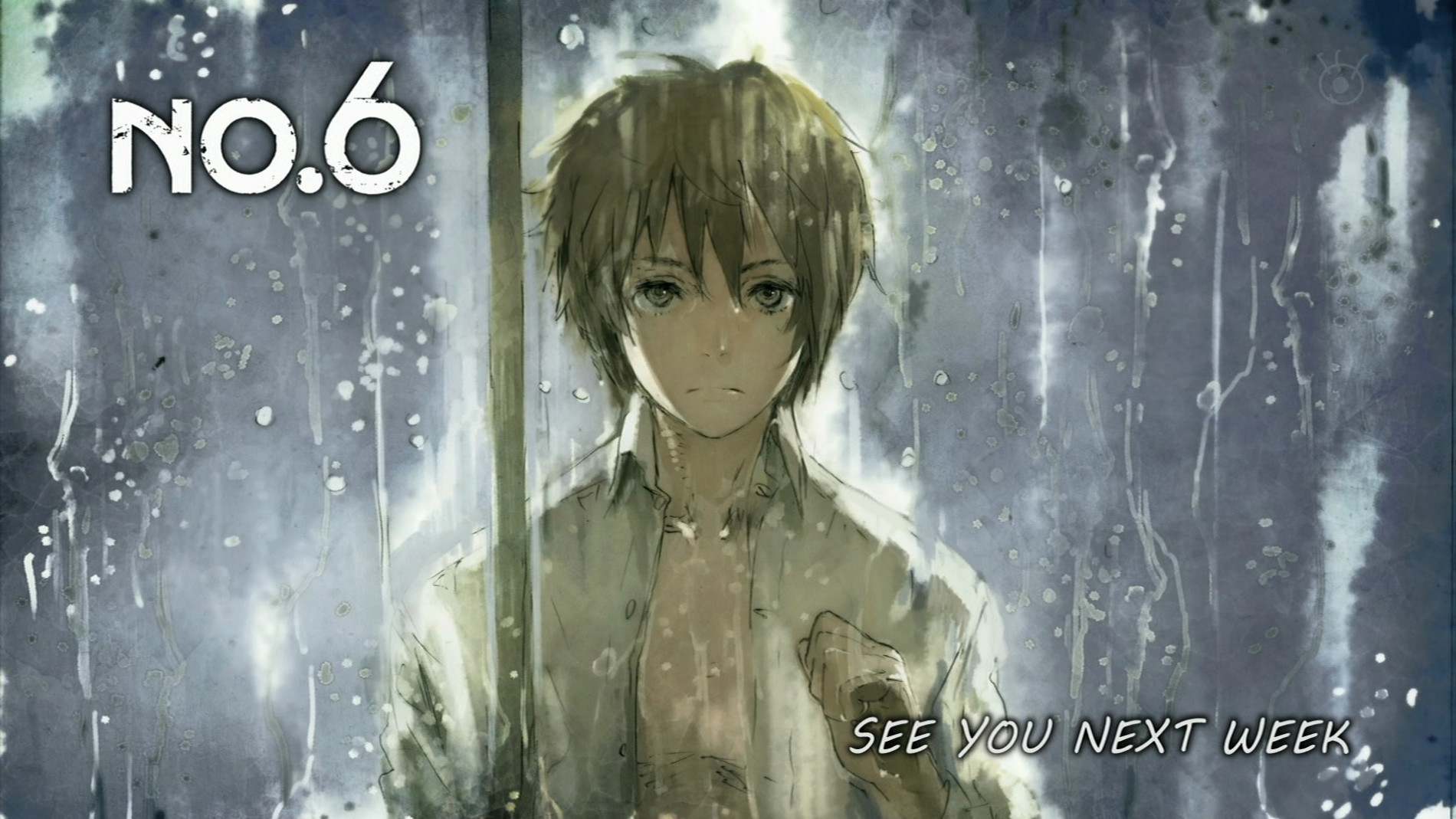
This isn’t dystopia as spectacle. It’s dystopia as texture: the soft click of a surveillance drone’s landing gear, the way Shion’s childhood dog, Safu, whines low before sensing something wrong in the air—before the memory wipe even begins. The show makes you feel unmoored, not because time jumps (though it does), but because identity itself is treated like corrupted data—editable, suppressible, disposable. You don’t question the ideology of No.6—you taste its antiseptic chill on your tongue. It asks you to sit with the quiet horror of being known by a state that has already decided your value—and then to watch what happens when two boys, one erased and one escaping erasure, hold each other in the dark like proof that some things can’t be logged, categorized, or archived.
That emotional DNA pulses strongest in BioShock™, where Rapture’s Art Deco decay mirrors No.6’s false utopia—not through grand villain monologues, but through environmental storytelling that haunts. Like No.6’s abandoned labs where children were conditioned to forget their names, Rapture’s flooded halls whisper of ideals curdling into control. The player review calls it “revolutionary”—and it is, precisely because it makes ideology physical: every splicer’s twitch, every flickering ADAM vein, echoes Shion’s disorientation after memory manipulation. Both refuse catharsis; they leave you standing in the wreckage of a logic you once trusted.
Then there’s BioShock Infinite, which shares No.6’s obsession with time & memory as unstable architecture. Booker DeWitt doesn’t just chase Elizabeth—he’s chasing versions of himself he’s buried. Just as Shion’s time skip fractures his sense of continuity, Infinite weaponizes temporal dissonance until cause and effect blur into grief. The player review mentions “the Bioshock Infinite we could have gotten”—a line that resonates deeply with No.6’s central tragedy: the version of Rat that Shion remembers, the version that exists in the files, the version that survives—none are fully true, yet all are devastatingly real. Both works treat memory not as record, but as wound you keep reopening.
And Deus Ex: Game of the Year Edition? Its 2052 world—where “an ages old conspiracy bent on world domination” operates through quiet mergers and neural implants—feels like No.6’s blueprint made manifest. Not in scale, but in method: the elite don’t wear capes. They adjust policy, reassign IDs, and call it “public safety.” The player review notes how the game gives you “all options with one hit of the esc key”—a perfect echo of Shion’s slow realization that resistance isn’t about breaking walls, but about choosing which door to open when every corridor looks identical. Like Shion decoding hidden frequencies in rat squeaks, JC Denton parses encrypted emails in subway tunnels—both navigating systems designed to make dissent feel like noise.
This pairing isn’t for fans of rebellion-as-spectacle. It’s for the person who pauses mid-game to stare at a flickering streetlight in Deus Ex, wondering if it’s malfunctioning—or watching. It’s for the viewer who replays Shion’s first conversation with Rat not for plot clues, but for the tremor in his voice when he says, “I didn’t know your name was important.” It’s for those who understand that the most radical act in a perfected world isn’t escape—it’s remembering the shape of your own hands before the system taught you how to hold them.
🎮36 Games That Match the Vibe
















Match Dimensions Explained
❓Frequently Asked Questions
Why does BioShock keep coming up when people talk about games like No.6?
Because both dive deep into dystopian political control, psychological unraveling, and morally ambiguous choices—like when Booker DeWitt confronts the truth of Columbia’s propaganda in BioShock Infinite, or when Shun’s identity fractures under the weight of No.6’s surveillance state. The shared 'Adult & Dark Seinen' and 'Cyberpunk & Dystopia' dimensions make them resonate on a visceral, thematic level—not just surface-level aesthetics.
Is there a No.6 anime or movie adaptation?
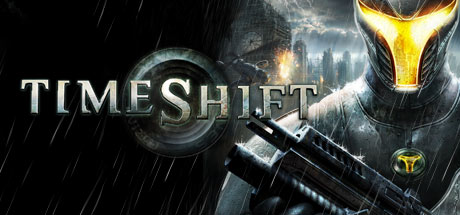
No—there’s never been an official anime, film, or live-action adaptation of No.6. That’s why fans often turn to games with similar tonal precision: Deus Ex: Game of the Year Edition nails that same claustrophobic paranoia (think Adam Jensen navigating the shadowy Illuminati), while TimeShift™ mirrors No.6’s time-bent identity crises through Dr. Krone’s fractured reality jumps.
How is Deus Ex: Invisible War different from BioShock Infinite for No.6 fans?
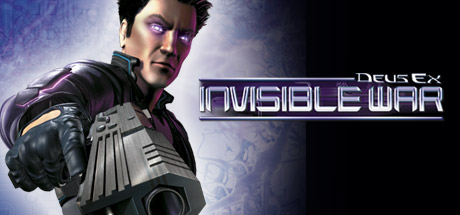
Invisible War leans harder into fragmented world-building and ideological ambiguity—like No.6’s layered lies about Safu’s origins—whereas BioShock Infinite uses spectacle and emotional whiplash (e.g., Elizabeth opening tears mid-battle) to explore memory and determinism. Both score 83–85 and share 'Political Thriller' + 'Cyberpunk & Dystopia', but Invisible War’s quieter, more systemic conspiracy feels closer to No.6’s slow-burn dread.
What’s the best game like No.6 if I want that quiet, melancholy, rain-soaked city vibe with hidden trauma?
BioShock is your strongest match—it’s got that same oppressive, decaying urban atmosphere (Rapture’s flooded halls echo No.6’s misty, sterile streets), plus characters like Andrew Ryan whose ideology crumbles like No.6’s façade of utopia. The player review even calls it 'revolutionary' for how it ties environment, story, and moral choice together—exactly the kind of layered unease No.6 fans crave.