
Cyberpunk 2077
Cyberpunk 2077 is an open-world, action-adventure RPG set in the dark future of Night City — a dangerous megalopolis obsessed with power, glamor, and ceaseless body modification.
🎮Game Details
💬What Players Say
"Cyberpunk 2077 isn’t just a game. And Edgerunners isn’t just an anime. Both present a futuristic world full of chrome, violence, and massive corporations… but at its core, it reflects something very real: real life...."
"[h1] CHOOM, THIS IS THE MASTERPIECE OF NIGHT CITY [/h1] [b][i] Conquered Night City with a flawless 100% completion badge. I didn't just play this game; I lived, chromed-up, and burned this city to the ground alongside Johnny Silverhand. Let’s be real, its launch was a complete cyber-disaster, but CD Projekt Red turned this ship around so hard that it evolved into an absolute legendary ride...."
"Cyberpunk 2077 had a rocky release due to the premature release, but it eventually redeemed itself with the release of Phantom Liberty along with several quality of life improvements. Now, it would be safe to say that Cyberpunk 2077 is in a playable state, although not perfect by any means. It is still possible run into some bugs, and the AI still needs adjustments, especially for the pedestrians...."
📝Editorial Analysis
Rain slicks the neon-drenched asphalt of Kabukichō, but it’s not water—it’s synth-oil bleeding from a shattered derm-optic implant, pooling around V’s boots as they stand over a corpse still twitching with neural feedback. The city breathes static: a low hum from overhead ad-drone swarms, the wet shhk of a malfunctioning streetlamp flickering between “KICK THE HABIT” and “BUY IMMORTALITY.” This isn’t spectacle—it’s exhaustion. It’s the weight in your shoulders after three in-game days spent chasing a ghost contract while your cyberware overheats, your bank account bleeds zero, and the skyline pulses like an infected wound. That’s Night City—not a setting, but a condition: obsessed with power, glamor, and ceaseless body modification, yes—but also thick with the quiet dread of being replaceable, even to yourself.
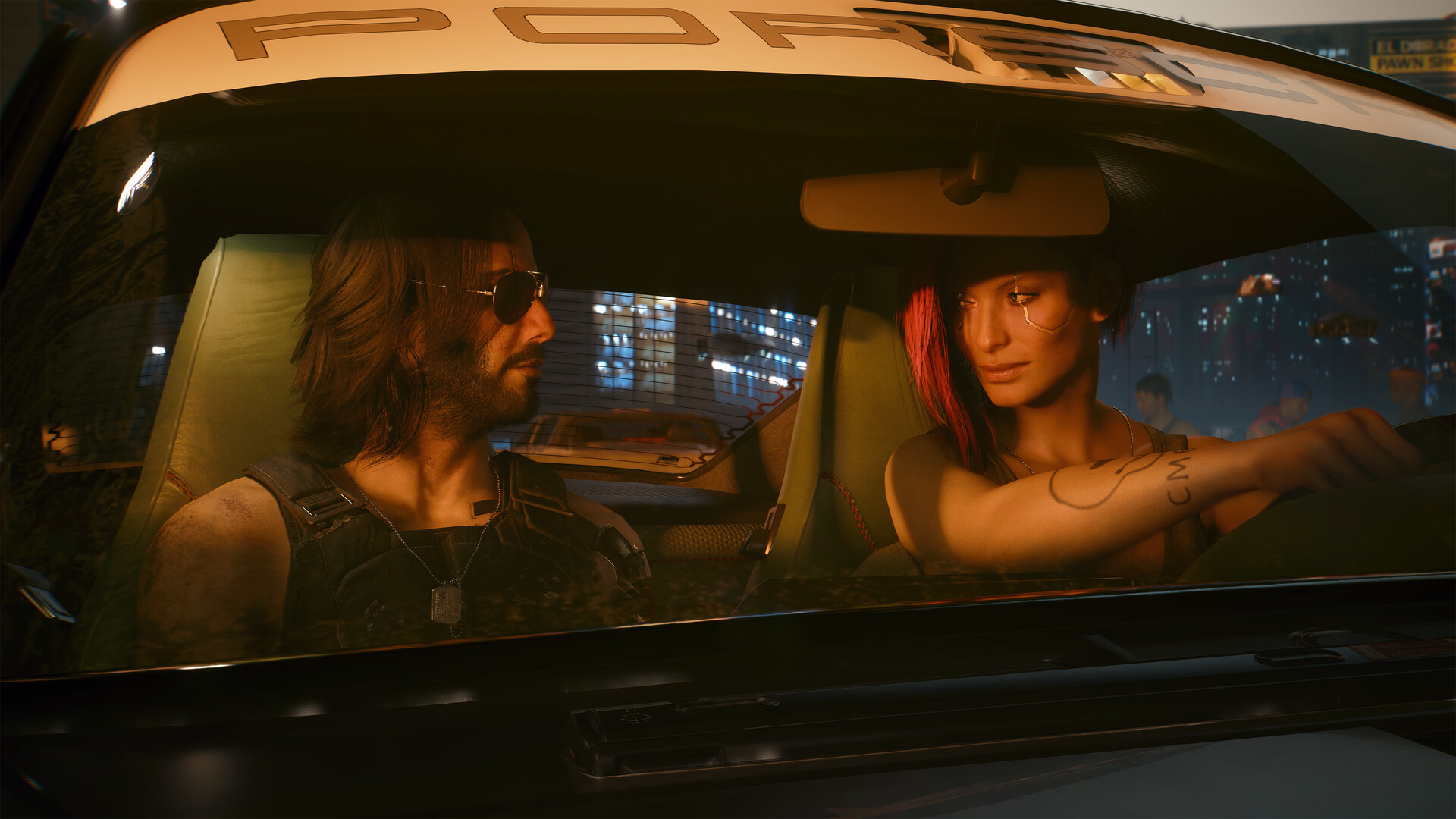

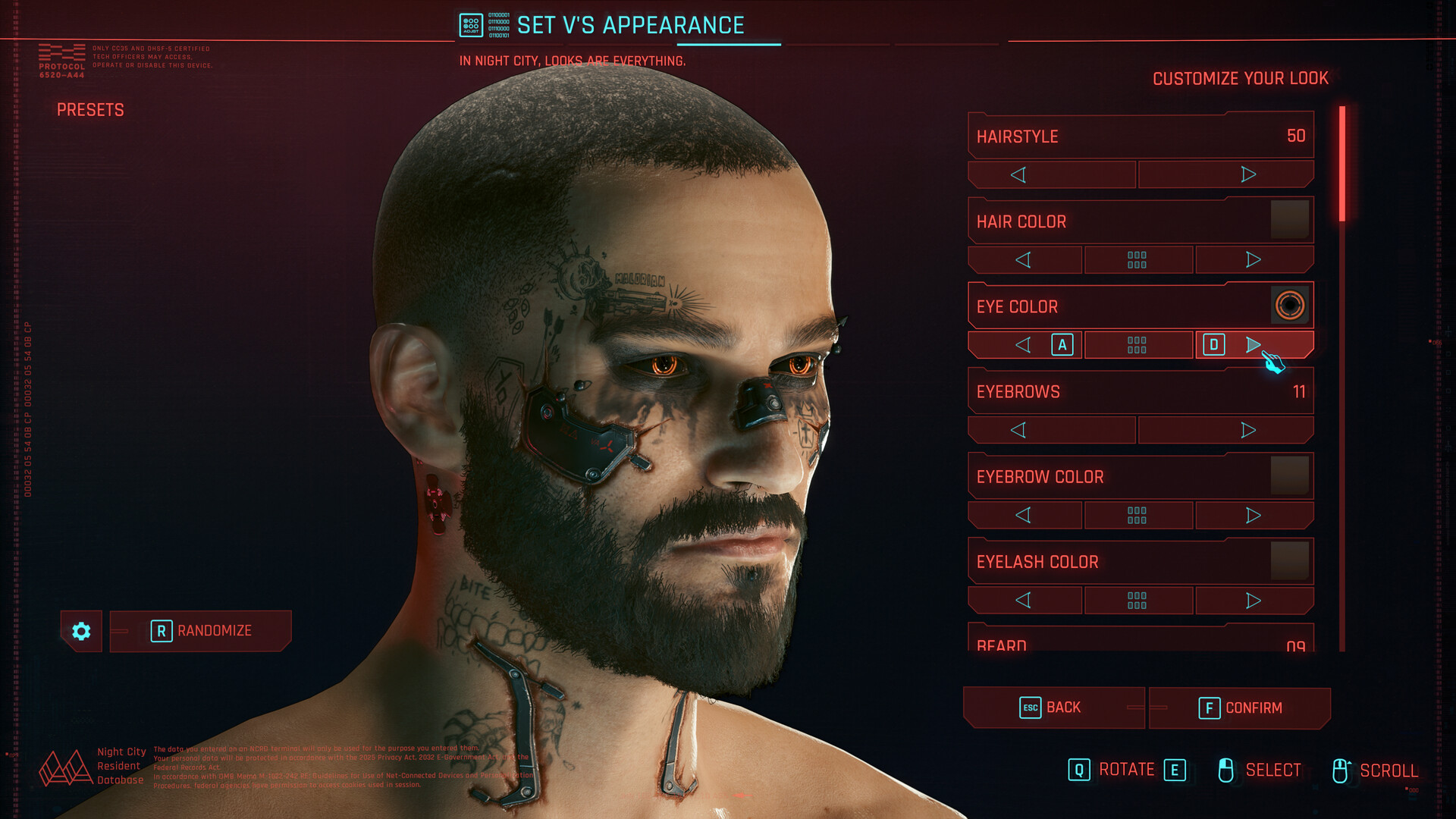
What makes Cyberpunk 2077’s atmosphere singular isn’t its chrome or its violence—it’s how deeply it embeds melancholy into infrastructure. You don’t just walk past billboards selling personality upgrades; you feel the hollowness behind them—the way a vendor’s laugh glitches mid-sentence because their empathy module is overdue for recalibration. Player Review 2 doesn’t say “I beat the game”—they say “I lived, chromed-up, and burned this city to…”—a sentence that cuts off, unfinished, like so many lives in Night City. That’s the feeling: unresolved, aching, intimate. Not dystopia as backdrop, but as biology. Not rebellion as triumph, but as slow, beautiful attrition. Phantom Liberty didn’t just fix bugs—it deepened the ache, making betrayal feel personal, loyalty feel risky, and survival feel lonely. The game doesn’t ask if you’ll win. It asks what you’ll keep, when everything else can be swapped, sold, or severed.
Cells at Work! CODE BLACK shares that same melancholic exploration—not through streets, but through capillaries. Its world is a dystopia too: oxygen-starved, infection-ridden, running on fraying biological code. Like Night City, every system here is compromised, every cell overworked, every act of care laced with exhaustion. The aesthetic dimensions align precisely: Cyberpunk & Dystopia (a body as corporate-controlled megacity), Adult & Dark Seinen (no sugarcoating sepsis or systemic collapse), and above all, Melancholic Exploration—watching red blood cells drag themselves across necrotic tissue, knowing healing is temporary, and death is just another form of maintenance.
Casshern Sins mirrors Night City’s emotional gravity in its silence. No grand speeches—just Casshern walking through ruins where rain falls upward, where robots weep rust, and where memory itself is a liability. Its Cyberpunk & Dystopia isn’t about flashy implants, but about eroded identity: what remains when your purpose is stripped, your name erased, your body decaying by design? Like V staring at their reflection in a cracked mirror—half-human, half-ghost—the show’s Melancholic Exploration feels like holding your breath underwater. There’s no catharsis, only resonance: the shared understanding that in both worlds, hope isn’t a destination—it’s a tremor in the wiring.
TRIGUN STAMPEDE, though set among stars, carries Night City’s soul in its bones. It’s Cyberpunk & Dystopia refracted through desert heat and orbital debris—where mega-corporations weaponize scarcity, where “peace” is enforced by bounty hunters with failing bodies, and where every act of kindness risks annihilation. Its Sci-Fi & Space dimension doesn’t soften the edge; it amplifies it. Like V choosing to save Judy instead of chasing the Relic, Vash’s mercy isn’t naive—it’s defiantly fragile, rooted in the same exhausted tenderness that makes Night City’s small human moments land like punches: a shared cigarette in a ruined parking garage, a voice crack mid-transmission, a hand held too long before letting go.
This is for the person who replays the ending of Cyberpunk 2077, not to change it—but to sit with it. Who watches Casshern Sins in one sitting, lights off, phone on silent, because the silence between frames feels necessary. Who pauses Cells at Work! CODE BLACK not to look up a term—but to stare at the screen as a neutrophil dissolves into pus, thinking: That’s me, too. They don’t crave escapism. They seek recognition—in the flicker of a dying ad, the tremor in a synthetic voice, the way grief hums at the same frequency as city power grids. They love stories where the future isn’t built—it’s scarred, and every scar tells the truth.
→66 Anime That Match the Vibe

Both dive into neon-soaked futures where technology blurs the line between human and machine.

Night City’s neon-drenched alleys pulse with the same exhausted urgency as the crumbling capillaries in *Cells at Work! CODE BLACK*’s stressed-out human body—where Red Blood Cell AE3803 races through hypoxic tissue while V navigates a city hemorrhaging hope. Unlike most sci-fi, both commit to 🌿 Melancholic Exploration: one maps systemic collapse onto organ failure, the other onto corporate feudalism. That shared dread—of bodies and cities failing from within—is startlingly intimate, not just dystopian.
Both dive into neon-soaked futures where technology blurs the line between human and machine.

Both dive into neon-soaked futures where technology blurs the line between human and machine.

Night City’s neon-drenched alleyways—where a chrome-plated V stares into a shattered mirror, questioning what’s human—echo the decaying orbital station in *Magnetic Rose*, where memories weaponize grief into lethal illusion. 🌆 Cyberpunk & Dystopia binds them: both dissect identity erosion not through spectacle, but quiet horror—the slow uncoupling of self from body, mind, or past. Unlike most sci-fi, neither offers escape; they trap you inside consciousness itself.

Night City’s rain-slicked neon alleys mirror Casshern’s desolate, ash-choked wastelands—both spaces breathe the same suffocating weight of 🌆 Cyberpunk & Dystopia. Where V’s cyberpsychosis spirals in fragmented mirrors and flickering ads, Casshern’s amnesiac wanderings through ruined cities and dying forests embody 🌿 Melancholic Exploration as existential ritual. Unlike most action-driven cyborg stories, neither flinches from the quiet horror of bodies that outlive meaning—making their resonance deeply unsettling, not just stylistic.

Both dive into neon-soaked futures where technology blurs the line between human and machine.

Night City’s rain-slicked neon glare mirrors the sun-bleached deserts of TRIGUN STAMPEDE—both worlds wear their cyberpunk & dystopia aesthetics like scar tissue, where gleaming tech coexists with systemic decay. Vash’s pacifist defiance echoes V’s quiet rage against Night City’s predatory corporatism, grounding melancholic exploration in bodily vulnerability: his scarred hand, her neural implants. Unlike most space-westerns, STAMPEDE’s intimate character focus deepens the resonance—it’s not the scale that connects them, but how both works mourn humanity while firing into the void.

Night City’s rain-slicked neon alleys pulse with the same lonely yearning that lingers in Hideki’s cramped apartment as he tenderly repairs Chi’s fractured memory core. Where Cyberpunk 2077 plunges into 🌆 Cyberpunk & Dystopia through corporate horror and bodily fragmentation, *Chobits*—in its 26-episode TV run—quietly dissects that same world’s emotional residue: intimacy hollowed out by commodified consciousness. It’s startling how both locate profound vulnerability not in rebellion, but in fragile, human-scale gestures—V’s quiet moments with Judy, Hideki tracing Chi’s palm—amid systems designed to erase tenderness.

Both dive into neon-soaked futures where technology blurs the line between human and machine.





















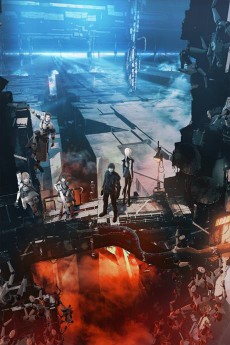
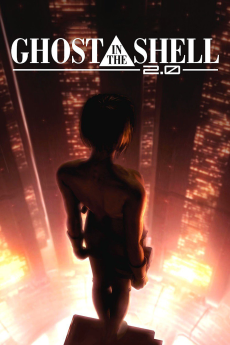
















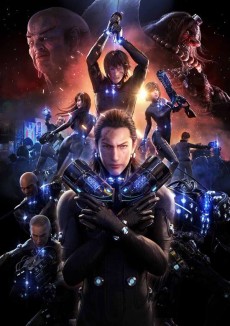







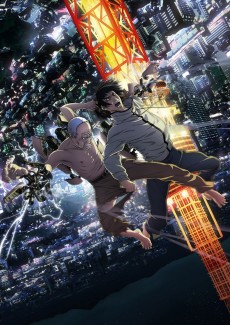





Match Dimensions Explained
❓Frequently Asked Questions
Why is Casshern Sins considered one of the best anime like Cyberpunk 2077?
Because it nails that same gut-punch blend of chrome-drenched decay and existential exhaustion — just like V’s descent in Night City. Casshern’s ruined world, where rusted mechs wander irradiated wastelands and corporations have long since collapsed into hollow, violent cults, mirrors Phantom Liberty’s bleak tone; you’ll feel that same weight watching him stagger through rain-slicked ruins as you did chasing down Arasaka Tower after the ending.
Is there an official anime adaptation of Cyberpunk 2077?
Yes — Edgerunners is the official anime tie-in, co-produced by CD Projekt Red and Studio Trigger. It’s not just inspired by the game: it drops you straight into Night City with characters like David Martinez (who gets his first cyberware at a gritty, neon-lit clinic just like V’s early augments) and Lucy (whose arc echoes the game’s themes of identity erosion and corporate exploitation). Fans even quote its ‘CHOOM’ moment alongside player review 2’s iconic line.
How does Cells at Work! CODE BLACK compare to Casshern Sins for Cyberpunk vibes?
CODE BLACK trades desert wastelands for a visceral, claustrophobic human body — but don’t let the biology fool you: it’s pure dystopian cyberpunk in disguise. Like Casshern Sins’ melancholic exploration, it shows systemic collapse (here, immune system failure), ruthless hierarchy (killer T-cells vs. exhausted macrophages), and body horror that hits just as hard as V’s neural degradation scenes — especially when the red blood cells get overwhelmed during a septic crisis.
What if I love Cyberpunk 2077’s grimy, rain-soaked Night City vibe but hate heavy action? What’s the best anime for that mood?
Go straight to Memories — specifically the ‘Stink Bomb’ segment, where a man’s accidental bio-weapon transformation turns Tokyo into a silent, fog-choked quarantine zone. It’s got that same oppressive, lived-in dread as Night City’s alleyways, zero flashy fights, and deep adult-seinen melancholy — like walking past Jig-Jig Street at 3 a.m. after a failed gig, hearing distant sirens and smelling ozone and synth-coffee, just like player review 1 describes.