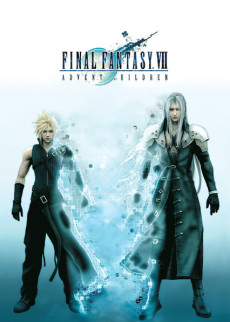
Final Fantasy VII: Advent Children
Two years after the end of Final Fantasy VII the world is starting to get back on it's feet and is working towards a new future. However, there is a new threat from a new illness called Geo-stigma, and three men that seem to be seeking Jenova. Cloud and his friends from the orginal game must once again reunite to combat the new threat.
(Source: Anime News Network)
📺Anime Details
📝Editorial Analysis
Rain slicks the cracked asphalt of Edge like oil on cold steel. Cloud Strife stands alone beneath a flickering neon sign—its letters half-gone, spelling only “_E…GE_”—his knuckles white around the hilt of the Fusion Sword, breath shallow, shoulders braced not for battle, but for remembering. The wind carries ash and ozone, not from fire, but from something deeper: the slow, grinding ache of survival after apocalypse. That moment—no music swelling, no flash-cut, just stillness thick with unspoken grief—is where Final Fantasy VII: Advent Children lives. Not in spectacle alone, but in the weight of standing up after.
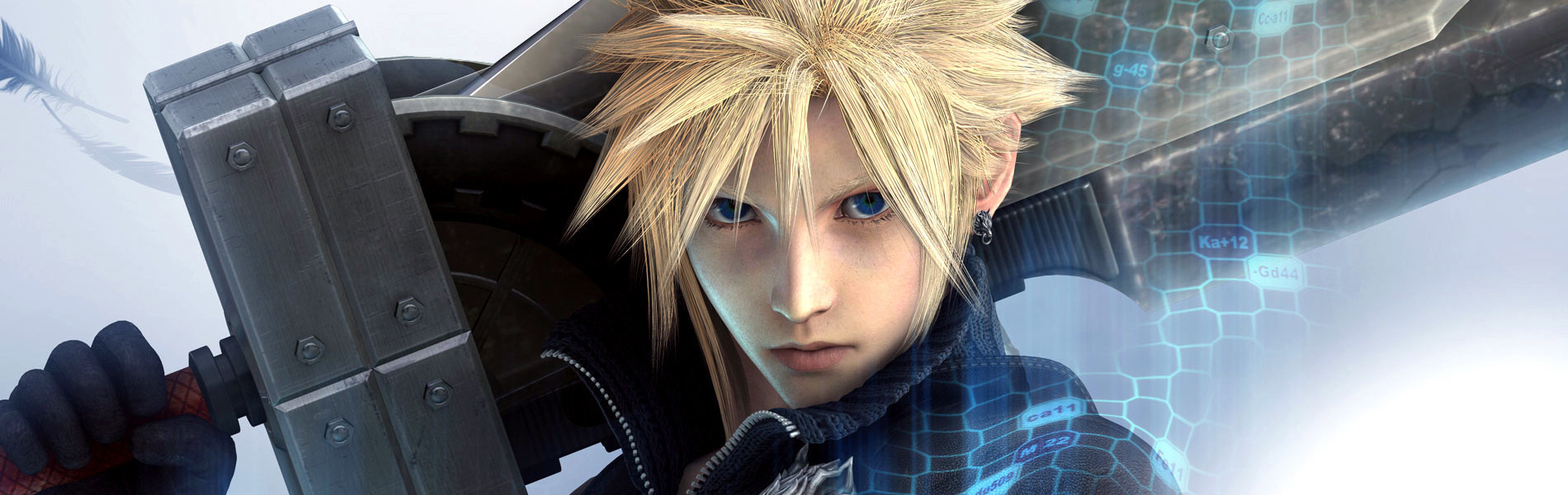
What makes it ache so uniquely isn’t its CGI sheen or swordplay—it’s how it treats healing as labor. Two years post-Geostigma’s first outbreak, the world isn’t rebuilt; it’s bandaged. Buildings rise, but their seams gape. People smile, but their eyes hold the hollow echo of Midgar’s collapse. This isn’t cyberpunk as chrome-and-neon swagger—it’s cyberpunk as scarring: bodies rejecting their own biology, cities growing over wounds they haven’t named, heroes moving through crowds who don’t recognize them—not because they’re forgotten, but because everyone is too busy stitching themselves back together to look up. It makes you feel tender, raw in the way old burns do when humidity rises. It makes you think about what happens after the final boss falls—not victory, but the quiet, exhausting work of breathing again.
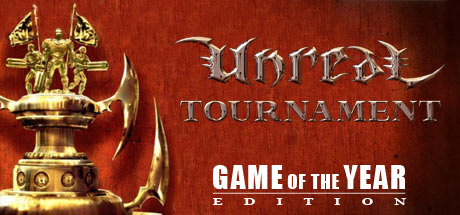
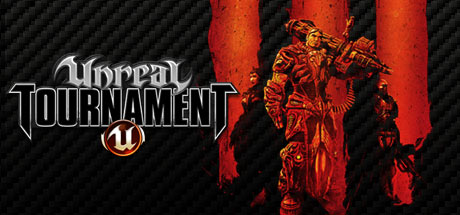
That same tender exhaustion hums through Unreal Tournament: Game of the Year Edition. Its player review calls it “Excellent classic game to remind you of the good’ole days…”—not nostalgia for glory, but for the relief of pure, unburdened motion. Like Cloud sprinting across rooftops in Edge, dodging lifestream flares, UT’s arena combat isn’t about conquest—it’s about rhythm, repetition, muscle memory reasserting itself against entropy. Both are spectacles built on return: returning to movement, to control, to the sheer physical joy of being unbroken—even if only for 90 seconds.
Then there’s S.T.A.L.K.E.R.: Shadow of Chernobyl, where the Zone isn’t just dangerous—it’s alive with memory. Its description says you fear radiation, anomalies, creatures—and other S.T.A.L.K.E.R.s. That last detail is key: danger isn’t externalized as villains, but as reflections—people just as haunted, just as scavenging for meaning in irradiated soil. Its player review notes how the map is “big and beautiful…” — not pristine, but charged, layered with history you can’t see but feel in every static burst and distant howl. Like the abandoned church in Edge where Cloud kneels before Aerith’s flowerbed, S.T.A.L.K.E.R. forces you into spaces thick with absence—where every rustle could be a ghost, every anomaly a wound in reality that won’t close.
And Half-Life 2: Episode Two—with its description cutting off mid-sentence at “you were last seen exiti…”—mirrors Advent Children’s fractured temporality. You’re always arriving just after. Gordon Freeman stumbles out of the citadel’s wreckage into snow and silence; Cloud walks into a bar where his friends wait, but no one speaks first. The player review’s fragmented enthusiasm—“Oh, Look at me. Owning Another steam game thats unlisted!”—echoes that same dislocated pride: not in mastery, but in presence. In showing up, even when the story refuses to finish its sentence.
These aren’t pairings for fans of “cool fights” or “epic lore.” They’re for the person who watches Cloud drop to his knees in the rain—not because he’s weak, but because kneeling is the first honest thing he’s done in two years. For the player who reloads S.T.A.L.K.E.R. not to win, but to walk again through the Pripyat amusement park at dusk, listening to the wind in broken carousel horses. For the one who boots up Unreal Tournament not for ranking up, but to feel the clean thwip of the shock rifle—a sound so sharp it cuts through the fog in their own chest. They love stories where healing isn’t linear, where power looks less like lightning and more like holding someone’s hand while they cough up black blood, where the most heroic act is choosing—again—to stand in the rain, and breathe.
🎮116 Games That Match the Vibe









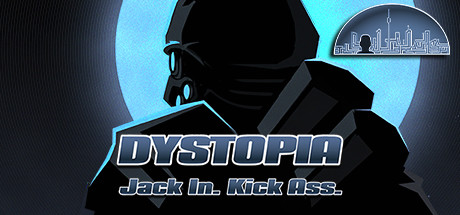
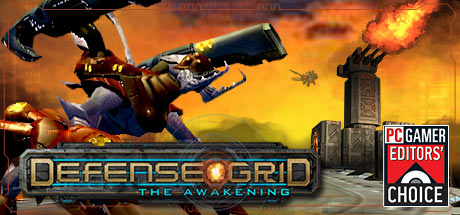
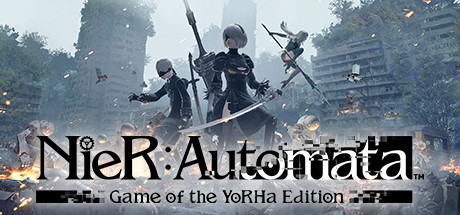
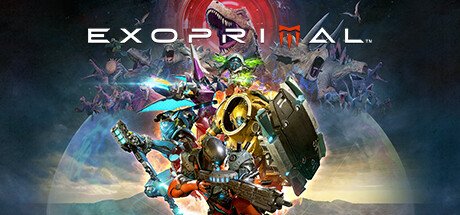



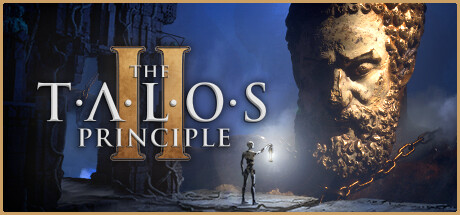
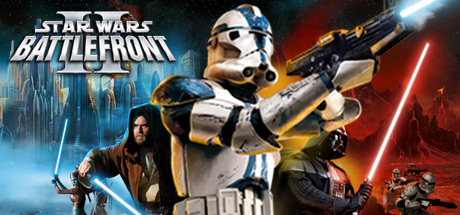
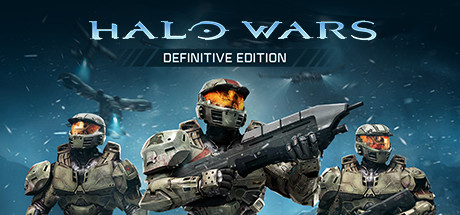
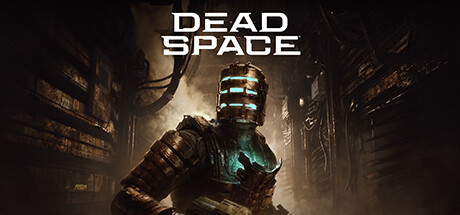
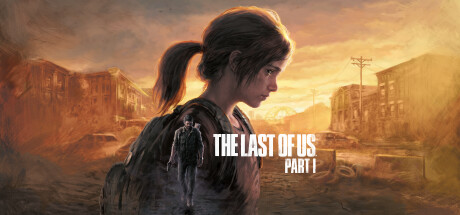

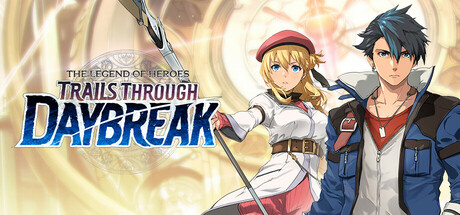
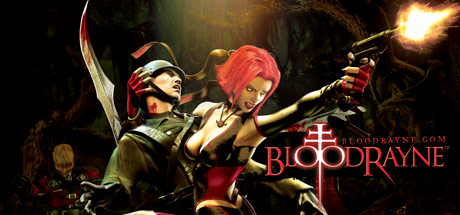
Match Dimensions Explained
❓Frequently Asked Questions
Why does S.T.A.L.K.E.R.: Shadow of Chernobyl keep coming up in 'Games Like Final Fantasy VII: Advent Children' lists?
It’s not about magic or Mako—Advent Children’s brooding tone, apocalyptic atmosphere, and themes of loss and rebirth resonate strongly with S.T.A.L.K.E.R.’s haunting Zone, where you’re constantly on edge from radiation storms, invisible anomalies (like the ‘Meat Grinder’), and morally gray S.T.A.L.K.E.R.s hunting you just like Shinra mercenaries stalk Cloud. Reviewers even call its story ‘intriguing’ and its map ‘big and beautiful’—much like how Advent Children lingers on ruined Midgar and silent character moments.
Is there a live-action or animated adaptation of Unreal Tournament like Advent Children is for FFVII?
No—Unreal Tournament has never gotten a standalone cinematic adaptation like Advent Children. It’s stayed firmly in the arena shooter lane since its 1999 Game of the Year Edition, celebrated for pure ‘frag-or-be-fragged’ multiplayer chaos—not narrative expansion. Fans still call it an ‘excellent classic’ that reminds them of the ‘good’ole days,’ but no Cloud Strife-style emotional arc or Tifa flashbacks here.
How does Half-Life 2: Episode Two compare to STAR WARS™ Jedi Knight - Jedi Academy for someone who loves Advent Children’s action-spectacle pacing?
Half-Life 2: Episode Two delivers tight, physics-driven set pieces—like the explosive antlion guard battle or the harrowing train sequence—that match Advent Children’s cinematic intensity, while Jedi Academy leans into lightsaber duels, Force-pull acrobatics, and branching Padawan choices. Both score 81 and share ‘Action Spectacle’ and ‘Sci-Fi & Space’ dimensions, but Episode Two feels more grounded and urgent; Jedi Academy trades realism for mythic, galaxy-spanning swagger.
What’s the best game like Advent Children if I want that same melancholy, rain-soaked, post-apocalyptic vibe?
S.T.A.L.K.E.R.: Shadow of Chernobyl is your top pick—it’s soaked in that exact mood: overcast skies, decaying Soviet infrastructure, eerie silence broken only by distant mutant growls or Geiger clicks, and a lone protagonist navigating trauma amid ruins (just like Cloud wandering Midgar’s rubble). Players say the map is ‘big and beautiful’ and the story ‘really good’—no flashy cutscenes needed, just raw, atmospheric weight.