BioShock 2
🎮Game Details
💬What Players Say
"Crashes non stop. The original version does not work with modern computers. It crashes every 30 seconds to two minutes...."
"This game constantly crashes, won't load, freezes for no reason, and I've had a couple of cases of it just flat out shutting itself off. Play the remaster instead. This is unplayable."
"Best gameplay in the series hands down also the story is pretty decent. Miles better than Infinite but that's not saying anything."
📝Editorial Analysis
The flicker of a dying fluorescent tube in Rapture’s collapsed atrium—light stuttering like a failing heartbeat—then black. Not the clean cut of a fade-out, but the violent, gut-punch lurch of a crash: screen gone, audio severed mid-scream, Windows error chime bleeding through your headphones. That’s the first thing you feel in BioShock 2—not splicers snarling in the dark, not Eleanor’s voice echoing down flooded corridors, but the fragility of the world itself. The official description tells you about monsters dragging girls back to the drowned city; the player reviews tell you the game itself is half-drowned—crashing every thirty seconds, freezing without warning, shutting off like a failing life-support system. It doesn’t just depict decay—it embodies it. Every reload is a gasp after near-drowning.


That’s the atmosphere—not dread as spectacle, but exhaustion. Not the slick, controlled rot of a polished dystopia, but the grime under your nails, the damp in your jacket collar, the way your own controller grows heavier each time the game stutters mid-combat. You’re not just exploring Rapture’s sins—you’re negotiating with its instability. The original BioShock 2, unpatched, unremastered, is a haunted object: its story of genetic hubris and paternal failure resonates deeper because the medium fights you. You don’t glide through narrative—you wrestle it into coherence. That friction makes the moments that do land—the quiet hum of a functioning bathysphere, Eleanor’s hand brushing yours in a memory fragment—feel earned, almost sacred. It’s not oppressive grandeur. It’s intimate despair: the kind that settles in your molars, that makes you check your own reflection in the monitor glass, wondering what’s really holding your world together.
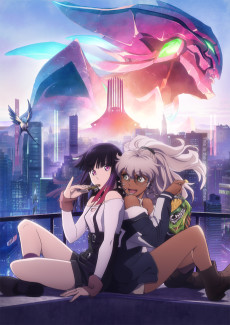
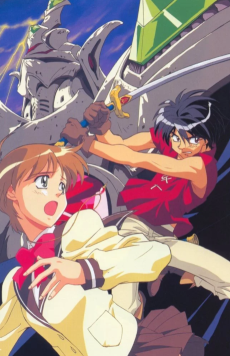
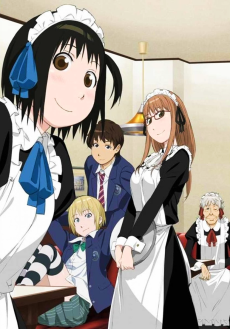
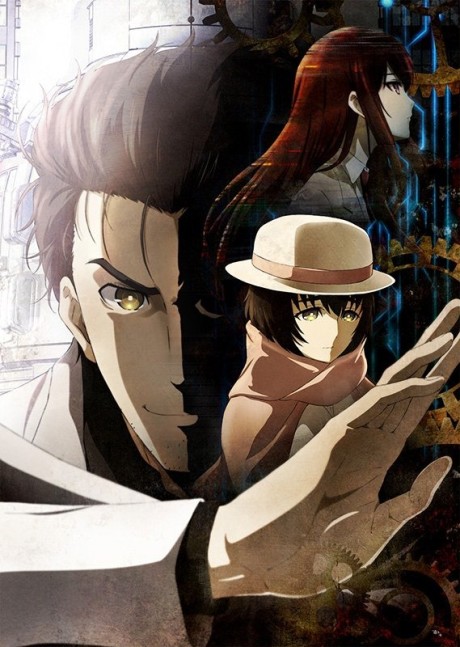
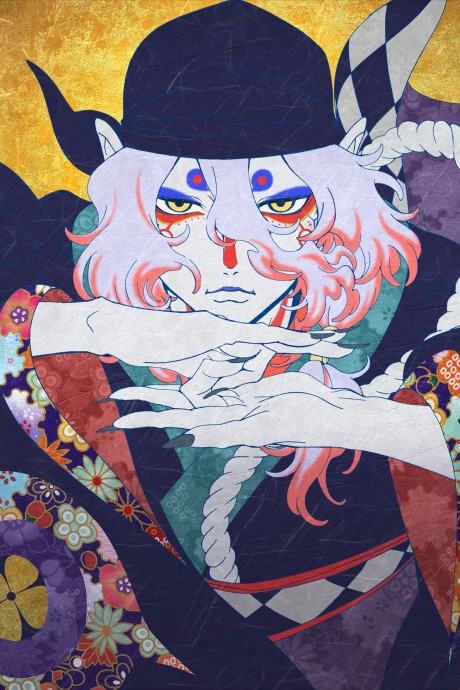
That same raw, unvarnished collapse lives in Dorohedoro Season 2, where bodies melt and re-knit without explanation, where magic isn’t arcane—it’s septic, oozing from cracked concrete and rusted pipes. Its shared dimension—Body Horror & Occult—isn’t about shock value. It’s about the horror of continuity: how something broken keeps moving, keeps breathing, even as it unravels. Like BioShock 2’s crashes, Dorohedoro’s grotesque transformations feel less like plot devices and more like physics failing in real time. Then there’s GOOD NIGHT WORLD, where neon bleeds into static, where digital ghosts whisper from corrupted servers and flesh glitches like bad render. Its Adult & Dark Seinen weight comes from refusing catharsis—just like BioShock 2’s ending doesn’t offer redemption, only responsibility, only the slow, wet drag of consequence. And Heaven’s Lost Property the Movie: The Angeloid of Clockwork? Don’t mistake its title for whimsy. That Cyberpunk & Dystopia lens frames its clockwork angels not as marvels, but as relics—beautiful, broken, ticking down in a city already buried. Its sci-fi isn’t about discovery. It’s about archaeology: digging up failed utopias, finding gears still turning in the dark.
This isn’t for the collector who wants flawless frame rates or the binge-watcher chasing dopamine spikes. It’s for the person who pauses mid-gameplay to stare at a flickering vending machine sign, wondering if it’s scripted—or if the game’s just tired. It’s for the viewer who watches Dorohedoro’s blood-soaked alleyways and feels relief, not revulsion, because at least the mess is honest. It’s for the one who rewinds GOOD NIGHT WORLD’s distorted lullaby three times, not to understand it—but to sit inside its unease until it stops feeling like intrusion and starts feeling like recognition. These pairings speak to those who find clarity in chaos, who trust beauty more when it’s frayed at the edges, who know that the most devastating stories aren’t told in perfect takes—but in the breathless, glitching space between them.
→144 Anime That Match the Vibe

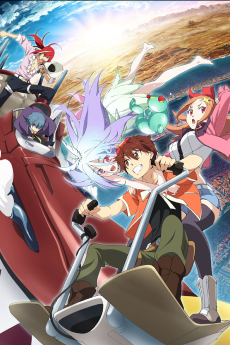
JP’s neon-drenched, gravity-defying drift through Redline’s orbital racetrack mirrors Subject Delta’s slow-motion plunge into Rapture’s flooded halls—both hurtling through decaying, high-tech spaces where speed and survival blur. Unlike most dystopias rooted in control, these worlds weaponize spectacle: Rapture’s crumbling Art Deco opulence and Redline’s hyper-saturated cosmic arena both embody 🌆 Cyberpunk & Dystopia as visceral, kinetic decay. That shared tension—between reckless velocity and inevitable collapse—makes their resonance unexpectedly poetic, not just aesthetic.

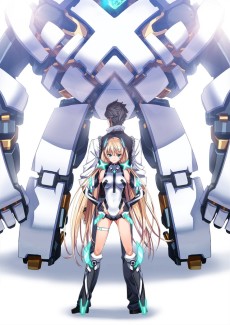
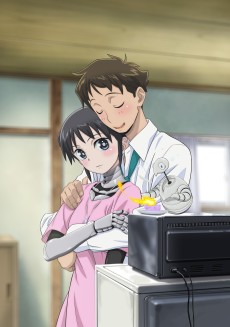
Rapture’s flooded halls and Kazane Hiyori’s clockwork heart both pulse with brittle, decaying grandeur—dystopia isn’t just backdrop but embodied trauma. Unlike most sci-fi pairings, this resonance lives in *mechanical vulnerability*: Subject Delta’s ADAM-corroded body mirrors Kazane’s ticking, self-sacrificial core in the film’s climax, where time itself fractures under emotional weight. Cyberpunk & Dystopia here aren’t aesthetic choices—they’re languages of lost agency, spoken in leaking pipes and unwinding gears.
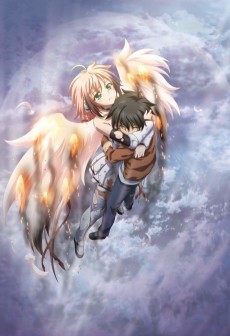
Both dive into neon-soaked futures where technology blurs the line between human and machine.
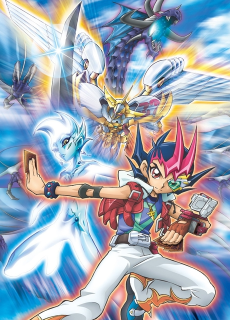
Both dive into neon-soaked futures where technology blurs the line between human and machine.

Both dive into neon-soaked futures where technology blurs the line between human and machine.
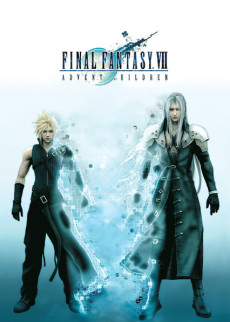
Rain slicks the decaying grandeur of Rapture’s flooded halls just as Midgar’s neon-drenched ruins pulse with geostigma’s violet decay. Where BioShock 2’s Eleanor Lamb grapples with inherited trauma and forced rebirth in a drowned cyberpunk dystopia, Advent Children’s Cloud confronts fragmented identity and ecological grief amid a world literally scarred by failed techno-salvation—both works weaponize sci-fi spectacle to expose how systems of control (ADAM, Shinra) mutate into bodily and psychic plague. This resonance feels urgent: dystopia isn’t backdrop—it’s wound, memory, and inheritance made visible.
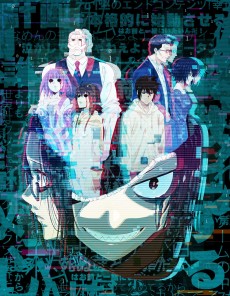
What if family bonds were both armor and infection? In *BioShock 2*’s crumbling Rapture, Subject Delta’s paternal drive warps through ADAM-fueled body horror—his very musculature reknits around Eleanor’s psychic imprint. Meanwhile, *GOOD NIGHT WORLD*’s Akabane Family fractures under the occult weight of their shared in-game identity, where “Planet”’s digital realm bleeds into psychological dissolution. Their resonance lives in that cyberpunk-dystopian tension: intimacy weaponized by systems that demand sacrifice, not salvation.
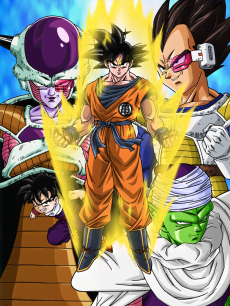
Rapture’s collapsing bathyspheres echo the shattered planet Namek—both spaces scream dystopian decay where science and hubris curdle into ruin. Unlike most sci-fi remasters, *Dragon Ball Z Kai*’s tighter pacing and manga-faithful arcs mirror *BioShock 2*’s laser focus on moral collapse in a cyberpunk hellscape. That shared tension—between godlike power and systemic rot—makes their resonance startlingly visceral, not just thematic.

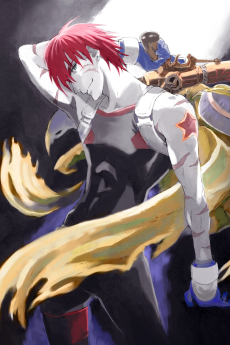
Caiman’s grotesque, ever-shifting face—peeling like wet plaster in Season 2’s Hole sewer tunnels—mirrors Subject Delta’s rusted, leaking Big Daddy suit, both embodiments of body horror fused with tragic agency. Where Rapture’s decaying Art Deco spires scream cyberpunk dystopia, Dorohedoro’s grime-caked, magic-scorched Hole mirrors that collapse of order—but with slapstick rot and bureaucratic occultism. That shared tension—between visceral decay and stubborn, darkly comic will—makes their resonance unnervingly precise, not just aesthetic but philosophical.

What if your soul were just a file corrupted by corporate firewalls? *BioShock 2*’s crumbling Rapture—where Little Sisters whisper through cracked glass and ADAM rewires identity—meets *Kaiba*’s memory-black-market dystopia, where bodies are rented and Kaiba’s fragmented self flickers across stolen neural archives. Both weaponize 🌆 Cyberpunk & Dystopia to dissect personhood: Sofia Lamb’s collectivist “family” ideology mirrors the Memory Bank’s erasure of individual continuity. Surprisingly, their shared dread isn’t of death—but of being *overwritten*.


























































![Fate/stay night [Heaven’s Feel] III. spring song](https://s4.anilist.co/file/anilistcdn/media/anime/cover/large/bx21719-MSdTlkno0Z0u.jpg)


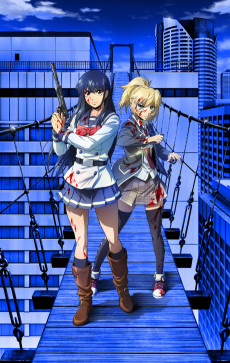
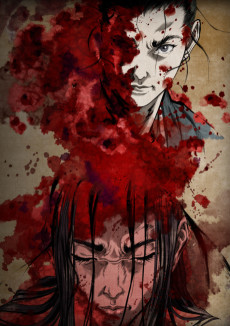


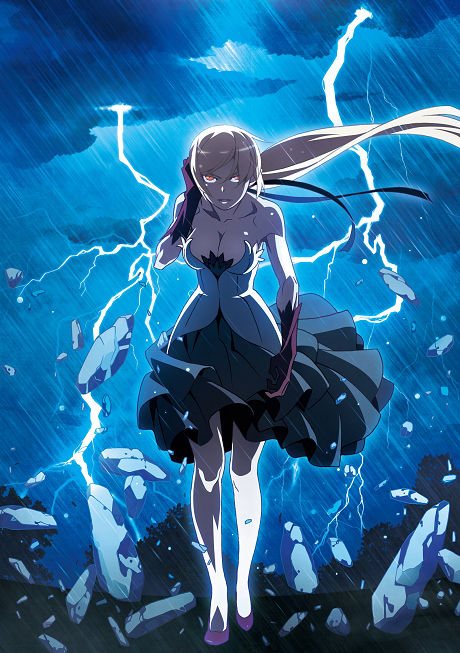
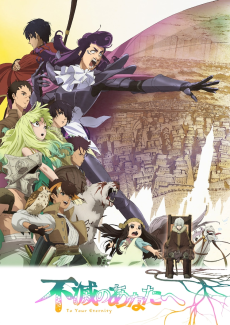
Match Dimensions Explained
❓Frequently Asked Questions
Why is Dorohedoro Season 2 compared to BioShock 2 despite the anime being set in a gritty, magic-infused wasteland instead of an underwater city?
It’s all about that visceral, decaying-body-horror vibe — like when Kuroh’s face literally melts off during the Hole’s experiments, or when En’s victims get turned inside-out by sorcery. Both BioShock 2 and Dorohedoro Season 2 weaponize grotesque transformation as moral consequence: Fontaine’s ADAM addiction mirrors the Hole’s reckless body-altering magic, and just like Subject Delta’s slow physical unraveling from Little Sister bonding, characters in Dorohedoro suffer irreversible, squishy, irreversible mutations from occult exposure.
Is there an anime adaptation of BioShock 2?
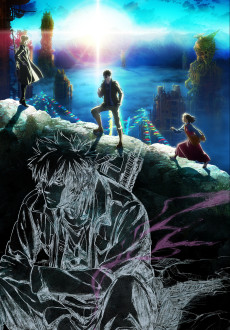
No — there’s zero official anime adaptation of BioShock 2 (or any BioShock game, for that matter). The closest you’ll get are spiritually aligned titles like GOOD NIGHT WORLD, where the protagonist wakes up in a fractured, memory-wiped dystopia crawling with biomechanical horrors — think of its ‘Cleansing’ sequences as Rapture’s crumbling halls reimagined through a dark seinen lens, complete with psychological erosion and forced identity resets.
How does Final Fantasy VII: Advent Children compare to Heaven’s Lost Property the Movie for BioShock 2 vibes?
Advent Children nails the tragic, high-stakes cyber-dystopia — Cloud’s Mako poisoning and Sephiroth’s ghostly reappearance mirror Subject Delta’s ADAM-corrupted physiology and Eleanor’s haunting voice echoes in his head. Heaven’s Lost Property the Movie leans harder into surreal sci-fi spectacle (like the Clockwork Angeloid’s reality-bending gears), but lacks BioShock 2’s oppressive moral weight — Advent Children’s rain-soaked Midgar ruins and infected Lifestream hallucinations hit closer to Rapture’s suffocating decay and guilt-ridden flashbacks.
What’s the best anime like BioShock 2 if I want that same feeling of being hunted while trying to protect someone fragile?
GOOD NIGHT WORLD — hands down. Like Subject Delta stalking corridors to rescue Little Sisters before they’re harvested, the protagonist races through shifting, hostile zones to shield the vulnerable ‘Nights’ from erasure. There’s even a direct parallel: when the main character physically *shatters* mid-chase to reform elsewhere, it echoes Delta’s plasmid-fueled, body-taxing sprints — both feel desperate, broken, and fiercely protective amid a world actively unmaking itself.