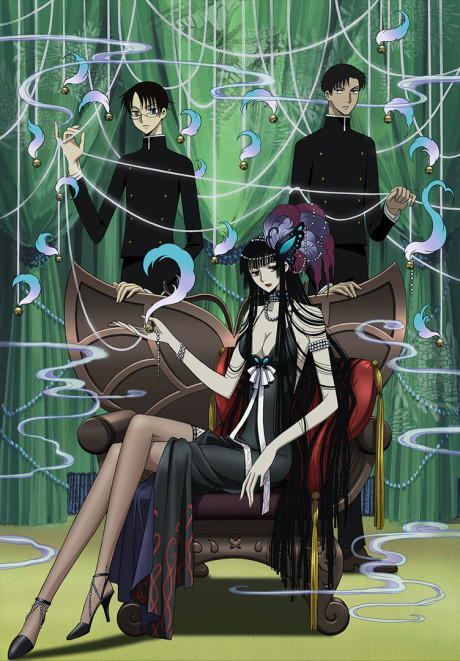
xxxHOLiC◆Kei
Still working to get his wish complete, Watanuki finds himself into more mess than he can handle when certain facts about his everyday life gets revealed and when he needs to learn the lesson of Yuuko the hard way.
(Source: Anime News Network)
📺Anime Details
📝Editorial Analysis
The fluorescent hum of the convenience store at 3 a.m., Watanuki standing barefoot on cold linoleum, staring at his own reflection in the glass door—except the reflection blinks after he does. Not a jump-scare. Not even a sound. Just that lag—a fractional, breathless delay—while the rain streaks the glass like wet ink and the streetlamp outside flickers once, long enough for the reflection’s mouth to stay open just a beat too long. That’s xxxHOLiC◆Kei: not horror as assault, but horror as recognition. As if the world has always been slightly out of sync, and you’ve only just noticed the seam.
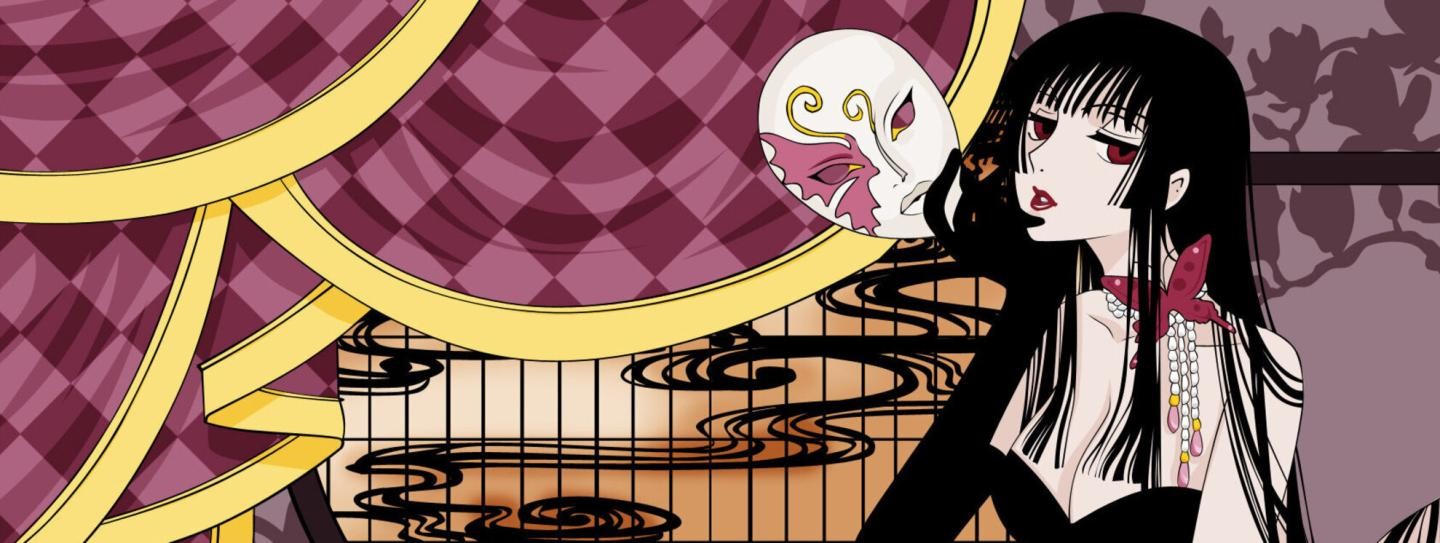
What makes it ache isn’t the curses or the youkai—it’s the weight of unpaid attention. Every stray glance at a shadow that holds its shape too long, every offhand comment from Yuuko that lands like a stone in the stomach, every time Watanuki tries to rationalize the irrational and the rational fractures instead. It’s the feeling of walking home past familiar alleys and realizing, with quiet dread, that familiarity itself is the first layer of a spell. You don’t fear the ghost—you fear the moment you stop questioning why the streetlights all go out at the same intersection, every night, and no one else mentions it. It’s urban loneliness, mythic exhaustion, psychological vertigo—not as plot devices, but as weather.
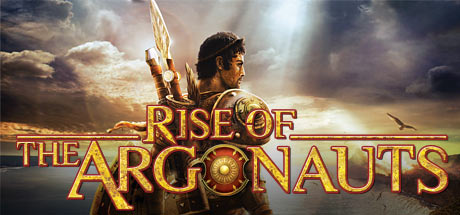
That emotional DNA pulses strongest in Rise of the Argonauts, where Jason doesn’t just grieve—he bargains with gods in the raw, unvarnished language of loss: “Restore her life.” The description says he “vowed to do anything”—and that anything isn’t heroic grandeur, but the hollow, grinding cost of obsession dressed as devotion. Like Watanuki trading years of service for a wish he can’t even name clearly, Jason’s quest isn’t about glory; it’s about the silence after the vow, the way myth presses down on flesh until your bones remember older names. A player review calls it “right” for ancient history—but what it gets right is how folklore doesn’t live in scrolls. It lives in the tremor of a man’s hand as he lifts a relic that hums with something older than grammar.
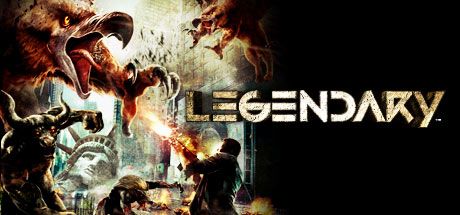
Then there’s Legendary, where myth isn’t studied—it’s leaking. Pandora’s Box isn’t metaphor; it’s a literal containment failure, and Deckard isn’t a chosen hero but a thief hired into a rupture. The description frames it as “creatures of ancient myth… sealed away… waiting.” That waiting—that pressure behind the walls—is pure xxxHOLiC◆Kei. Watanuki’s world isn’t haunted by monsters; it’s haunted by suppressed truths, by doors left ajar just long enough for something to lean through and whisper your real name. A player notes the “incredible” animations—but what’s unforgettable is the jank: the stuttering textures, the uncanny pauses, the sense that the game engine itself is straining under the weight of what it’s trying to hold. That’s the feeling of Yuuko’s shop: beautiful, precise, yet fundamentally unstable, like reality held together by lacquer and incense smoke.
Even DOOM + DOOM II, with its 1993 brutality, shares this core vibration—not in gore, but in ontological rupture. The description calls it a battle “for the amusement of an ancient alien race,” reducing human struggle to spectacle. That’s the chilling echo of Yuuko’s contracts: no malice, no rage—just cosmic indifference, where suffering is transactional, elegant, and utterly inescapable. A player recalls building a 486 with a Sound Blaster just to hear the demons scream—not for terror, but for proof: proof the world could still shock you awake. That same jolt lives in Watanuki’s realization that his “everyday life” was never his to begin with.
This pairing isn’t for fans of “cool powers” or “epic battles.” It’s for the person who watches Watanuki stir tea and feels their throat tighten—not because of what’s coming, but because of what’s already here, humming beneath the floorboards, folded into the receipt tape, waiting in the pause between heartbeats. It’s for the player who boots up Quake III Arena not for frags, but for the way the arena lights warp at the edges of the screen—like the world’s resolution is failing. For the one who reads “Adult & Dark Seinen” and thinks: Yes—not dark like blood, but dark like the space between streetlights, where things learn your rhythm.
🎮70 Games That Match the Vibe













Match Dimensions Explained
❓Frequently Asked Questions
Why does Rise of the Argonauts keep showing up in 'games like xxxHOLiC◆Kei' lists?
Because both lean hard into adult-toned Japanese folklore and spiritual consequences—like when Jason bargains with Hecate in a shadowy shrine scene mirroring Yuko’s shop, complete with ritualistic dialogue choices and karmic weight. The game’s ‘seinen’ vibe (scored 83 for Adult & Dark Seinen) matches xxxHOLiC◆Kei’s quiet dread and moral ambiguity far better than typical fantasy RPGs.
Is there a xxxHOLiC◆Kei anime or visual novel adaptation I can play?
No official anime or VN exists—but Legendary (79 score, Body Horror & Occult + Mythology & Folklore) captures that same 'ancient forces leaking into modern life' tension. Think Deckard opening Pandora’s Box just like Yuuko’s shop doors creaking open: eerie, lore-dense, and full of creatures that feel ripped from Shinto-Buddhist yōkai texts, not generic fantasy.
How does Jade Empire compare to Rise of the Argonauts for xxxHOLiC◆Kei fans?
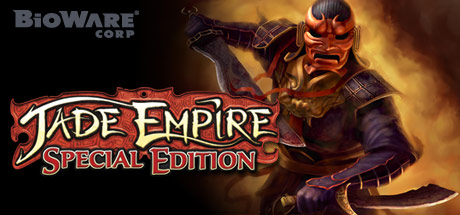
Jade Empire leans more into wuxia philosophy and martial-arts duality (Open Palm vs. Closed Fist), while Rise of the Argonauts mirrors xxxHOLiC◆Kei’s tone with its tragic, myth-bound protagonist—Jason’s grief-driven quest echoes Yuuko’s price-based magic system. Both score high on Mythology & Folklore, but only Rise nails the 'dark seinen' weight (83 vs. Jade Empire’s 68).
What’s the best xxxHOLiC◆Kei-like game if I want something atmospheric, slow-burn, and steeped in folklore—not action-heavy?
Rise of the Argonauts is your strongest match: its somber pacing, shrine-side dialogue scenes with gods who speak in riddles, and emphasis on consequence over combat (like choosing whether to appease Hermes or defy him) echo Yuuko’s shop conversations. Even player reviews call it ‘right’ for ancient-history lovers—exactly the grounded-yet-mystical texture xxxHOLiC◆Kei fans crave.