Stubbs the Zombie in Rebel Without a Pulse
Be the Zombie. Kick A** and Take Brains.
🎮Game Details
💬What Players Say
"I have always loved this game. Owned it on console back in the day and i was ecstatic to see a remaster for pc. This game is worth every penny...."
"One of the best original xbox titles and still pulsing with fun"
"This is the tuffest game of all time"
📝Editorial Analysis
You’re sprinting down a sun-bleached, mid-century American street—sweat-slicked pavement cracking underfoot—not as a hero, not as a survivor, but as Stubbs, barefoot, gutted, one arm dangling by sinew, the other gripping a flaming traffic cone like it’s a birthright. Your jaw hangs loose, but you’re laughing. Not a groan, not a snarl—actual, wet, unhinged laughter, bubbling up from somewhere deep in your hollow chest. You lunge, teeth snapping shut on a screaming office worker’s temple—and pop: brain gone, replaced by pure, giddy momentum. That’s the game’s heartbeat: “Be the Zombie. Kick A and Take Brains.”* Not horror. Not tragedy. Celebration. Player Review 2 nails it: “still pulsing with fun…”—not despite the decay, but because of it. And Review 3? “This is the tuffest game of all time…”—yes, the difficulty isn’t punitive; it’s ritualistic*, like stubbing your toe on reality itself and grinning through the blood.
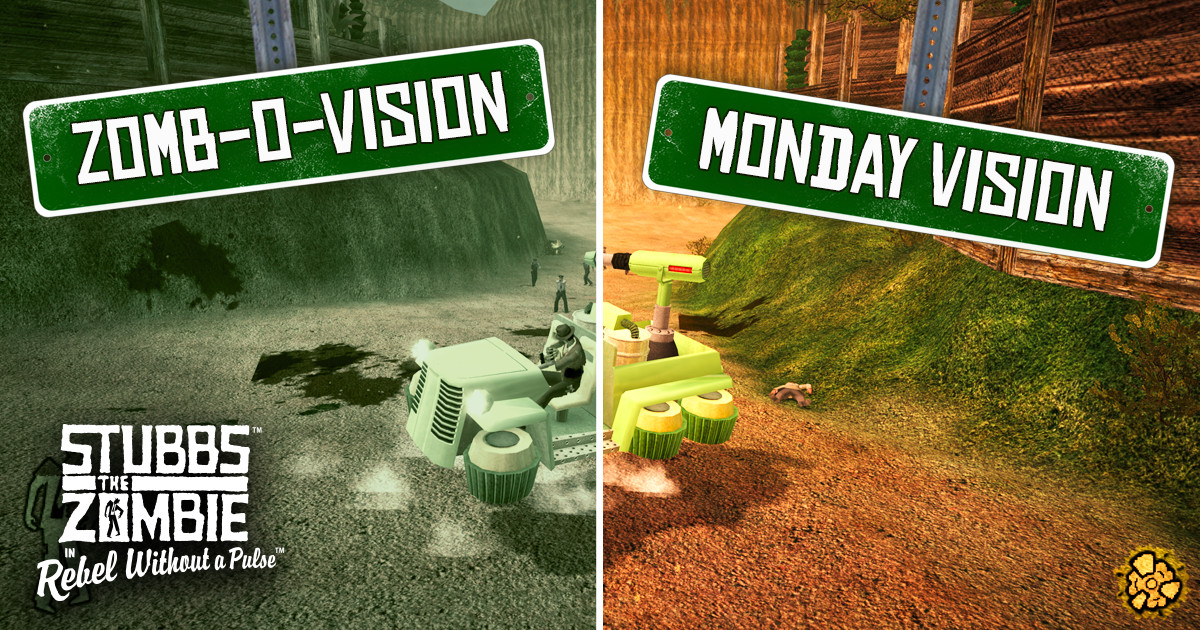
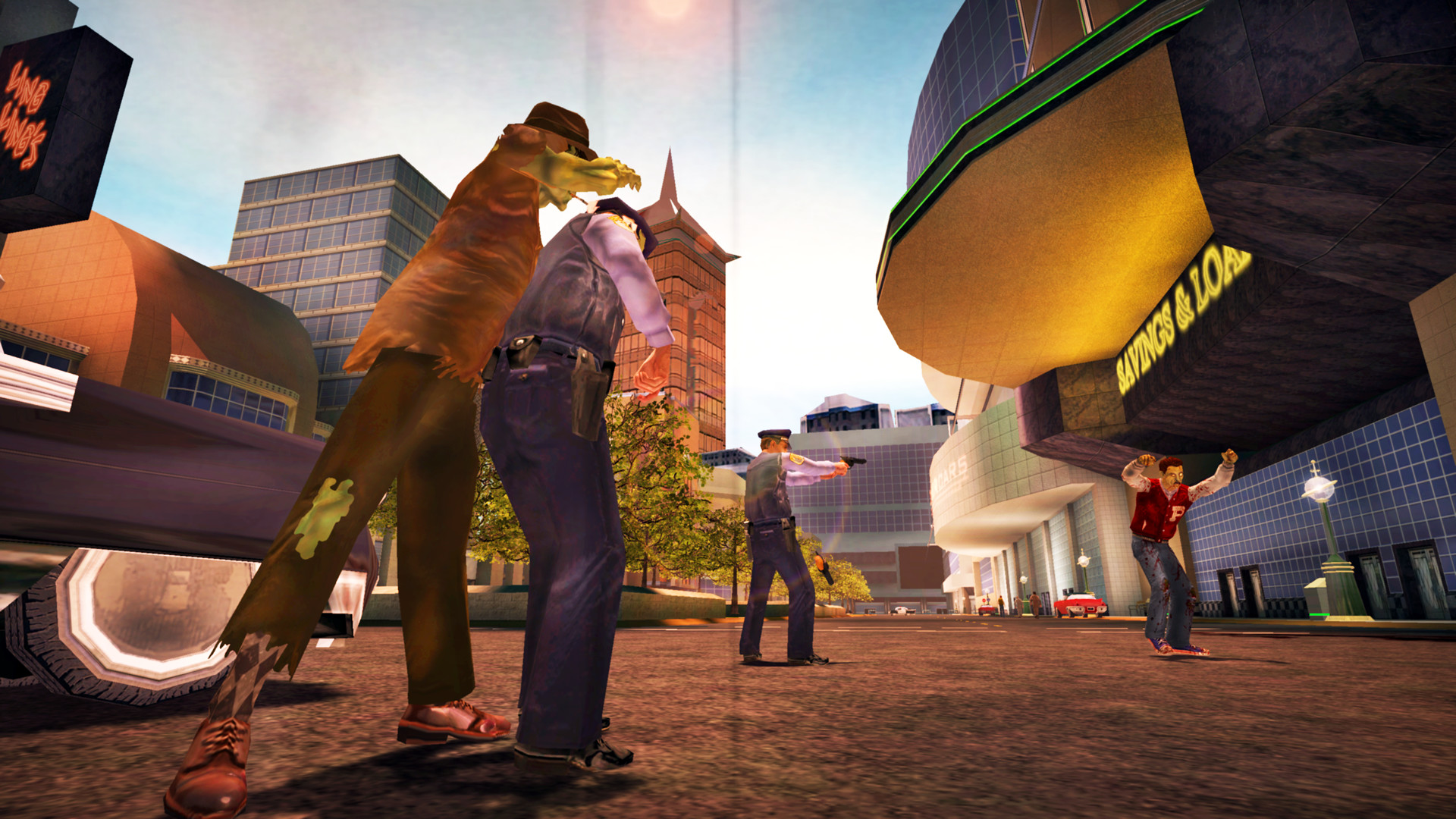
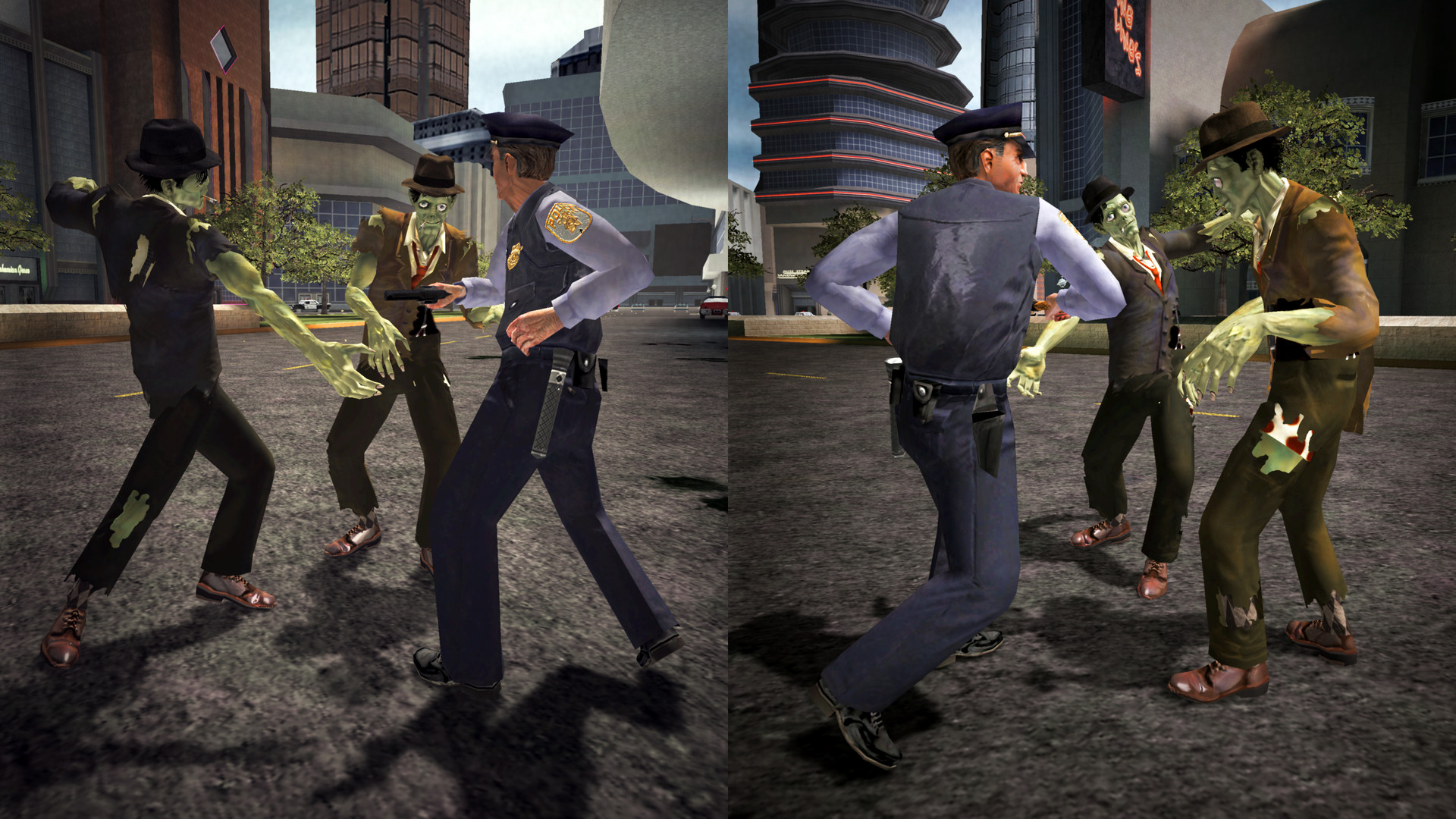
What makes Stubbs the Zombie in Rebel Without a Pulse vibrate at this frequency isn’t its satire or its B-movie premise—it’s the tonal whiplash that never resolves. It doesn’t mock the 1950s; it inhabits them with zombie logic, where consumerism, conformity, and nuclear anxiety aren’t metaphors—they’re physics. A man in a polyester suit doesn’t scream when his face melts off; he keeps adjusting his tie. The world doesn’t collapse into chaos—it reboots, slightly more absurd, slightly more viscous. You feel liberated, yes—but also exposed, like your own nervous system has been peeled back and handed a kazoo. There’s no dread of death, because you’re already dead. No fear of loss, because you’ve lost everything and kept dancing. That’s the feeling: unmoored euphoria, thick with irony, sticky with gore, humming with something dangerously close to joy.
That emotional DNA—body horror fused with slapstick, occult logic treated as mundane, parody that cuts deeper than sincerity—pulses strongest in Mob Psycho 100 III. Here, Mob’s psychic outbursts don’t just shatter buildings—they liquefy limbs, invert organs, stretch faces into impossible grins while characters deliver deadpan punchlines about lunch schedules. Like Stubbs tearing through a suburban cul-de-sac, Mob’s power isn’t tragic; it’s embarrassingly abundant, grotesque and hilarious in equal measure—both works treat bodily violation as a comedic tempo change. Then there’s Paprika, where dream logic dissolves skin, swaps heads, and turns corporate boardrooms into writhing flesh-scapes—all scored with jaunty jazz and delivered with the calm of a weather report. Its body horror isn’t punishment; it’s navigation, just as Stubbs navigates a world where severed hands still type memos and zombies get promoted for high brain-yield quotas. And Hanamonogatari, with its rotting, sentient flower petals crawling up a girl’s spine while she debates philosophy over tea—same energy: the uncanny isn’t threatening, it’s conversational, intimate, weirdly tender beneath the slime.
Who lives for this? Not just fans of gore or jokes—but people who recognize the relief in absurdity when reality feels flimsy. The ones who laughed when their phone died mid-crisis, who hummed in the ER waiting room, who find solidarity in shared, ridiculous vulnerability. They’re the readers who dog-ear pages of Monogatari novels not for answers, but for the way Araragi stumbles through trauma with snack cake in hand. They’re the players who replay Stubbs’ mall level—not for mastery, but to watch a zombie in a poodle skirt waltz with a severed head before hurling it into a fountain. They don’t want catharsis. They want communion: the kind that happens when your guts are hanging out, your laugh is too loud, and the world blinks back—not in horror, but in recognition. That’s where Stubbs meets Mob, meets Paprika, meets Hanamonogatari: in the warm, sticky, glorious mess of being unkillably, unapologetically alive—even when you’re technically, undeniably, dead.
→44 Anime That Match the Vibe

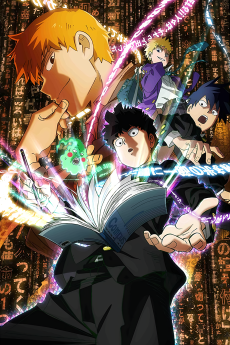
Stubbs’ gory, slapstick brain-harvesting—like ripping a cop’s skull open to wear it as a hat—mirrors Mob Psycho 100 III’s divine tree cult: grotesque body horror warped into absurdist satire. Where Mob’s psychic explosions fracture reality with escalating dread, Stubbs’ decaying limbs reattach mid-leap—both weaponize 🖤 Adult & Dark Seinen irony to undercut spiritual awe with visceral, hilarious rot. That contrast—sacred spectacle vs. shambling farce—makes their shared occult-comedy tension unexpectedly profound.
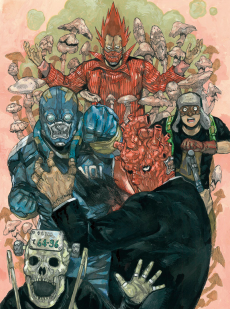
The body as a site of transformation and terror — both push physical boundaries.

Stubbs’ gory, slapstick brain-harvesting—like ripping a cop’s skull open to wear it as a helmet—mirrors Paprika’s surreal dream-logic where identities liquefy and bodies warp into carnival grotesques. Where Stubbs weaponizes body horror & occult absurdity for anarchic comedy, Paprika’s movie-length plunge into collective unconsciousness treats the same dimensions as psychological thriller fuel. This pairing is electrifying: dark seinen humor becomes a shared language of rebellion—against control, sanity, even anatomy itself.

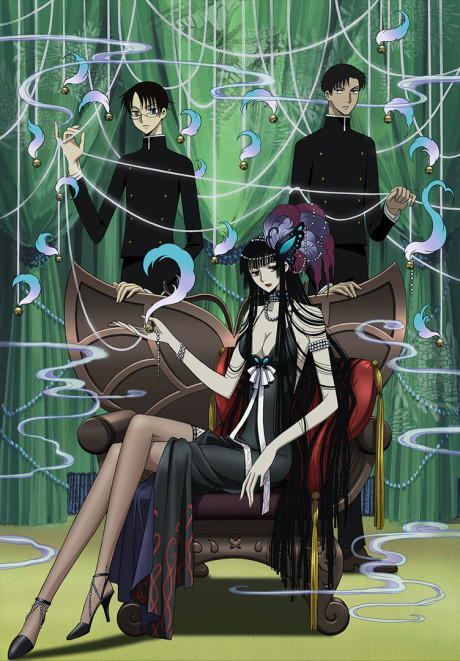
Stubbs tearing through a 1950s utopia while his own limbs detach mid-rampage mirrors Suruga Devil’s grotesque, self-consuming obsession—where body horror isn’t spectacle but psychological erosion made flesh. Unlike most comedies that soften their darkness, *Hanamonogatari*’s second season weaponizes absurdity: Suruga’s cursed hand and Stubbs’ regenerating torso alike parody control, turning bodily violation into darkly comic rebellion. This mutual embrace of **Body Horror & Occult** as existential farce feels startlingly coherent—zombie satire and teenage supernatural trauma converging on the same nerve.
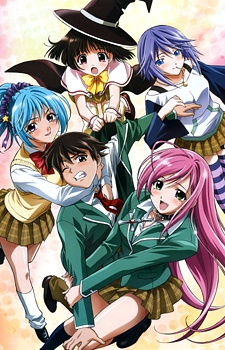
The body as a site of transformation and terror — both push physical boundaries.

The body as a site of transformation and terror — both push physical boundaries.
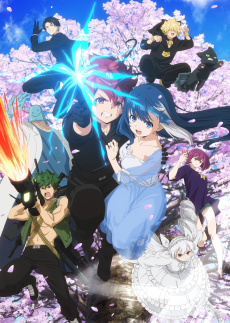
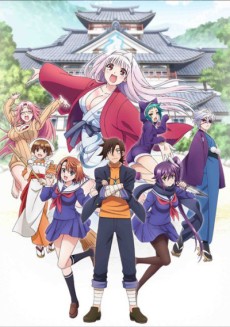
Stubbs tearing off his own arm to bludgeon a foe mirrors Taiyou’s flustered self-erasure when Mutsumi casually deploys spy tech mid-conversation—both weaponize bodily disintegration as punchline. Where Stubbs’ reanimated absurdity leans into Body Horror & Occult, *Mission: Yozakura Family* reroutes that same grotesque elasticity into romantic-comedic panic, like Mutsumi’s father dissolving into smoke during PTA night. That shared commitment to turning violation into levity feels thrillingly subversive—not campy distraction, but structural satire of control itself.

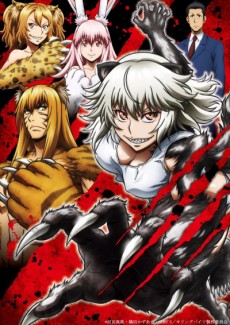
Stubbs tearing through a 1950s Pennsylvania suburb—limbs flying, brains siphoned mid-scream—mirrors Karen Bee’s grotesque transformation when her “fake vampire” facade ruptures into real fangs and bloodlust. Where Stubbs weaponizes Body Horror & Occult as slapstick catharsis, Nisemonogatari’s Karen arc twists that same dimension into psychological farce: her desperate performance of monstrosity exposes how identity itself is a parody we chew up and spit out. That shared, queasy laughter—dark, self-aware, gloriously unmoored from consequence—is what makes their collision so electric.

The body as a site of transformation and terror — both push physical boundaries.
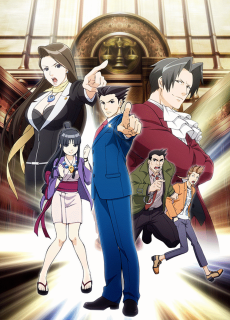
The body as a site of transformation and terror — both push physical boundaries.

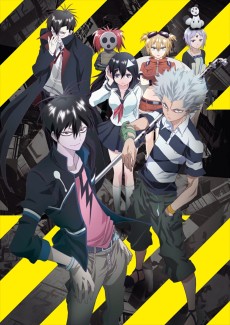
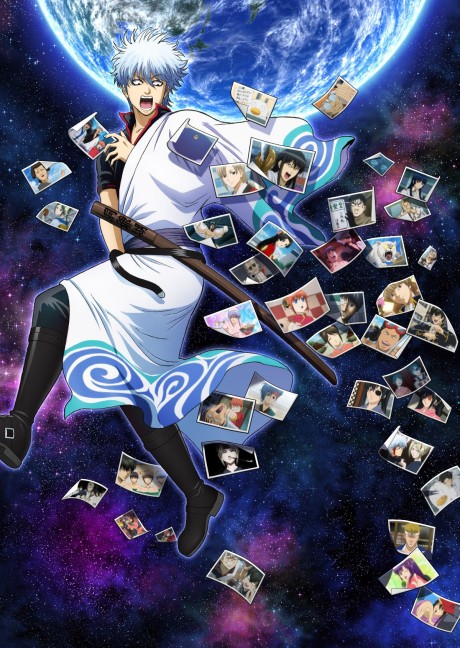
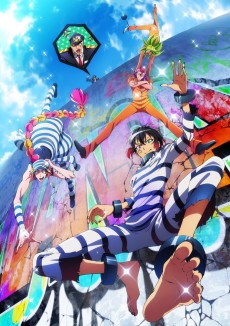
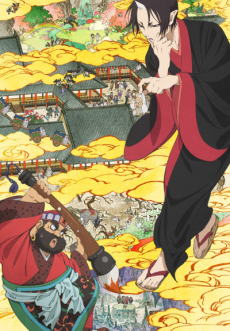




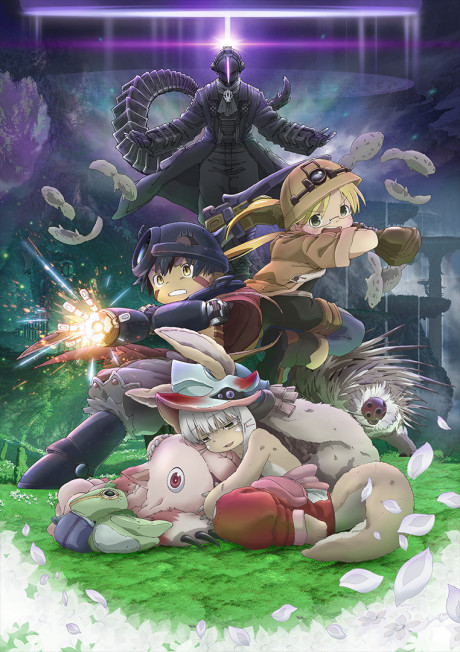
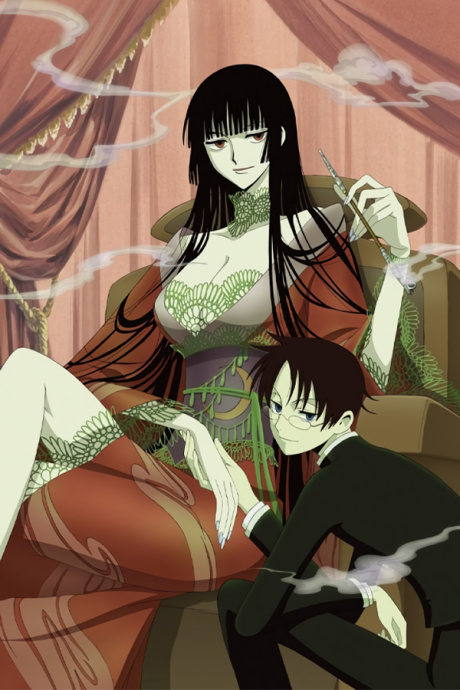
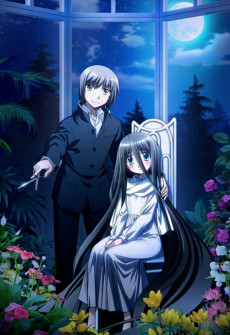


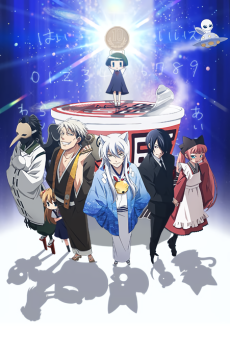
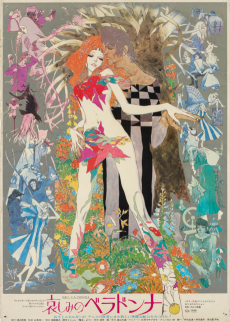




Match Dimensions Explained
❓Frequently Asked Questions
Why is Mob Psycho 100 III considered similar to Stubbs the Zombie?
Because both lean hard into absurd, over-the-top body horror with comedic timing—like when Mob’s limbs explode mid-rage or Stubbs rips his own arm off to fling it like a boomerang. The shared ‘Adult & Dark Seinen’ vibe means they don’t shy away from grotesque visuals (rotting flesh, psychic gore) while keeping the tone irreverent and self-aware.
Is there an anime adaptation of Stubbs the Zombie in Rebel Without a Pulse?
Nope—Stubbs the Zombie has never been adapted into an anime. But if you love its blend of zombified chaos and dark satire, Mob Psycho 100 III and Hanamonogatari nail that same energy: think Reigen’s scammy charisma meets Stubbs’ deadpan one-liners, or Nadeko’s eerie transformations echoing Stubbs’ gory, physics-defying dismemberment.
How does Paprika compare to Hanamonogatari for Stubbs the Zombie fans?
Both dive deep into surreal, dream-logic body horror—but Paprika leans more into psychedelic espionage (like the parade scene melting reality), while Hanamonogatari fixates on visceral, intimate decay (Nadeko’s snake-infested limbs, her slow unraveling). If Stubbs’ ‘kick ass and take brains’ chaos feels like a fever dream, Paprika’s the trippy heist; Hanamonogatari’s the haunting, quiet rot beneath it.
What’s the best anime like Stubbs the Zombie for fans who love its ‘no microtransactions, no cheaters, just pure chaotic fun’ energy?
Mission: Yozakura Family—it’s got that same unapologetic, high-octane silliness: Satsuki literally punches through walls while juggling ninja politics and snack breaks, mirroring Stubbs’ relentless, rules-light rampage. No filler, no paywalls, just tight action, sharp parody, and zero hand-holding—just like the original Xbox gem reviewers called ‘pulsing with fun’.