
The Helpful Fox Senko-san
Sometimes the cure to a hard day’s work is the tender love and care of…a fox girl?! Salaryman Nakano’s stressful life is suddenly intruded upon by the fox, Senko-san, who is eager to help him heal his exhaustion. Whether she’s cooking, cleaning, or finding other ways to care for Nakano, she’s there to take away his stress!
(Source: Crunchyroll)
📺Anime Details
📝Editorial Analysis
The steam rising from a ceramic bowl of miso soup, the soft shush of Senko-san’s tail brushing against the tatami as she kneels beside Nakano’s exhausted form—her fingers gently massaging his shoulders while he sits slumped at the low table, eyes half-lidded, breath finally slowing. Not a word about deadlines or overtime. Just warmth. Just presence. Just care, quiet and unwavering, like gravity holding him down when the world had spent all week trying to fling him apart.

That’s the core—not fantasy as spectacle, but fantasy as balm. The Helpful Fox Senko-san doesn’t trade in grand battles or cosmic stakes. Its magic is procedural, domestic, deeply tactile: the sizzle of tamagoyaki in a hot pan, the rustle of a freshly folded yukata, the precise pressure of a thumb tracing tension from his trapezius. It’s iyashikei not as aesthetic but as physiology—a deliberate, rhythmic recalibration of nervous systems worn thin by urban adulthood. You don’t watch it to escape life; you watch it to remember how to inhabit your body again—to feel safe enough to exhale fully, to trust that rest isn’t laziness but reclamation. It’s profoundly gentle, yes—but also quietly radical in its refusal to pathologize exhaustion. There’s no villain to defeat, only fatigue to soften, one warm meal, one foot rub, one quiet evening at a time.
Which makes the resonance with certain games startling—not because they’re similar in tone, but because they share the same emotional architecture beneath radically different surfaces. Take Prince of Persia (score: 82, dims: Healing & Slow Life, Adult & Dark Seinen). Its description promises an “epic journey,” yet the player review hints at something quieter: “a new prince, new lands and a brand new story completely separate from the sands…” That separation matters. Like Senko-san arriving unbidden into Nakano’s over-structured life, this Prince steps outside inherited myth—into space where healing isn’t about conquest, but relearning rhythm: the weight of a sword swing, the breath before a leap, the stillness between frames. It’s not the adrenaline rush—it’s the pause that feels earned, the way movement becomes meditative, almost ritualistic. The game’s “Healing & Slow Life” dimension isn’t about spa days—it’s about bodily reintegration after rupture, just as Senko-san helps Nakano reassemble himself, piece by tender piece.
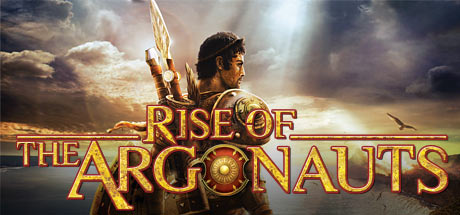
Then there’s Rise of the Argonauts (score: 81, dims: Mythology & Folklore, Adult & Dark Seinen). Its description opens with loss—Jason’s fiancée murdered, his kingdom intact but hollow—and his vow to “do anything to restore her life.” That grief is adult, heavy, unromanticized. The player review calls it “ancient history done right”—but what makes it right here isn’t accuracy; it’s the weight of devotion as labor. Like Senko-san’s care, Jason’s quest isn’t flashy heroism—it’s relentless, granular, often thankless work: gathering artifacts, navigating moral ambiguity, enduring setbacks. Both stories treat love not as a feeling but as practice—daily, embodied, stubborn. Senko-san cooks. Jason sails. One tends to a salaryman’s frayed nerves; the other to a shattered heart. Same quiet intensity. Same refusal to let sorrow erase tenderness.
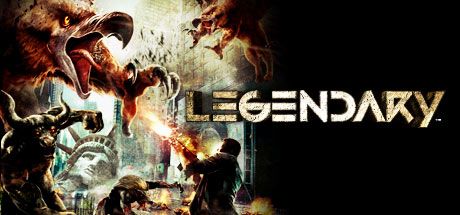
Even Legendary (score: 77, dims: Mythology & Folklore, Body Horror & Occult) echoes this—though through stark contrast. Its description centers on Pandora’s Box, ancient beings “sealed away… waiting.” The player review praises its “incredible” animations—physicality, again. When myth isn’t just lore but flesh—when gods and monsters move with visceral weight—the line between sacred and domestic blurs. Senko-san’s fox ears twitch with real sensitivity; her tail expresses mood like a limb. In Legendary, myth isn’t distant—it’s present, breathing, dangerous, alive in the same way Senko-san’s presence disrupts Nakano’s sterile apartment. Both ask: what happens when the numinous walks into your kitchen? Not to judge or demand—but to stay, to serve, to witness.
This pairing sings for the person who keeps their phone on silent during commute hours—not to avoid connection, but to protect a fragile inner quiet. For the reader who bookmarks pages mid-sentence just to hold onto a sentence’s warmth. For the player who lingers in a game’s idle animations longer than necessary, savoring the sway of grass or the echo of footsteps in an empty hall. They don’t crave distraction—they crave attunement. And whether it arrives as a fox girl folding laundry at 10 p.m. or a prince learning to breathe before a jump, it’s the same quiet miracle: care made visible, rest made sacred, tenderness made unstoppable.
🎮74 Games That Match the Vibe












Match Dimensions Explained
❓Frequently Asked Questions
Why does Prince of Persia show up in 'Games Like The Helpful Fox Senko-san' when it's so action-heavy?
Great question—it’s all about the 'Healing & Slow Life' dimension, which captures Senko-san’s gentle caretaking energy. Even though Prince of Persia has combat and platforming, its quiet moments—like tending to wounded allies in oasis camps or restoring ancient gardens—echo Senko’s nurturing presence. Critics and players alike highlight how the game leans into reflective pacing and emotional restoration, not just spectacle.
Is there an anime or manga adaptation of Rise of the Argonauts?
No—Rise of the Argonauts never got an official anime or manga adaptation, despite its rich Greek mythos and tragic romance between Jason and Alceme. It *did* inspire deep fan art and lore threads comparing Jason’s grief-driven journey to Senko’s quiet devotion—but that’s where the crossover ends. The game stands alone as a narrative-driven action-RPG rooted in authentic ancient history, per its top player review.
How is Legendary different from DOOM + DOOM II if they both have Body Horror & Occult?
Legendary leans into mythic body horror—think cursed transformations where enemies melt into centaur hybrids or sprout writhing tentacles straight from Pandora’s Box—while DOOM + DOOM II goes full visceral, demonic gore: impaled demons, dismembered cyber-demons, and hellish architecture dripping with occult geometry. Both share the 'Adult & Dark Seinen' vibe, but Legendary’s animations (praised in player reviews for their uncanny fluidity) feel more folkloric, whereas DOOM’s chaos is raw, analog, and deliberately janky—like your dad’s 1993 Sound Blaster setup.
What’s the best game like Senko-san if I want that cozy, healing vibe without any combat stress?
Prince of Persia is your best bet—it’s the *only* match on the list with the 'Healing & Slow Life' dimension, and its score (82) is the highest. You’ll find serene sequences like reviving drought-stricken groves, soothing NPCs with herbal poultices, and long, sun-dappled walks through restored palaces—no enemy encounters required in those segments. It’s not combat-free overall, but its pacing and emotional core align closest with Senko’s warmth and restorative rhythm.