Master Levels for Doom II
🎮Game Details
💬What Players Say
"7/10"
📝Editorial Analysis
The first time you round a corner in Master Levels for Doom II and the floor drops—not into a pit, but into pulsing flesh, veined and wet, breathing beneath your boots—you don’t flinch. You brace. That’s the moment the official description sinks in: “acid drenched, hell spawned horror”—not metaphorical, not stylized, but textural, immediate, inescapable. There’s no cutscene, no exposition, just your boot sinking slightly into something that shouldn’t be structural—and then the shriek of a Lost Soul tearing from a wall that wasn’t there a second ago. One player put it plainly: “7/10…”—not a dismissal, but a breath held mid-scream, trailing off because the game doesn’t let you finish thoughts. It replaces cognition with reflex, dread with motion, light with absence. You might as well forget about seeing the light of day ever—not as hyperbole, but as environmental law.
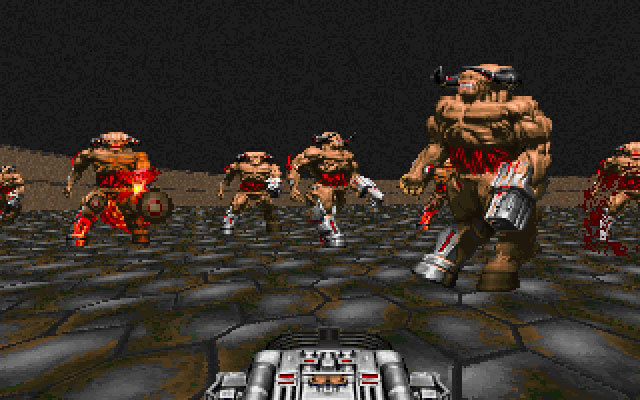
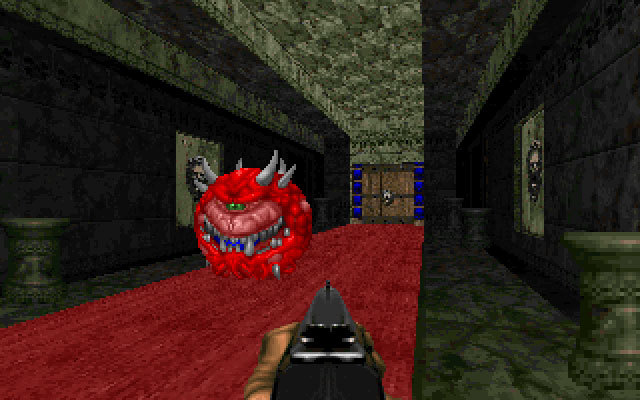
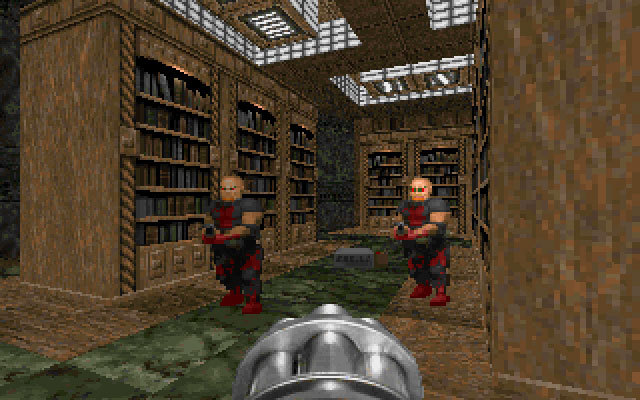
What makes this collection vibrate differently from even the original Doom II isn’t just harder enemies or tighter corridors—it’s the weight of violation. These aren’t levels you navigate; they’re membranes you rupture. Every texture feels unwillingly alive: rust isn’t decay—it’s scabbing metal; fog isn’t atmosphere—it’s exhalation; lighting doesn’t illuminate—it leeches. The horror isn’t jump-scare suddenness, but the slow, nauseating realization that nothing here is inert. Walls breathe. Floors digest. Ceilings watch. And because each level was forged by independent designers under id’s “demented” supervision, the unease isn’t consistent—it mutates. One corridor might feel like walking through a gutted cathedral; the next, like crawling down a spinal column slick with bile. It’s not fear of death—it’s fear of assimilation. Of becoming part of the architecture. Of forgetting your own boundaries.
That same visceral erosion of self pulses through DAN DA DAN, where cosmic forces don’t just invade—they reconfigure. A body contorts not from injury, but from dimensional slippage: limbs elongate, eyes split, skin peels back to reveal constellations—not as spectacle, but as violation of scale and form. Its Body Horror & Occult dimension isn’t decorative; it’s ontological. Like stepping into a Master Level, you’re never sure if the threat is external—or if your own nervous system has begun rerouting itself to hell’s frequency.
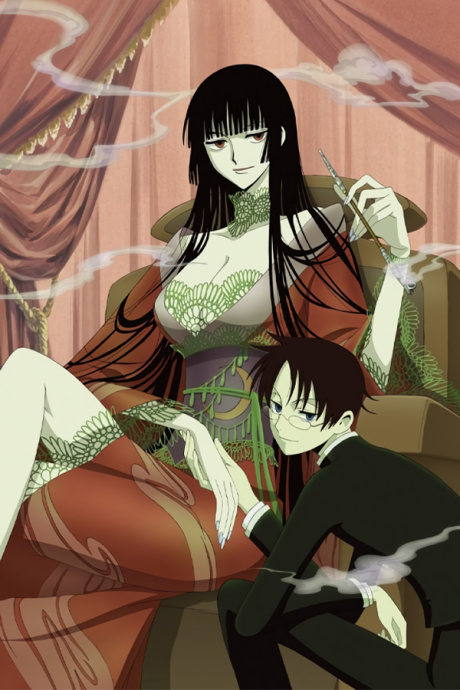
Then there’s xxxHOLiC◆Kei, where every doorway is a wound in reality, and every contract leaves a residue on the skin. The horror lives in quiet moments: a teacup refilling with something viscous, a reflection blinking out of sync, a hand briefly translucent with embedded sigils. Its Adult & Dark Seinen gravity means consequences aren’t punished—they settle, like sediment in the bones. Just as Master Levels denies daylight not as a gimmick but as a psychological lock, xxxHOLiC◆Kei denies closure—not through plot, but through texture: the lingering chill of a spirit’s breath on your neck long after it’s gone, the way a single hairline crack in a mirror keeps widening between scenes.
And Made in Abyss: Dawn of the Deep Soul—where descent isn’t vertical, but biological. The sixth layer doesn’t just kill you; it rewrites your metabolism, your memory, your sense of time. That scene where Nanachi’s fur grows backwards, each strand curling toward the abyss’s core? Not symbolism. It’s architectural logic: the deeper you go, the more your body obeys the rules of the place, not your own. Like a Master Level’s acid-drenched walls, the Abyss doesn’t hate you—it incorporates. Its Body Horror & Occult isn’t shock—it’s surrender, rendered in trembling animation and suffocating silence.
This isn’t for players who want mastery. It’s for those who crave sensory erosion: people who replay the same 30-second segment of Mob Psycho 100 II just to watch Reigen’s face unspool mid-lie—not for comedy, but for the micro-tremor of self-betrayal; fans of Malevolent Spirits: Mononogatari who linger on the way a possessed shrine maiden’s fingernails blacken at the cuticle before the first scream, because the horror lives in the threshold, not the eruption. They’re the ones who don’t pause the game when the floor breathes—they lean in, pulse syncing to its rhythm, waiting for the moment their own heartbeat starts sounding too much like the hum of a distant generator in a ruined temple. They don’t seek escape. They seek resonance—the rare, shivering alignment where a pixelated wall and an ink-washed spine whisper the same truth: you are already inside the thing that hungers.
→28 Anime That Match the Vibe
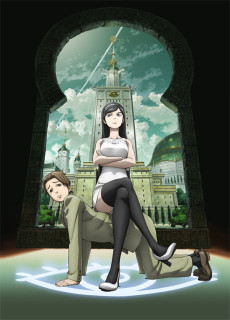
The body as a site of transformation and terror — both push physical boundaries.

The body as a site of transformation and terror — both push physical boundaries.

The body as a site of transformation and terror — both push physical boundaries.

The body as a site of transformation and terror — both push physical boundaries.

Momo’s spirit-medium family altar—cluttered with talismans and flickering candles—feels like a direct descendant of the Master Levels’ crumbling gothic churches, where body horror erupts from occult geometry. Unlike most sci-fi hybrids, both weaponize visceral transformation: Okarun’s unstable alien fusion mirrors the game’s grotesque imp-to-demon metamorphoses, grounding cosmic dread in squelching, tactile horror. This shared commitment to *Body Horror & Occult* makes their collision of sacred ritual and violent mutation startlingly coherent—not nostalgic, but freshly unnerving.

The body as a site of transformation and terror — both push physical boundaries.
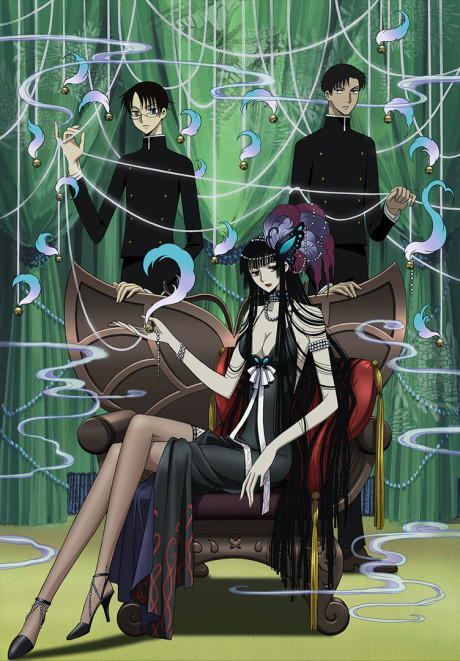
Watanuki’s trembling hands—suddenly translucent, veins pulsing like exposed circuitry—mirror the visceral dread of navigating Master Levels’ claustrophobic, flesh-walled corridors where walls *breathe*. Unlike most psychological horror, both weaponize Body Horror & Occult not for shock but as structural logic: Yu’s lessons unfold through anatomical uncanny, just as Master Levels’ architecture warps reality via grotesque, biomechanical set-pieces. That shared commitment to dark, adult disorientation—where perception itself decays—is what makes their resonance so unnervingly precise.

The body as a site of transformation and terror — both push physical boundaries.
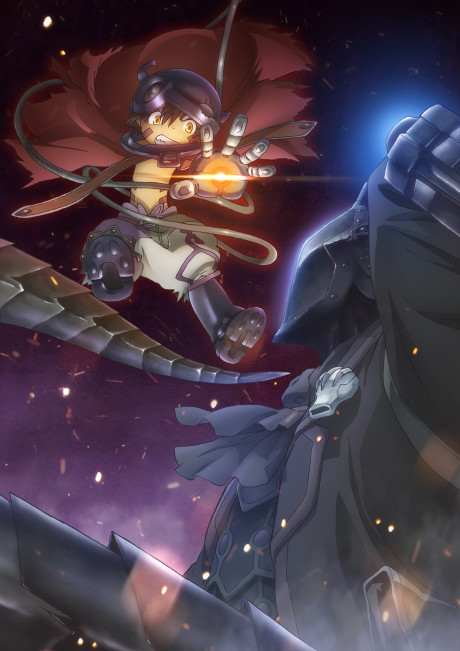
The grotesque, fleshy corridors of the Master Levels’ “The Gloom” map—where walls pulse and enemies mutate mid-fight—echo the Sea of Corpses’ visceral body horror as Nanachi’s fragmented memories unravel in *Dawn of the Deep Soul*. Unlike most dungeon crawlers or fantasy epics, neither flinches from the occult weight of irreversible transformation: Reg’s deteriorating body and the game’s cursed artifacts both treat corruption as intimate, inevitable, and tragically beautiful. This dark seinen resonance isn’t just tonal—it’s structural, binding abyssal descent to level progression through escalating, embodied dread.

The body as a site of transformation and terror — both push physical boundaries.


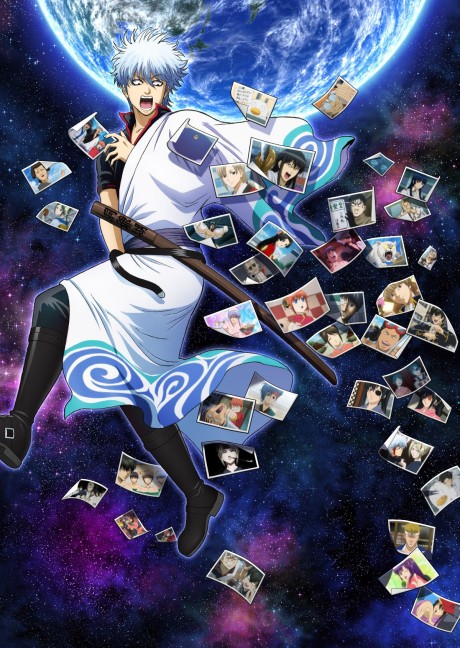


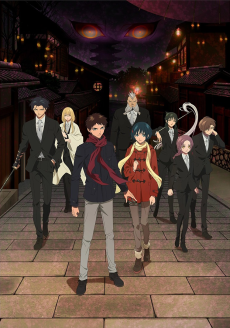





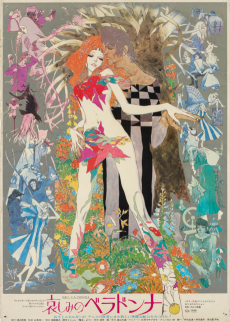


Match Dimensions Explained
❓Frequently Asked Questions
Why does DAN DA DAN match Master Levels for Doom II so well?
It’s all about that acid-drenched body horror—like when Momo’s arm mutates into a writhing, biomechanical tentacle during the Kappa fight, or the way the alien parasites twist human anatomy like a corrupted WAD file. The occult sci-fi vibe hits the same nerve as MLII’s hellspawned architecture: both weaponize cosmic dread with zero hand-holding.
Is there an anime adaptation of Master Levels for Doom II?
Nope—no official anime exists, but the closest spiritual adaptation is xxxHOLiC◆Kei: its cursed artifacts, ink-black voids, and Yuuko’s decaying shop mirror MLII’s oppressive atmosphere and id’s ‘supervised by demented minds’ ethos. You’ll feel that same suffocating weight in Episode 4’s basement ritual scene, where reality peels like corrupted texture mapping.
How does Made in Abyss: Dawn of the Deep Soul compare to Mob Psycho 100 II for MLII vibes?
Both nail the ‘acid-drenched horror’ dimension, but Made in Abyss leans harder into MLII’s environmental dread—the Curse of the Abyss warping bodies like a corrupted DOOM II save file (think Nanachi’s spider-form or Bondrewd’s flesh-cogs), while Mob Psycho 100 II mirrors the sudden, chaotic enemy surges (like the Dendro-Entity swarm in Ep 13) that hit like a surprise Arch-Vile spawn.
What’s the best anime like Master Levels for Doom II if I want that ‘forget about seeing the light of day ever’ feeling?
Malevolent Spirits: Mononogatari—it’s got the claustrophobic, candlelit dread of MLII’s tight corridors, especially in the ‘Spirit Binding’ arc where characters get trapped in looping, blood-smeared shrine halls. When Rokuro’s spirit form unravels mid-fight, revealing pulsating organs beneath his skin? That’s pure ‘hell spawned horror’—exactly what id meant by ‘demented minds’ supervision.