
DAN DA DAN
This is a story about Momo, a high school girl who comes from a family of spirit mediums, and her classmate Okarun, an occult fanatic. After Momo rescues Okarun from being bullied, they begin talking. However, an argument ensues between them since Momo believes in ghosts but denies aliens exist, and Okarun believes in aliens but denies ghosts exist.
To prove to each other what they believe in is real, Momo goes to an abandoned hospital where a UFO has been spotted and Okarun goes to a tunnel rumored to be haunted. To their surprise, they each encounter overwhelming paranormal activities that transcend comprehension. Amid these predicaments, Momo awakens her hidden power and Okarun gains the power of a curse to overcome these new dangers! Their fateful love begins as well!?
The story of the occult battle and adolescence starts!
(Source: Crunchyroll)
Notes:
Episodes 1-3 titled as DAN DA DAN: FIRST ENCOUNTER was pre-screened in advance in theaters on August 31, 2024 in Asia, September 7, 2024 in Europe and September 13, 2024 in North America. The regular TV broadcast began October 4, 2024.
📺Anime Details
📝Editorial Analysis
The fluorescent hum of a flickering hallway light in an abandoned hospital—Momo’s sneakers squeak on cracked linoleum, her breath sharp and quick, not from fear but frustration: she’s just seen a UFO hover silently above the roof, all silver curves and impossible silence, and yet—still—she won’t admit aliens are real. Not out loud. Not to Okarun. That contradiction pulses like a live wire: belief as battleground, wonder as weapon, sincerity as slapstick.
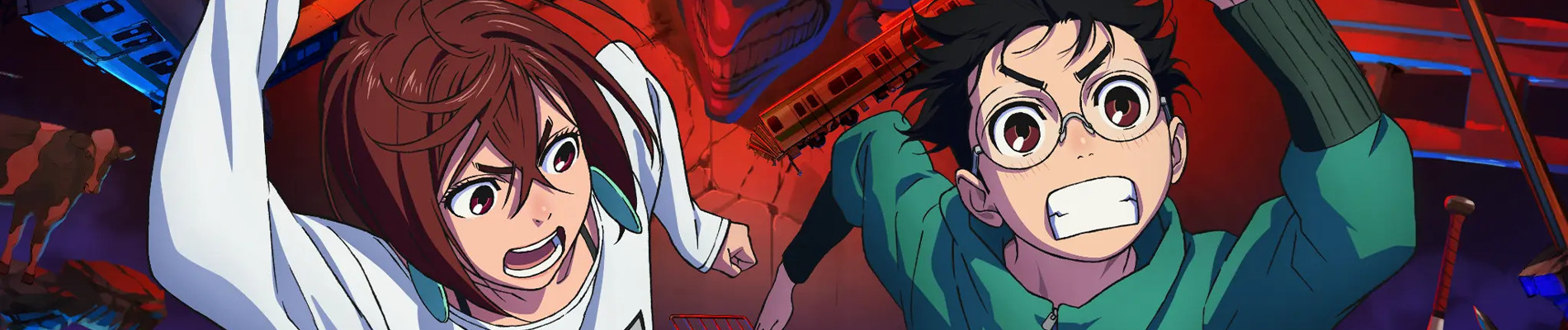
What makes DAN DA DAN vibrate at this frequency isn’t its genre salad—it’s the tremor beneath it all: the feeling that reality is thin, frayed at the edges by teenage conviction. Not “magic is real” as lore, but “my stubbornness might bend reality”—and if it does, it’ll probably glitch mid-sentence, warp into surreal comedy, then snap back with emotional weight so sudden it stings. It’s the exhaustion of arguing metaphysics while dodging bullies, the warmth of shared disbelief becoming shared trust, the way a henshin sequence doesn’t just power up a character—it ruptures the mundane like a zipper pulled down the spine of ordinary life. You don’t watch it to escape; you watch it because it recognizes how fiercely, foolishly, tenderly we cling to our versions of truth—even when they’re mutually exclusive.
That same electric friction lives in Quake III Arena, where warriors from “all time and space” are summoned—not by gods or kings, but by an ancient alien race for sport. No exposition, no justification—just bodies hurtling through zero-gravity arenas, guns roaring, power-ups warping perception. The player review calls it “smush in ioquake3 and your good to go”—a line that mirrors Momo and Okarun’s dynamic: raw, immediate, slightly unhinged, held together by sheer kinetic will. Both treat cosmic stakes like a lunchtime debate—serious enough to risk everything, unserious enough to laugh mid-air-dodge.
Then there’s DOOM + DOOM II, where the description lands like a hammer: “Developed by id Software… definitive, newly enhanced versions.” But the player review cracks it open—“This game was the reason my dad and I built our first computer. A 486, in 1993. We even had a Sound blaster sound card! WOO!” That’s the feeling: belief made physical, generational, tactile. Like Momo inheriting her family’s spirit medium lineage—or Okarun clutching dog-eared UFO pamphlets like sacred texts. Neither game nor anime explains why the occult and sci-fi coexist—they just do, with the unshakable certainty of a kid who’s spent years assembling evidence in a notebook full of glue, glitter, and genuine awe.
And Unreal Tournament 2004: Editor's Choice Edition, with its “ten game modes—both team-based and &q” (the review cuts off mid-phrase, like a thought interrupted)—that fragmentation is the point. The player says “Wish I'd played the storyline version… would have blown my mind at that time.” That wistfulness? That sense of something almost grasped, half-remembered, emotionally charged but narratively elusive? That’s Momo staring at a ghostly afterimage in a bathroom mirror, then turning to argue about crop circles—not because she’s avoiding feeling, but because feeling too much would short-circuit her. The UT series doesn’t give you mythos—it gives you arena, velocity, collision—and trusts you to find meaning in the blur between respawn and reload.
This pairing isn’t for fans of tidy worldbuilding. It’s for the kid who kept a “ghost log” in math class, the player who still has their original DOOM CD-ROM case covered in Sharpie constellations, the person who argues passionately about things they know can’t be proven—because the act of believing changes them. It’s for anyone who’s ever stood under a streetlamp at midnight, heart pounding, half-convinced the static on their headphones is a transmission—and half-convinced it’s just the wind. They don’t need aliens or ghosts to be real. They just need the possibility to feel alive, urgent, ridiculously, beautifully human.
🎮63 Games That Match the Vibe







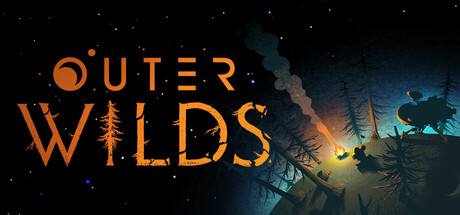
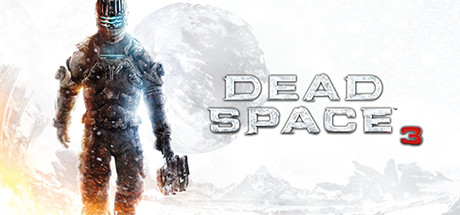
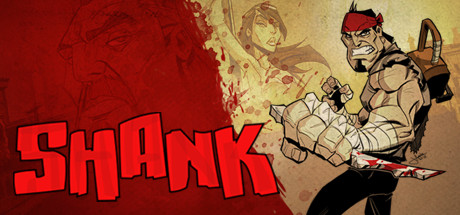
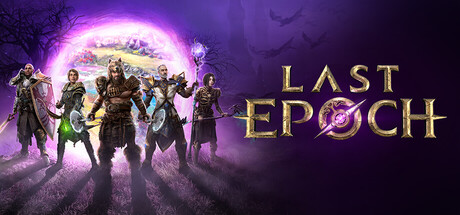









Match Dimensions Explained
❓Frequently Asked Questions
Why does DAN DA DAN feel so much like Quake III Arena when they're from totally different genres?
It’s all about that high-octane, no-pause action spectacle—think Momo Ayase’s gravity-defying kicks landing mid-air like a Quake III rocket jump, or Ryou Tenma’s reality-warping punches echoing the arena’s chaotic power-up timing and instant-hit gunplay. Both thrive on split-second reads, flashy movement, and enemies that explode into grotesque, body-horror shrapnel—just swap Quake’s alien gladiators for occult-possessed delinquents.
Is there a DAN DA DAN video game adaptation in development?
Not yet—and honestly, it’d be wild if one dropped. Right now, the closest you’ll get is channeling its vibe through classics like DOOM + DOOM II: imagine blasting through hordes of tentacled Oni with a shotgun while ‘Satanic Panic’ blares, just like Momo’s over-the-top exorcism battles. The devs haven’t announced anything, but fans are still booting up ioquake3 servers hoping for a miracle.
Quake III Arena vs. Unreal Tournament 2004: which captures DAN DA DAN’s energy better?
UT2004 wins by a hair—it’s got that same frenetic team-based chaos (think ‘Team Deathmatch’ mirroring DAN DA DAN’s rival gang showdowns), plus vehicles and map flow that echo the manga’s cinematic chases across Shibuya rooftops. Quake III’s raw speed is iconic, but UT2004’s variety—like the Titan mode’s scale-shifting fights—feels closer to Ryou’s reality-bending duels than Quake’s pure frag-fest.
What’s the best game like DAN DA DAN if I want that ‘over-the-top occult action’ vibe without needing a modern PC?
DOOM + DOOM II is your answer—runs flawlessly on a 486 (yes, really, per that nostalgic player review), and delivers exactly that blend of body horror & occult spectacle: demons bursting from walls like cursed spirits, chainsaw revs syncing to Momo’s battle cries, and level design that feels like sprinting through a haunted Shinto shrine gone sci-fi. Just grab a Sound Blaster card and prepare to scream.