Return to Castle Wolfenstein
🎮Game Details
💬What Players Say
"Oldie but goldie. Very good fps game since 2001. Developers did outstanding job that made the mark for popular franchise even today...."
"Return to Castle Wolfenstein is a very good fps with mostly enjoyable levels that range from bog standard WW2 city battles to GoldenEYE-esque infiltration missions, to some pretty awful catacombs, to disturbing science labs, to of course... Castle Wolfenstein. The variety in locations, and the vibe of each of them - cold science lab, ornate chateau and cozy village and even the spooky hallowed grounds - really helped keep the game interesting and engaging...."
"One of the finest FPS games ever made. I've played this mostly off Steam. If I had to guess, I've probably played RTCW somewhere between 15-20 times...."
📝Editorial Analysis
The air in the catacombs isn’t just cold—it clings. You’re B.J., breath ragged, flashlight beam trembling as it catches the edge of something wrong: a half-melted Nazi guard fused to the stone wall, veins pulsing black beneath translucent skin, mouth stretched too wide—not screaming, but unfolding. No cutscene. No exposition. Just your pulse hammering, the crunch of gravel under boot, and that low, wet hum vibrating up through the floorboards—occult science made flesh, right there in the dark. That’s not horror as jump-scare; it’s horror as architecture. As the player review says: “It’s brutal. It’s scary. And it bites with your blood.” Not metaphorically. You feel the teeth.
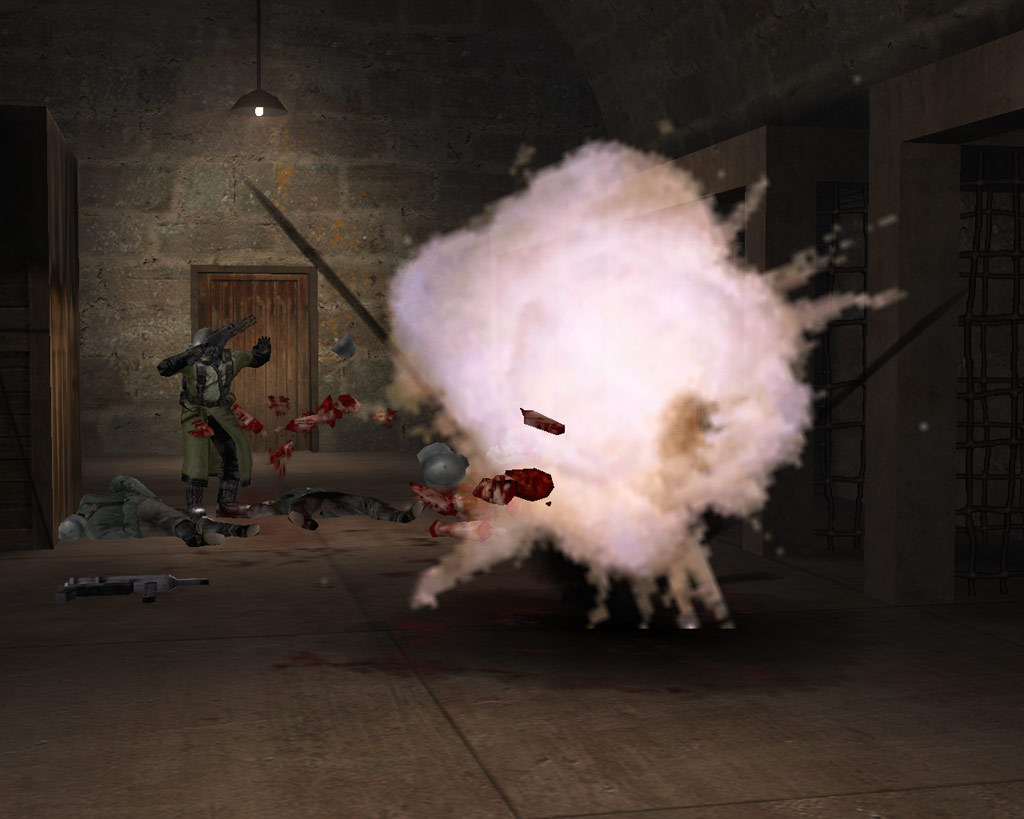
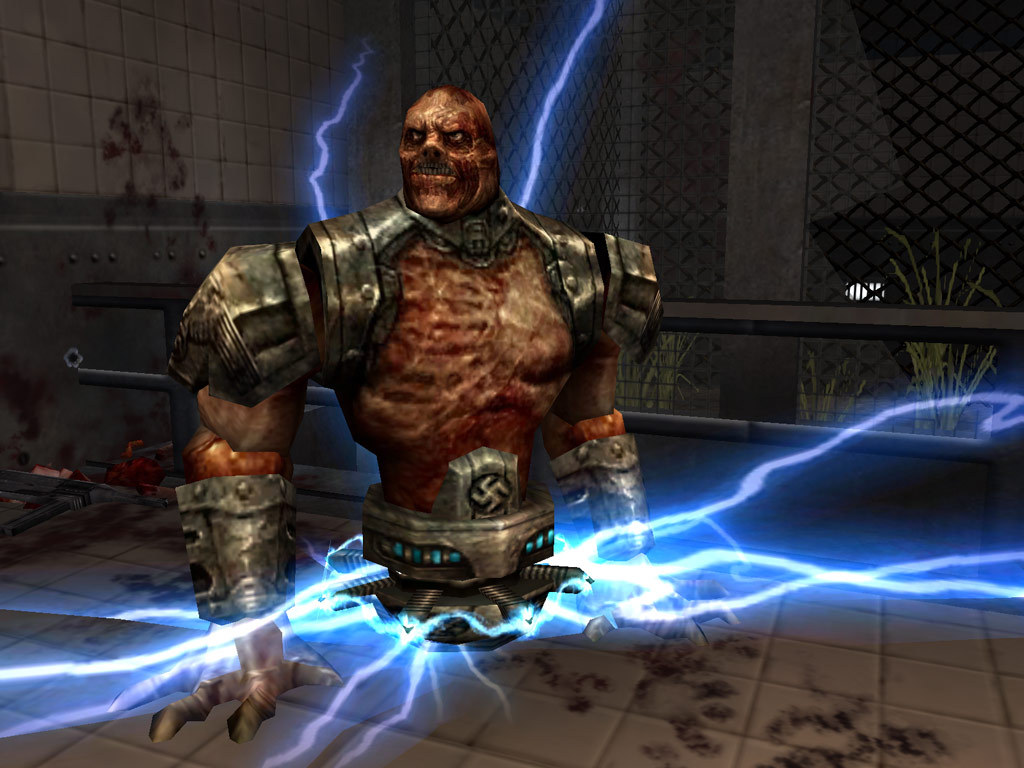
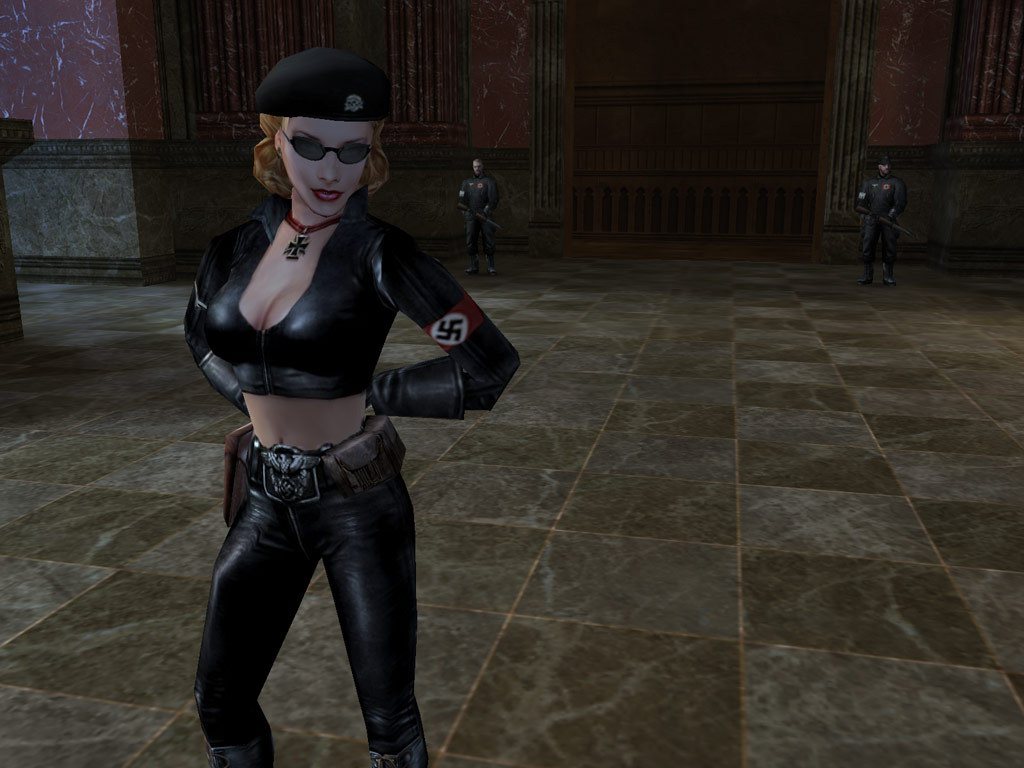
This isn’t WWII as history lesson or heroic myth. It’s WWII as threshold—where artillery shells share screen time with reanimated corpses stitched from grave-rot and Tesla coils, where infiltration missions bleed into GoldenEye-esque tension not because of gadgets, but because the enemy isn’t just armed—they’re unstable, metabolically rewritten. The official description nails it: the Nazis aren’t just losing the war—they’re twisting science and the occult into an army. That phrase does heavy emotional labor. It makes you feel dread, yes—but also violation: the world’s rules are being surgically altered, and you’re the scalpel and the wound. You don’t just fight soldiers—you fight what happens when ideology becomes biotech. The levels shift—from bombed-out French streets to claustrophobic catacombs (as one reviewer grimly notes: “some pretty awful catacombs”)—but the dread stays constant, thick as the dust motes in your flashlight’s cone. It’s neon noir* without neon: the palette is mud, rust, and bile-green phosphor glow, all lit like a crime scene photographed at 3 a.m. by someone who’s seen too much.
Paprika resonates because it shares that same body horror as cognitive collapse. When Paprika dives into dreams, limbs elongate, faces peel open like fruit, and identities liquefy—not for shock, but because the boundary between self and system is actively dissolving. Like B.J. watching a Nazi officer’s jaw unhinge to reveal a second, clicking mouth, Paprika makes you feel the physical terror of losing ontological ground. Both weaponize the uncanny valley of the human form—not to disgust, but to signal that reality itself is under hostile occupation.
JoJo's Bizarre Adventure: STONE OCEAN hits with surgical precision on tactical warfare meets metaphysical rot. Enrico Pucci doesn’t just want power—he wants to rewrite causality, to fold time like origami until every outcome serves his god. His Stand, Made in Heaven, accelerates time until the universe resets. That’s not fantasy—it’s the same logic as the Nazi occult program: if you can splice necrotic tissue with tesla energy, why not splice time itself? The body horror isn’t incidental—it’s the interface between will and world. When Jolyne’s arm regrows as jagged, obsidian bone mid-fight? That’s not healing. That’s re-engineering. Like B.J. finding a lab where soldiers are being grafted to tank treads, it’s warfare as ontological surgery.
AJIN: Demi-Human locks in on the tactical warfare dimension with chilling clarity. These aren’t superheroes—they’re hunted, dissected, farmed. The government doesn’t just imprison AJIN; they harvest their immortality, grafting severed heads onto lab-grown bodies, stitching nerve clusters into combat drones. One review flags Tactical Warfare as a core dimension—and it’s true: every encounter in AJIN is a calculus of risk, cover, and how much of yourself you’re willing to lose before regeneration kicks in. Like B.J. choosing whether to reload in the open or sprint across a courtyard knowing a sniper might turn his skull into mist, AJIN forces you to treat your own body as expendable hardware—not out of bravado, but because the enemy has already decided it is.
This pairing isn’t for fans of clean victories or tidy moral binaries. It’s for the ones who get chills when a flashlight flickers over a wall covered in handprints that are still warm, for viewers who pause mid-episode of STONE OCEAN to stare at their own reflection, wondering how many layers of self are already compromised. It’s for players who’ve run RTCW fifteen times—not to master it, but because each playthrough feels like walking deeper into the same fever dream where history curdles, flesh remembers what it wasn’t meant to remember, and every shadow holds something still learning how to be alive.
→38 Anime That Match the Vibe
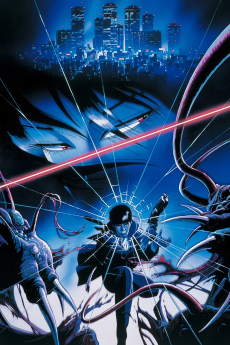
The body as a site of transformation and terror — both push physical boundaries.

The body as a site of transformation and terror — both push physical boundaries.

The body as a site of transformation and terror — both push physical boundaries.

The body as a site of transformation and terror — both push physical boundaries.

The body as a site of transformation and terror — both push physical boundaries.

The body as a site of transformation and terror — both push physical boundaries.

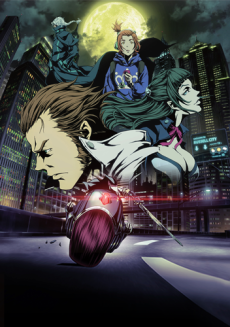
Where Castle Wolfenstein’s SS Paranormal Division grafts occult symbols onto flesh in grotesque vivisection labs, *Paprika*’s DC Mini weaponizes dream logic to melt faces into static and reassemble bodies as fractured neon mannequins—both weaponizing 👻 Body Horror & Occult not for shock, but as epistemological sabotage. Unlike most wartime thrillers or dream narratives, each treats corrupted physiology as a cipher: the game’s Nazi occultists seek godhood through flesh-alchemy; Paprika’s therapists confront identity collapse when subconscious horrors leak into Tokyo’s rain-slicked 🌃 Neon Noir streets. That shared dread—that reality itself is unstable tissue—is what makes their convergence so unnervingly precise.

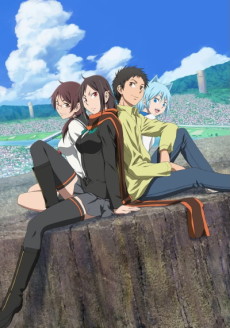
Jolyne’s Stand ability—unzipping her own skin to reveal a grotesque, writhing inner self—echoes Wolfenstein’s Nazi occultists grafting biomechanical horrors onto human flesh. Unlike most supernatural thrillers, *STONE OCEAN*’s Florida prison glows with neon-noir dread, mirroring the game’s chiaroscuro corridors lit by flickering fluorescent tubes and blood-slicked concrete. This shared body horror & occult aesthetic isn’t just stylistic—it weaponizes violation: one through fascist science, the other through systemic betrayal.
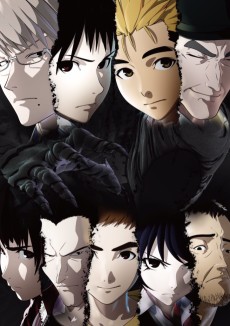
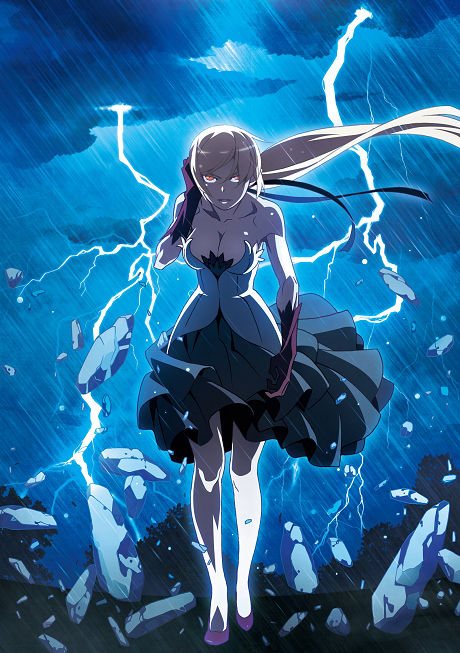
Kei Nagai’s first resurrection—limbs reknitting in jagged, wet silence—echoes B.J. Blazkowicz’s visceral emergence from Nazi occult surgery in *Return to Castle Wolfenstein*’s SS Paranormal Division labs. Where the game weaponizes **Body Horror & Occult** through grotesque reanimation rituals, *AJIN* reframes it as involuntary, isolating biology—both treat flesh as contested terrain between science and blasphemy. This isn’t just shared dread; it’s a rare alignment where tactical precision meets metaphysical violation, making their collision unexpectedly philosophical.

The body as a site of transformation and terror — both push physical boundaries.

















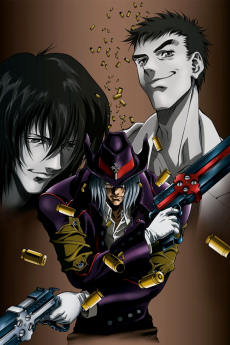
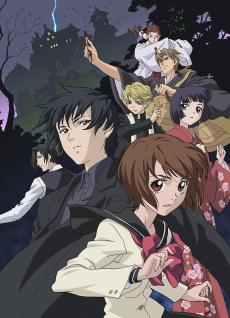


Match Dimensions Explained
❓Frequently Asked Questions
Why is Paprika listed as similar to Return to Castle Wolfenstein when it’s not a war story?
Great question—it’s all about the *occult science gone wrong* vibe. Just like RTCW’s Nazi scientists reanimating corpses and twisting biology in the catacombs beneath Castle Wolfenstein, Paprika’s dream-tech experiments warp bodies and minds in surreal, visceral ways—especially in that hospital corridor scene where limbs melt and reassemble. Both lean hard into body horror fused with real-world dread: one uses WWII occultism, the other uses near-future neurotech, but the squishy, uncanny unease? Spot-on.
Is there an anime adaptation of Return to Castle Wolfenstein?
Nope—no official anime adaptation exists (and likely never will, given Activision’s tight IP control). But if you’re craving that exact blend of tactical WWII grit, occult experimentation, and brutal close-quarters tension, AJIN: Demi-Human nails it: Kei’s squad uses precise, Ranger-style infiltration tactics in urban ruins, while the ‘demi-human’ regen horror mirrors RTCW’s Nazi test subjects—like that chilling lab sequence where a captured soldier’s flesh stitches itself mid-interrogation.
How does JoJo’s Bizarre Adventure: STONE OCEAN compare to Kizumonogatari Part 2 in capturing RTCW’s vibe?
STONE OCEAN leans into RTCW’s *occult warfare* energy—think Enrico Pucci’s Stand abilities warping reality like Nazi super-science, or the prison-break sequences that feel like stealthy, high-stakes Wolfenstein infiltration missions (e.g., the elevator shaft takedown echoing RTCW’s ventilation crawls). Kizumonogatari Part 2 trades tactics for raw, intimate body horror—like the infamous blood-splattered staircase fight where Kiss-Shot’s regeneration echoes RTCW’s undead SS troopers lurching back after headshots—but lacks the military structure and mission-based pacing.
What’s the best anime like Return to Castle Wolfenstein if I want that ‘brutal, scary, blood-biting’ feeling from the player reviews?
Go straight to Kizumonogatari Part 2: Nekketsu—it’s the closest to that ‘bites with your blood’ intensity. The entire film is built around visceral, unflinching body horror: Kiss-Shot’s dismemberment and grotesque reassembly, the arterial spray during her resurrection battle, and that suffocating, neon-drenched claustrophobia in the ruined shrine—all mirror RTCW’s most punishing moments (like the final boss arena where your health bleeds out in real time while dodging occult projectiles). It’s not about shooting Nazis—it’s about *feeling* the same physical, gut-level dread.