
Dororo
Dororo, a young orphan thief, meets Hyakkimaru, a powerful ronin. Hyakkimaru's father, a greedy feudal lord, had made a pact with 12 demons, offering his yet-unborn son's body parts in exchange for great power. Thus, Hyakkimaru - who was born without arms, legs, eyes, ears, a nose or a mouth - was abandoned in a river as a baby. Rescued and raised by Dr. Honma, who equips him with artificial limbs and teaches him sword-fighting techniques, Hyakkimaru discovers that each time he slays a demon, a piece of his body is restored. Now, he roams the war-torn countryside in search of demons.
📺Anime Details
📝Editorial Analysis
The river is cold. Not just water-cold—bone-deep, the kind that steals breath before it steals warmth. Hyakkimaru floats, swaddled in silence, limbs absent, senses hollowed out, mouth sealed shut—not by choice, but by design. Dr. Honma’s hands pull him from the current, trembling not from chill but from the sheer wrongness of what he holds: a child who cannot cry, cannot blink, cannot even taste the blood on his own tongue because there is no tongue to taste with. That moment isn’t backstory—it’s the first breath of the world’s cruelty, exhaled slowly across every frame.
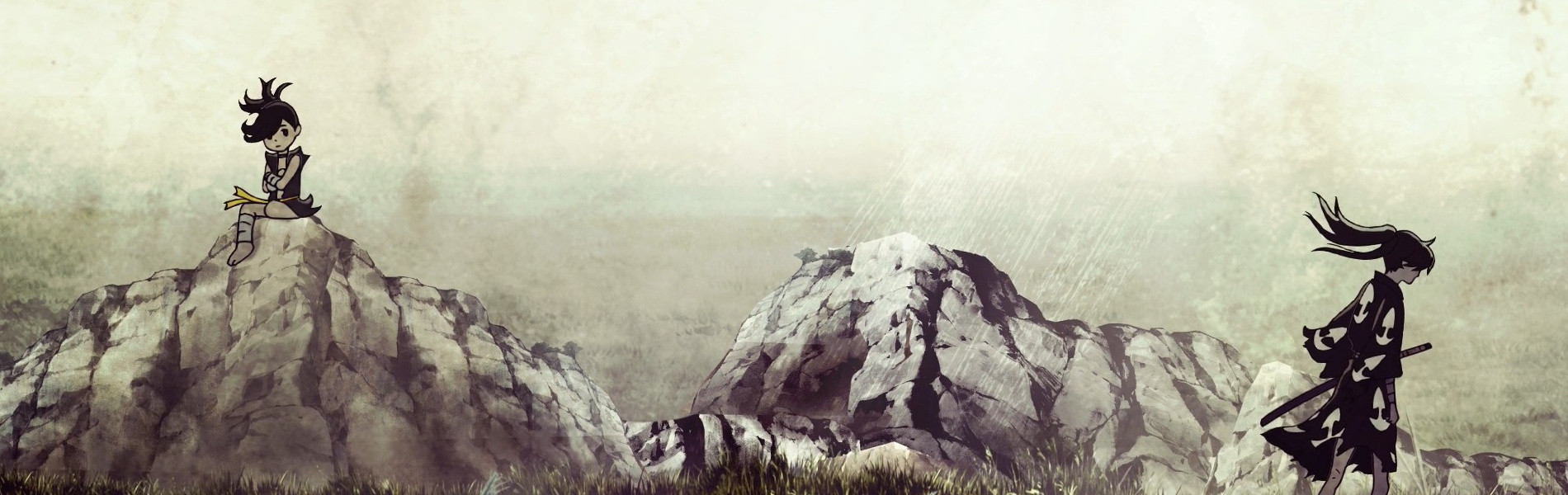
What makes Dororo ache so deeply isn’t its demons or swords—it’s the weight of reclamation. Every demon slain doesn’t just restore a sense organ or limb; it returns Hyakkimaru to himself in increments, each victory laced with disorientation, pain, and a terrifying new vulnerability. You don’t feel triumphant—you feel unmoored. His body remembers nothing; his nerves scream at light, sound, scent like fresh wounds. This isn’t revenge as catharsis—it’s revenge as reassembly, slow and jagged, where healing feels like trespassing on your own skin. It forces you to sit with absence—not as metaphor, but as physical truth: the hollow where an ear should be, the silence behind a voice that hasn’t yet learned its own pitch, the way Dororo’s laughter hits Hyakkimaru like a slap the first time he hears it.
That same emotional gravity echoes in Prince of Persia, whose description names “Melancholic Exploration” as a core dimension—and the player review confirms it’s built around “a new prince, new lands and a brand new story completely separate from the sands…”. Not legacy, not spectacle for spectacle’s sake—but solitude, discovery, and the quiet weight of rebuilding identity in unfamiliar terrain. Like Hyakkimaru learning to feel wind on restored skin, the Prince moves through ruins not just to conquer, but to relearn scale, distance, consequence—his own reflection warped in broken mirrors, his footing uncertain on crumbling ledges. Both are journeys where power isn’t seized—it’s reclaimed, one fragile, disorienting sensation at a time.
Then there’s Dark Messiah of Might & Magic, tagged explicitly with “Body Horror & Occult”. Its description promises “ferocious combat in a dark and immersive world”, and the player review calls it “a fantastic melee combat game”—but what binds it to Dororo isn’t just violence. It’s the visceral, almost grotesque physicality: limbs snapping, bones grinding, spells warping flesh mid-swing. When Hyakkimaru’s artificial arm shatters under a demon’s blow, splintering wood and wire, it’s not cool—it’s dreadful, intimate, bodily. So too does Dark Messiah force you into proximity with your own mangled form—staggering after a blow, watching blood drip from a nose you didn’t know you had until it broke. Both refuse to let the body be abstract. It hurts. It breaks. And sometimes, it grows back wrong.
Even Sacred Gold, with its “Dark Fantasy” and “Melancholic Exploration” dimensions, resonates—not in tone, but in texture. Its description evokes “a shadow of evil [falling] on the kingdom of Ancaria”, and the player review bluntly notes its “jank, bugs and… instability”. That instability mirrors Dororo’s own narrative fractures: worlds unbalanced by pacts, systems collapsing under inherited sin, quests that loop back on themselves not for irony, but because justice here is never clean—it’s glitchy, uneven, haunted by unintended consequences. You don’t fix the world. You patch it. You limp forward. You survive the next ambush, then the next, knowing the map is half-erased and the compass points nowhere safe.
This pairing isn’t for fans of tidy arcs or heroic certainty. It’s for the ones who pause mid-fight to watch rain collect in a character’s newly restored palm—not because it’s beautiful, but because it’s strange, tender, and unbearably human. It’s for players who replay a jump sequence not to master it, but to feel the weight shift in their avatar’s shoulders just once more. For viewers who hold their breath when Hyakkimaru blinks—not at the miracle, but at the terrifying, luminous effort of it. They don’t want power fantasies. They want presence: raw, scarred, stubbornly here, even when half of them is still missing.
🎮98 Games That Match the Vibe













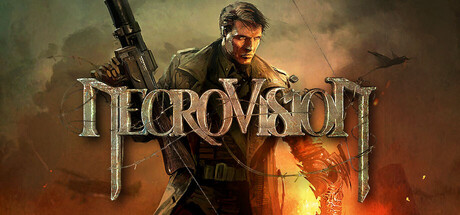
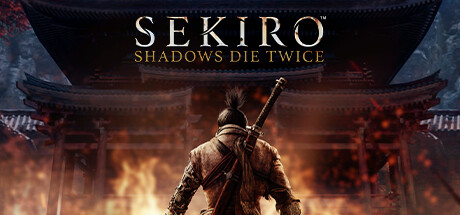
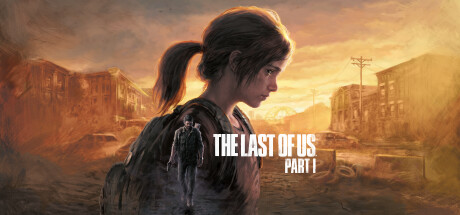
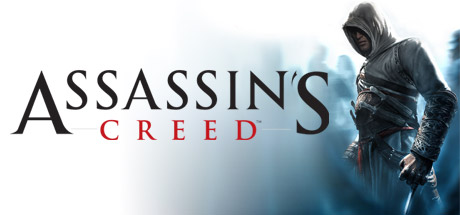












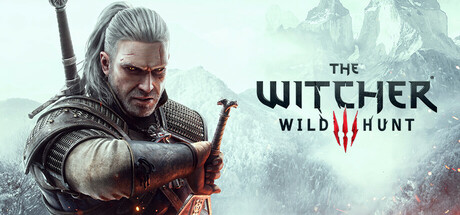
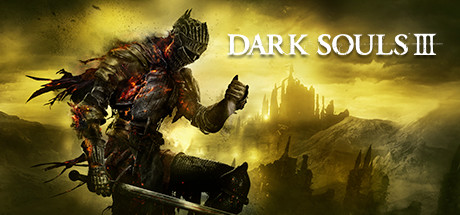

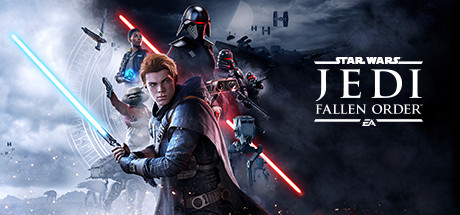
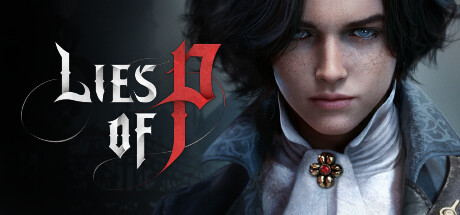


Match Dimensions Explained
❓Frequently Asked Questions
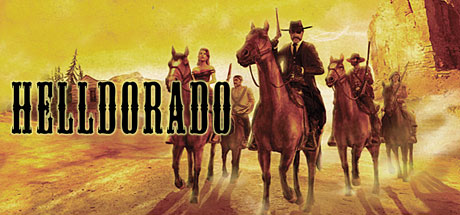
Why does Helldorado keep coming up when I search for games like Dororo?
Helldorado matches Dororo’s blend of tactical, mission-driven storytelling and morally gray frontier justice — think Dororo’s ambushes on bandit camps or tense village sieges, but swapped for 1883 Santa Fe and outlaw gangs. It’s literally built on the same Desperados 2 engine, so you get that same precise, pause-and-plan stealth-action rhythm (like timing a lasso takedown just as an enemy turns), plus that melancholic, lawless atmosphere Dororo fans love.
Is there a Dororo anime or game adaptation with similar dark fantasy action?
No official Dororo game exists — but Sacred Gold and Dark Messiah of Might & Magic nail its grim, body-horror-tinged worldbuilding. Sacred Gold throws you into Ancaria’s blighted lands fighting orcs and undead like Dororo’s cursed monsters, while Dark Messiah gives you visceral, bone-crunching melee combat (think Hyakkimaru’s swordplay meets its brutal dismemberment system) and occult dread straight out of Dororo’s more grotesque chapters.
How does Prince of Persia (2008) compare to Dororo in terms of tone and exploration?
Both lean hard into melancholic exploration — Prince of Persia’s ruined palaces and whispering sandstorms echo Dororo’s mist-shrouded forests and abandoned shrines. You’ll feel that same quiet weight walking through silent ruins, solving environmental puzzles while reflecting on loss (like the Prince mourning his father or Hyakkimaru confronting his stolen limbs), and both use healing/slow-life mechanics to reinforce vulnerability over power fantasy.
What’s the best game like Dororo if I want slow-burn, atmospheric revenge with minimal combat spam?
Go straight to Prince of Persia (2008) — it trades Dororo’s bloody swordfights for elegant, deliberate acrobatics and puzzle-driven progression, all wrapped in that hushed, painterly sorrow. The healing mechanic (recharging health by touching light sources) mirrors Dororo’s themes of fragile recovery, and scenes like wandering the crumbling Tower of Dawn hit the same emotional notes as Hyakkimaru stumbling through a rain-soaked, memory-haunted village.