
Call of Juarez
Call of Juarez is an epic adventure western themed FPS game. The player alternately assumes the roles of two distinct, antagonistic characters: a sneaking fugitive Billy and his hunter the reverend Ray.
🎮Game Details
💬What Players Say
"The game was more fun than I expected. I really enjoyed the shooting as it felt very natural. The smoke particles and physics was probably the best part of the game, Pain in the arse to run properly these days and could really do with a modernisation patch setup."
"Another little hidden gem that shows very well why old-school games still hold their own magic. The story wasn't bad, and I liked the two main characters, and the voice actors worked as well. The game's main charm is in the atmosphere, as you're going through the classical western locations, chapter by chapter, and watch the vivid landscapes, listening to the music, reading the Bible, and shooting your enemies, and trying to survive your adventure...."
"Quite good game still, even now. Good story and Ray's levels are good for the most part. Some of Billy's stuff like the platforming and whip aren't as good, but not a dealer breaker for me."
📝Editorial Analysis
The grit of gunpowder hangs in the air—not as a cinematic flourish, but as smoke particles that bloom and drift with stubborn, physics-driven weight. You’re crouched behind a splintered saloon post, heart thudding, fingers tight on the trigger—then you fire, and the recoil jolts your whole arm while ash swirls upward like something alive. That’s Call of Juarez: not spectacle first, but tactile consequence. It’s the way running feels pain in the arse—unwieldy, urgent, human—not because the engine is broken, but because it refuses to smooth over exhaustion. It’s Ray’s voice, low and frayed with conviction, cutting through silence just before a standoff; it’s Billy’s whip cracking across a canyon ledge, imperfect, not a dealer breaker, but real enough to make you flinch.


This isn’t the mythic West of golden sunsets and clean duels. It’s a world where morality bleeds at the edges, where faith and fury wear the same dust-caked coat, and where every bullet carries the weight of choice—not just who you shoot, but who you become when you pull the trigger. The alternating roles aren’t just gameplay gimmicks; they’re psychological fractures made playable. Ray hunts with scripture and certainty; Billy flees with instinct and doubt. Their stories don’t mirror—they grind, like stones in a dry riverbed. You feel the adult exhaustion of consequence, the dark intimacy of guilt, the frontier rawness of survival without safety nets. There’s no heroic gloss—just sweat, smoke, and voices that sound like men who’ve swallowed too much silence.
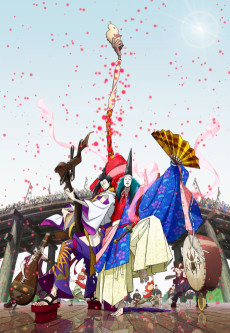
That emotional DNA pulses strongest in House of Five Leaves, where the Western & Frontier setting isn’t backdrop—it’s psychological terrain. Like Ray and Billy, its characters move through a landscape of fractured loyalty and quiet desperation, their moral lines blurred by poverty and obligation. The neon noir isn’t visual candy here—it’s the way lantern light pools on rain-slicked streets like spilled ink, casting long, uncertain shadows over choices that can’t be undone. You feel the same hush before violence, the same weight in a pause between words—exactly what player review #2 called “old-school magic”: unflashy, deeply felt.
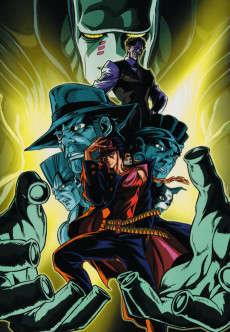
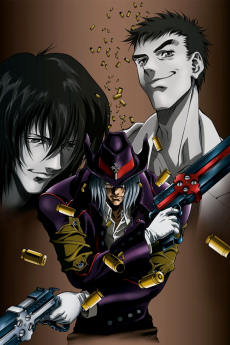
Then there’s Trigun: Badlands Rumble, where the Western & Frontier dimension collides with neon noir in a way that mirrors Call of Juarez’s tonal duality. Vash isn’t Ray or Billy—he’s both, split across a single soul—but the film’s dusty towns, its morally ambiguous outlaws, its sudden, brutal gunplay that leaves smoke particles hanging mid-air… it all echoes that same natural shooting rhythm players praised. The tension isn’t in superpowers—it’s in the space between breaths before a draw, in the way light catches the rim of a hat just before violence erupts. It’s not flashy; it’s weighted, like Ray’s sermons landing like stones in still water.
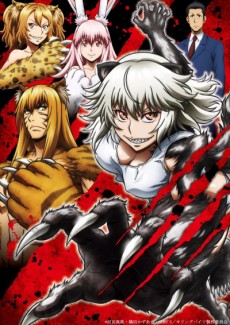
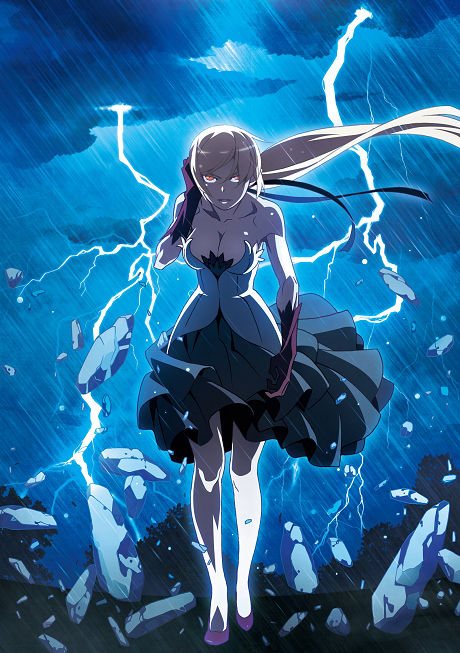
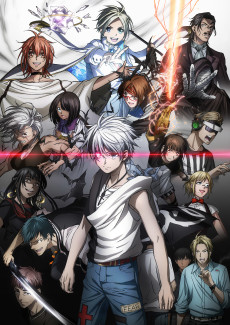
And GOBLIN SLAYER II—yes, the fantasy surface seems miles away—yet its Western & Frontier framing (the lawless borderlands, the ad-hoc justice of bounty hunting) and body horror & occult undercurrents tap into the same gut-level dread that makes Billy’s escape feel so visceral. When Billy scrambles up crumbling rock faces, whip snapping not as good but real, it’s kin to Goblin Slayer’s grim, tactile combat—no invincibility frames, no forgiving hitboxes, just blood, bone, and the sickening physics of impact. The occult isn’t spells and incantations here—it’s the uncanny wrongness of a preacher who prays like he’s carving scripture into flesh, the same way Ray’s faith feels less like comfort and more like blade-sharpening.
These pairings aren’t for fans of “cool guns” or “epic showdowns.” They’re for the person who pauses mid-game to watch smoke curl from a spent cartridge, who re-reads a line of dialogue because the voice actor made it ache, who lingers in silence between chapters—not waiting for action, but listening for the tremor underneath. They’re for readers who underline sentences in House of Five Leaves about honor being “a rope worn thin by use,” for viewers who feel Vash’s smile tighten like a noose in Badlands Rumble, for players who remember how Call of Juarez made running feel pain in the arse—and loved it for that honesty. This is for those who know the deepest tension isn’t in the draw, but in the breath before it—and who crave stories that treat that breath like sacred, fragile, human ground.
→60 Anime That Match the Vibe

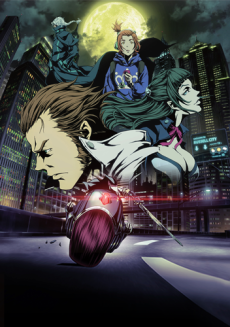
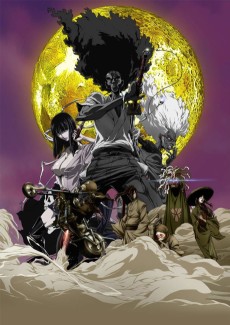
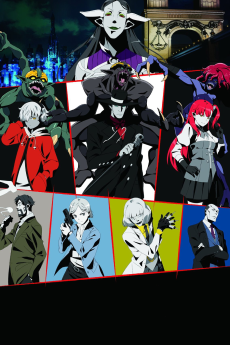
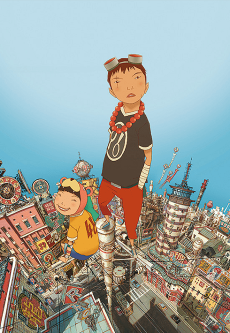
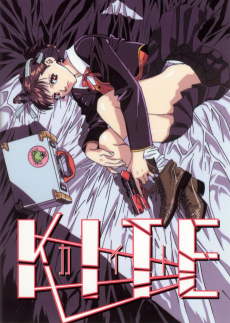
Gasback’s neon-lit heist in the quicksand-ringed town of Macca—where holographic saloon signs bleed into desert dust—mirrors Billy’s shadowy escape through Call of Juarez’s rain-slicked, chiaroscuro frontier towns. 🌃 Neon Noir isn’t just palette-deep: both weaponize Western tropes to dissect redemption’s cost, with Ra’s fire-and-brimstone fury echoing Vash’s weary moral calculus amid chaos. That tension—between lawless spectacle and spiritual reckoning—makes their resonance unexpectedly profound.
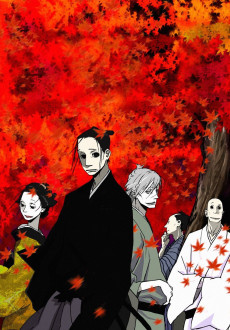
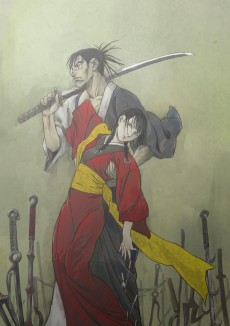
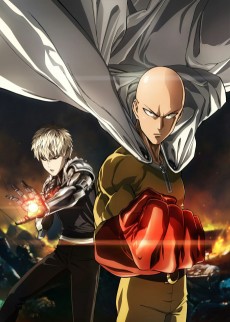
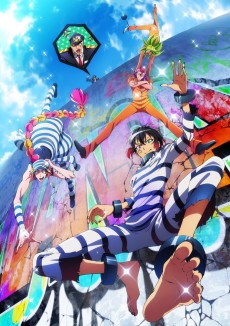
Rain slicks the cobblestones of Edo as Masanosuke hesitates before drawing his sword—just as Billy crouches in shadow beneath a saloon’s flickering neon sign. 🌃 Neon Noir bleeds across both: Ra’s sermons echo like temple bells over moral decay, while Masanosuke’s quiet loyalty fractures under the Five Leaves’ gilded deception. Unlike most frontier tales, neither work glorifies violence—instead, they trap their protagonists in systems where redemption is transactional, not earned.
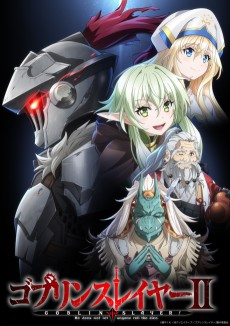
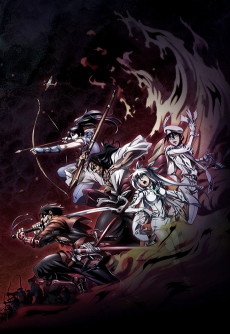
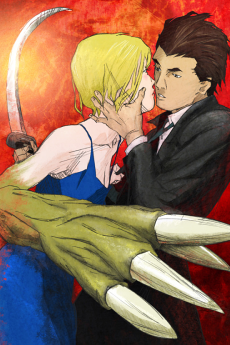
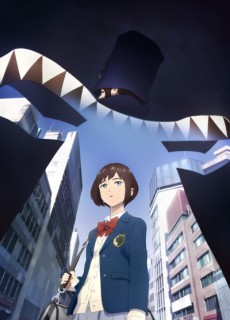
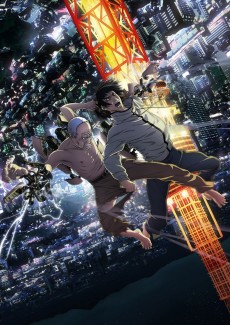
Ra’s cracked leather gloves grip a revolver as Billy scrambles through dust-choked canyon shadows—*exactly* the kind of morally frayed frontier tension that erupts in *Goblin Slayer II*’s ruined temple sequence, where rusted iron gates groan under goblin weight and holy symbols bleed black ichor. Unlike most fantasy, Season 2 leans hard into **🤠 Western & Frontier** austerity: sparse towns, wind-scoured roads, and survivalist pragmatism mirroring Juarez’s lawless terrain. That shared grit—where faith curdles into violence and every bullet (or sword-strike) carries visceral, **👻 Body Horror & Occult** consequence—makes their resonance startlingly coherent, not coincidental.

Wide-open spaces and the freedom to forge your own path.
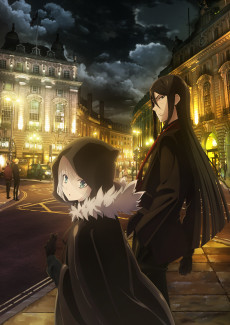
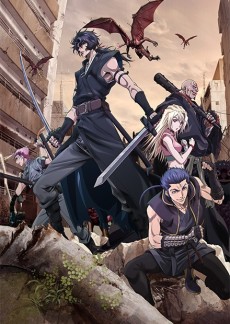
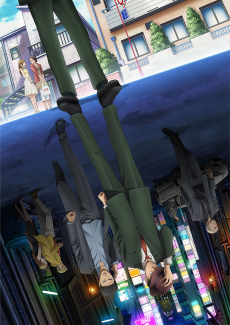
A cracked desert horizon bleeds into clockwork gears—Billy’s dusty fugitive sprint across New Mexico mirrors Waver’s claustrophobic chase through the Rail Zeppelin’s occult-rotted undercarriage. Where *Call of Juarez* weaponizes the 🤠 Western’s moral dust storms, *Grace note* transplants that frontier tension into magecraft’s decaying infrastructure, turning the zeppelin itself into a body-horror frontier. That shared 🌵→⚙️ translation—of lawless space becoming haunted machinery—makes their resonance startlingly precise, not thematic coincidence.

Wide-open spaces and the freedom to forge your own path.

Wide-open spaces and the freedom to forge your own path.

Wide-open spaces and the freedom to forge your own path.
Wide-open spaces and the freedom to forge your own path.
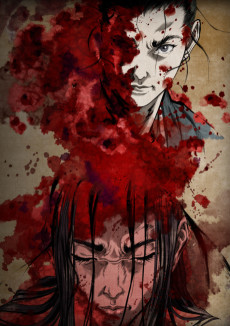
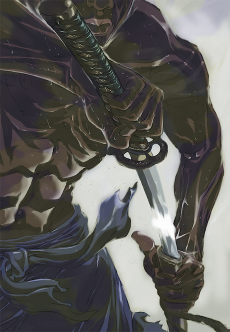
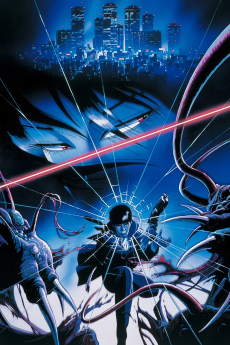
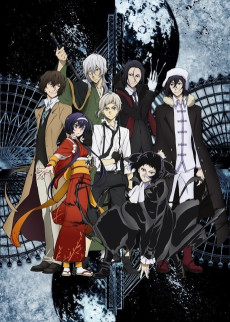
Reverend Ray’s sermons crackle with apocalyptic dread as Billy’s bullet wounds fester—mirroring Fujiki Gennosuke’s rotting arm and the Shigurui dojo’s blood-slicked tatami. Where Call of Juarez weaponizes the Western frontier as a crucible for moral collapse, Shigurui: Death Frenzy transplants that same 🤠 Western & Frontier brutality into Edo-period Japan, rendering swordplay as body horror rather than honor. This isn’t genre mimicry—it’s a shared obsession with how ideology warps flesh, making their dark seinen resonance unnervingly precise.


















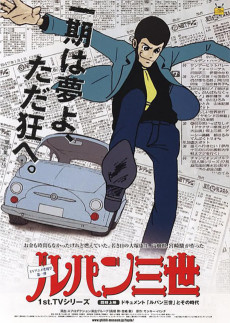
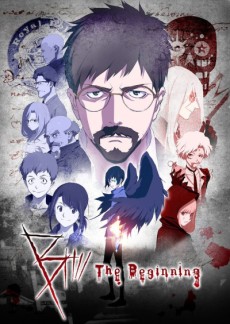
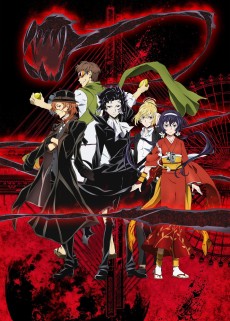
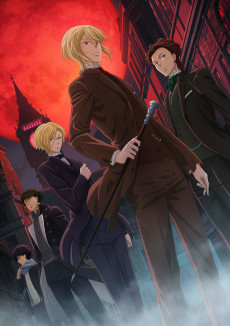

Match Dimensions Explained
❓Frequently Asked Questions
Why is House of Five Leaves recommended for Call of Juarez fans?
Because it nails that morally gray Western & Frontier vibe with adult, dark seinen weight—just like Ray and Billy’s tense, antagonistic dynamic. You get the same gritty atmosphere in scenes like Akahige’s quiet menace or the slow-burn tension in the frontier town of Kaga, plus that neon-noir visual texture fans loved in Juarez’s smoke particles and physics-driven gunplay.
Is there an anime adaptation of Call of Juarez?
Nope—there’s no official anime adaptation of Call of Juarez. But if you’re craving that dual-protagonist, morally conflicted Western feel, Trigun: Badlands Rumble hits hard with its frontier towns, bounty-hunter stakes, and Vash’s layered duality mirroring Ray’s preacher facade and Billy’s fugitive desperation.
How does GOBLIN SLAYER II compare to Lord El-Melloi II's Case Files {Rail Zeppelin} Grace note for Western vibes?
Both lean into Western & Frontier + Body Horror & Occult, but GOBLIN SLAYER II feels grittier and more grounded—like Billy’s tense, whip-assisted platforming and close-quarters combat—while Rail Zeppelin leans into steampunk railroads and occult grandeur, closer to Ray’s dramatic, almost biblical confrontations and the game’s heavier story beats.
What’s the best anime like Call of Juarez if I want that ‘tense, physics-driven gunplay’ vibe?
Trigun: Badlands Rumble—it’s got the most authentic Western FPS energy: deliberate draw-and-fire pacing, dust-kicked gunfights (like the saloon showdown), and that satisfying ‘crack’ of recoil and impact you loved in Juarez’s shooting mechanics. Even the way Vash’s pistols kick and stagger enemies echoes how players described the natural, particle-heavy gunplay.