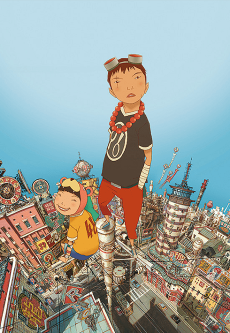
Tekkonkinkreet
Black and White are two orphans who roam the streets of Treasure Town, beating down any thug or yakuza who gets in their way. When mysterious foreign entrepreneurs appear with the intention of tearing down Treasure Town and replacing it with an amusement park, Black and White face their greatest adversaries yet. It is up to the destructive Black to save the fate of the city and up to the gentle White to save Black from his own dark nature.
📺Anime Details
📝Editorial Analysis
Rain slicks the neon-drenched alleyways of Treasure Town—not gently, but in jagged, stinging sheets that catch the fractured glow of flickering signs spelling SUSHI, LOVE HOTEL, PACHINKO. Black’s knuckles split open on brick as he slams a yakuza enforcer into a rusted dumpster; White watches from the fire escape above, bare feet curled around cold iron, silent—not afraid, not detached, but holding space for the storm below. That moment isn’t about victory. It’s about gravity: how two small bodies anchor themselves to a city that’s already crumbling at the seams.
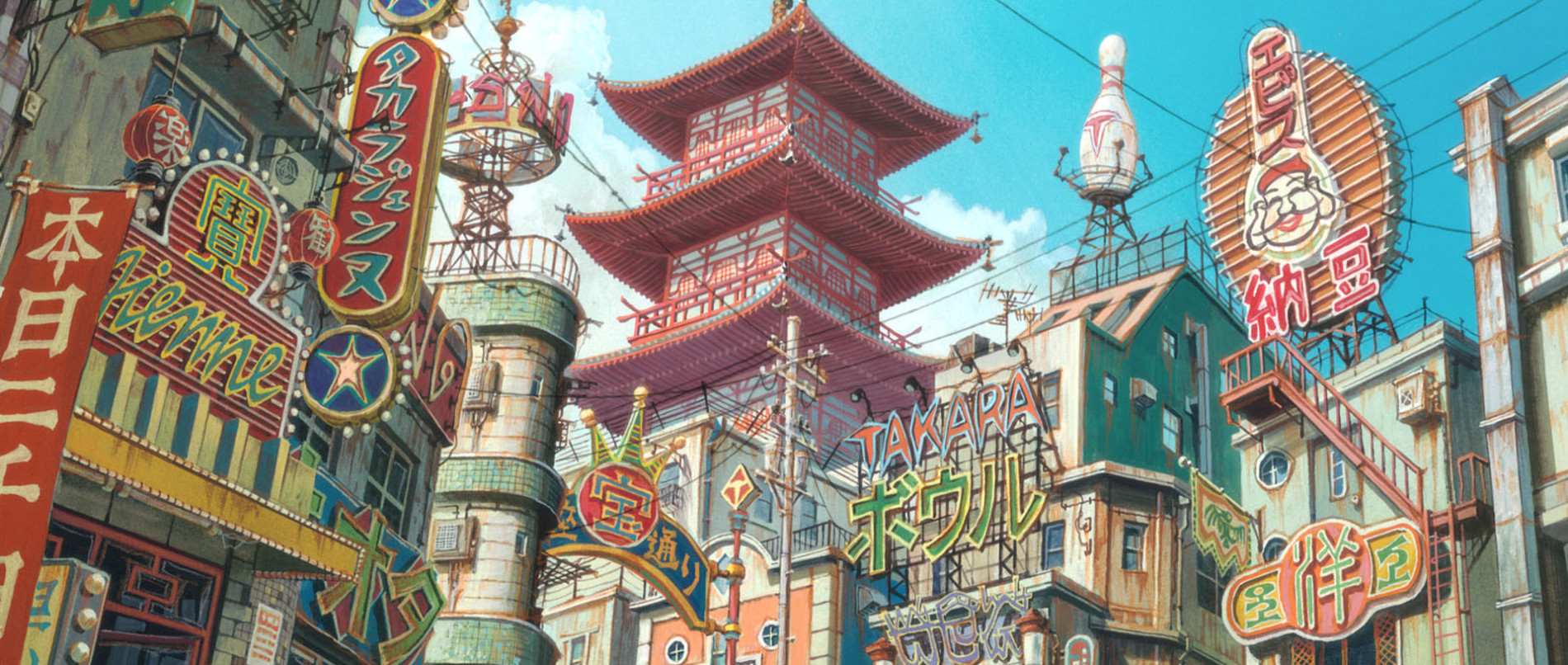
What makes Tekkonkinkreet ache so deeply isn’t its gangs or its supernatural shimmer—it’s the weight of childhood pressed up against urban decay. This isn’t nostalgia. It’s vertigo: the dizzying sense that every cracked sidewalk, every peeling billboard, every abandoned lot is both playground and prison. You don’t just watch Black and White run—you feel your own breath catch when they leap across rooftops because the city bends beneath them, breathing back. It’s tender and brutal in the same breath—like holding a live wire wrapped in gauze. The fantasy isn’t magic or monsters; it’s the illusion that love, loyalty, and sheer stubborn presence can hold back bulldozers, developers, and the slow, grinding logic of erasure.
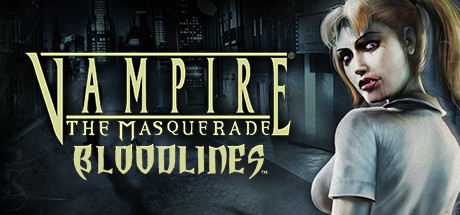
That same emotional DNA pulses through Vampire: The Masquerade – Bloodlines, where the city isn’t Treasure Town—it’s Los Angeles, but just as layered, just as hungry. Its description calls it “Neon Noir, Adult & Dark Seinen,” and the player review nails the texture: “BUY IT ON GOG; if you want to use the steam version you need to download the unofficial patch…”—a line that sounds like a whispered pact between those who’ve stayed loyal to something flawed, fragile, and fiercely alive. Like Black and White, you’re not a hero—you’re a creature trying to retain your humanity while the city demands you become something sharper, colder. The stakes aren’t salvation—they’re continuance: how long can you keep your name, your voice, your self, before the night swallows it whole?
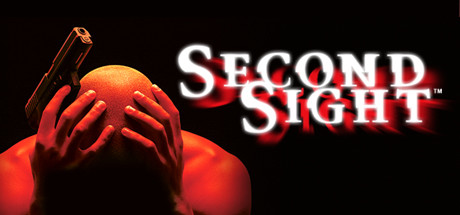
Then there’s Second Sight, described as blending “an atmospheric, psychological thriller narrative with paranormal psychic abilities, stealthy exploration and intense shooter action.” Its player review says: “Second Sight, hands down, is one of my favourite games of all time. Despite its age and wonky mechanics, I've loved this game for its story and mec…” That “wonky mechanics” line? It mirrors Tekkonkinkreet’s own visual chaos—the way White’s perspective warps reality, how Black’s rage bleeds into surreal, ink-smeared hallucinations. Neither asks for polish. They demand presence. In both, power isn’t clean or controllable—it’s leaky, destabilizing, tied directly to trauma and tenderness. When White sees the city breathe, when the protagonist of Second Sight reassembles shattered memories mid-combat, it’s the same trembling recognition: the mind is not a tool—it’s a landscape we’re still learning to map.
And Max Payne, whose description opens with “Max Payne is a man with nothing to lose in the violent, cold urban night. A fugitive undercover cop framed for murder, hunted by cops and the mob…”—that line echoes Black’s descent, not as villainy, but as consequence. The player review recalls passing the controller after death: “once you died, you passed the controller to the next player…” That ritual—shared vulnerability, collective endurance—is pure Treasure Town. Black doesn’t fall alone. White catches him. Not with strength, but with stillness. Max stumbles through snow and smoke; Black staggers through rain and neon—but both are held, however briefly, by someone who refuses to look away.
These pairings belong to people who don’t flinch at beauty tangled with brutality—who find poetry in a child’s grip on a rusted railing, who recognize love in the way a game forces you to reload again, even when your fingers ache and the save file is glitchy and old. They’re for those who’ve ever stood on a rooftop at 3 a.m., watching the city pulse below, and felt both terrified and claimed. Not fans of “action” or “noir” as genres—but believers in the sacred, shivering truth that some bonds are forged not in safety, but in the exact moment everything else begins to collapse.
🎮34 Games That Match the Vibe







Match Dimensions Explained
❓Frequently Asked Questions
Why does Max Payne keep coming up in 'Games Like Tekkonkinkreet' lists?
Because both lean hard into neon-drenched, morally bruised urban noir — think Max’s rain-slicked NYC alleyways and voiceover monologues echoing Tekkon’s gritty, poetic narration about lost kids in Kanagawa. The melancholy tone, stylized violence, and themes of identity and redemption (Max’s quest for vengeance vs. Black and White’s struggle to hold onto innocence) hit the same dark-seinen nerve.
Is there an anime or movie adaptation of Second Sight like there is for Tekkonkinkreet?
No — unlike Tekkonkinkreet, which got a beloved 2006 animated film, Second Sight has never been adapted beyond its original 2004 game release. It remains a cult-classic standalone experience, praised by fans for its psychic stealth mechanics (like reversing time mid-combat) and psychological thriller pacing — very much in Tekkon’s lane of surreal, grounded-yet-dreamlike storytelling.
How does Grand Theft Auto 2 compare to Tekkonkinkreet in terms of tone and style?
GTA 2 shares Tekkon’s chaotic, satirical city energy — think the anarchic, graffiti-splattered streets of Anywhere City mirroring Kanagawa’s layered, lived-in decay — but swaps Tekkon’s emotional core for absurdist, top-down mayhem. Both revel in urban texture and subcultural grit, but where Tekkon centers Black and White’s fragile bond, GTA 2 drops you into a world where even the cops are cartoonishly corrupt and the radio DJs mock everything.
What’s the best 'Tekkonkinkreet'-like game if I want that lonely, rain-soaked, late-night wandering vibe?
Vampire: The Masquerade – Bloodlines is your pick — especially the Chinatown and Hollywood districts at night, with flickering neon signs, whispered NPC conversations about blood debts, and that heavy, isolating sense of being both hunted and haunting. Its GOG version runs smoothly (no patching needed), and reviewers love how it makes you *feel* like a weary, stylish outcast just trying to survive the city — exactly like Black walking Kanagawa’s wet rooftops at 3 a.m.