Grand Theft Auto: Episodes from Liberty City
Grand Theft Auto: Episodes from Liberty City includes both The Lost and Damned and The Ballad of Gay Tony together and does not require a copy of the original Grand Theft Auto IV to play.
🎮Game Details
💬What Players Say
"where am i?"
📝Editorial Analysis
The neon bleeds. Not just on the screen—in your skull. You’re standing on a rain-slicked rooftop in Algonquin, wind whipping your collar, sirens wailing three blocks over, and your phone buzzes with a text from Vlad: “Where am I?” — except it’s not Vlad. It’s you, reading that line in a player review, and suddenly the whole city tilts. Grand Theft Auto: Episodes from Liberty City doesn’t open with a cutscene—it opens with disorientation so thick you taste copper. The official description says it stands alone—no copy of GTA IV required—but that’s not logistical; it’s existential. You drop in cold. No tutorial. No anchor. Just asphalt, static, and the quiet dread of realizing you’ve already missed the first act of your own life.
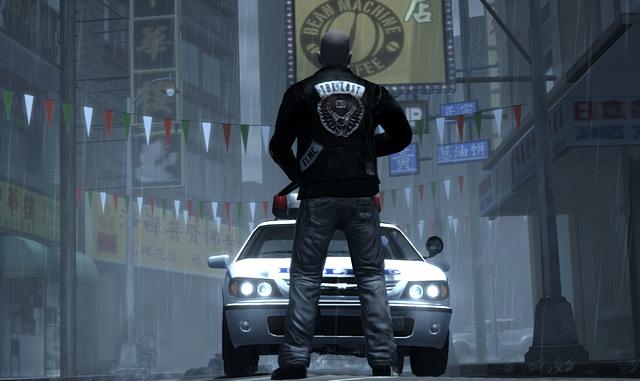
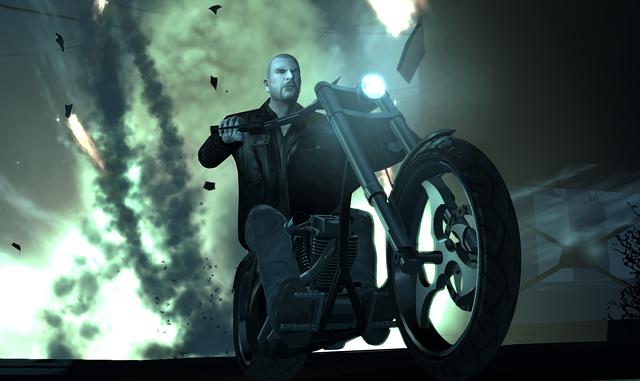
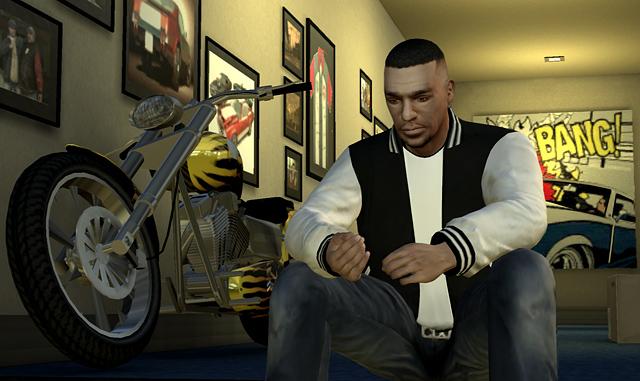
That’s the feeling: uncertainty as atmosphere. Not suspense—not even paranoia—but the low hum of being perpetually unmoored. Liberty City isn’t a map to conquer; it’s a nervous system you’re plugged into mid-panic attack. The Lost MC’s leather smells like damp wool and gun oil. Tony’s nightclubs pulse with bass so deep it vibrates your molars—but behind the velvet rope, someone’s bleeding out in a service elevator. There’s no “main story” breathing down your neck; there’s only consequence, arriving sideways, late at night, via voicemail. You don’t feel powerful—you feel accountable, even when you’re doing nothing. That’s the dark magic: it weaponizes context collapse. A drug deal goes sideways. A friend lies. A helicopter circles—but is it yours? The city refuses to clarify. And that’s why the player asks, raw and real: “where am i?...” Not geographically. Existentially. You’re inside a loop where identity frays at the edges, and every choice is less about victory than about staying legible to yourself.
Which is why Clean Freak! Aoyama kun hits with such eerie precision. Its Competitive Spirit isn’t about trophies—it’s about ritualized control in a world actively resisting order. Aoyama scrubs grime like it’s sin, just as Johnny Klebitz wipes blood off his knuckles between missions, trying to keep some internal ledger clean. Both live in Adult & Dark Seinen spaces where humor isn’t relief—it’s a pressure valve hissing steam. The Comedy & Parody isn’t slapstick; it’s the absurdity of maintaining dignity while everything crumbles. When Aoyama sterilizes a doorknob during a gang standoff, it’s not funny unless you recognize the same trembling need for coherence that makes Johnny pause mid-chase to adjust his vest strap.
Then there’s Grand Blue Dreaming Season 2, where the Neon Noir isn’t visual—it’s emotional lighting. The club scenes shimmer with the same synthetic warmth as Tony’s Heaven nightclub: all gold trim and false promises, where laughter echoes too long and friendships curdle in the humidity. Its Adult & Dark Seinen core isn’t about violence—it’s about the exhaustion of performing masculinity while your foundation liquefies. Like Tony, the characters lean hard into spectacle (scuba gear, dance-offs, absurdly choreographed brawls) because not performing feels like disappearing. And the Comedy & Parody lands because it knows: the louder the joke, the quieter the fear underneath. You laugh at the absurdity of a man diving into a pool mid-gunfight—until you remember doing the exact same thing in Broker, just to outrun a thought.
And Akagi—oh, Akagi. Its Neon Noir is smoke and cigarette ash. Its Competitive Spirit isn’t sport—it’s survival calculus disguised as mahjong tiles. Every hand is a negotiation with fate, every opponent a mirror reflecting how close you are to ruin. Like Johnny’s motorcycle club, Akagi’s underground dens operate on codes nobody wrote down but everyone enforces with their teeth. The Adult & Dark Seinen weight here is inescapable: no redemption arcs, no second chances—just the slow, elegant erosion of self-control. You don’t win in Akagi. You endure. And that’s the shared breath between it and Episodes: both understand that power isn’t taken—it’s borrowed, and the interest compounds fast.
This isn’t for people who want heroes. It’s for those who’ve ever stared at their reflection in a rain-streaked window and wondered if the person looking back still believes the same things they did last Tuesday. For the ones who find comfort not in answers—but in the shared, unspoken recognition of how deeply weird it is to be alive inside systems you didn’t build, speaking languages you barely understand. They’ll watch Aoyama scrub a floorboard while whispering strategy, nod along as Tony toasts champagne over a body bag, and feel Akagi’s final tile click into place—not as triumph, but as recognition. Because sometimes the most honest thing you can say isn’t “I’m okay.” It’s “where am i?...” And knowing someone else heard it—and didn’t look away—that’s where the resonance begins.
→86 Anime That Match the Vibe
Shadows, cigarettes, and moral ambiguity — noir at its most stylish.
Shadows, cigarettes, and moral ambiguity — noir at its most stylish.
Shadows, cigarettes, and moral ambiguity — noir at its most stylish.
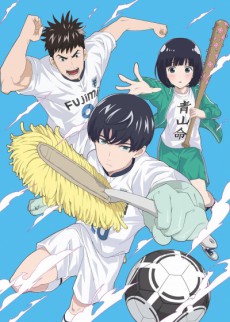
Aoyama’s sterile throw-in ritual—gloved hands, measured arc, zero contact—mirrors Johnny Klebitz’s grimly precise motorcycle club hits in *The Lost and Damned*. Where Liberty City bleeds dark satire through its crime parodies, *Clean Freak!* weaponizes sports comedy to expose absurd purity cults in masculinity. Their shared **Adult & Dark Seinen** edge transforms competition into existential farce: one with bullet casings, the other with antibacterial wipes.

Neon-drenched alleyways in Liberty City pulse with the same hallucinatory unease as Paprika’s collapsing dream corridors—where Tony Prince’s glittering nightclub dissolves into surreal bureaucracy, just as the DC Mini breaches reality. Unlike most crime sagas, *Episodes from Liberty City* leans into psychological fragmentation, mirroring Paprika’s core trauma: identity erosion under systemic pressure. This shared 🌃 Neon Noir aesthetic isn’t just visual—it’s existential dread dressed in strobes and static.

Neon-drenched alleyways in Liberty City’s Broker district pulse with the same ironic tension as Hikaru’s poison-laced tea ceremonies—where lethal precision masks absurd social ritual. Unlike most tactical warfare narratives, both weaponize comedy: Johnny Klebitz’s grim motorcycle gang standoffs mirror the Five Families’ over-the-top martial posturing, all drenched in 🌃 Neon Noir irony. This pairing fascinates because it treats honor codes—not as solemn doctrine, but as brittle, hilarious performance under fluorescent glare.
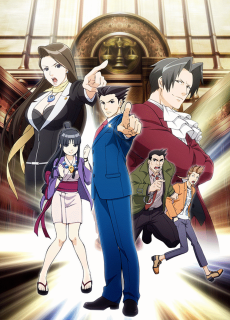
Shadows, cigarettes, and moral ambiguity — noir at its most stylish.

Where Liberty City’s neon-drenched nightclubs pulse with Tony Prince’s desperate hustle and moral erosion, Grand Blue Dreaming Season 2 drowns Iori in sake-fueled dive-club chaos—both weaponizing absurdity to dissect adult disillusionment. The Competitive Spirit isn’t about winning trophies but surviving social performance: Tony’s nightclub empire versus Iori’s frantic bluffing through diving practice and sister-induced embarrassment. Unlike most comedies, their shared Adult & Dark Seinen edge makes drunkenness feel less like escape and more like existential maintenance.

Shadows, cigarettes, and moral ambiguity — noir at its most stylish.
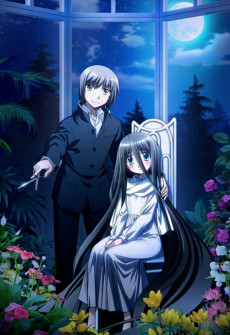
Shadows, cigarettes, and moral ambiguity — noir at its most stylish.

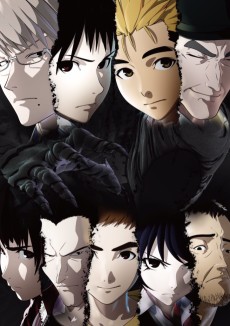
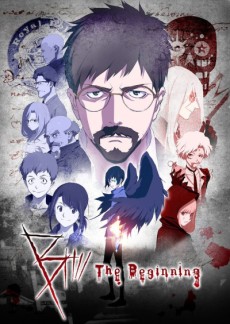












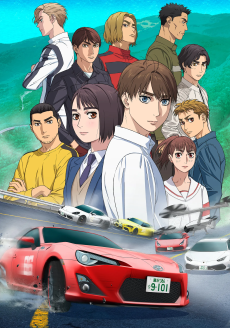
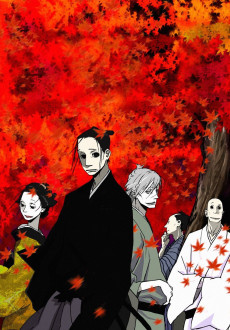
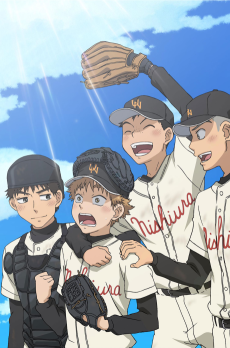

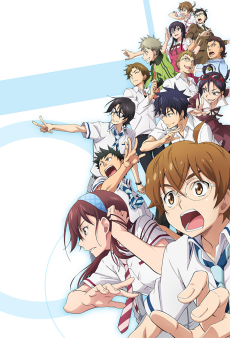
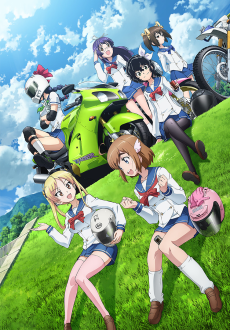

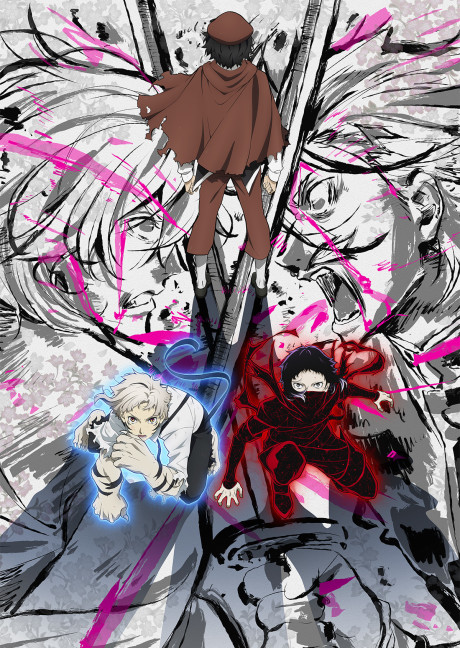

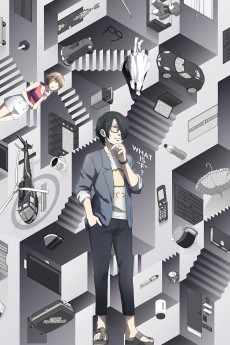

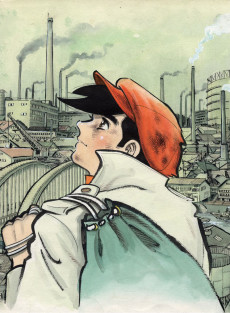



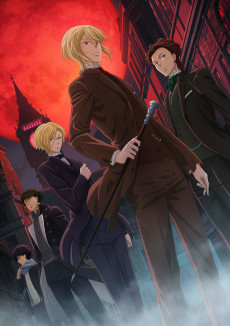
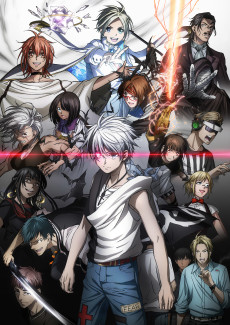


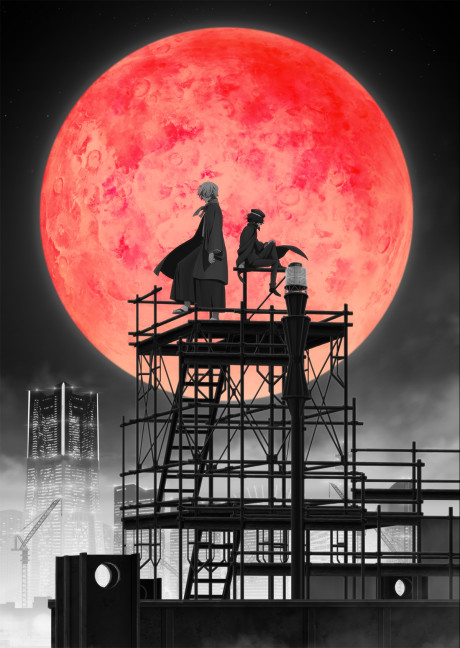
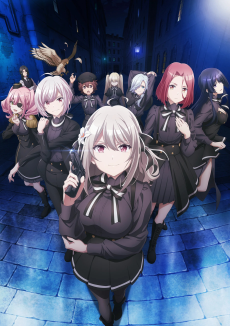



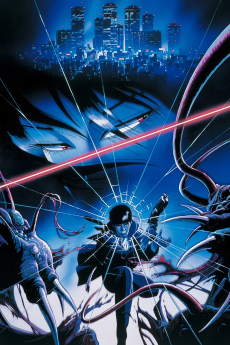

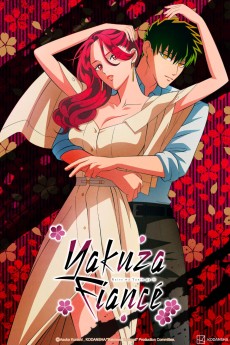
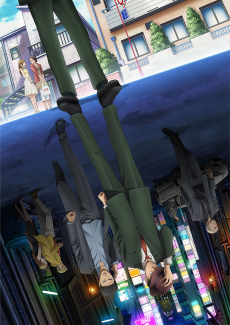
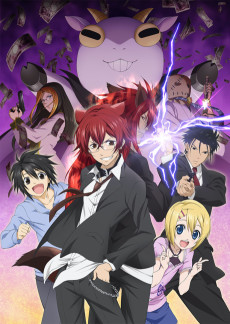

Match Dimensions Explained
❓Frequently Asked Questions
Why does Clean Freak! Aoyama kun feel like GTA: Episodes from Liberty City?
Because both lean hard into darkly comedic, hyper-masculine chaos—Aoyama’s obsessive, violent gym rivalries mirror Johnny Klebitz’s brutal biker gang politics in The Lost and Damned, especially scenes where he’s forced to choose between loyalty and survival during turf wars. The show’s ‘Competitive Spirit’ + ‘Adult & Dark Seinen’ vibe nails the same morally gray, sweat-and-blood tension as Liberty City’s rain-slicked alleys and backroom betrayals.
Is there an anime adaptation of Grand Theft Auto: Episodes from Liberty City?
No—there’s no official anime adaptation, and none of the top matches (like Akagi or Paprika) are direct adaptations. But Akagi hits that same gritty, high-stakes underworld energy: think Niko Bellic’s cold pragmatism meets Akagi’s poker-faced intensity during a life-or-death mahjong match—both rely on razor-thin margins, betrayal, and consequences you can’t drive away from.
How does Grand Blue Dreaming Season 2 compare to Paprika for GTA: Episodes from Liberty City fans?
Grand Blue S2 leans into absurd, alcohol-fueled camaraderie and physical escalation—like Tony Prince’s nightclub power plays mixed with drunken bar fights—while Paprika dives into surreal, neon-drenched psychological noir, closer to the hallucinatory dread of The Ballad of Gay Tony’s ‘Nightclub Ambush’ mission where reality glitches mid-chase. Both share ‘Comedy & Parody’ + ‘Adult & Dark Seinen’, but Grand Blue is chaotic fun; Paprika is haunting, stylish unease.
What’s the best anime like GTA: Episodes from Liberty City if I want that grim, rain-soaked crime thriller mood?
Akagi—it’s the closest tonal match for that oppressive, slow-burn tension. Like Niko navigating Dimitri’s double-crosses or Johnny facing down the LCPD in a fogged-over bridge shootout, Akagi’s mahjong battles unfold in smoky rooms under flickering lights, where every bet feels like a life-or-death gamble. Its ‘Neon Noir’ + ‘Adult & Dark Seinen’ dimensions mirror Liberty City’s moral decay and unrelenting stakes—no car chases, but the same suffocating weight.