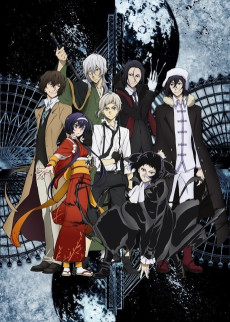
Bungo Stray Dogs 3
The third season of Bungou Stray Dogs.
The White Tiger and the Black Beast – Nakajima Atsushi and Akutagawa Ryunosuke’s fight against Francis F. brings an end to the great war against the Guild. Life goes on as normal in Yokohama, thanks to the continued truce between the Armed Detective Agency and the Port Mafia, who, together, saved the city from ruin. But there are still rumors of Guild stragglers and other crime organizations making their way in from abroad. Meanwhile, Dazai Osamu had premonitions of another impending disaster. Lurking in the darkness is the Fyodor D., leader of pirate organization Rats in the House of the Dead, his dreadful plans on the verge of execution.
(Source: Crunchyroll)
📺Anime Details
📝Editorial Analysis
Rain slicks the cobblestones of Yokohama’s back alleys—not with romance, but with exhaustion. Atsushi stands in the hollowed-out silence after the Guild war ends: no cheering crowd, no triumphant music—just the low hum of a flickering streetlamp and the weight of his own breath as he watches Akutagawa walk away, shoulders rigid, coat flapping like a torn flag. That moment isn’t victory. It’s respite, thin and temporary, stretched taut over deeper fractures—the kind that don’t heal, just scar over. The city breathes again, yes—but it’s the breath of someone who’s just survived choking.
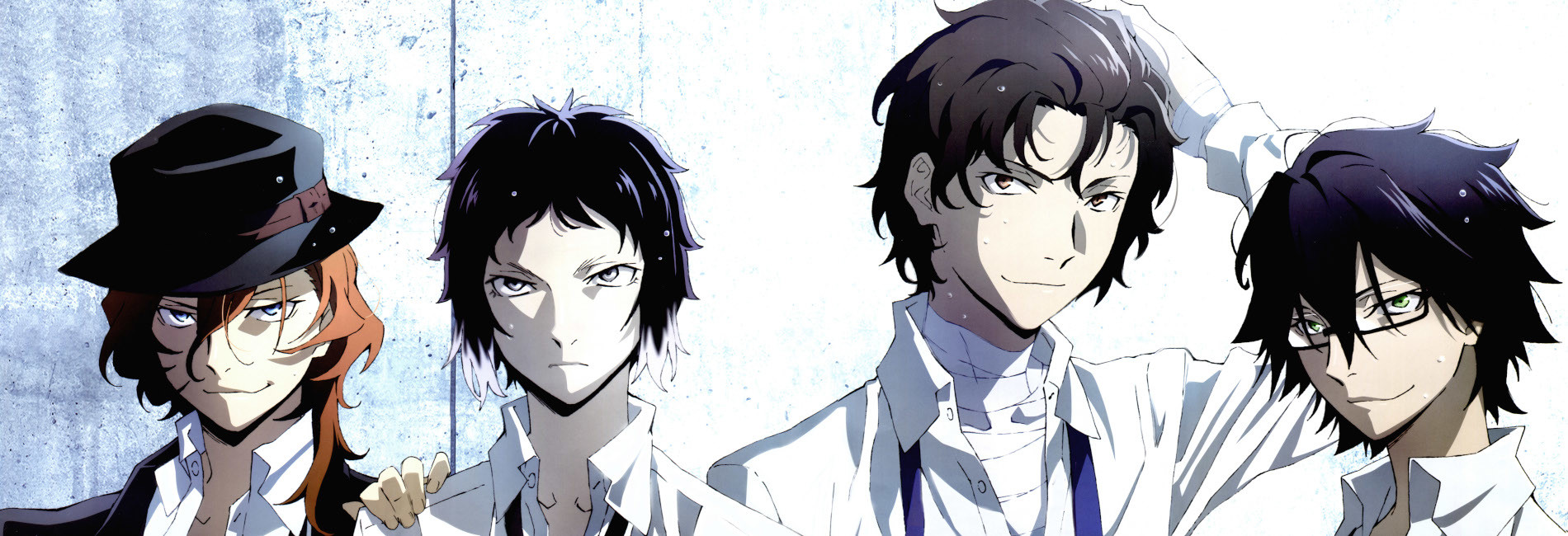
That’s the feeling Bungo Stray Dogs 3 lives inside: urban weariness. Not despair, not nihilism—but the quiet, grinding pressure of adults who’ve seen too much, chosen too often, and still show up for work the next morning. It’s in the way Dazai leans against the Agency’s window frame, not smiling, just observing; in the Port Mafia’s uneasy truce, held together less by trust than mutual calculation and shared trauma; in how “terrorism” and “detective work” bleed into the same paperwork, same coffee-stained case files, same unspoken rules about what gets buried and what gets filed. This isn’t fantasy dressed as realism—it’s realism dressed in supernatural metaphors: powers aren’t wish-fulfillment, they’re burdens you negotiate with daily, like rent or grief. The literature references aren’t decoration—they’re psychological shorthand, anchoring each character’s pain to something real, historical, enduring.
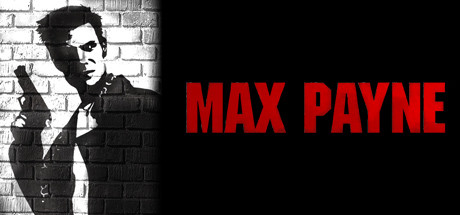
Which is why Max Payne hits so hard—not because it’s about guns (though it is), but because its Neon Noir world mirrors Yokohama’s emotional architecture: rain-slicked streets, morally frayed men operating in the gray between law and ruin, and a narrative where every action leaves a stain. The player review nails it: “a man with nothing to lose… fighting.” That’s Atsushi post-Guild, that’s Akutagawa mid-crisis, that’s even Dazai, quietly holding the line while knowing how easily it could snap. Both refuse catharsis—just like Max Payne 2: The Fall of Max Payne, whose description calls it “a violent, film-noir love story. Dark, tragic and intense.” Its “shocking twists and revelations” echo the season’s slow unraveling of loyalty—how the Port Mafia’s aid wasn’t altruism, but survival calculus; how the Guild wasn’t just an enemy, but a mirror. Love hurts, yes—but so does duty, so does mercy, so does choosing not to break when you have every reason to.
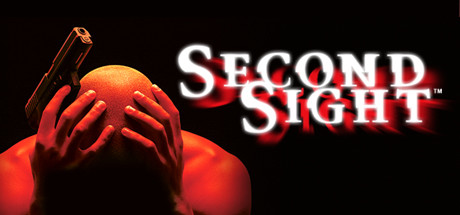
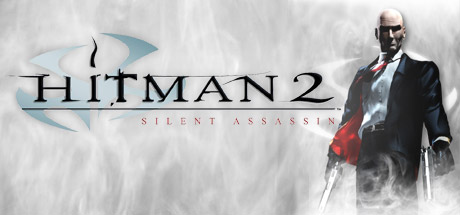
Then there’s Second Sight, with its “atmospheric, psychological thriller narrative” and “paranormal psychic abilities.” Its resonance isn’t in spectacle, but in internal logic: powers here aren’t flashy—they’re destabilizing, disorienting, tied to memory and trauma. Like Atsushi’s transformation, which doesn’t feel empowering—it feels invasive, involuntary, a loss of self that must be managed, not mastered. The player review says it’s “one of my favourite games… despite its age and wonky mechanics,” loving it for “story and mechanics”—exactly how Bungo Stray Dogs 3 works: its pacing isn’t perfect, its tonal shifts can jar, but its commitment to psychological texture—how power reshapes identity, how grief calcifies into routine—makes the flaws part of its honesty. Even Hitman 2: Silent Assassin, described as sending “a retired assassin… back into action by treason,” taps the same nerve: the weight of return, of re-engaging with a corrupted world where “loyalty and justice” are verbs, not ideals—and where every mission feels like walking back into a room you swore you’d never enter again.
This pairing isn’t for fans of power fantasies or clean resolutions. It’s for the reader who pauses mid-episode to stare out their own window, wondering if their job feels like a truce more than a calling. For the player who reloads not to win, but to understand—to see how Max chooses silence over vengeance, how Hitman spares a target not out of weakness, but precision. It’s for people who recognize weariness as a form of courage—and who find strange comfort in stories where the most heroic act is showing up, again, under the same flickering light.
🎮70 Games That Match the Vibe










Match Dimensions Explained
❓Frequently Asked Questions
Why does Max Payne 2 keep coming up in Bungo Stray Dogs 3 match lists?
Because both lean hard into tragic, noir-tinged love stories with morally gray characters—like Max’s doomed romance with Mona Sax mirroring Atsushi’s turbulent bond with Kyoka or even the layered betrayals between Dazai and Chuuya. The slow-motion gunplay, voiceover-heavy storytelling, and that signature 'neon noir' atmosphere (rain-slicked streets, shadowy alleys, heavy existential dread) hit the same emotional and stylistic notes as BSDB3’s most intense arcs.
Is there an anime adaptation of Second Sight like there is for Bungo Stray Dogs?
Nope—Second Sight is purely a game, no anime, manga, or live-action adaptation exists. It’s a self-contained psychological thriller where you play as John Vattic, a soldier awakening with psychic powers like telekinesis and mind control, sneaking through Soviet-era labs and asylum corridors—very different from BSDB3’s literary character roster, but sharing that 'adult & dark seinen' weight and eerie, grounded-yet-supernatural tension.
How does Hitman 2: Silent Assassin compare to Assassin’s Creed Director’s Cut for stealth and atmosphere?
Hitman 2 rewards patience and improvisation—you’ll disguise yourself as guards, poison tea, or stage ‘accidents’ in places like a Kyoto temple or Mumbai slum, all while wrestling with loyalty and justice like a darker, more personal version of BSDB3’s moral ambiguity. Assassin’s Creed (Director’s Cut) leans more on parkour-driven spectacle and broad historical mythos, with dated textures but that same 'neon noir' mood in its shadow-draped cities—though it lacks Hitman’s surgical, consequence-driven stealth.
What’s the best game like Bungo Stray Dogs 3 if I want that brooding, rain-soaked detective vibe with psychic twists?
Second Sight is your best bet—it’s got the moody, psychological noir tone, plus actual psychic mechanics (like stopping time to rearrange enemies or possess guards) that echo BSDB3’s ability-based combat, all wrapped in a haunting story about memory and identity. And unlike Max Payne’s bullet-time action or Hitman’s assassination contracts, Second Sight leans into mystery and internal conflict the way BSDB3 does during Atsushi’s amnesia or Dazai’s layered deceptions.