Grand Theft Auto IV: The Complete Edition
Niko Bellic, Johnny Klebitz and Luis Lopez all have one thing in common - they live in the worst city in America. Liberty City worships money and status, and is heaven for those who have them and a living nightmare for those who don't.
🎮Game Details
💬What Players Say
"An amazing video game for it's time, but is unfortunately highly unoptimized for today's GPU's regarding PC, which may lead to frequent PC crashes while playing this game. Rockstar Games will probably do absolutely nothing in order to address this issue."
"Grand Theft Auto IV: The Complete Edition is one of those true OG games that never gets old. The dark atmosphere, the story, the physics, and the vibe of Liberty City still hit different even years later. Every mission brings back memories of staying up late causing chaos with friends and cruising around listening to the radio...."
"This game is a wonderful time capsule from 2008. That includes the political and economic climate at the time, the "brown grey and realistic" aesthetic, as well as the PC port quality (which is abysmal and requires third party fixes to run at modern standards). Rockstar still had something to prove when they were making this one...."
📝Editorial Analysis
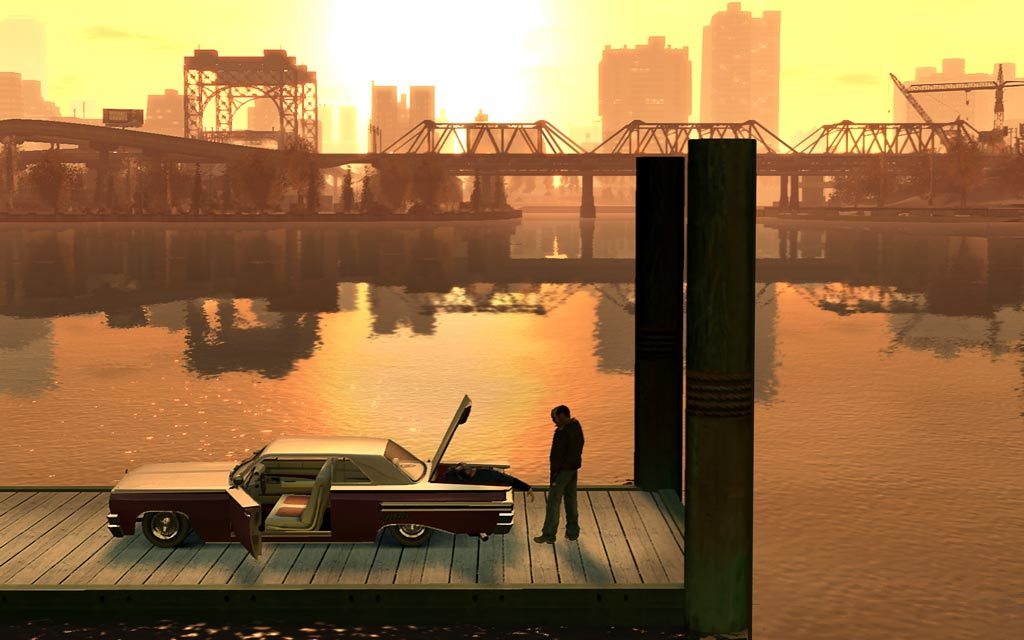
Rain slicks the asphalt of Broker’s industrial docks—not with glitter, but with oil-sheen and exhaust grime. Niko Bellic stands there, shoulders hunched under a cheap coat, watching a cargo ship pull away into the grey haze of the East River. No music swells. Just wind, distant sirens, and the low groan of a dying engine. That’s Liberty City: heavy, unforgiving, real. Not gritty realism as a visual filter—but as a weight in your chest, the kind that lingers after reading Player Review 2’s line: “the dark atmosphere… still hit different even years later.” It’s not nostalgia—it’s recognition. The city doesn’t sparkle. It sweats—brown-grey, concrete-damp, perpetually hungover from its own ambition.
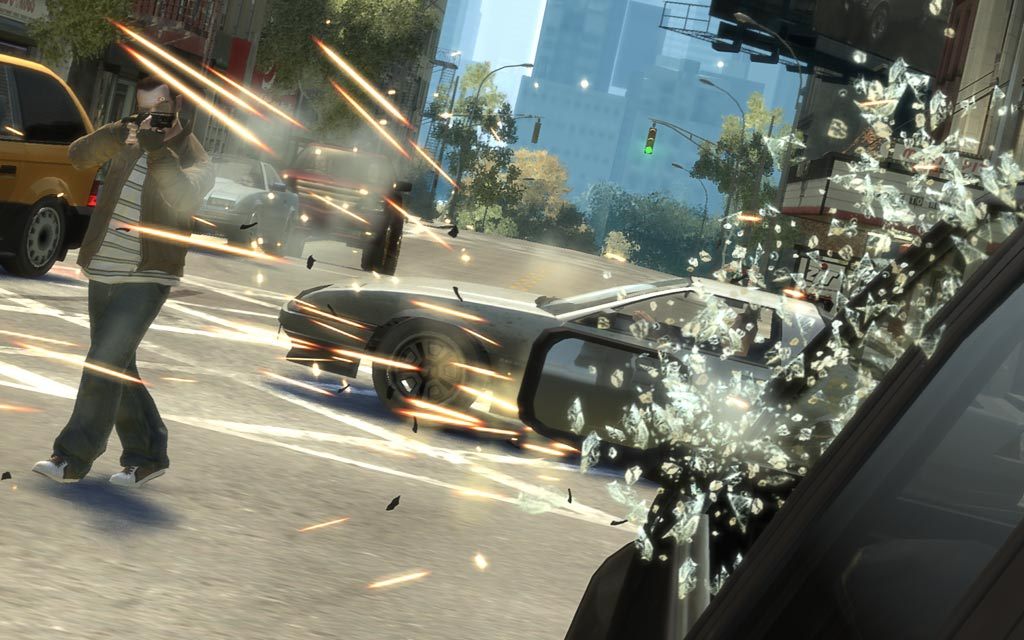
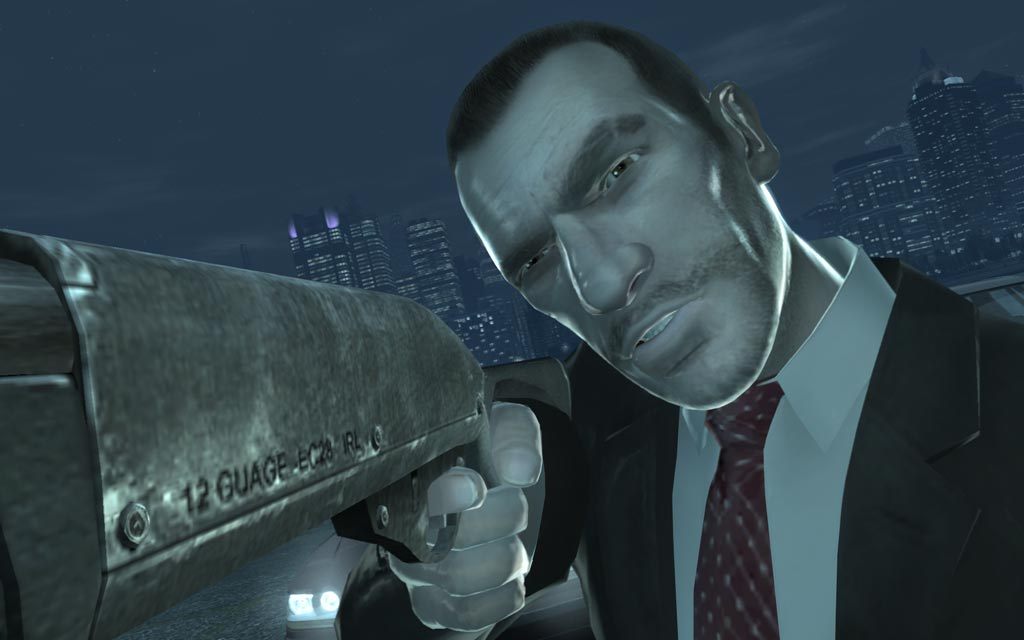
What makes Grand Theft Auto IV: The Complete Edition vibrate with such lasting resonance isn’t its open world or its gunplay—it’s how it weaponizes dissonance. Official description nails it: Liberty City “worships money and status, and is heaven for those who have them and a living nightmare for those who don’t.” That chasm isn’t abstract. It’s in the way Niko’s $100 suit hangs loose on his frame while a hedge fund manager’s black SUV glides past, tinted and silent. It’s in the jarring shift from a tense, quiet apartment argument to a sudden, physics-laden car crash where glass shatters too loudly, tires screech too long—Player Review 3 calls it a “wonderful time capsule,” and it is: not just of 2008’s recession dread or flip-phone aesthetics, but of how exhaustion feels when every ladder is rusted, every promise hollow. You don’t feel powerful in this game—you feel accountable. Every choice lands with gravity, every betrayal stings because it’s never cartoonish; it’s human, small, and devastatingly familiar.
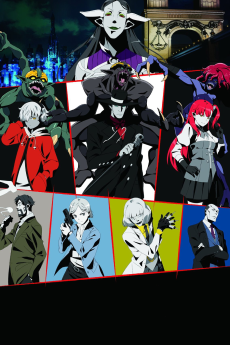
That same emotional DNA—the collision of Neon Noir with Comedy & Parody, wrapped around something deeply tactically raw or occultly unstable—pulses through the top anime matches. Paprika, scoring 70 and sharing Neon Noir, Body Horror & Occult, and Comedy & Parody, doesn’t mirror GTA IV’s realism—but its fever-dream logic echoes the game’s psychological erosion. When Niko stares at his reflection in a rain-puddled window and blinks too slowly, you’re not far from Paprika’s parade dissolving reality: both treat identity as porous, trauma as contagious, and the city itself as a nervous system gone haywire. The humor isn’t relief—it’s nervous laughter in the face of collapse.
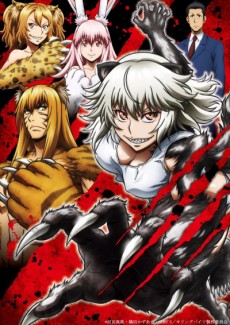
Then there’s NANBAKA, also at 70 with identical dimensions. Its prison setting swaps Liberty City’s skyline for fluorescent-lit cellblocks, but the vibe locks in: hyper-stylized yet emotionally claustrophobic, absurd gags punctuating moments of real vulnerability—like Johnny Klebitz’s final ride, where gallows humor cracks just before the bullet hits. Both use parody not to dismiss pain, but to amplify it—making the stakes feel more intimate, not less. And MARRIAGETOXIN, at 66 with Neon Noir, Comedy & Parody, and Tactical Warfare, channels GTA IV’s grim calculus: every alliance is tactical, every kiss could be a setup, every high-heeled stride across a neon-lit rooftop carries the same weary precision as Niko lining up a headshot from a fire escape. The warfare isn’t grand—it’s personal, logistical, stained with compromise.
This isn’t for players who want power fantasies. It’s for the ones who remember how it felt to walk home late at night past shuttered bodegas and flickering bus stops, heart thumping—not from fear of danger, but from the sheer effort of staying upright in a world that refuses to tilt your way. It’s for viewers who don’t flinch at a joke about debt right after a funeral scene, who recognize the exhaustion in a character’s shrug more than in their scream. They’re the ones who’ll pause Grand Theft Auto IV: The Complete Edition mid-chase—not to admire the physics, but to watch steam rise off a manhole cover and think: Yeah. That’s how tired I’ve been. They’re the ones who’ll watch Paprika’s parade twist into teeth and whisper, “That’s what my anxiety looks like.” They don’t seek escape. They seek recognition—in the brown-grey light, the unoptimized crashes, the jokes that land like bricks, the cities that breathe just a little too hard.
→40 Anime That Match the Vibe
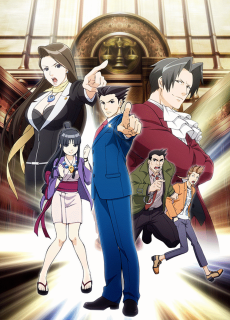
Shadows, cigarettes, and moral ambiguity — noir at its most stylish.

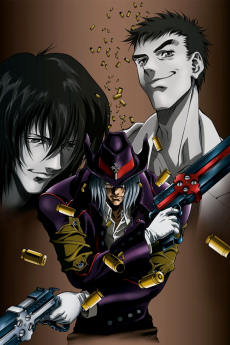
Neon Noir bleeds between Liberty City’s rain-slicked alleys and Paprika’s dream-parade—where Niko’s disillusioned gaze mirrors Dr. Chiba’s fractured duality as she slips between therapist and avatar. Unlike most crime sagas, GTA IV’s bleak satire finds eerie kinship with the film’s psychological unraveling: Johnny Klebitz’s purgatorial motorcycle ride echoes Paprika’s elevator descent into subconscious chaos, both weaponizing body horror & occult dread to expose capitalism’s hollow spectacle. That shared tonal vertigo—comic, grotesque, and devastatingly sincere—makes their collision unexpectedly resonant.
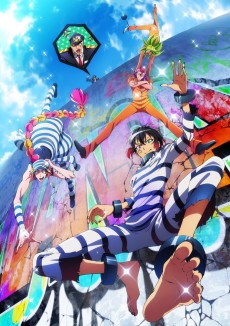
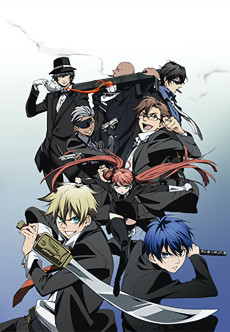
Neon Noir bleeds through Liberty City’s rain-slicked streets and NANBAKA’s fluorescent prison corridors alike—both trap characters in absurd, hyper-stylized hells where status is performance and escape is always just out of frame. Juugo’s deadpan mugshot stare mirrors Niko’s weary gaze in the “Roman’s Porn Studio” mission: two men weaponizing irony to survive systems rigged against them. Unlike most crime sagas, neither flinches from body horror—Luis’s scarred knuckles, Rokku’s grotesque transformation—while twisting trauma into jagged, dark comedy.
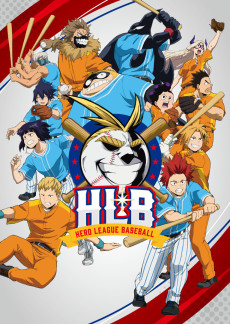
Shadows, cigarettes, and moral ambiguity — noir at its most stylish.
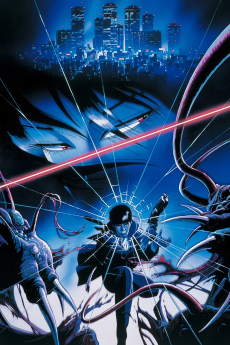
Shadows, cigarettes, and moral ambiguity — noir at its most stylish.

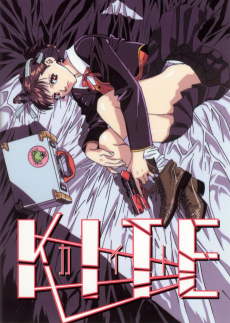
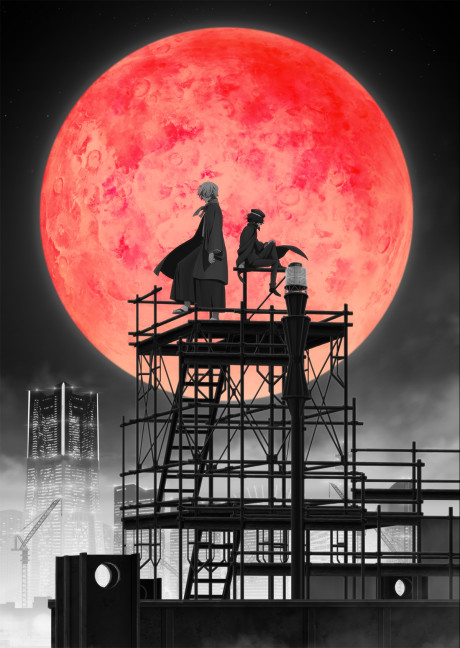
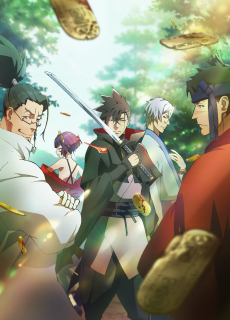
Neon Noir bleeds through Liberty City’s rain-slicked streets and the Five Great Families’ opium-drenched parlors alike—where Niko’s moral compromises mirror Hikaru’s poisoned courtship rituals. Unlike most crime sagas, both weaponize absurdity: Johnny Klebitz’s grimly earnest eulogy clashes with *MARRIAGETOXIN*’s slapstick antidote-failures, turning Tactical Warfare into dark farce. This pairing surprises by treating systemic corruption and romantic toxicity as structurally identical—power disguised as love, status as survival.

Shadows, cigarettes, and moral ambiguity — noir at its most stylish.
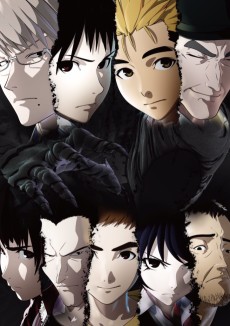
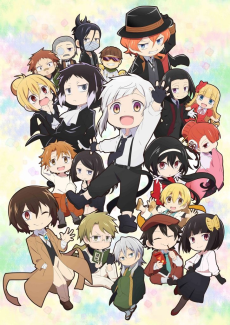
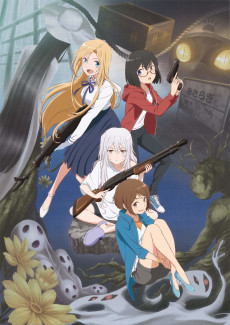
Neon Noir bleeds through Liberty City’s rain-slicked streets and AJIN’s Tokyo alleys alike—Niko’s disillusioned gaze in the Broker docks mirrors Kei’s hollow stare after his first resurrection. Where tactical warfare erupts in Niko’s LCPD ambushes and Luis’s drug-trade firefights, AJIN escalates with precise, brutal skirmishes against the Ajin Task Force, each shot framed like a grim heist gone metaphysical. Body Horror isn’t just spectacle: Niko’s war trauma reshapes his flesh and psyche; Kei’s immortality forces him to watch his own corpse reanimate—both trapped in flesh that refuses to obey narrative or moral closure.
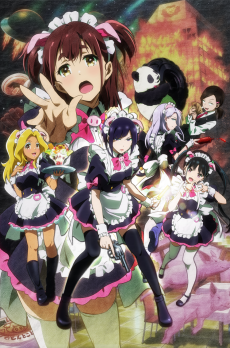
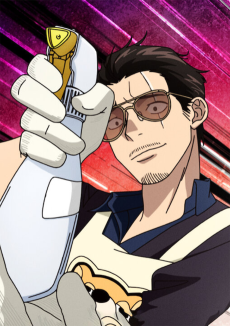
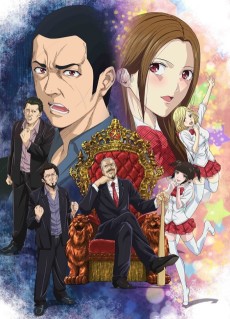
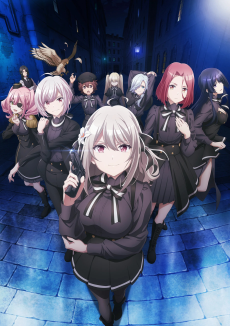
Neon-drenched alleyways pulse with identical irony in Liberty City’s rain-slicked streets and Akihabara’s pachinko parlors—both weaponize 🌃 Neon Noir to mock aspirational capitalism. Nagomi’s earnest café dreams collide with Niko’s vengeful hustle, revealing how tactical warfare 🎯 emerges not from armies, but from desperate individuals navigating rigged hierarchies. Unlike most crime sagas, neither work romanticizes power; they dissect it through absurdity 😂—Luis’s nightclub negotiations mirror the maids’ boardroom-style gang summits, sharp and hilariously unglamorous.

Neon Noir bleeds through both Liberty City’s rain-slicked streets and Eden College’s fluorescent hallways—Niko’s disillusioned stare mirrors Anya’s wide-eyed surveillance of her fake family. Where tactical warfare means Niko’s cover-blown heist or Loid’s split-second hostage negotiation, SPY x FAMILY refracts that tension into slapstick: a child’s psychic panic attack derailing a spy op just as Johnny Klebitz’s quiet honor shatters under mob pressure. The resonance isn’t in genre, but in how both weaponize comedy & parody to expose the absurd violence beneath performative normalcy.







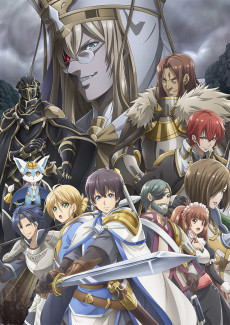
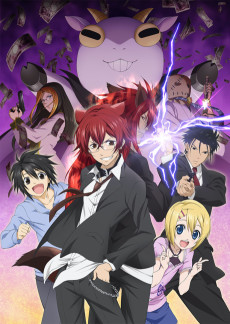
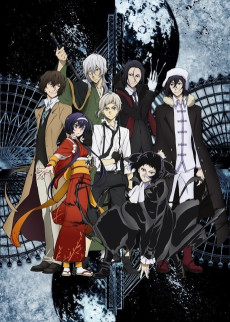
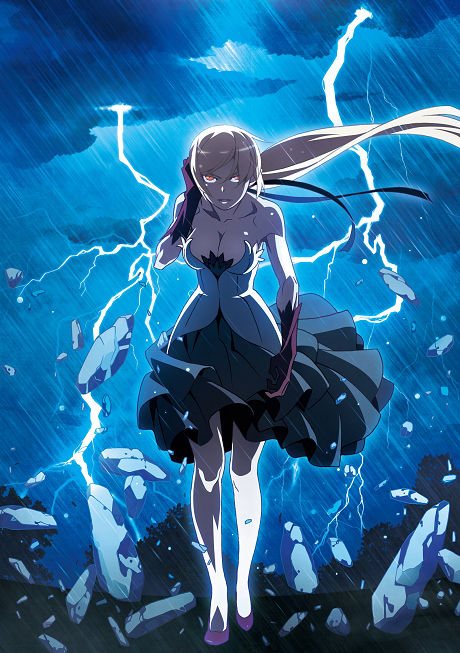
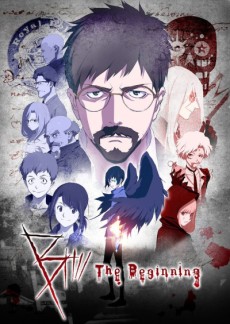
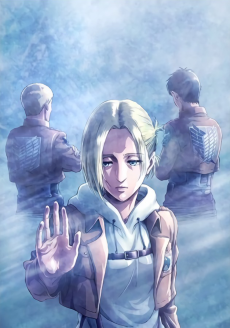

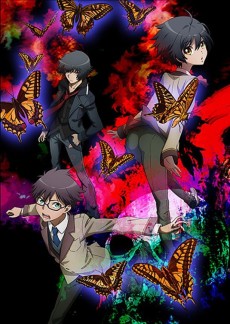
Match Dimensions Explained
❓Frequently Asked Questions
Why is Paprika compared to GTA IV: The Complete Edition despite being a surreal anime?
Paprika nails GTA IV’s 'Neon Noir' dimension with its gritty, rain-slicked Tokyo streets and morally ambiguous characters—like the fragmented psyche of Niko Bellic mirrored in Paprika’s dream-heist sequences where reality bleeds into hallucination. Both use oppressive urban atmospheres (Liberty City’s brown-grey palette vs. Paprika’s flickering neon-lit alleys) to amplify existential dread, and that shared 'Body Horror & Occult' layer shows up when Niko’s PTSD flashes cut to Paprika’s melting faces and distorted limbs—no coincidence, just tonal kinship.
Is there an anime adaptation of Grand Theft Auto IV?
No—Rockstar has never licensed or produced an official anime adaptation of GTA IV, and none of the matching titles (like NANBAKA or SPY x FAMILY) are adaptations. They’re standalone anime that *resonate* with GTA IV’s vibe: NANBAKA’s prison-break chaos and cynical one-liners echo Johnny Klebitz’s weary fatalism, especially in scenes where he stares down betrayal in a grimy Liberty City alley—same aesthetic, zero licensing.
How does Akiba Maid War compare to MARRIAGETOXIN for GTA IV fans?
Akiba Maid War leans harder into GTA IV’s tactical grit—think Luis Lopez’s street-level gunfights reimagined as maid squads using vacuum cleaners and frying pans in Akihabara backstreets, complete with physics-based ragdoll stumbles that mimic GTA IV’s janky but beloved vehicle collisions. MARRIAGETOXIN swaps that for darker political maneuvering, like Niko’s ‘Mikhail Faustin’ arc, where wedding receptions double as assassination setups—both hit the 'Neon Noir + Tactical Warfare' match, but Akiba’s more chaotic, MARRIAGETOXIN’s more cold-blooded.
What’s the best anime like GTA IV for that bleak, rain-soaked 2008 vibe?
NANBAKA is your pick—it’s got that exact 'brown-grey and realistic' aesthetic Rockstar nailed in 2008, with Liberty City’s decaying infrastructure echoed in NANBAKA’s crumbling prison walls and flickering fluorescent lights. Scenes like the inmates’ desperate rooftop escape mirror Niko’s early missions in Broker: low-budget, high-stakes, zero glamour—and the dark comedy lands like Niko’s dry, exhausted one-liners after yet another botched deal.