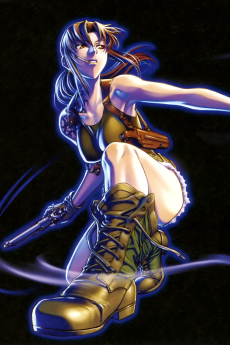
Black Lagoon: The Second Barrage
Okajima Rokuro - now known almost exclusively as 'Rock' - was once a typical, put-upon Japanese businessman. Then, on a routine business trip, he was kidnapped and ransomed by the Lagoon Company: a band of mercenary pirates operating out of the crime-riddled city of Roanapur. Abandoned by his bosses, he joined the Lagoon Company. Now he must try and stay afloat amongst the ever-shifting politics of the criminal underworld, while simultaneously avoiding death at the hands of his quick-tempered, gun-toting co-worker, 'Two Hand' Revy.
(Source: Anime News Network)
📺Anime Details
📝Editorial Analysis
The smell of diesel and wet concrete hits before the gunshot—then the silence afterward, thick and heavy as the Roanapur monsoon air. Rock stands in the rain-slicked alley behind the Hotel Dandy, breath shallow, hands trembling not from fear but from the weight of his own choice: he just lied to Revy, not to save himself, but to protect her. Not heroically—clumsily, desperately—because loyalty here isn’t declared; it’s forged in the split-second hesitation before pulling the trigger, or the decision not to.

That’s the core vibration of Black Lagoon: The Second Barrage: not adrenaline, but gravity. It’s the slow, grinding pressure of moral erosion disguised as pragmatism—the way a man who once flinched at raised voices now checks magazine capacity while debating whether to buy cheap whiskey or better ammo. This isn’t stylized coolness; it’s exhaustion with purpose. The neon doesn’t dazzle—it bleeds into puddles, reflecting fractured faces and flickering signs that promise nothing but debt and delay. You don’t feel empowered watching it. You feel anchored: to consequence, to compromise, to the quiet horror of realizing you’ve stopped asking if you’ll cross a line—and started negotiating where it bends.
Which is why Second Sight lands like a gut-punch from the same emotional frequency. Its description names “atmospheric, psychological thriller narrative” and “paranormal psychic abilities”—but the player review cuts deeper: “I've loved this game for its story and mec…” That trailing ellipsis? That’s the sound of someone remembering how it felt to crawl through ventilation shafts while your own mind unravels, how stealth wasn’t about evasion but about holding yourself together long enough to pull the trigger—or not. Like Rock parsing Revy’s rage mid-firefight, Second Sight forces you to listen to your own instability. The “Neon Noir” dimension isn’t visual polish—it’s the dissonance between slick surfaces and rotting infrastructure, between psychic clarity and cognitive collapse. Both demand you operate inside the damage, not above it.
Then there’s Hitman 2: Silent Assassin, where the description drops the phrase “a retired assassin, forced back into action by treason”—and immediately anchors him in “a sense of loyalty and justice.” Not ideology. Not dogma. Loyalty. Just like Rock’s quiet defense of the Lagoon Company even as he watches them burn bridges, betray allies, and laugh over corpses. The player review’s fragmented tone—“You forget what reality is”—mirrors the anime’s destabilizing rhythm: one moment you’re calculating bullet trajectories with cold precision (Revy’s dual-wield ballet), the next you’re staring at a child selling cigarettes outside a brothel, wondering if “justice” is just another word for delayed vengeance. The “Adult & Dark Seinen” dimension isn’t demographic—it’s the refusal to let characters hide behind motive. They act. They regret. They act again.
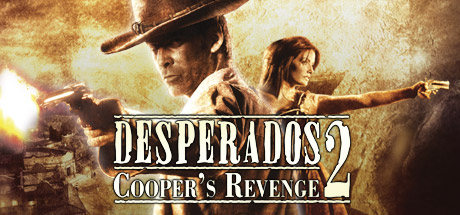
And Desperados 2: Cooper's Revenge, though set in the Wild West, shares something rawer: its description calls it “tactical,” yes—but the player review confesses disappointment, calling it “not so much” compared to the first. That hesitation? That dissonance between expectation and execution? That’s The Second Barrage’s heartbeat. Rock isn’t becoming a killer—he’s becoming fluent in the grammar of violence: when to interrupt, when to defer, when to lie with his eyes open. Desperados 2’s clunky AI, its janky timing—those aren’t flaws in isolation. They’re textures that echo Roanapur’s friction: plans collapse, allies misfire, and survival depends on reading the room while the gun’s still hot.
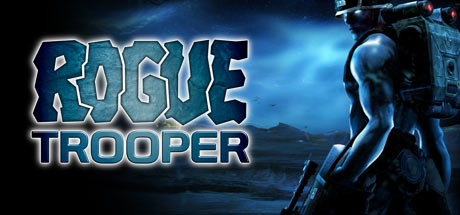
This isn’t for fans of clean arcs or cathartic payoffs. It’s for the ones who rewatch Rock’s silent walk home after the Yakuza job—not for the action, but for the way his shoulders drop just before he opens the door. For players who reload Hitman: Codename 47 not to perfect the kill, but to study how the guard’s idle animation changes when you’ve been spotted once, and only once. For anyone who’s ever paused Rogue Trooper, not at the explosion, but at the moment the GI’s voice cracks mid-transmission—not from pain, but from recognition: this war won’t end, but I’ll keep walking.
They’re all speaking the same dialect: low, weathered, soaked in rain and regret—and utterly, unforgettably alive.
🎮18 Games That Match the Vibe

Match Dimensions Explained
❓Frequently Asked Questions
Why is Second Sight always mentioned alongside Black Lagoon: The Second Barrage?
Because both lean hard into that gritty, morally ambiguous Neon Noir + Adult & Dark Seinen vibe—think Revy’s brutal pragmatism mirrored in Second Sight’s psychic spy John Vattic, who tears through enemies with telekinesis and mind control while unraveling a paranoid, psychological thriller plot. The stealth-action pacing, oppressive atmosphere, and emphasis on tactical choices over pure run-and-gun (like in The Second Barrage’s ambush-heavy docks or hotel raids) make them spiritual siblings—even if Second Sight swaps Thai jungles for Soviet labs.
Is there a Black Lagoon game adaptation of The Second Barrage anime?
No—there’s never been an official video game adaptation of *Black Lagoon: The Second Barrage*. The only canon Black Lagoon game is the 2006 PS2 title *Black Lagoon*, which covers the first season and ends before The Second Barrage even begins. So when fans hunt for games *like* The Second Barrage’s tone—gritty, tactical, morally gray—you land on titles like *Hitman 2: Silent Assassin*, where Agent 47’s cold precision and morally complex hits (like assassinating a corrupt general in a neon-drenched Bangkok embassy) echo the anime’s blend of stylish violence and seedy realism.
How does Desperados 2 compare to Hitman: Codename 47 for Black Lagoon-style tactical chaos?
Desperados 2 leans into wild west squad-based tension—think Dutch’s crew coordinating ambushes across canyons and saloons—while Codename 47 is all about lone-wolf, disguise-driven infiltration (like slipping into a Nort bunker as a guard, just like Revy blending into Roanapur’s underworld). Both share that Neon Noir/Tactical Warfare DNA and score 78/77, but Codename 47’s janky-yet-brilliant stealth systems (and its infamous 'throw a coin to distract guards' trick) nail The Second Barrage’s vibe of calculated, high-stakes improvisation better than Desperados 2’s more rigid timing.
What’s the best game like Black Lagoon: The Second Barrage if I want that ‘Roanapur at midnight’ mood—gritty, tense, and morally messy?
Go straight to *Rogue Trooper*: it’s got that same poisoned, rain-slicked, neon-bleeding aesthetic—Nu Earth’s toxic wastelands feel like Roanapur’s back alleys after a blood-soaked gunfight. You play as a genetically engineered soldier with his comrades’ AI voices in your gear (like Balalaika’s loyalists whispering intel), using cover-based tactics and environmental traps to survive endless war—no clean heroes, no easy wins. It’s a hidden gem, just like The Second Barrage itself: raw, atmospheric, and unapologetically dark.