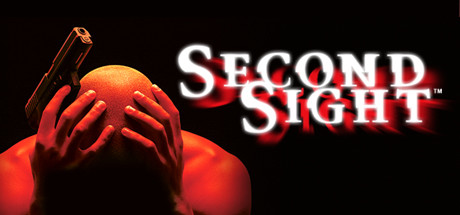
Second Sight
Combining an atmospheric, psychological thriller narrative with paranormal psychic abilities, stealthy exploration and intense shooter action, Second Sight brings a new dimension to stealth action games, giving players control of a character endowed with incredible psychic abilities.
🎮Game Details
💬What Players Say
"Second Sight, hands down, is one of my favourite games of all time. Despite its age and wonky mechanics, I've loved this game for its story and mechanics. Playing through the story, discovering new abilities and learning more about yourself or....."
"A classic espionage thriller with psychic powers. A gem of the early 2000s, sadly overshadowed by other games that came out around that time. Pros: Psychic powers are fun and allow for both stealthy and loud gameplay The plot is engaging and the voice acting is decent for its time Very cool end-game plot twist Cons: Game is a little easy thanks to all the psychic tools you're given...."
📝Editorial Analysis
The flicker of a fluorescent light in a Soviet-era corridor—buzzing, uneven, casting long, trembling shadows as you press yourself against cold concrete. Your breath hitches. Not from fear of gunfire, but from the weight of what just happened: you’ve just reversed time three seconds to undo a guard’s fatal shot—not with a gadget, not with luck, but with raw, trembling will. That’s Second Sight: not a power fantasy, but a psychological tremor made playable. It’s the exhaustion in your thumbs after holding down the telekinesis button too long, the quiet dread before activating mind control—not because it’s risky, but because you feel the guard’s resistance, the hollow echo of his thoughts dissolving into compliance. As one player put it, you’re “discovering…”—not just plot points, but yourself, fractured and reassembling across layers of memory, trauma, and suppressed identity. The official description nails it: atmospheric, psychological, paranormal—not as spectacle, but as texture. Even the “wonky mechanics” don’t break immersion; they deepen it, like a nervous system glitching under stress.
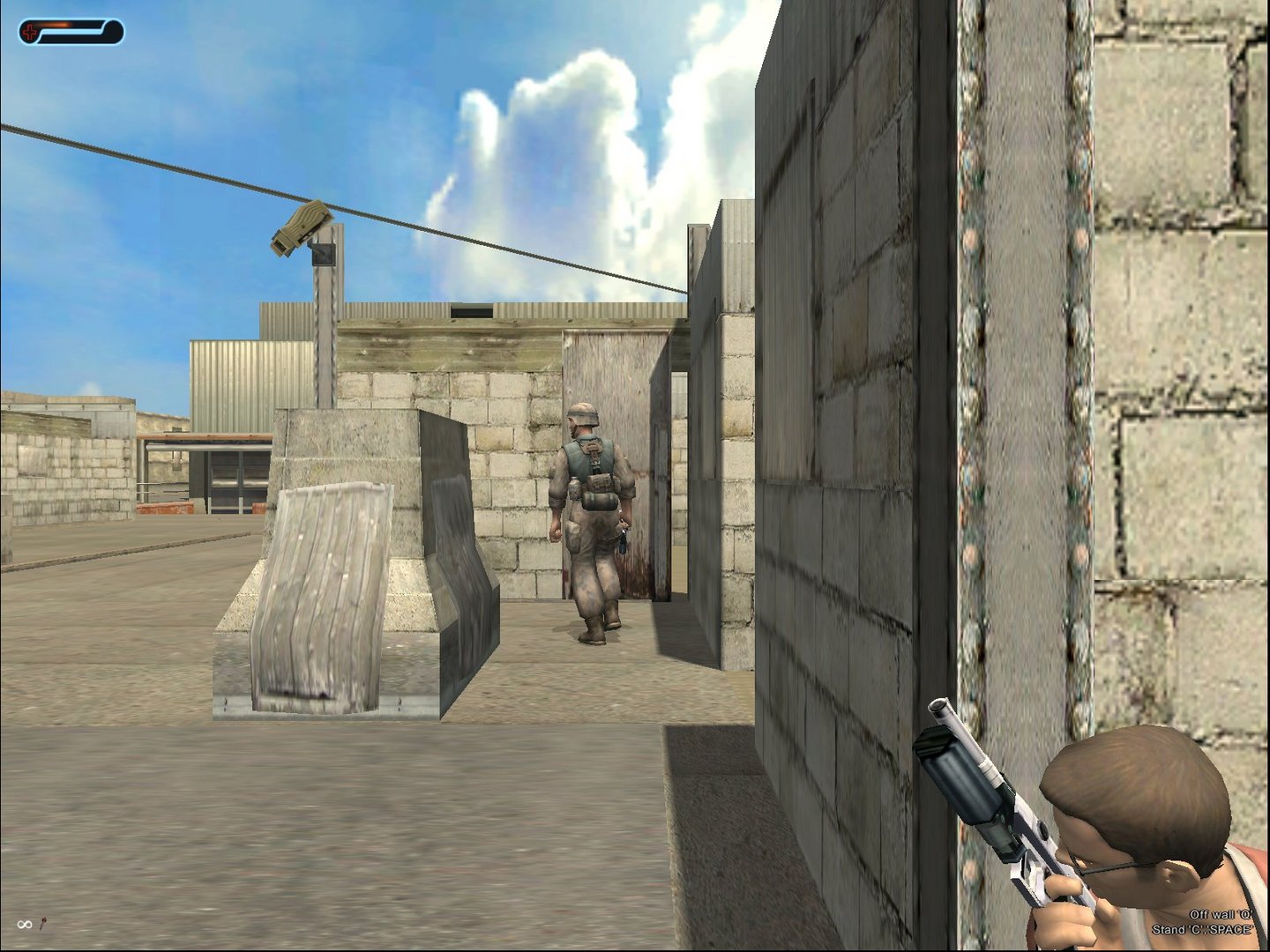
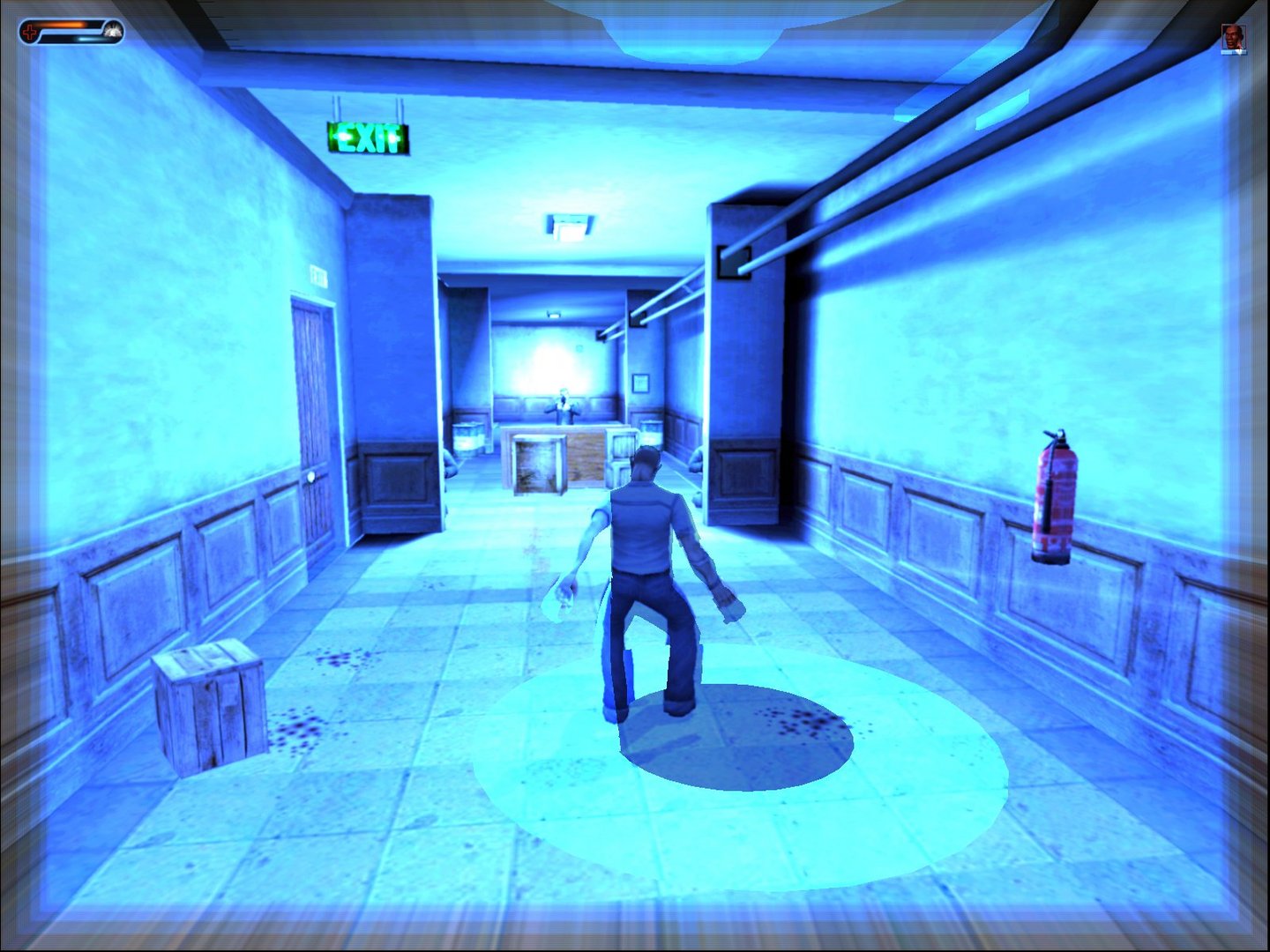
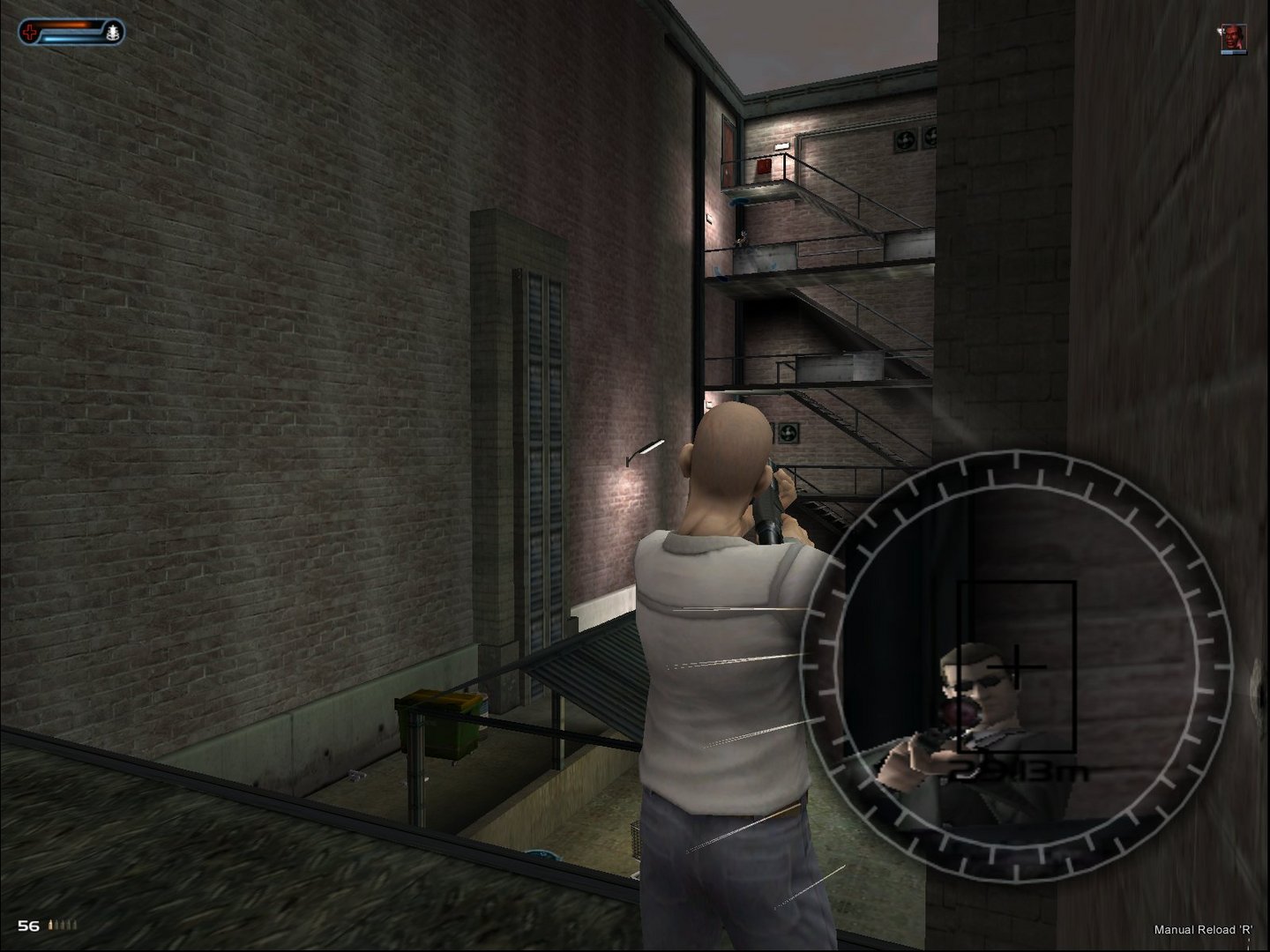
What lingers isn’t the stealth takedowns or the shooter set-pieces—it’s the silence between them. The game doesn’t pulse with adrenaline; it thrums with unease. You walk through abandoned labs and rain-slicked docks not as an agent on assignment, but as someone slowly remembering why their hands shake when they levitate a scalpel. There’s no heroic score swelling—just low drones, muffled radio static, the wet scrape of boots on wet tile. This isn’t paranoia as plot device; it’s paranoia as physiology. You question every reflection, every echo, every pause in dialogue—not because the story demands it, but because the game’s architecture invites doubt: is that flashback real? Is that voice yours—or implanted? It makes you feel unmoored, yet hyper-aware—a state both vulnerable and sharply focused. That duality—tense, intimate, claustrophobic—is its emotional signature. Not mystery for its own sake, but mystery as self-erasure.
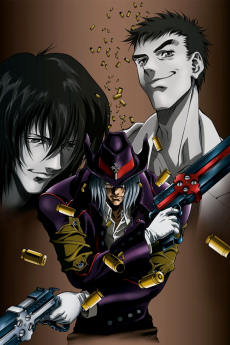
Black Lagoon: The Second Barrage shares that same neon noir grit—not just in palette, but in moral erosion. Revy doesn’t wield psychic powers, but her combat feels like a violent extension of her fractured psyche: every gunshot cracks open another layer of suppressed rage and grief. Like Second Sight, it trades clean heroism for tactical warfare rooted in consequence—bullets have weight, choices leave scars, and no victory feels untarnished. The rain-drenched streets of Roanapur aren’t backdrops; they’re pressure chambers where identity frays under sustained fire.
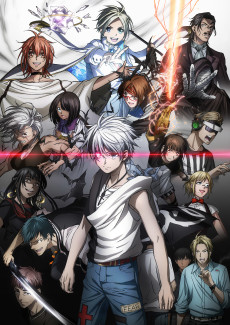
B: The Beginning mirrors the game’s adult & dark seinen gravity—not in gore, but in how power isolates. Its protagonist doesn’t master his abilities; he bargains with them, each use narrowing his margin for error, deepening his alienation. The tactical set-pieces—tight corridors, timed distractions, environmental manipulation—aren’t about efficiency. They’re about control slipping, then snapping back, raw and desperate. Just like reversing time in Second Sight, Koku’s gravity bursts feel less like superpowers and more like psychic hemorrhaging: brilliant, necessary, and quietly devastating.
Cowboy Bebop carries the same sci-fi & space melancholy—but crucially, the same tactical warfare restraint. Spike doesn’t dominate fights; he listens to them—the rhythm of footsteps, the hesitation before a draw, the split-second gap where instinct overrides training. His calm isn’t confidence; it’s the stillness of someone who’s already lost everything and now moves only in response to echoes. That’s the heartbeat of Second Sight: action born not from dominance, but from recognition—of patterns, of trauma, of the fragile line between perception and delusion.
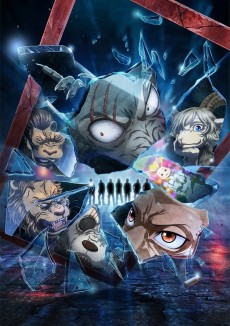
This pairing speaks to the person who watches a sniper’s breathing slow before a shot—and feels their own chest tighten. Who replays a quiet scene in Bungo Stray Dogs 4, not for the power display, but for the way the lighting catches the exhaustion in Atsushi’s eyes after he stops the bullet. Who remembers playing Second Sight not for the final boss, but for the moment they first realized the “flashbacks” weren’t flashbacks at all—they were present tense, bleeding through. These aren’t stories about saving the world. They’re about surviving the self—fractured, resilient, aching—in worlds that refuse to hold still.
→166 Anime That Match the Vibe
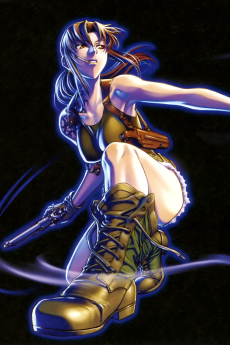
Neon-drenched alleyways in *Black Lagoon: The Second Barrage*—where Rock watches a grenade’s arc illuminate Revy’s smirk—mirror the flickering asylum corridors of *Second Sight*, where John Vattic’s psychic visions fracture reality mid-chase. Unlike most thrillers that separate mind and gunplay, both weaponize 🌃 Neon Noir to blur perception and violence: Vattic’s telekinesis echoes Rock’s moral disintegration as he grips a pistol he once feared. That shared tension—between tactical precision and psychological unraveling—makes their resonance startlingly intimate, not just stylistic.

Shadows, cigarettes, and moral ambiguity — noir at its most stylish.
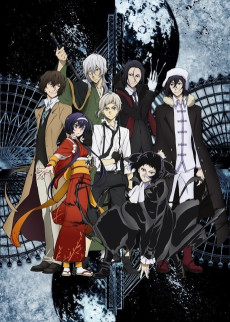
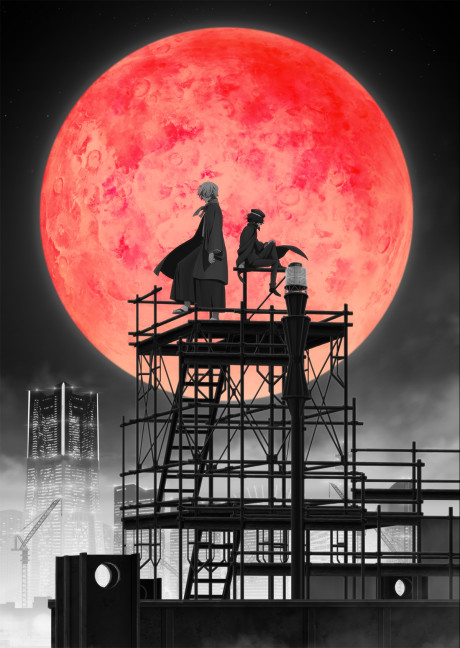
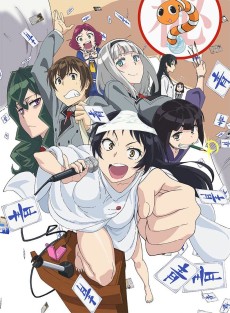
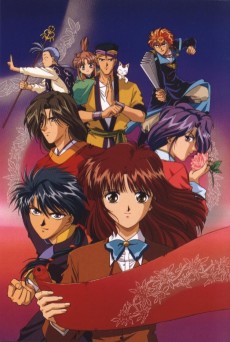
Neon-lit alleyways in Yokohama’s rain-slicked docks—where Atsushi’s white tiger claws tear through Francis’s illusions—echo Second Sight’s asylum corridors warped by psychic feedback. Unlike most supernatural action, both weaponize *Neon Noir*: fractured realities bleed into tactical combat, turning perception itself into cover. That shared tension—between fragile sanity and explosive power—makes their dark-seinen resonance startlingly precise, not just stylistic but structural.

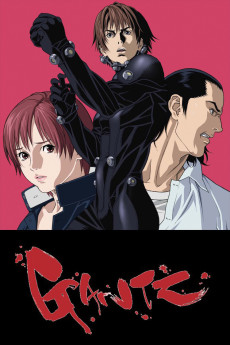
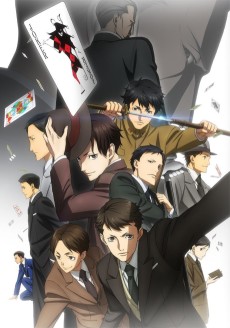
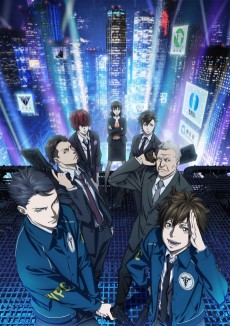
Hell’s Gate’s crimson haze mirrors the asylum’s flickering fluorescent lights—both spaces warp perception as psychic strain bleeds into reality. Hei’s silent takedowns in neon-drenched Tokyo alleys echo John Vattic’s tense, methodical breaches of Soviet labs, where every stealth choice carries moral weight and tactical precision. Unlike most sci-fi thrillers, neither flinches from the cost: conscience erosion isn’t metaphorical—it’s the price of a single telekinetic strike or memory-wipe.

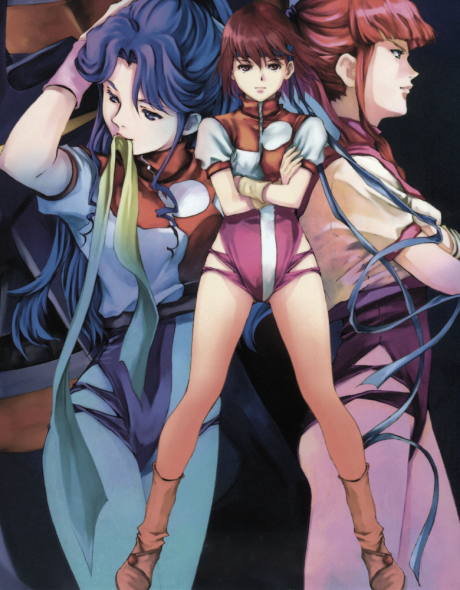
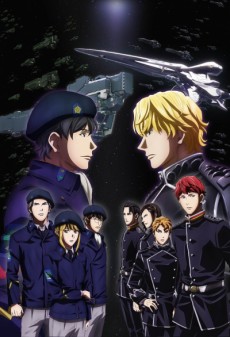
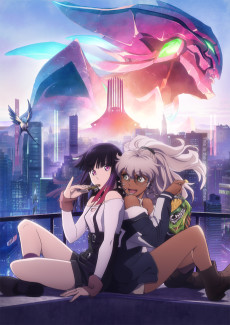
Neon-lit alleyways pulse with the same uneasy stillness where Kazuki pauses mid-mission—gun drawn, breath held—just as John Vattic does before triggering a psychic rewind in Second Sight’s rain-slicked asylum corridors. 🌃 Neon Noir binds them: not just palette, but the tension between lethal precision and sudden, tender vulnerability—Rei cradling Miri after a firefight mirrors Vattic’s fractured care for his lost sister. Where tactical warfare sharpens every movement, it also frames intimacy as its own kind of high-stakes operation.
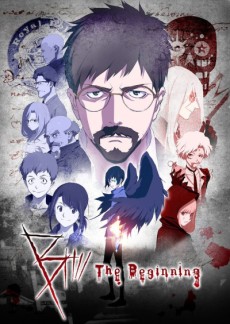
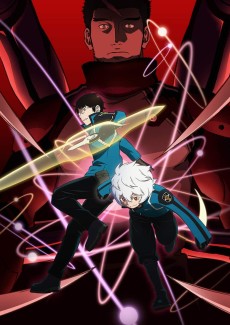
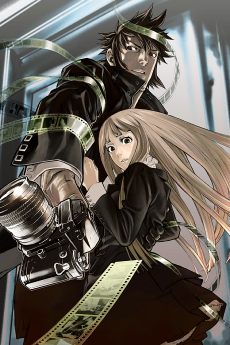
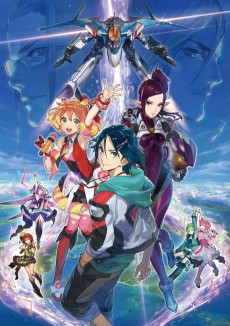
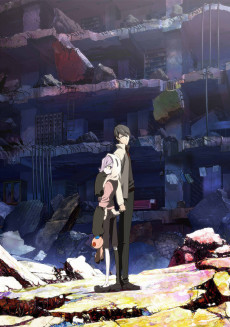
Neon-drenched alleyways in Cremona pulse with the same paranoid stillness as Second Sight’s asylum corridors—where every shadow might conceal surveillance or psychic static. Koku’s silent, tactical evasion mirrors John Vattic’s stealthy psychic reconnaissance, both weaponizing darkness under 🌃 Neon Noir’s oppressive glow. Unlike most supernatural thrillers, neither indulges in exposition; instead, trauma fractures perception itself—making the line between memory, hallucination, and enemy ambush terrifyingly thin.
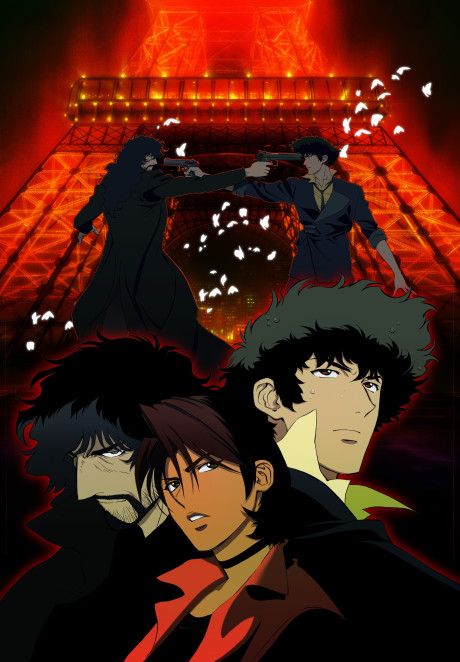
Shadows, cigarettes, and moral ambiguity — noir at its most stylish.
Shadows, cigarettes, and moral ambiguity — noir at its most stylish.
Shadows, cigarettes, and moral ambiguity — noir at its most stylish.

Shadows, cigarettes, and moral ambiguity — noir at its most stylish.






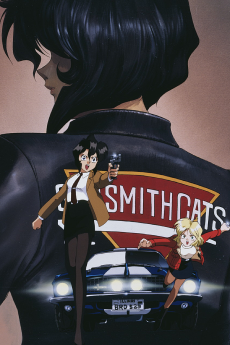
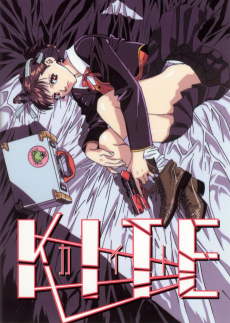
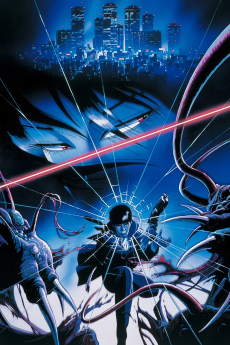

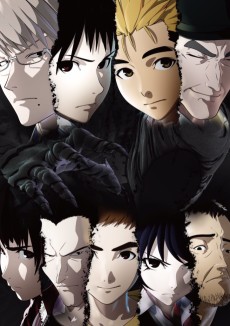

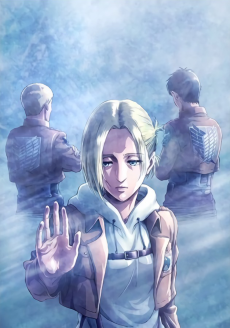
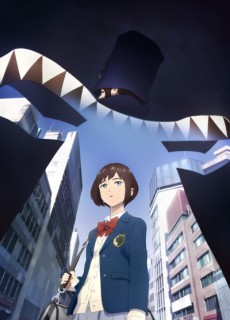
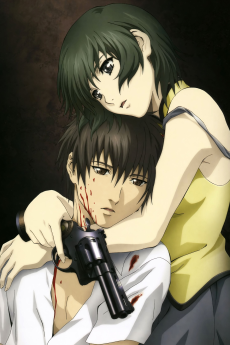



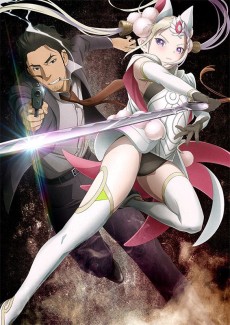





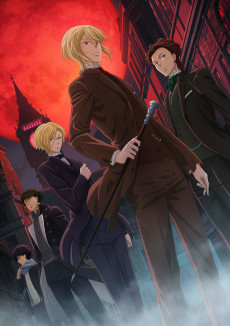

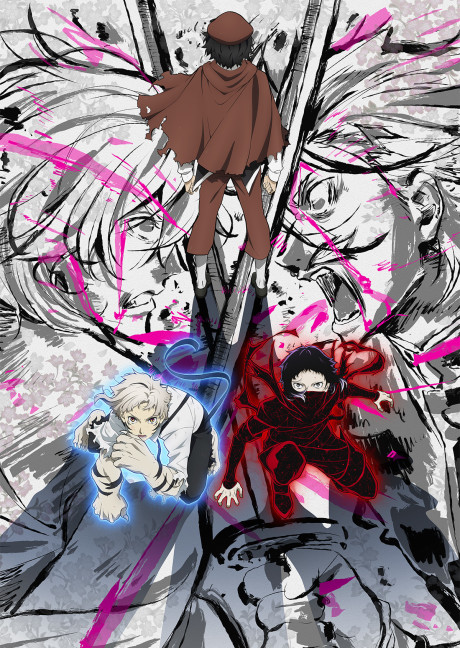


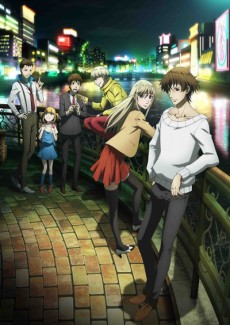

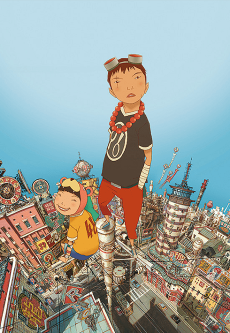

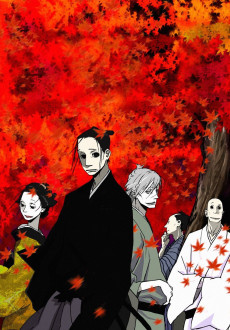



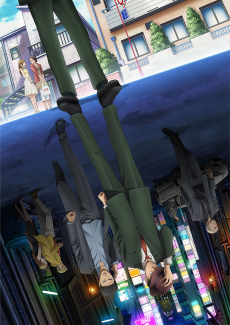






















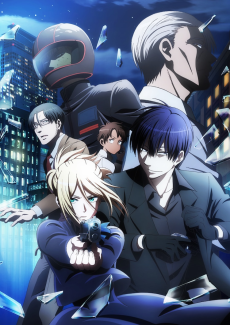

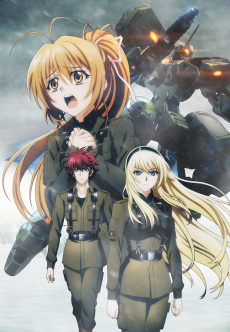
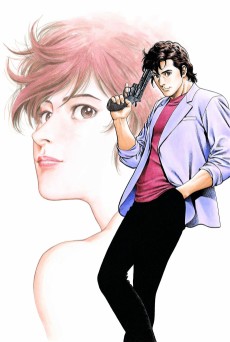
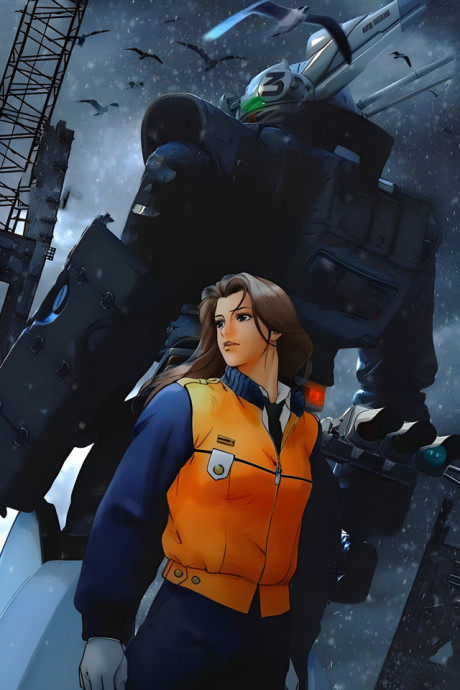






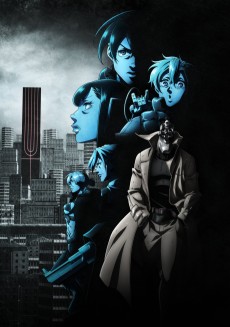

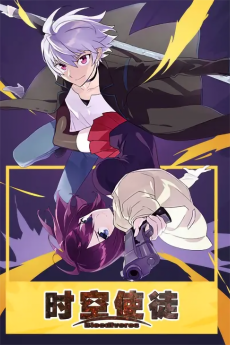

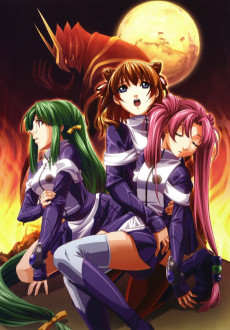


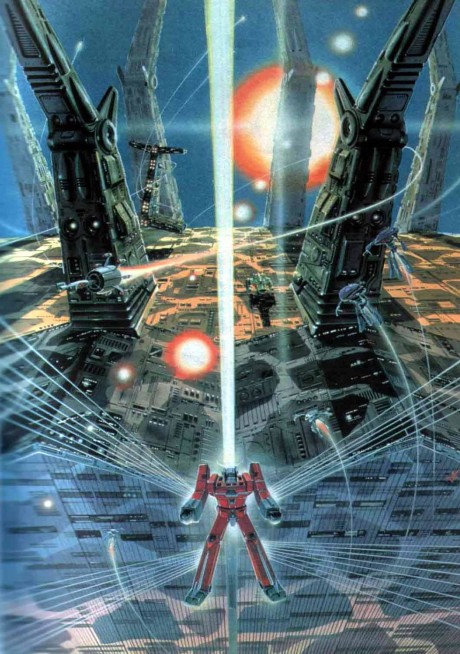

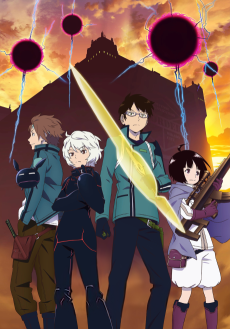

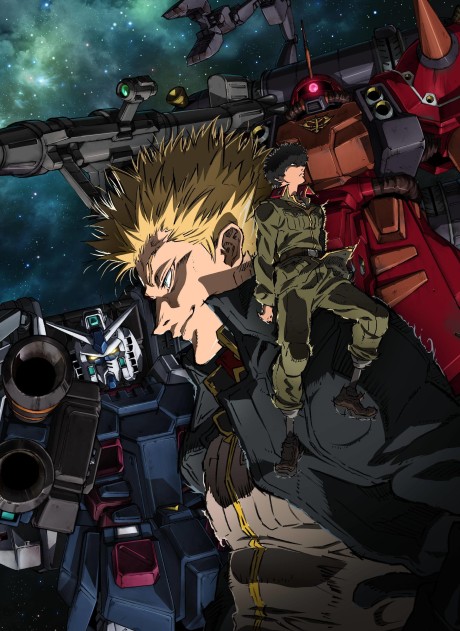
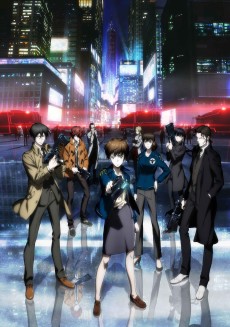
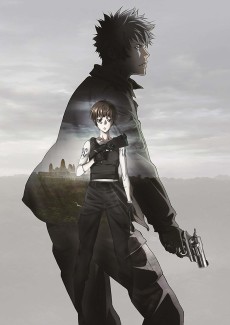
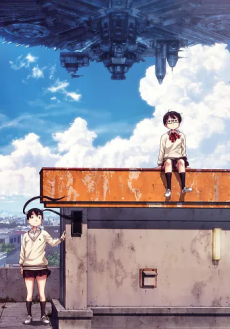

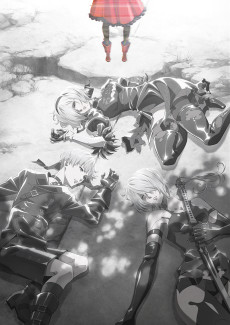


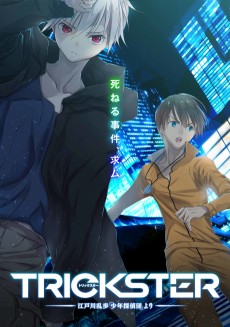
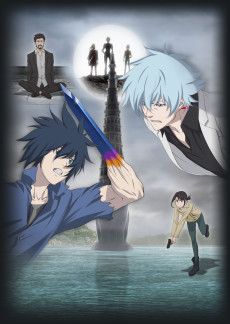









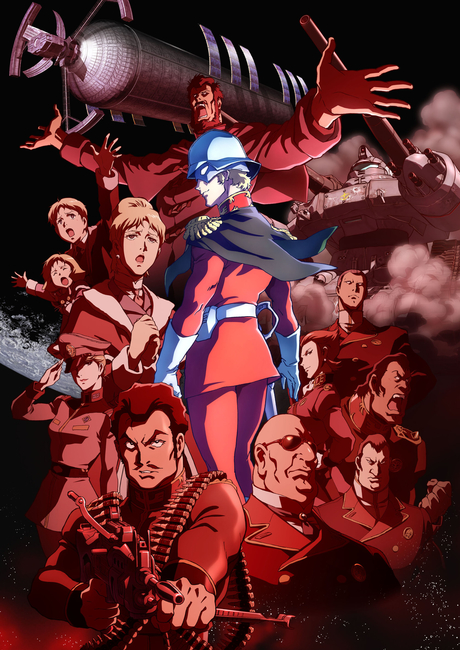
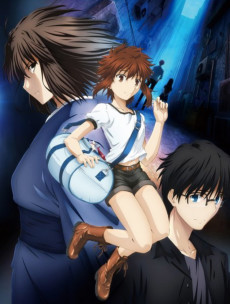

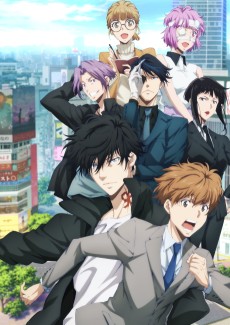
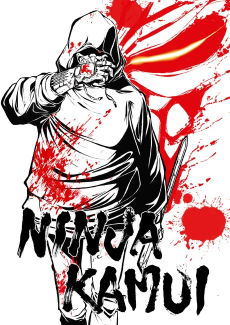











Match Dimensions Explained
❓Frequently Asked Questions
Why is Black Lagoon: The Second Barrage on the 'Anime Like Second Sight' list?
Because it nails that same gritty, neon-drenched espionage vibe—Revy’s brutal close-quarters takedowns and the Lagoon Company’s high-stakes heists mirror Second Sight’s blend of tactical stealth and explosive action. Just like John Vattic using telekinesis to flip guards or freeze time mid-gunfight, Revy’s dual-wielding chaos feels equally visceral and controlled in tense, rain-slicked urban environments.
Is there an anime adaptation of Second Sight?
No—Second Sight was never adapted into an anime. It remains a standalone PS2/Xbox/PC game from 2004, but its DNA lives on in shows like Terror in Resonance, where Nine and Twelve’s psychic-linked sabotage ops echo Vattic’s mission-driven psychic infiltration—down to the moody synth score and morally gray tradecraft.
How does B: The Beginning compare to Cowboy Bebop for Second Sight fans?
B: The Beginning leans harder into the tactical, grounded psychic thriller side—think Yuki’s precise, almost surgical use of ‘The Power’ during rooftop chases or silent corridor takedowns—while Cowboy Bebop adds more sci-fi swagger and jazz-fueled melancholy (like Spike’s gravity-defying gunplay in the Ganymede Ballroom). Both hit the Neon Noir + Tactical Warfare sweet spot, but B feels closer to Second Sight’s claustrophobic, ability-driven pacing.
What’s the best anime like Second Sight if I want that tense, paranoid ‘lone psychic operative’ mood?
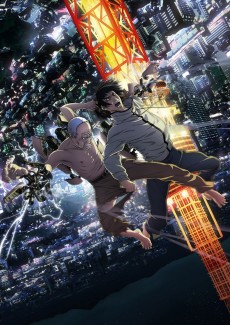
Terror in Resonance is your top pick—Nine’s cold, hyper-analytical mind and Twelve’s empathic volatility mirror Vattic’s duality, especially in scenes like their synchronized bombing prep in Tokyo Tower, where every second counts and surveillance feels omnipresent. It’s got that same adult, psychologically layered tension—no filler, just precision, consequence, and quiet dread.