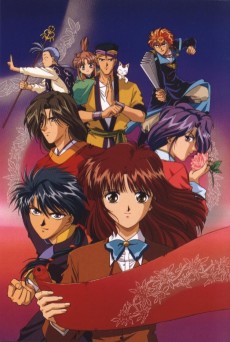
Fushigi Yugi: The Mysterious Play
📺Anime Details
📝Editorial Analysis
The first time Miaka yells “I’m not a doll!”—voice cracking, tears hot and furious as she slams her palm against the lacquered floor of the Konan palace—it doesn’t feel like a trope. It feels like breath returning after holding it too long. Her bare feet are dusty from running across sun-warmed stone; her hair’s half-escaped its ribbon; the scroll of The Universe of the Four Gods lies open beside her, ink still faintly smudged where she’d traced Nuriko’s name with trembling fingers. That moment isn’t about power or plot—it’s about recognition: the shock of being seen, then reshaped, then asked to choose—again—while your heart is still raw from the last choice.
What makes Fushigi Yugi: The Mysterious Play vibrate at this particular frequency isn’t its isekai setup or even its shoujo romance scaffolding—it’s the weight of quiet intimacy inside grand myth. You don’t just enter a world of gods and warriors—you step into a space where every glance lingers a half-second too long, where silence between characters hums with unspoken history, where magic isn’t flashy but fragile, tied to vows whispered in candlelight or tears shed over folded letters. It’s historical without nostalgia, fantastical without escape—it makes you feel the tension between duty and desire, between belonging and becoming, like silk stretched taut over bamboo. You don’t watch it to win. You watch it to witness—to feel how love can be both compass and wound, how mythology isn’t backdrop but bloodline, how growing up means learning which promises you keep—and which ones you break so someone else can breathe.
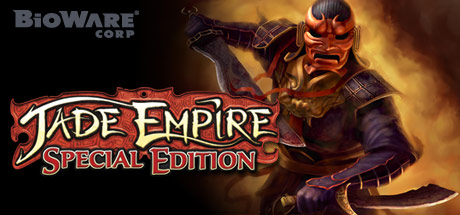
That emotional resonance echoes unmistakably in Jade Empire™: Special Edition, whose description names “Romance & Shoujo” as a core dimension—not as window dressing, but as narrative architecture. Like Miaka navigating the shifting loyalties of the Suzaku warriors, the player walks a path where martial discipline and emotional honesty are never separate choices. The player review admits technical friction (“had to follow these instructions I got from Reddit…”), yet the longing persists—the same stubborn devotion to emotional truth that keeps Miaka returning to Tamahome even when logic says run. Both demand you sit with contradiction: loyalty and doubt, tenderness and violence, tradition and rebellion—all held in the same trembling hand.
Then there’s Prince of Persia, whose description names “Romance & Shoujo” and “Melancholic Exploration”—two phrases that land like stones in still water. When the Prince walks alone through ruined courtyards draped in amber light, his movements fluid but heavy with memory, it mirrors Miaka wandering the mist-laced gardens of Konan, searching for meaning in every rustle of silk, every echo of a voice no longer there. The player review notes it’s “a new prince, new lands and a brand new story completely separate from the sands…”—and that’s vital. Like Fushigi Yugi, it refuses to rest on legacy. It builds intimacy not through exposition, but through pace, through gesture, through the way a character’s posture shifts when someone enters the frame. Both ache with the same kind of soft sorrow: not despair, but the deep, resonant ache of caring fiercely in a world that insists on change.
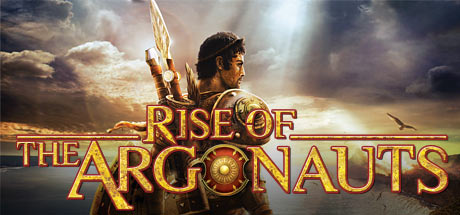
And Rise of the Argonauts, though framed as heroic spectacle, carries the same mythic gravity. Its description centers Jason’s vow—“he vowed to do anything to restore her life”—a line that could’ve been lifted from Miaka’s own desperate plea to Suzaku. The player review praises how it “does ancient history right,” but what it truly honors is the emotional archaeology of myth: how legends aren’t just stories told about people—they’re stories people tell themselves to survive grief, to justify sacrifice, to hold onto love past death. That’s the pulse beneath Fushigi Yugi’s most haunting scenes: when Yui stares at her reflection in still water, or when Chichiri’s smile doesn’t quite reach his eyes. Not spectacle. Sacred weight.
This pairing won’t thrill someone chasing pure action or lore dumps. It’s for the person who replays the scene where Miaka gives away her last rice cake—not because it’s generous, but because she feels the hollowness in someone else’s stomach before her own. It’s for the player who pauses mid-combat in Jade Empire just to watch cherry blossoms fall, or who walks slowly through Prince of Persia’s ruins, listening to wind whistle through broken columns—not for clues, but for echoes. It’s for those who know that the most dangerous magic isn’t in scrolls or swords, but in the terrifying, luminous act of choosing—again and again—to love despite, to stay anyway, to believe still.
🎮42 Games That Match the Vibe





















Match Dimensions Explained
❓Frequently Asked Questions
Why is Jade Empire: Special Edition listed as similar to Fushigi Yugi when it’s not about Japanese mythology?
Great question — it’s not about *Japanese* mythology per se, but Jade Empire taps into the same rich East Asian mythic tapestry and shoujo-adjacent emotional beats: think tender romance with Li Kun, moral choices that reshape relationships (like your bond with Dawn Star or Silk Fox), and a story where love, duty, and spiritual destiny collide — just like Miaka’s journey through the Universe of the Four Gods. The 'Romance & Shoujo' and 'Emotional Narrative' dimensions match Fushigi Yugi’s core vibe more than surface-level setting.
Is there a Fushigi Yugi visual novel or anime game adaptation?
No official Fushigi Yugi visual novel or licensed anime game exists — but Jade Empire: Special Edition is the closest spiritual cousin: it’s got branching romance paths, emotionally charged dialogue choices, and a narrative where your decisions directly affect character fates (e.g., choosing between open palm compassion or closed fist ruthlessness mirrors Miaka’s pivotal loyalty choices). Even the player review mentions needing Reddit fixes — just like fans rallying to keep beloved story-driven games alive.
How does Prince of Persia compare to Rise of the Argonauts for someone who loves Fushigi Yugi’s tragic romance?
Prince of Persia leans harder into melancholic exploration and quiet, intimate romance — like the Prince’s slow-burn connection with Zola amid crumbling ruins and time-bent sands — while Rise of the Argonauts is more action-forward and myth-epic: Jason’s grief-fueled quest to resurrect Medea hits emotional notes, but it’s less about delicate relationship nuance and more about heroic spectacle. Both score 83/82 and share 'Romance & Shoujo' + 'Mythology & Folklore', but PoP delivers that wistful, bittersweet tone Fushigi Yugi fans crave.
What’s the best Fushigi Yugi-like game if I want swoony romance + mythic worldbuilding without combat overload?
Jade Empire: Special Edition is your best bet — it balances heartfelt romance (your evolving dynamic with characters like Sun Li or Black Whirlwind) with deep mythic worldbuilding (the Spirit Realms, the Balance, the Water Dragon prophecy), all wrapped in a martial-arts framework that prioritizes choice and consequence over button-mashing. Unlike Loki or Assassin’s Creed Odyssey — which lean hard into action or open-world sprawl — Jade Empire keeps the focus tight on character, emotion, and symbolic storytelling, just like Miaka’s journey through the celestial constellations.