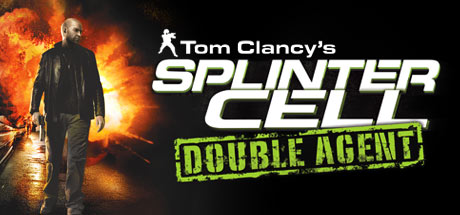
Tom Clancy's Splinter Cell Double Agent®
In the sequel to the 2005 Game of the Year, Splinter Cell: Double Agent, play as legendary covert operative Sam Fisher, infiltrate a ruthless terrorist organization, and destroy it from within.
🎮Game Details
💬What Players Say
"Splinter Cell Double Agent has two versions, and they are two completely different games. This version is called version 1, but given all its flaws, it shouldn't have been. And with all the flaws mentioned, I think this version was released far too early...."
"It's 2026 and it's still incredibly buggy. Would be fun if I didn't have to reboot every 20 minutes."
"I am soft recommending this game on the basis of it is broken as a very broken thing. That being said, if you are psychotic and want to put in the work to get it running, it really isn't that difficult to find a guide online that will help you. I have found other games on Steam that require far more tinkering and still have positive scores...."
📝Editorial Analysis
The screen flickers—not from a cinematic cutscene, but because the game just crashed again. You’re Sam Fisher, crouched in a dimly lit cargo hold in Tom Clancy's Splinter Cell Double Agent®, breathing shallowly, waiting for a guard to turn—then pop: black screen, error message, forced reboot. Not drama. Not tension. Just glitch. The official description promises infiltration, legend, destruction from within—but what you actually feel is the strain of holding two identities while the system itself refuses to hold you. That’s the real mission: not stopping terrorists, but keeping the game alive long enough to almost believe in its own fiction.
This isn’t stealth-as-grace. It’s stealth-as-fragility. Every shadow Sam slips into feels provisional—not because enemies are sharp, but because the engine might betray him mid-animation, mid-lean, mid-breath. The atmosphere doesn’t hum with paranoia; it sputters. It makes you hyper-aware of infrastructure—the walls, the lighting, the code beneath—as if the world itself is held together by duct tape and stubbornness. You don’t feel like a ghost operative. You feel like someone trying to maintain cover while the cover keeps dissolving. It’s less about moral ambiguity and more about operational uncertainty: Can you trust your own inputs? Your own screen? Your own save file? That persistent, low-grade dread—not of death, but of disintegration—is the game’s true signature. It’s neon noir not because of rain-slicked streets, but because the light itself is unstable: flickering, corrupted, bleeding at the edges.
That same frayed, high-stakes instability lives in Bungo Stray Dogs 4, where characters wield reality-bending powers that visibly stress the animation—lines blur, frames stutter during ability activation, and emotional climaxes rupture the background art like glass under pressure. It’s tactical warfare where the battlefield isn’t just physical—it’s aesthetic continuity, and every fight risks breaking the frame. Then there’s Darker than Black, where Contractors move through cities lit by sodium-vapor haze and surveillance static, their missions succeeding or failing not on skill alone, but on whether the system—the Syndicate, the satellites, the very data streams they hijack—holds long enough for them to vanish. Their noir isn’t moody; it’s overheated, humming with latent failure. And Black Lagoon: The Second Barrage—same pulse: guns jam, boats sputter, negotiations collapse mid-sentence, and the neon never glows clean. Violence here isn’t choreographed—it’s clumsy, urgent, patched together with adrenaline and duct tape, just like rebooting Double Agent for the seventh time before dawn.
Who loves this? Not the player who wants polish. Not the viewer who craves seamless immersion. It’s the person who thrills at the moment right before the crash—the split second when Sam’s hand hovers over a detonator and the screen stutters, making you question whether the hesitation is his… or the game’s. It’s the anime fan who rewatches Noir’s final train sequence not for the resolution, but for how the cel-shading cracks under motion, how the shadows deepen unevenly, how every bullet feels like it could misfire—or worse, not render. These pairings belong to the ones who find poetry in the glitch, who see beauty in systems pushed past their limits—not despite the brokenness, but because of it. They’re the kind of people who keep playing Double Agent not to win, but to witness the fragile, defiant act of continuing—even as the world, pixel by pixel, threatens to go dark.
→75 Anime That Match the Vibe

Shadows, cigarettes, and moral ambiguity — noir at its most stylish.

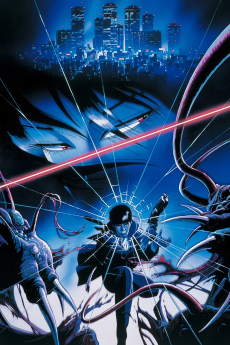
Neon-lit rain slicks Tokyo’s alleys as Hei slips past surveillance—mirroring Sam Fisher’s breath-held crawl beneath laser grids in the *Double Agent* cruise ship level. Where Fisher weaponizes moral compromise to dismantle terror from within, Hei’s conscience fractures under contract killings for the Syndicate, turning each mission into a noir-tinged calculus of loyalty and loss. Their resonance lives in 🌃 Neon Noir’s chiaroscuro tension: not just shadowy visuals, but the suffocating weight of operating where light reveals too much, and darkness demands too much.

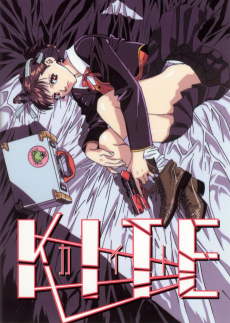
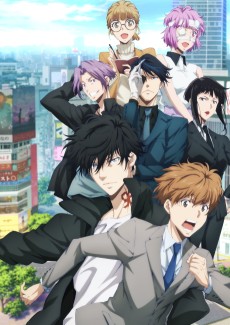
Neon-lit rain slicks the pavement as Kazuki adjusts Miri’s coat—just like Sam Fisher’s gloved hand steadies a sniper rifle in a Hong Kong shipping container. 🌃 Neon Noir bleeds through both: tactical precision meets domestic fragility, where every silenced shot echoes the weight of paternal duty. Unlike most action narratives, neither work treats infiltration as mere espionage—Sam’s moral corrosion and Kazuki’s reluctant caregiving reveal how deeply identity fractures when loyalty splits down the middle.
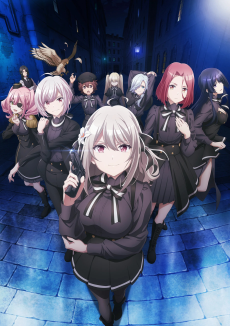
Shadows, cigarettes, and moral ambiguity — noir at its most stylish.

Shadows, cigarettes, and moral ambiguity — noir at its most stylish.
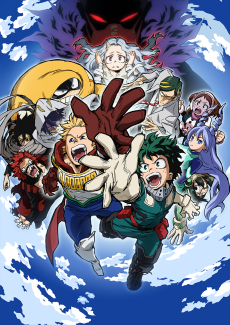
Sam Fisher’s tense, rain-slicked infiltration of the JBA’s neon-lit Oslo cruise ship mirrors Shigaraki’s volatile power grab amid Overhaul’s crumbling yakuza empire—both pivot on moral corrosion in 🌃 Neon Noir settings. Where Fisher balances a detonator and his conscience aboard a vessel humming with false camaraderie, Shigaraki weaponizes decay in the bombed-out ruins of Nagoya, turning trauma into tactical leverage. This resonance isn’t about heroism—it’s how both works weaponize ambiguity in 🎯 Tactical Warfare, making betrayal feel less like choice and more like gravity.
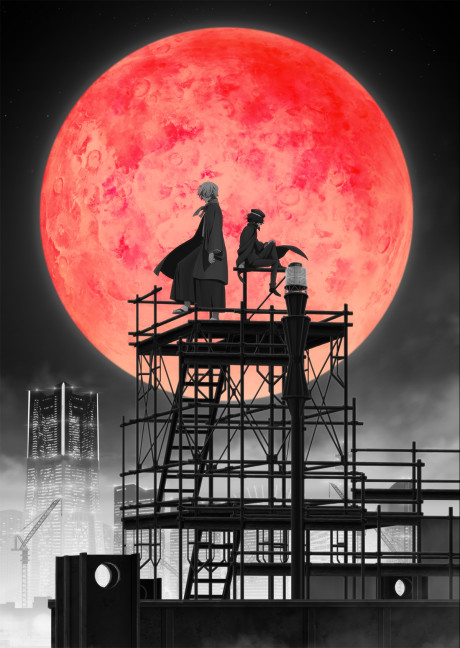
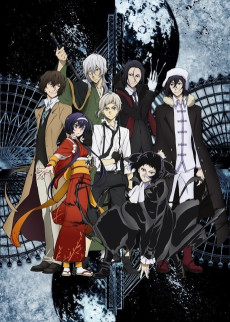
Sam Fisher’s tense, rain-slicked infiltration of the JBA’s neon-lit docks mirrors Yukichi Fukuzawa’s solitary, sword-drawn vigil in Yokohama’s shadowed alleys—both steeped in 🌃 Neon Noir’s moral ambiguity and razor-thin loyalties. Unlike most tactical thrillers, Double Agent forces Fisher to *commit* atrocities to maintain cover, while Bungo Stray Dogs 4 deepens Fukuzawa’s isolation as he rejects institutional power—making their shared 🎯 Tactical Warfare feel less about strategy than existential compromise. That quiet dread, where every choice corrodes the self, binds them tighter than genre alone ever could.
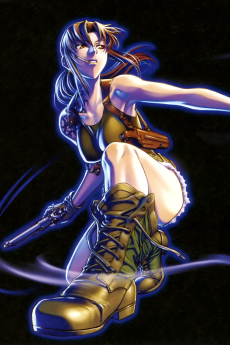
Neon-drenched docks in Roanapur pulse with the same moral static as Sam Fisher’s compromised mission aboard the *Walther*. Where Fisher balances detonation codes against a child’s life in the prison yard, Rock stares down a gun barrel in *The Second Barrage*’s “Lagoon Company” episode—both trapped in Neon Noir’s suffocating ambiguity. Tactical Warfare isn’t just about aim; it’s the unbearable weight of choosing which atrocity to enable, right up to the final, unblinking cut to black.

Sam Fisher’s tense, rain-slicked infiltration of the JBA’s cruise ship—where every shadow hides betrayal—echoes Hikaru’s quiet poison-tasting in the Five Families’ gilded tea ceremony, both weaponizing restraint. Unlike most tactical thrillers, *Double Agent* and *MARRIAGETOXIN* fuse 🌃 Neon Noir atmosphere with lethal precision: one in Sam’s flickering security-camera gaze, the other in Hikaru’s slow-pour of venom disguised as devotion. This pairing surprises by revealing how espionage and arranged marriage alike demand operational intimacy—where love and loyalty are protocols to be hacked.

Neon-lit quicksand swallows a getaway vehicle in *Trigun: Badlands Rumble*—a surreal, physics-defying moment that mirrors the oppressive, rain-slicked urban noir of *Splinter Cell: Double Agent*’s Seattle sequences. Where Sam Fisher navigates moral collapse under neon glare and tactical silence, Gasback’s chaotic heist thrives in the same chromatic tension: 🌃 Neon Noir isn’t just backdrop—it’s psychological pressure, warping loyalty and perception alike. That shared visual language makes their collision of espionage rigor and outlaw absurdity startlingly coherent.

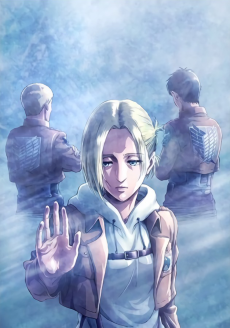
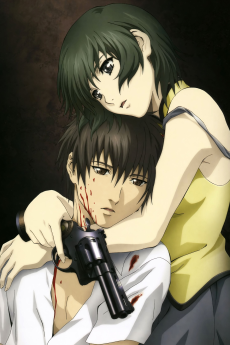
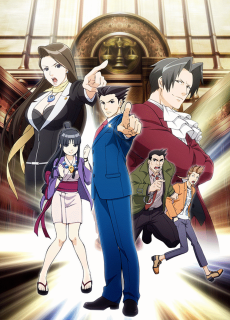
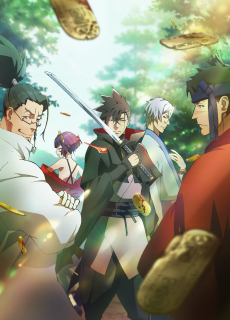
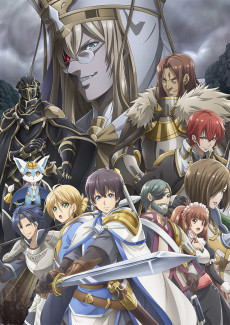
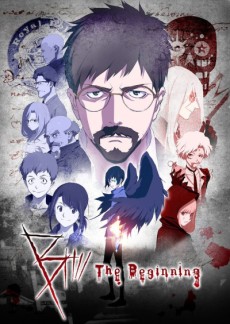
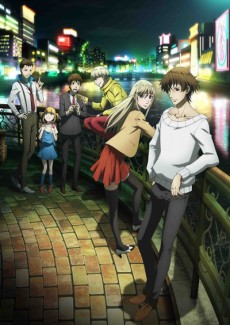




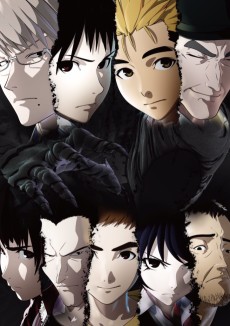
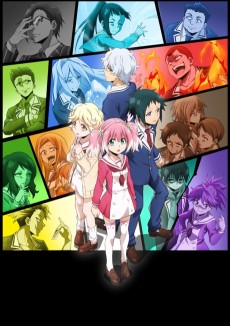
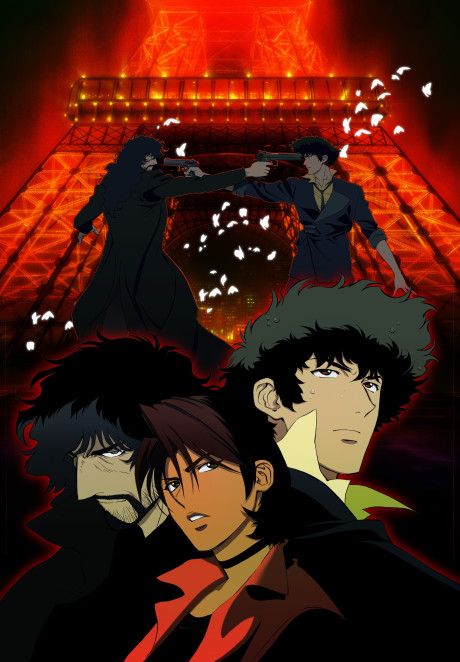
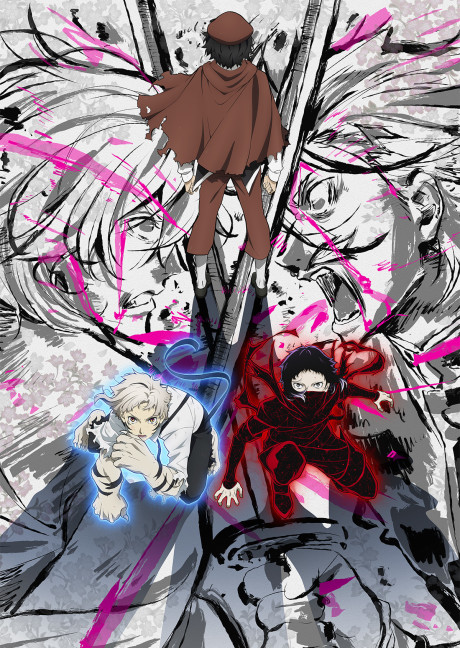
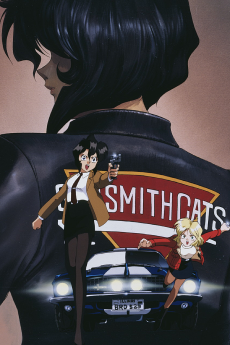


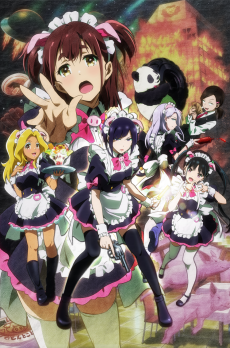
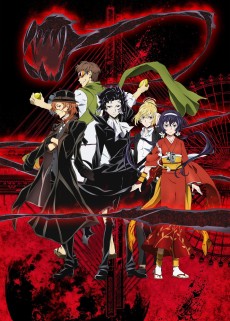
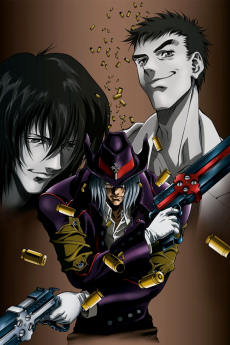



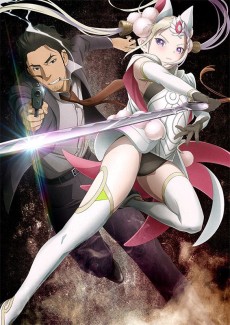

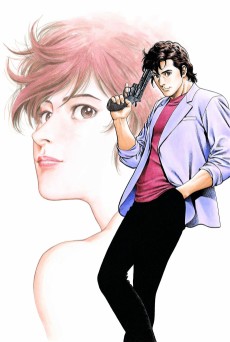
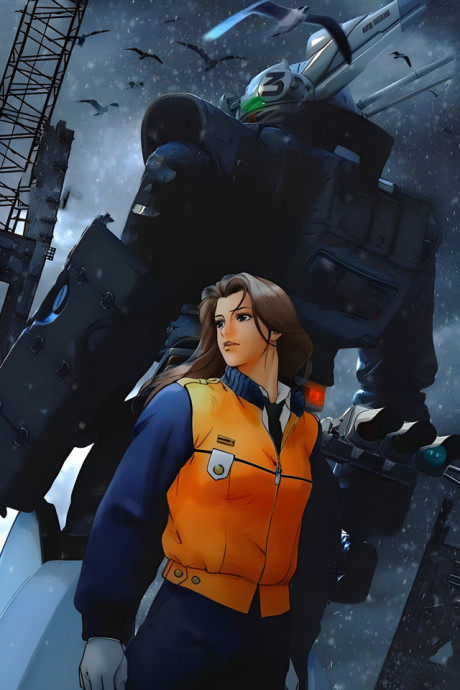
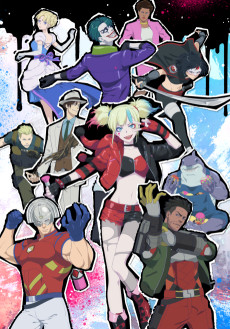
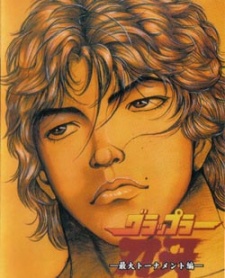
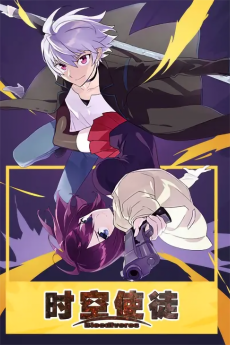

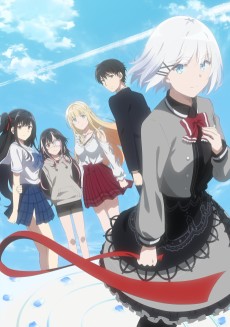

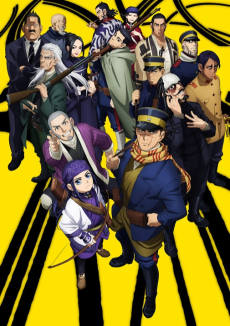

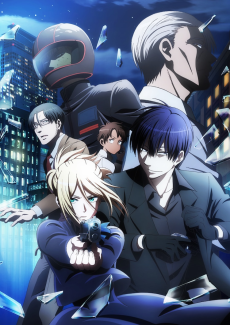
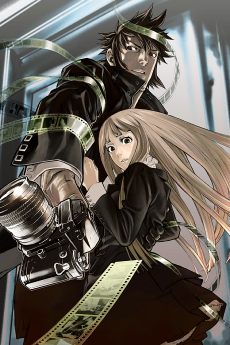
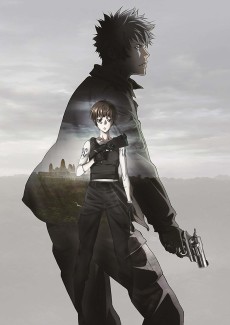

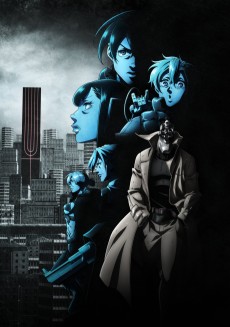

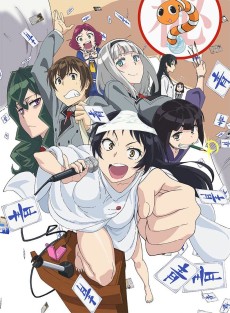


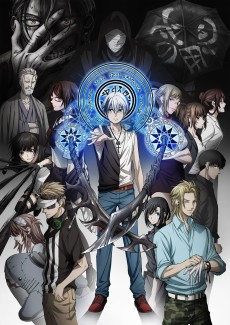
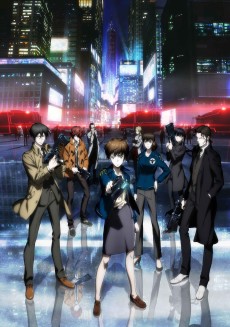
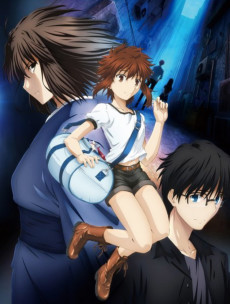


Match Dimensions Explained
❓Frequently Asked Questions
Why does Bungo Stray Dogs 4 feel like Splinter Cell: Double Agent even though it's about literary-themed superpowers?
Because both hinge on Sam Fisher–level moral tightropes: in Bungo Stray Dogs 4, Atsushi Nakajima infiltrates the Port Mafia *while hiding his true loyalties*, mirroring Fisher’s deep-cover mission inside the terrorist cell — complete with tense, rain-slicked neon-noir stakeouts and split-second tactical choices that alter the mission’s outcome. That ‘Neon Noir, Tactical Warfare’ dimension isn’t just aesthetic; it’s baked into how characters move, lie, and reload under pressure — like when Atsushi disarms a guard mid-conversation using misdirection instead of brute force.
Is there an anime adaptation of Splinter Cell: Double Agent?
No — Ubisoft never adapted Double Agent into an anime, and none of the officially licensed Splinter Cell media include animated series. But if you’re craving that exact vibe — morally gray espionage, real-time infiltration mechanics, and high-stakes deception — *Darker than Black* nails it: Hei’s dual identity as a Contractor spy for the Syndicate *and* a mole for the CIA mirrors Fisher’s version-1/2 branching loyalty system, right down to the glitchy, tense pacing (remember those 20-minute reboot cycles? Hei’s missions feel just as unstable).
How does Noir compare to Black Lagoon: The Second Barrage for Splinter Cell: Double Agent fans?
Noir leans harder into *Double Agent*’s psychological weight: Mireille Bouquet’s cold, precise tradecraft — like silently disabling a guard with a garrote wire in the Lyon cathedral sequence — echoes Fisher’s non-lethal takedowns, while *Black Lagoon*’s explosive, chaotic gunfights (e.g., Revy’s rooftop ambush in Roanapur) match the game’s infamous ‘buggy but brutal’ energy — where systems fail mid-mission, forcing improvisation, just like rebooting every 20 minutes only to pull off a perfect stealth kill seconds later.
What’s the best anime like Splinter Cell: Double Agent if I want that ‘psychotic but worth the work’ vibe?
Go straight to *Buddy Daddies* — hear me out: it’s got the same deceptive surface polish masking deep operational chaos. Just like Double Agent’s ‘broken as a very broken thing’ charm, *Buddy Daddies* layers absurd parenting comedy over razor-sharp tactical spycraft (think Kiryu’s silent, gravity-defying takedowns in the convenience store episode), all wrapped in that shared ‘Neon Noir, Tactical Warfare’ DNA. You’ll laugh at the absurdity, then pause mid-episode realizing you’ve been holding your breath through a 90-second no-light infiltration — exactly how Fisher feels when the game *almost* runs without crashing.