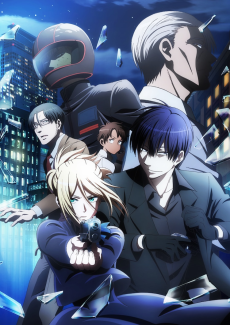
Love of Kill
Two assassins face off. The cool bounty hunter Chateau and the mysterious and powerful Ryang-ha. Chateau and Ryang-ha become enemies after this fight—at least, they should have, but for some reason Ryang-ha takes a liking to Chateau and begins following her around.
Little by little, Chateau develops a cooperative partnership with Ryang-ha, which gets her caught up in the struggle against the organizations hunting him down. Furthermore, that battle is related to her past as well. Two mismatched assassins weave together a twisted "Assassin X Assassin" thriller. The strange gears of fate begin to move.
(Source: Crunchyroll)
Note: The first episode had an early premiere at AnimeNYC 2021.
📺Anime Details
📝Editorial Analysis
Rain slicks the pavement in Seoul’s Jongno district—not gently, but with the weary insistence of a city that’s seen too many secrets leak into its gutters. Chateau leans against a wet brick wall, cigarette smoke curling like a question mark above her gloved hand, while Ryang-ha appears just there, silent and unblinking, ten meters away, reflected in the warped glass of a shuttered convenience store. No music swells. No dramatic pause. Just the low thrum of distant traffic, the click of her safety catch sliding off, and the quiet, unnerving certainty that this isn’t a standoff—it’s a courtship. Not of flowers or poetry, but of proximity, silence, and loaded guns.
That’s the pulse of Love of Kill: not tension as spectacle, but tension as intimacy. It’s the feeling of standing too close to someone who could end you—and choosing, again and again, to let them stay. The urban setting isn’t backdrop; it’s atmosphere-as-character—gray concrete, neon-bleached alleyways, the hush between gunshots where breath catches and eyes hold just a half-second too long. This isn’t romance as confession or grand gesture. It’s romance as shared risk, as mutual recognition in the wreckage of memory and identity. Chateau’s amnesia isn’t a plot device to be solved—it’s a lived condition, a fog she moves through with practiced calm, trusting nothing but her aim and the unsettling consistency of Ryang-ha’s presence. You don’t feel safe watching it. You feel seen—like the show understands how love can bloom not despite danger, but because of the rare, terrifying permission to be unguarded in the line of fire.
Max Payne 2: The Fall of Max Payne nails that same bruised tenderness. Its description calls it “a violent, film-noir love story”—and yes, the bullets fly, the bodies drop, but what lingers is the way Max and Mona move through ruin together, their bond forged in shared trauma and whispered confessions in rain-lashed stairwells. A player review notes how clearing a room “full of enemies” feels less like triumph and more like ritual—a necessary, exhausting step toward something fragile and real. That’s Chateau and Ryang-ha: every firefight, every narrow escape from shadowy organizations, isn’t just survival—it’s the slow, dangerous work of building trust when your past is a locked vault and your present is a loaded chamber. Both refuse easy catharsis. Love here is heavy, not light.
Then there’s Disco Elysium - The Final Cut, where the description promises “a detective with a unique skill system” and “a whole city to carve your path across.” But the player review quotes a line about capital subsuming critique—sharp, weary, deeply adult. That’s the emotional DNA: the exhaustion of being perpetually on case, of parsing motive amid moral static, of loving someone whose history is weaponized against them. Chateau doesn’t just hunt Ryang-ha—she investigates him, piece by fragmented piece, while her own adoption and erased past whisper from the margins. Like Harry DuBois, she walks a city that knows her better than she knows herself—and finds connection not in answers, but in the shared weight of not knowing and continuing anyway. The noir isn’t visual—it’s psychological: smudged lines, unreliable memory, love as both evidence and alibi.
And though Mata Hari’s description dangles espionage and double-dealing (“TRUST NO ONE BUT YOURSELF”), its player review bluntly dismisses it as “une vraie daube”—a mess. Yet that dissonance matters. Because Love of Kill doesn’t glamorize deception—it treats it as labor, as fatigue. Ryang-ha’s following isn’t playful stalking; it’s surveillance with emotional stakes. Chateau’s cooperation isn’t surrender—it’s tactical recalibration. The anime shares Mata Hari’s core premise—identity as performance under lethal scrutiny—but executes it with the quiet precision of someone who’s already lost count of how many selves they’ve buried. The disappointment in that review? It mirrors Chateau’s own skepticism—her refusal to mistake intensity for truth.
This pairing speaks to the viewer who watches a rooftop chase and thinks less about the stunt choreography and more about the way Chateau’s coat flaps open just enough to reveal the scar beneath her collarbone—old, unremarkable, hers. To the player who reloads after dying in Max Payne not for the win, but for the chance to hear that gravel-throated voice crack just once more over the radio. To anyone who’s ever loved someone complicated, dangerous, and achingly human—and known, deep in their bones, that safe was never the point. They don’t want escapism. They want resonance. They want stories where love isn’t the rescue—it’s the risk you keep choosing, night after rain-slicked night.
🎮32 Games That Match the Vibe



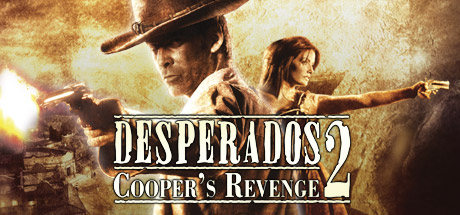
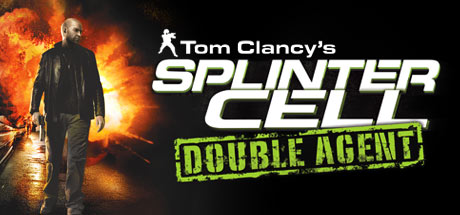

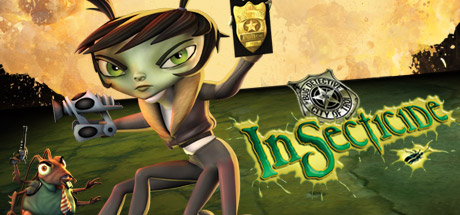

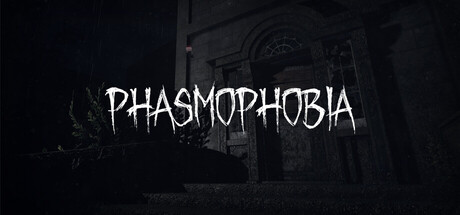
Match Dimensions Explained
❓Frequently Asked Questions
Why does Love of Kill remind me so much of Max Payne 2's love story?
Because both lean hard into tragic, noir-tinged romance wrapped in relentless violence—Max Payne 2’s doomed bond with Mona Sax mirrors Love of Kill’s tense, high-stakes intimacy between Ryo and Miu. The game even leans into that same 'love hurts' vibe: think of Max’s slow-motion hallway shootouts right after emotionally raw cutscenes, just like Ryo’s quiet moments before a sudden, brutal ambush.
Is there an anime or live-action adaptation of Love of Kill?
No official adaptation exists yet—but if you're craving something with the same neon-noir tension and morally slippery detective work, Disco Elysium nails that adult, dark seinen tone with its rain-soaked city of Revachol and deeply flawed detective protagonist. Its dialogue-driven investigation scenes (like interrogating the union leader in the Whirling-in-Rags) feel like a more cerebral, slower-burn cousin to Love of Kill’s cat-and-mouse stakes.
How is Crash Time 2 different from Love of Kill if they’re both listed as 'Neon Noir' and 'Adult & Dark Seinen'?
Crash Time 2 *isn't* actually a narrative match—it's an arcade racing sim where you play a German highway cop chasing criminals, with janky controls and almost no story depth (one player called it 'factually BAD controls'). Love of Kill thrives on psychological tension and intimate character dynamics, while Crash Time 2 trades that for open-world chases and zero emotional payoff—so skip it unless you want frustration disguised as noir.
What’s the best game like Love of Kill if I want that ‘trapped in a rainy city, everyone’s hiding something’ mood?
Disco Elysium is your top pick—its decaying port city of Revachol drips with paranoia and moral ambiguity, just like Love of Kill’s shadowy urban landscape. You’ll spend hours navigating layered conversations (like debating ideology with Cuno in the wharf), and every alley feels charged with secrets—no guns needed, just your broken brain and a world that refuses to give you easy answers.