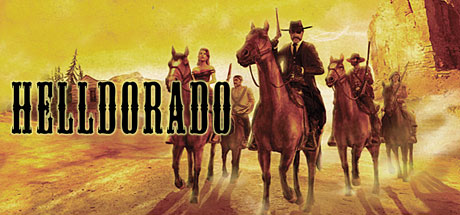
Helldorado
1883, SANTA FE. Peace in this town has been shattered by a shocking kidnapping. Gather your men and ride on a series of challenging missions to stop treacherous, marauding outlaws in this story of vile blackmail and revenge.
🎮Game Details
💬What Players Say
"Helldorado is a standalone expansion to the second game in the Desperados series (Desperados 2: Cooper's Revenge), so you can think about it as Desperados 2.5 if you like. I really enjoyed the first game in the Desperados series (Wanted Dead of Alive), but this game not so much...."
📝Editorial Analysis
The dust hangs thick in Santa Fe, 1883—not just air, but weight. You’re crouched behind a splintered adobe wall, breath shallow, watching three outlaws fan out near the livery. One checks his revolver’s cylinder; another spits tobacco into the dirt; the third scans the rooftops—he knows you’re up there. Your men are scattered: a sharpshooter on the bell tower, a knife-wielder slipping through the alley shadows, your leader poised to draw at the perfect second. The official description says peace has been shattered by a shocking kidnapping. That word—shocking—lands like a bullet to the chest because it’s not just plot; it’s moral rupture. This isn’t lawlessness as spectacle. It’s lawlessness as violation, intimate and irreversible. And you don’t ride in to restore order—you ride in because someone took what wasn’t theirs, and now every decision, every silenced guard, every timed distraction, carries the quiet heat of revenge.
What makes Helldorado’s atmosphere singular isn’t its Western setting—it’s how that setting becomes a pressure chamber for tactical restraint. You feel the sun-baked stillness before violence, the way time bends when you pause mid-stride to calculate sightlines, patrol paths, and ricochet angles. It’s not about speed or power—it’s about precision under consequence. Every misstep risks exposure, escalation, failure—not just mission failure, but moral failure: the kidnapped remain lost, the blackmail unbroken, the town’s fragile peace further frayed. You think about loyalty—not as abstract devotion, but as shared risk, measured in seconds between gunshots and the weight of a man’s life resting on your timing. There’s no heroic monologue here, no grand speech before the showdown—just the dry click of a hammer, the creak of leather, and the terrible, beautiful clarity of one clean shot, one clean choice.
That same tension lives in Magi: The Labyrinth of Magic, where frontier logic meets battlefield calculus—Aladdin doesn’t swing his staff wildly; he reads terrain, wind, enemy stamina, and political fault lines like topographic maps. His battles unfold with the same deliberate spacing, the same reliance on allies’ distinct roles, the same sense that victory hinges on who moves when, not who hits hardest. Then there’s Sword of the Stranger, where every duel is staged like a tactical ambush—Kotaro hides behind a rain-slicked post while Nanashi times his blade-draw to the exact millisecond a guard blinks. No flash, no flourish—just geometry, gravity, and grit. And TRIGUN STARGAZE, especially in its quieter moments: Vash doesn’t dodge bullets for show—he calculates trajectories, uses cover like architecture, and chooses non-lethal takedowns not out of weakness, but principled precision, mirroring Helldorado’s insistence that restraint is its own kind of courage.
Who loves this? The player who replays a mission three times—not to win faster, but to make it cleaner, quieter, more inevitable. The anime viewer who rewinds the moment Kuroda adjusts his stance before drawing—not for the swordplay, but for the stillness before the cut. The person who feels relief, not triumph, when a plan clicks: the sniper’s shot rings out, the outlaw drops, the hostage stirs—and no one else hears a thing. They’re drawn to stories where morality isn’t shouted, but measured: in inches of cover, seconds of silence, the distance between a loaded gun and an empty hand. They don’t want catharsis—they want clarity. And in the cracked earth of Santa Fe, in the mist-shrouded passes of feudal Japan, in the rusted rails of a desert colony—clarity arrives not with fanfare, but with the soft, certain thud of a plan landing exactly as intended.
→105 Anime That Match the Vibe

Santa Fe’s dusty chaos mirrors the Labyrinth of Magic’s shifting sands—where tactical warfare demands split-second decisions under open skies. Aladdin’s journey from confinement to commanding djinn parallels a marshal assembling outlaws-turned-allies in frontier skirmishes, both grounded in 🤠 Western & Frontier grit. Unlike most fantasy epics, *Magi*’s political maneuvering and *Helldorado*’s mission-based cavalry charges treat strategy not as abstraction, but as sweat, dust, and consequence.
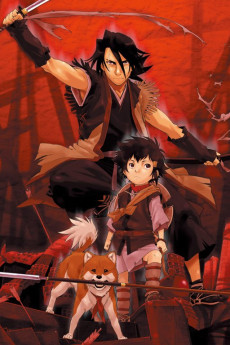
Santa Fe’s dust-choked streets in *Helldorado* echo the snow-laced, tension-thick silence before Nanashi’s final duel in the *Sword of the Stranger* movie—both weaponize frontier isolation to heighten tactical warfare stakes. Unlike most action narratives that glorify victory, each strips honor down to split-second choices: a cavalry charge timed to a outlaw’s misstep, a sword drawn not for glory but to shield a child. Their shared 🤠 Western & Frontier grit makes moral ambiguity feel tactile, not theoretical.
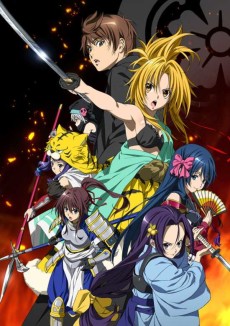
Santa Fe’s dusty showdowns mirror Oda Nobuna’s battlefield chess—where tactical warfare isn’t just strategy, but *style*: think Nobuna’s sun-dappled charge at Inabayama Castle echoing Helldorado’s precision cavalry ambushes in the Rio Grande canyons. 🎯 Unlike most historical romps, both weaponize gender-flipped power dynamics—not as gimmick, but as narrative gravity, letting Yoshiharu’s earnest diplomacy and the Marshal’s quiet command reframe leadership itself. The frontier isn’t just setting; it’s a tense, glittering threshold between chaos and order.
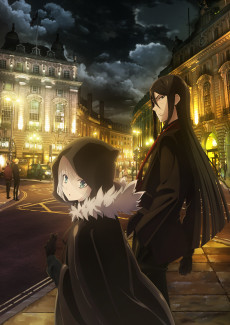
Santa Fe’s dust-choked streets in *Helldorado* echo the sun-baked, lawless tension of the *Rail Zeppelin*’s desert-bound train—where Lord El-Melloi II’s tactical precision clashes with bandit-like mage terrorists. Unlike most fantasy procedurals, this installment grounds its supernatural stakes in frontier logistics: railcars become mobile frontier towns, and Waver’s command of terrain mirrors a sheriff’s hard-won control over hostile territory. The resonance isn’t just 🎯 Tactical Warfare—it’s how both works treat strategy as moral geography.
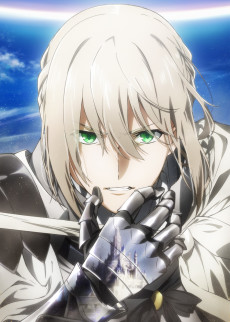
Wide-open spaces and the freedom to forge your own path.

Santa Fe’s dust-choked streets in *Helldorado* echo the scorched, wind-scoured plains of *TRIGUN STARGAZE*’s frontier worlds—where tactical warfare unfolds not in sterile corridors but across sun-blasted ruins and makeshift settlements. Unlike most sci-fi westerns, *STARGAZE* leans into the tactile weight of frontier logistics: Vash’s nonlethal precision mirrors *Helldorado*’s mission-based resource constraints, each shot carrying moral and mechanical consequence. This shared 🎯 Tactical Warfare dimension transforms gunplay into ethical calculus—surprisingly resonant, given how rarely genre hybrids treat ammunition, cover, and consequence with equal gravity.

Santa Fe’s dust-choked streets in *Helldorado* mirror the quicksand-ringed town of Macca in *Trigun: Badlands Rumble*—both weaponize frontier isolation to heighten tactical tension. Where Gasback’s heist unfolds under neon-bleached desert skies, *Helldorado*’s outlaw raids echo that same 🌃 Neon Noir grit, fusing lawless Western stakes with sci-fi-tinged precision. It’s surprising how deeply their shared 🎯 Tactical Warfare thrives not in chaos, but in calculated pauses—Vash’s stillness before impact, a sheriff’s breath before drawing.

Santa Fe’s dust-choked streets and Kivotos’ sun-baked academy rooftops both crackle with the tension of frontier logic—where law is provisional and loyalty must be earned, not decreed. Unlike most tactical anime that default to urban or sci-fi backdrops, *Blue Archive The Animation*’s Countermeasures Committee arc grounds its squad-based combat in a deliberately anachronistic, Western-tinged civic space: think rifle-toting students coordinating over walkie-talkies atop adobe-style buildings, mirroring *Helldorado*’s gritty, terrain-aware gunfights. This shared 🤠 Western & Frontier sensibility transforms bureaucracy into high-stakes drama—surprisingly resonant, and refreshingly unromantic about order.
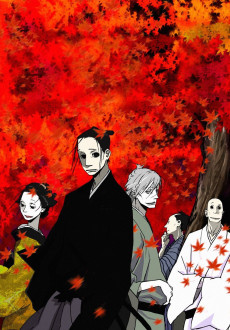
Santa Fe’s dust-choked streets and Edo-period Kyoto’s lantern-lit alleys both breathe the same neon-noir melancholy—where loyalty curdles in silence and men ride toward ruin they barely understand. Masanosuke’s quiet surrender to the Five Leaves’ moral ambiguity mirrors the player’s uneasy command of a ragtag posse in Helldorado, each mission deepening complicity rather than cleansing it. Unlike most frontier tales, neither work romanticizes agency; instead, 🌃 Neon Noir frames every choice as shadowed, inevitable, and achingly human.

Wide-open spaces and the freedom to forge your own path.
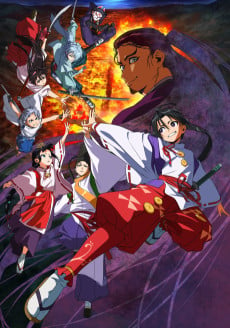

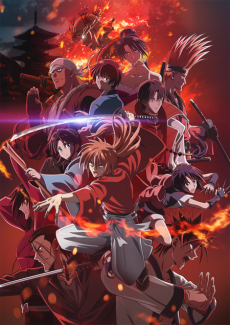


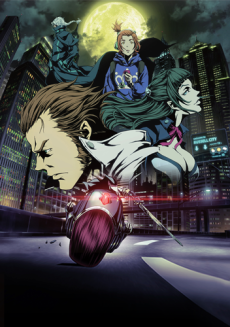
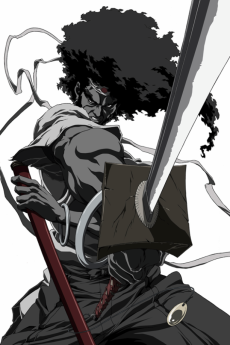





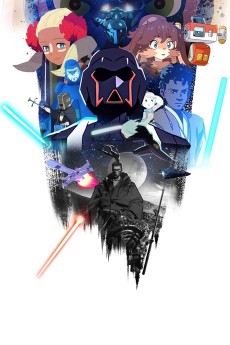


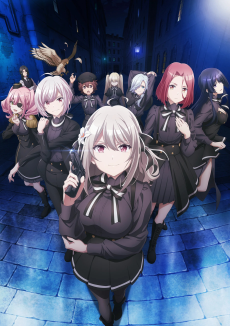


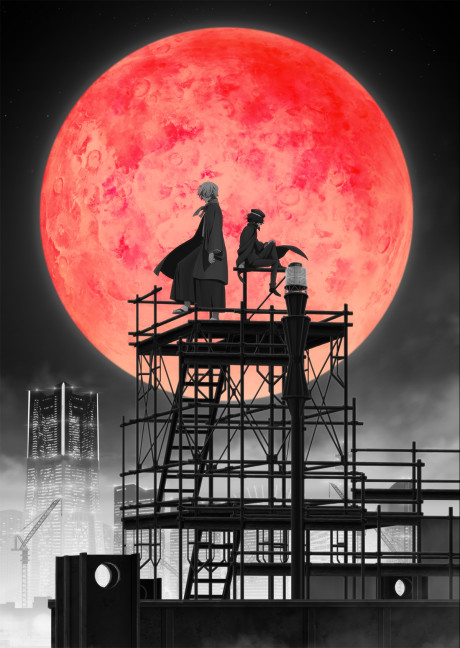


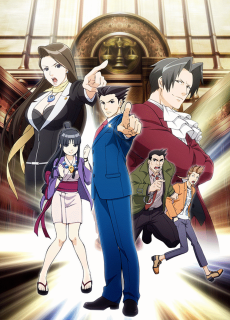
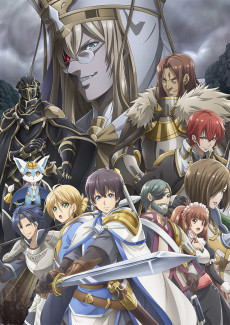
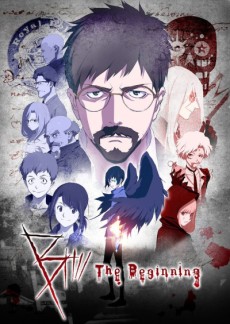
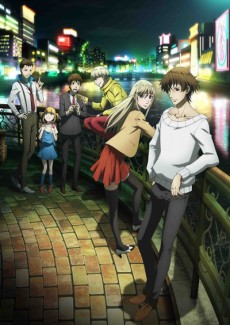










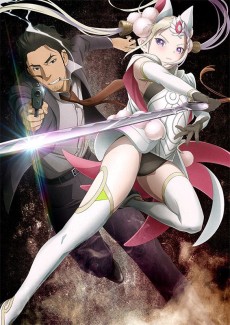


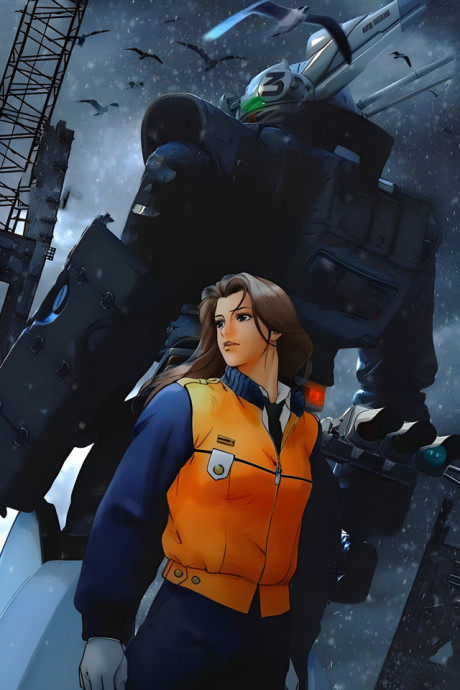

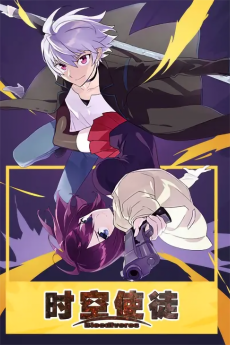

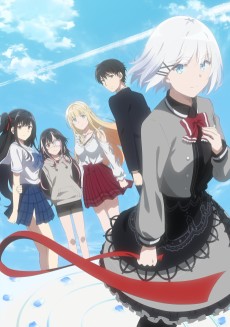

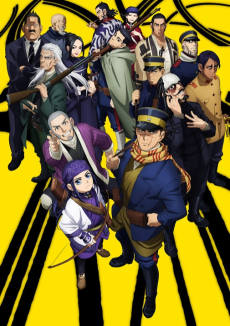

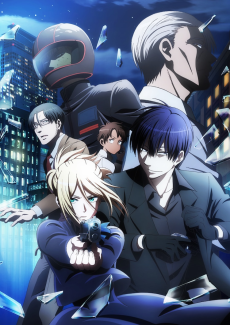
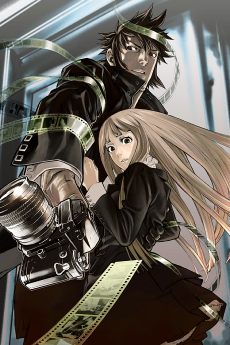
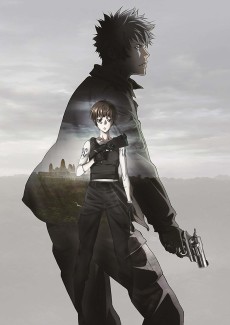

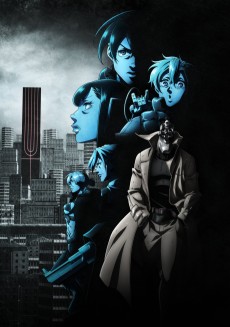

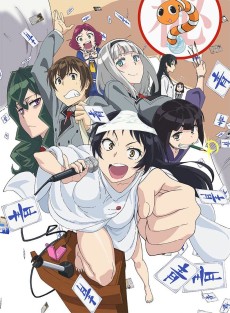


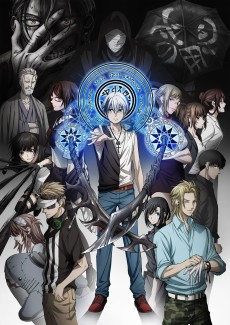
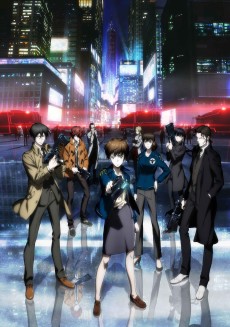
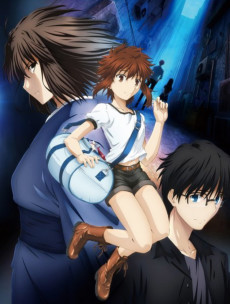
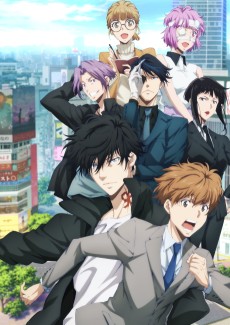
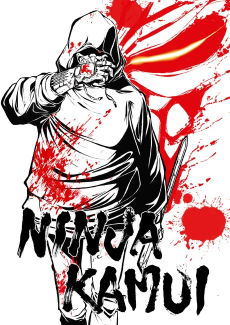




Match Dimensions Explained
❓Frequently Asked Questions
Why is Magi: The Labyrinth of Magic recommended for Helldorado fans?
Because both lean hard into tactical frontier warfare—think coordinated squad maneuvers in hostile, wide-open terrain. In Magi, you’ll recognize the same tension as Helldorado’s Santa Fe missions when Alibaba and his crew execute precise, role-based ambushes in the desert ruins of Balbadd, using terrain elevation and timed distractions just like Cooper’s gang flanking outlaws near the rail depot.
Is there an anime adaptation of Helldorado?
No—Helldorado is a standalone expansion to Desperados 2: Cooper’s Revenge, and it’s never been adapted into anime. But if you love its gritty Western-tactical vibe, TRIGUN STARGAZE nails that same dusty, high-stakes lawlessness: Vash’s showdowns with bounty hunters in sun-baked ghost towns mirror Helldorado’s kidnapping rescue at the abandoned adobe compound, right down to the slow-draw tension and environmental cover play.
How does Sword of the Stranger compare to Helldorado in terms of action pacing?
Sword of the Stranger trades Helldorado’s methodical, pause-and-plan stealth for breathtaking real-time swordplay—but they share that same frontier-warfare DNA. When Nanashi duels waves of mercenaries in the snowy pass near the border town, it echoes Helldorado’s ‘Ambush at Coyote Ridge’ mission: tight chokepoints, improvised cover (like overturned wagons), and split-second timing that rewards observation over brute force.
What’s the best anime like Helldorado if I want that tense, revenge-driven Western vibe?
Go straight to Lord El-Melloi II's Case Files {Rail Zeppelin} Grace note—it’s got the exact mood: isolated frontier train heists, morally gray alliances, and a kidnapping plot driving the whole arc. When Gray and her team storm the moving zeppelin to rescue the abducted diplomat, it mirrors Helldorado’s climax at the Santa Fe station—same ticking-clock pressure, same reliance on misdirection and synchronized takedowns across multiple vantage points.