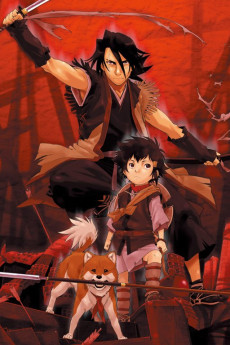
Sword of the Stranger
What qualifies a man as good or evil? Is it the amount of political power one attains, the quality of his swordsmanship, or how well he serves his lord? With the fall of the second shogunate Japan has sunk into a state of disarray historians now call the Sengoku period, or the era of Warring States. Civil wars rage on throughout the many feudal holdings, where a man may raise his station in life simply by killing his superior.
Whilst wandering this war-torn countryside a nameless ronin stumbles upon a young boy by the name of Kotarou, his dog, and the many Chinese assassins dispatched to claim the boy in some strange ritual for immortality. Seeing something of his own past within the child, the nameless swordsman chooses to act as his bodyguard, but can he truly keep Kotarou from the clutches of the Ming and their bloodthirsty blonde mercenary, Luo-Lang?
(Source: Bandai Entertainment)
📺Anime Details
📝Editorial Analysis
The rain doesn’t fall—it clings. It beads on the ronin’s worn haori, darkens the dust on his sandals, hangs in the air like suspended breath before the first strike. He stands motionless in a muddy clearing just outside a nameless village, one hand resting lightly on his sword’s hilt, the other shielding a small boy’s eyes—not from violence, but from the sight of what’s about to happen. There’s no fanfare, no dramatic music swelling—just the low thrum of distant thunder and the wet, heavy silence of men who’ve already decided they’ll die today. That stillness, thick with unspoken duty and quiet exhaustion, is Sword of the Stranger.
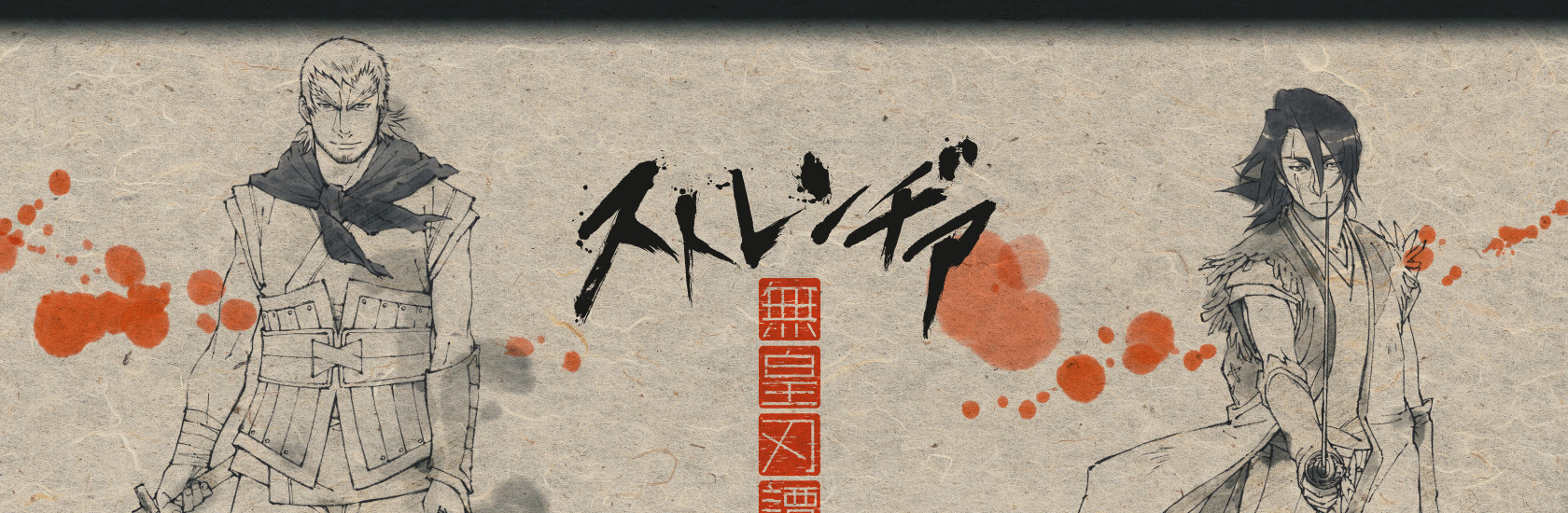
This isn’t an anime about glory or destiny. It’s about weight: the weight of a blade you can’t put down, the weight of a child you didn’t ask to protect, the weight of a language you don’t speak but must navigate anyway. The Sengoku period here isn’t backdrop—it’s atmosphere, a suffocating fog of moral ambiguity where loyalty is frayed, power is fleeting, and every sword drawn is less a declaration than a grim necessity. You don’t feel heroic watching it—you feel tired, watchful, deeply aware of how easily grace collapses into gore. The rural landscapes aren’t picturesque—they’re damp, cramped, lived-in, their beauty undercut by the ever-present threat of sudden, brutal interruption. It makes you think not about honor codes, but about the cost of holding a line when no one’s left to witness it.
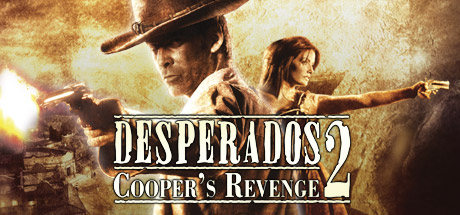
That same resonance hums in Desperados 2: Cooper's Revenge, where tactical warfare unfolds across unforgiving Western terrain—not as spectacle, but as tense, deliberate survival. Its description cites “brand new tactical possibilities in a beautiful 3D env,” and that word tactical is key: like the ronin choosing when to move, where to stand, how much to reveal, Desperados forces you to weigh consequence over speed, silence over showmanship. A player review notes the game was “made during a time when everything…”—implying its texture, its deliberate pacing, its reliance on environmental awareness over flash, mirrors the anime’s own grounded, almost tactile sense of consequence.
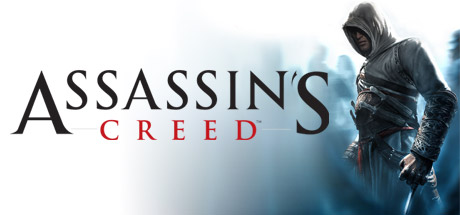
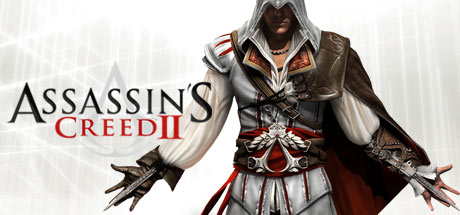
Then there’s Assassin's Creed™: Director's Cut Edition, whose description calls it a game that “redefines the action genre” not through spectacle alone, but through immersion in a fractured political world—“Political Thriller, Dark Fantasy, Tactical Warfare.” Just as the ronin navigates shifting loyalties and unseen agendas in a collapsing shogunate, Altair moves through a Jerusalem where ideology bleeds into violence, where every rooftop perch and alleyway concealment feels earned, not granted. A player admits the models are “dated,” yet finds “no issues with me”—echoing how Sword of the Stranger’s restrained animation and muted palette deepen, rather than diminish, its emotional gravity. Both trust you to sit with discomfort, to read meaning in a glance, a pause, a shadow moving just out of frame.
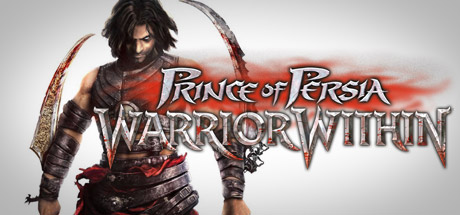
And Prince of Persia, described as offering “Healing & Slow Life, Action Spectacle,” lands with surprising precision—not in its acrobatics, but in its rhythm. Its review calls it “an all-new epic journey” built by the same studio behind Assassin’s Creed, emphasizing return, renewal, and a kind of weary, hard-won grace. Like the ronin’s final, wordless exchange with the boy—no grand speech, just shared bread, a look held too long—the Prince’s journey hinges on moments of quiet humanity amid relentless motion. It’s not about winning. It’s about continuing, with dignity intact.
These pairings aren’t for fans of flashy combos or tidy resolutions. They’re for the person who watches the ronin wipe blood from his blade with the same care he uses to adjust the boy’s scarf—who replays a Desperados stealth sequence three times to get the timing just right—not for perfection, but because that hesitation matters. They’re for the player who lingers on a rooftop in Assassin’s Creed not to jump, but to watch the market below breathe; who feels the Prince’s exhaustion in the slight tremor of his hand after a long chase. They crave gravity, not gloss—stories where silence speaks louder than swords, where every choice carries the quiet, heavy echo of consequence.
🎮41 Games That Match the Vibe







Match Dimensions Explained
❓Frequently Asked Questions
Why does Assassin's Creed feel like Sword of the Stranger despite being set in the Middle East?
It’s all about that grounded, weighty swordplay and intense one-on-one duels—like when Altaïr faces off against elite Templars in Jerusalem’s narrow alleys, mirroring Nanashi’s tense, silent standoffs with masked assassins. Both emphasize timing, spacing, and environmental awareness over flashiness, and Ubisoft Montreal’s tactical warfare dimension nails the same deliberate, high-stakes rhythm you love in Sword of the Stranger.
Is there a Sword of the Stranger anime game adaptation?
No official anime-to-game adaptation exists—but Prince of Persia (2008) is the closest spiritual cousin: it shares that same cinematic, action-spectacle vibe with fluid acrobatics, emotional storytelling, and a lone hero navigating ancient, sun-baked ruins—think Nanashi’s rooftop chases reimagined as the Prince leaping across crumbling Persian palaces.
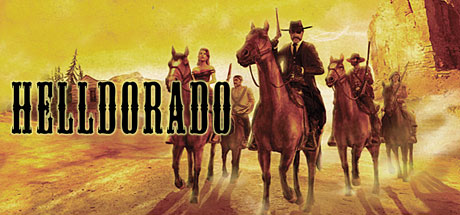
How does Desperados 2 compare to Helldorado for tactical frontier combat?
Helldorado is literally a standalone expansion to Desperados 2—same engine, same squad-based stealth-tactics, same dusty New Mexico towns—but cranks up the Western grit with tighter mission design and more outlaw banter. If you loved Sword of the Stranger’s precision choreography in chaotic brawls (like the bridge fight), both deliver that through careful positioning, line-of-sight cover, and timed takedowns—but Helldorado feels leaner and more focused.
What’s the best game like Sword of the Stranger for that melancholy, slow-burn samurai mood?
Prince of Persia (2008) hits that ‘healing & slow life’ dimension perfectly—its quiet moments between action, like the Prince walking alone through misty gardens or reflecting on loss, mirror Nanashi’s weary solitude and unspoken loyalty. It’s not samurai-themed, but the pacing, emotional restraint, and emphasis on grace over gore make it the most resonant match for that contemplative, poetic vibe.