Red Dead Redemption 2
Arthur Morgan and the Van der Linde Gang are outlaws on the run. With federal agents and bounty hunters massing on their heels, the gang must rob, steal, and fight their way across the rugged heartland in order to survive.
🎮Game Details
💬What Players Say
"The greatest game of all time bro its so peak my words can’t even describe the feeling inside me right now its a roller coaster of emotions, i guess it will be a long time when a game will give me the same feeling about this game ong S/o to all the people that have worked on this masterpiece Thank you all from the bottom of my heart, So long cowboys"
"RDR 2 is a perfect game . 10/10 story , characters , voice acting , visuals , action , sound design , music , songs . You attach to several characters , love them , try to protect them ...."
"In 2019 I played Sekiro: Shadow Die Twice, every RPG I played after felt boring and bland, till I played Red Dead Redemption 2 and met Arthur Morgan. Rockstar has built a stunning world, emotional story, and memorable characters. Towards the end of the game, I was torn between curiosity of how the story unfolds and fear of the journey's end...."
📝Editorial Analysis
Rain soaks Arthur Morgan’s coat until it weighs more than regret. He sits alone on a ridge overlooking the snow-dusted plains of Ambarino, breath pluming in the cold, rifle across his lap—not aimed, just held. There’s no mission marker blinking, no objective ticking down. Just wind, silence, and the slow, heavy ache of knowing—knowing—that every person he loves is already slipping through his fingers like river silt. This isn’t drama staged for spectacle. It’s exhaustion. It’s tenderness buried under layers of violence and duty. It’s the feeling player review 2 names outright: “You attach to several characters, love them, try to protect them.” And you fail. Again and again. Not because you’re weak—but because time, law, and history are closing in like winter fog.
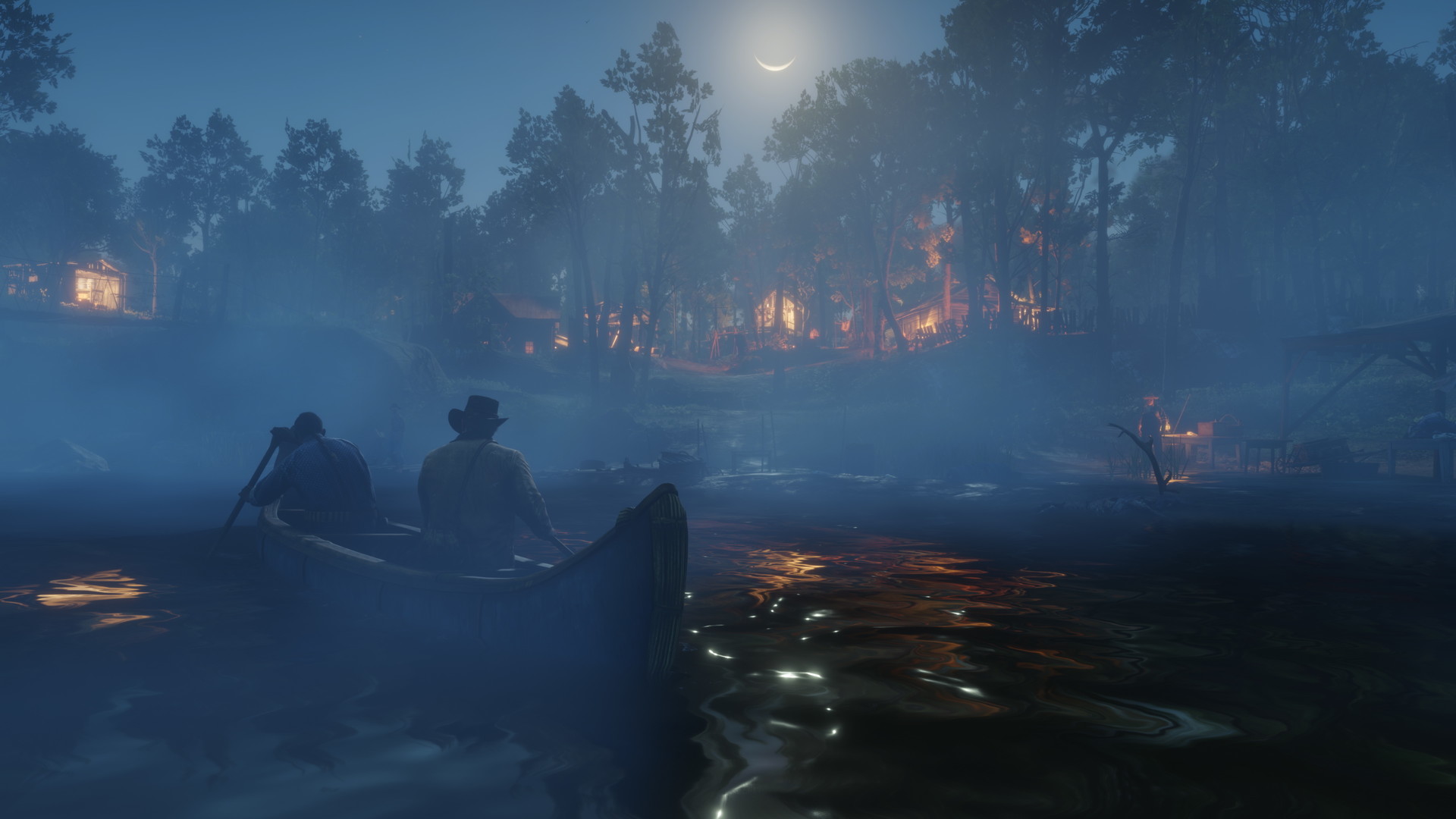
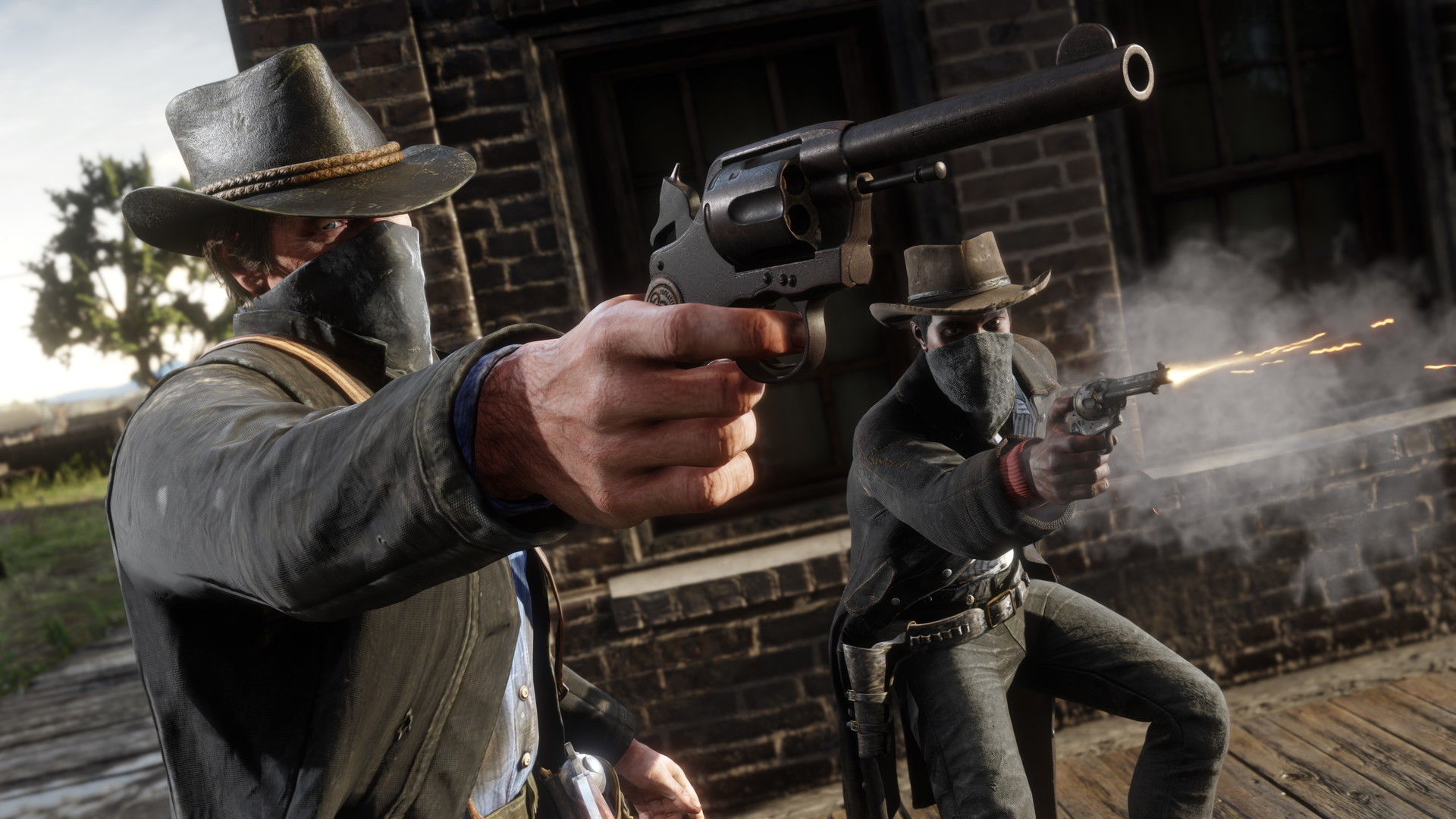
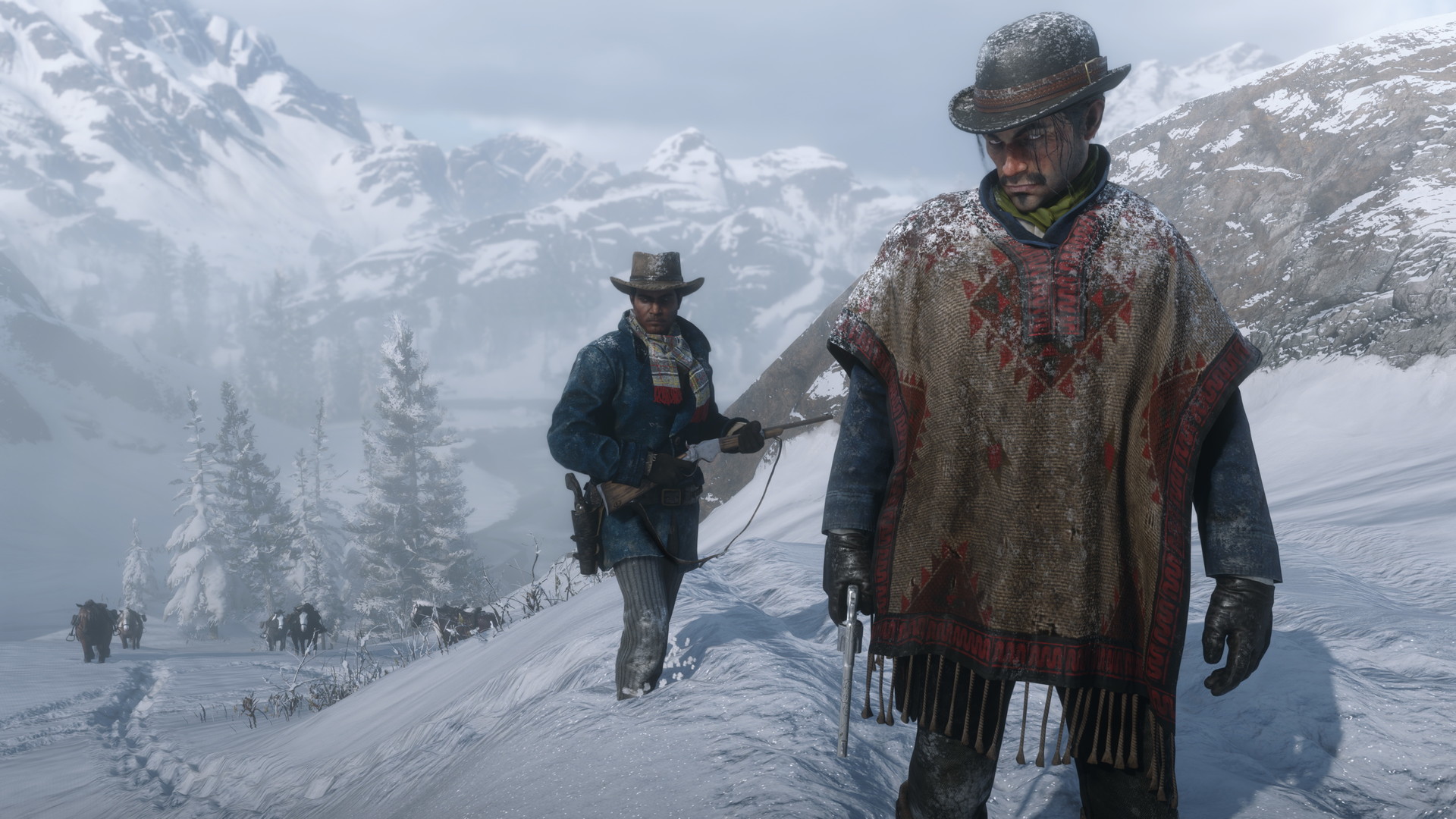
What makes Red Dead Redemption 2’s atmosphere singular isn’t its frontier setting or its gunplay—it’s how deeply it honors consequence. Every choice lingers not in stats or branching paths, but in the slump of a man’s shoulders, the tremor in his voice during a campfire song, the way Dutch’s eyes flicker when he lies—not with malice, but with the quiet, rotting certainty of a man who’s stopped believing his own sermon. The world doesn’t bend to your will; it resists. You ride for miles through mud that sucks at your horse’s hooves, you wait for rain to stop before crossing a swollen river, you watch a deer bolt—not as prey, but as something alive, indifferent, already gone. That’s the feeling: inevitability, yes—but also intimacy. A shared breath between human and landscape, between outlaw and memory. As player review 1 stammers, “a roller coaster of emotions… the feeling inside me right now”—it’s not hype. It’s the physical resonance of grief wearing the same boots as hope.
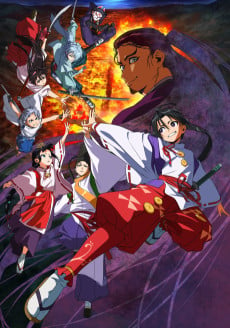
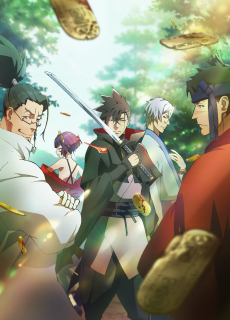
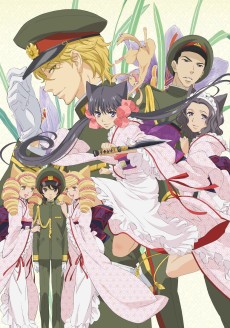
House of Five Leaves lands with that same hush. No grand battles, no heroic last stands—just a soft-spoken ronin named Akitsu drawn into a ragtag band of kidnappers operating on the fringes of Edo-period Japan. Like Arthur, he’s morally adrift, bound by loyalty to men whose ideals are fraying faster than their kimonos. Both stories unfold in the Western & Frontier dimension—not geographically, but existentially: borderlands where law dissolves, identity blurs, and survival demands daily compromises that carve deeper than any knife. And both live in the Adult & Dark Seinen space: no coming-of-age arcs, no triumphant awakenings—just grown people making quiet, devastating choices while trying not to break each other’s hearts.
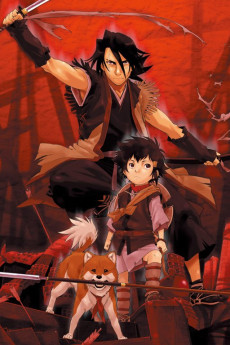
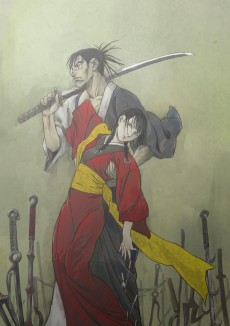
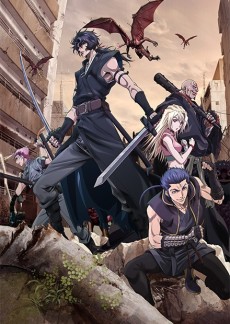
Then there’s Blade of the Immortal (ONA)—not the flashy 2008 version, but the raw, deliberate 2019 adaptation. Its pacing mirrors RDR2’s: long silences between slashes, faces held in tight close-up as blood drips onto tatami mats, the weight of centuries pressing down on a man cursed to outlive everyone he loves. Like Arthur, Manji carries trauma like armor—and like Arthur, he tries, desperately, to shield others from the very violence that defines him. The Western & Frontier dimension here isn’t about horses and deserts, but about moral geography: a lawless terrain where justice has no map, only scars. And the Adult & Dark Seinen lens strips away fantasy—it shows vengeance as fatigue, redemption as something you stumble toward, barefoot and bleeding.
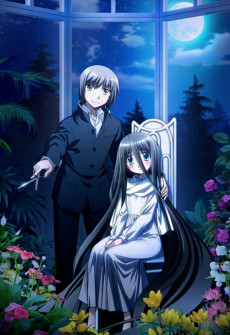
Lord El-Melloi II's Case Files {Rail Zeppelin} Grace note shares something quieter but just as vital: the tactical warfare of dignity. Not armies clashing, but minds maneuvering—Arthur negotiating with Pinkertons over tea, Lord El-Melloi calculating occult angles mid-train ride—both men using intellect as both shield and scalpel in worlds that reward neither kindness nor honesty. Its Western & Frontier texture comes not from dust, but from isolation: a moving train cutting across empty steppe, a gang’s campfire shrinking against endless night—spaces where civilization is a thin veneer, and what remains is raw, unvarnished human calculus. And yes, the Body Horror & Occult? In RDR2, it’s the coughing fits, the gangrene on a bullet wound, the way Arthur’s body betrays him long before his soul does. In Grace Note, it’s the grotesque elegance of cursed relics—same unease, different language.
This pairing isn’t for fans of “epic” or “cool.” It’s for the ones who pause mid-gunfight to watch a fox dart across the trail. For the ones who remember how Dutch’s laugh cracked in Chapter 5—not from sadness, but from effort. For the ones who rewatch Akitsu’s final bow not for closure, but for the unbearable softness in his eyes. They don’t want heroes. They want people who love too hard, grieve too loud, and ride on—weary, loyal, aching—into a horizon they know won’t save them.
→53 Anime That Match the Vibe
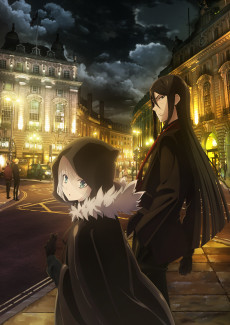
Arthur Morgan’s trembling hands as he coughs blood into the snow mirror Waver Velvet’s gaunt face beneath the Rail Zeppelin’s cursed gears—both men haunted by decay they can’t outrun. Unlike most Westerns or mage dramas, this pairing weaponizes 🤠 Western & Frontier grit not for triumph but as a crucible for moral erosion: Arthur’s final ride echoes Waver’s claustrophobic negotiations aboard the occult train, where every tactical choice bleeds into body horror. It’s startling how two stories—one drenched in mud and dust, the other in steam and sigils—make despair feel geographically inevitable.
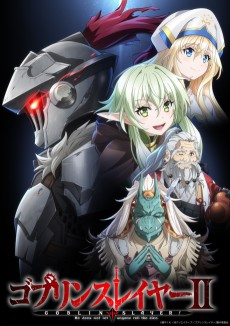
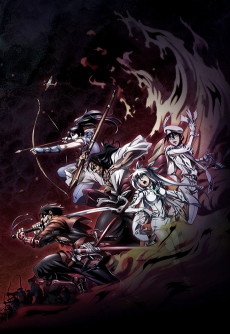
Arthur Morgan’s trembling hands as he coughs blood into the snow mirror Goblin Slayer’s silent, ritualistic cleaning of his blade after a goblin lair massacre—both confront decay not as metaphor but visceral, bodily fact. Where RDR2’s frontier grit forces moral erosion through mud-soaked chases and frostbitten fingers, *Goblin Slayer II* deepens its body horror with grotesque, fungal goblin transformations that warp flesh like rotting leather. This shared commitment to the 🤠 Western & Frontier’s harsh materiality—and 👻 Body Horror & Occult’s unflinching physicality—makes their resonance startlingly tactile, not thematic.
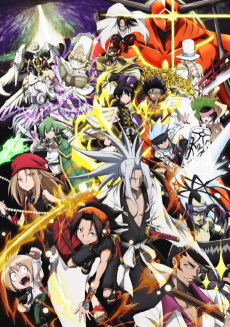
Wide-open spaces and the freedom to forge your own path.
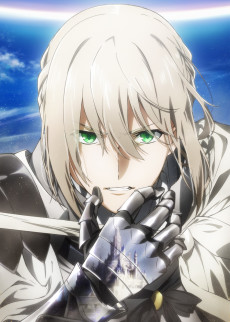
Wide-open spaces and the freedom to forge your own path.
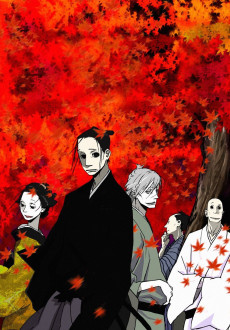
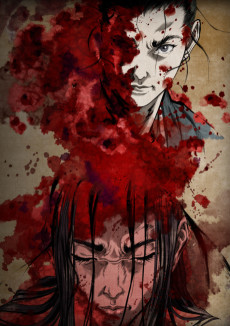
Arthur Morgan’s quiet stare into a dying campfire mirrors Masanosuke’s hesitant pause before drawing his sword—both men suspended in the twilight of obsolete codes. Unlike most frontier stories, neither glorifies violence; instead, they linger in the weary stillness after bloodshed, where 🤠 Western & Frontier grit meets 🖤 Adult & Dark Seinen moral exhaustion. That shared weight—of loyalty fraying under systemic collapse—is what makes their resonance so quietly devastating.
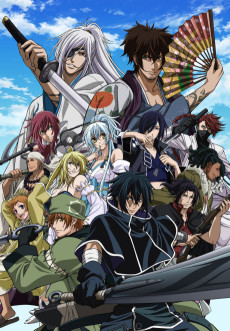
Wide-open spaces and the freedom to forge your own path.

Wide-open spaces and the freedom to forge your own path.
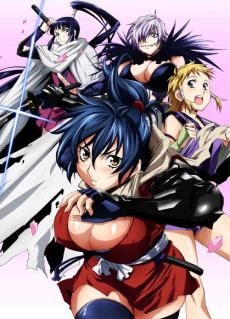
Wide-open spaces and the freedom to forge your own path.
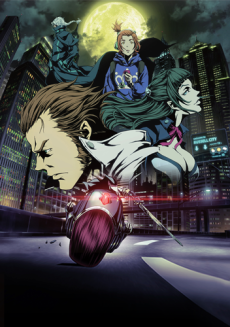
Wide-open spaces and the freedom to forge your own path.

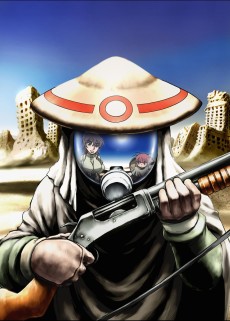
Arthur Morgan’s quiet campfire confessions mirror Aladdin’s solitary wanderings across deserts and ruins—both men seek meaning amid crumbling ideals. Where tactical warfare shapes every shootout in Red Dead Redemption 2’s frontier chaos, Magi’s dungeon battles demand precise spatial awareness and ally coordination, turning narrow corridors into high-stakes chessboards. This resonance isn’t surface-deep: the Western & Frontier aesthetic binds them—not through hats or horses, but through exile, fading codes of honor, and the weight of leading broken people toward uncertain salvation.






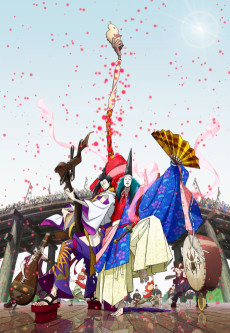

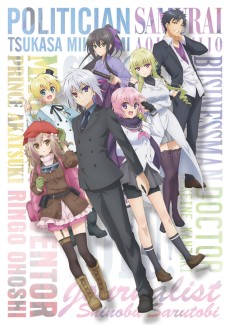
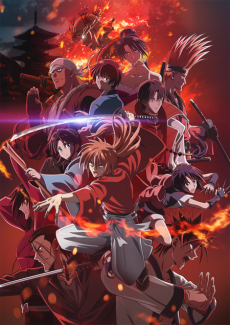
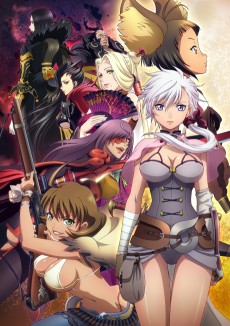

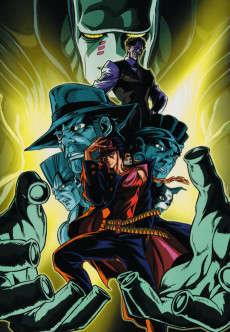
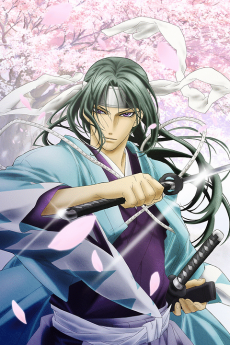

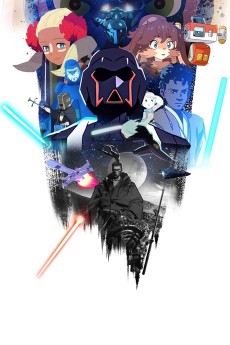
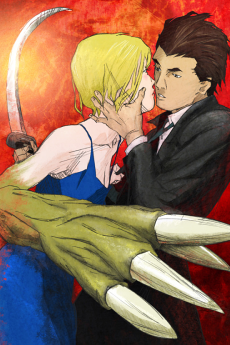





Match Dimensions Explained
❓Frequently Asked Questions
Why does House of Five Leaves feel so much like Red Dead Redemption 2’s quieter, more melancholic moments?
Because both center on a morally gray outlaw crew drifting through a fading frontier—House of Five Leaves follows the ronin Akitsu and the gentle but doomed gang of kidnappers in Edo-period Japan, mirroring Arthur Morgan’s conflicted loyalty to the Van der Linde Gang. You’ll recognize that same ache in scenes like Akitsu silently watching his comrades laugh around a fire, knowing their code won’t save them—just like Arthur staring at the campfire after Dutch’s speeches start sounding hollow.
Is there an anime adaptation of Red Dead Redemption 2?
No—Rockstar hasn’t licensed or produced any official anime adaptation of RDR2. But if you’re craving that same gritty Western frontier vibe with layered characters and slow-burn tragedy, Lord El-Melloi II’s Case Files {Rail Zeppelin} Grace note nails it: think train heists across sun-baked deserts, tactical standoffs with rival factions, and that same weighty moral exhaustion Arthur carries after every robbery gone sideways.
How does Blade of the Immortal (ONA) compare to House of Five Leaves for RDR2 fans?
Blade of the Immortal leans harder into visceral, consequence-heavy violence—Manji’s immortal body taking hit after hit mirrors Arthur’s endurance through snowstorms, gunfights, and betrayal—but it’s less about found family and more about atonement. House of Five Leaves, meanwhile, captures RDR2’s emotional core: quiet walks through misty forests, morally compromised choices made to protect your people, and the heartbreaking inevitability of the gang’s dissolution—like when Yaichi quietly folds his jacket after the final job, just as Arthur folds his bandana before riding off alone.
What’s the best anime like Red Dead Redemption 2 if I want that ‘brooding, rain-soaked, morally exhausted’ vibe?
GOBLIN SLAYER II—it’s got the same oppressive atmosphere, tactile grit, and weary physicality: every muddy bootstep, every clink of battered armor, every tense silence before violence erupts feels ripped from Arthur’s journal entries. The way Goblin Slayer stares blankly at a campfire after slaughtering a nest? That’s pure Arthur Morgan post-Blackwater—haunted, functional, and utterly spent.