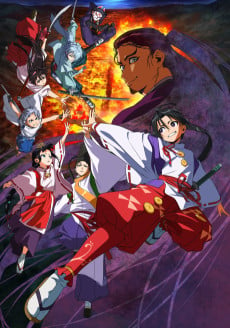
The Elusive Samurai
In the year 1333, the Kamakura shogunate government comes crumbling down. A trusted vassal, Ashikaga Takauji, betrays the shogunate and organizes a rebellion. Houjou Tokiyuki, the rightful heir, escapes the massacre with a Shinto priest named Suwa Yorishige to Kamakura. On the run and fighting to stay alive, Tokiyuki sets in motion his plan to reclaim his birthright.
(Source: Crunchyroll)
📺Anime Details
📝Editorial Analysis
The rain in Kamakura doesn’t fall—it clings. It slicks the bamboo groves where twelve-year-old Houjou Tokiyuki presses his back against cold, wet bark, breath shallow, eyes wide not with fear but with the terrible, crystalline focus of a child who has already buried his name. His hand rests on the hilt of a sword too long for him—too heavy, too real—while Suwa Yorishige’s quiet chanting hums like a shield against the snapping of distant torches. There is no music here, only wind, dripping water, and the low, guttural call of men hunting royalty disguised as ghosts. That moment isn’t about survival. It’s about dignity under erasure—a boy stripped of title, land, lineage, yet refusing to vanish.
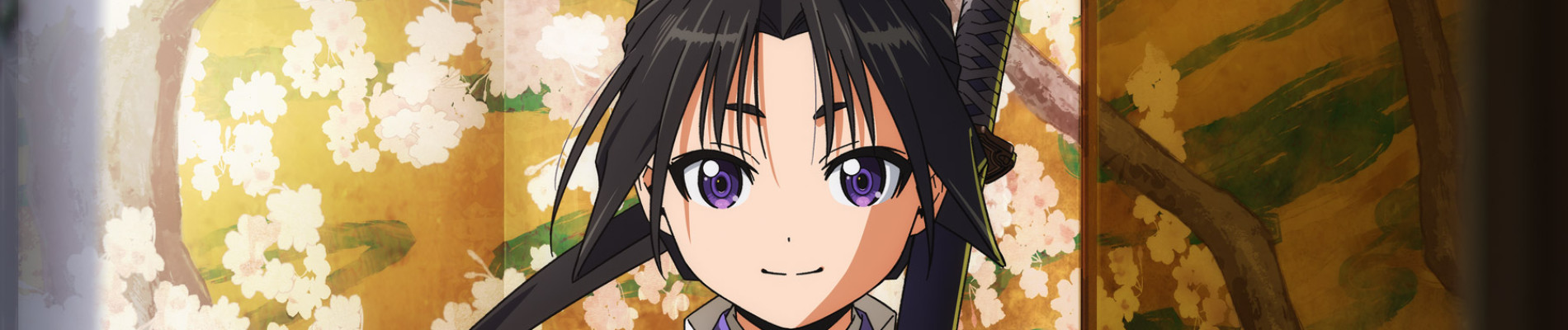
What makes The Elusive Samurai ache so deeply isn’t its historical setting or even its demons—it’s the weight of quiet intention. This isn’t a story told in battle cries or triumphant banners. It’s told in the pause before a draw, the tremor in a child’s wrist holding a blade meant for generals, the way loyalty becomes less a vow and more a physical posture—bent, enduring, unbending at the core. You don’t feel heroic watching Tokiyuki flee. You feel resonant. Like your own pulse has synced to the rhythm of footsteps on wet stone, of decisions made not for glory, but because silence would be surrender—and surrender is the one thing a fugitive heir cannot afford. It’s tragedy, yes—but tragedy that hums with stubborn, unbroken will.
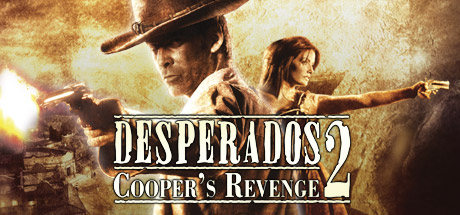
That same resonance flickers in Desperados 2: Cooper's Revenge, where tactical warfare isn’t about domination but precision under pressure: “a beautiful 3D env” where every shadow hides consequence, every movement must account for time, distance, and the fragile margin between capture and escape. A player review admits it’s “not so much” about spectacle—but about control, about orchestrating small, desperate acts across hostile terrain. Just like Tokiyuki navigating Kamakura’s ruins, Cooper doesn’t storm forts—he slips through them, one calculated risk at a time. The emotional DNA isn’t in the Western setting—it’s in the fugitive calculus: how many lives can you hold in your hands before they slip away?
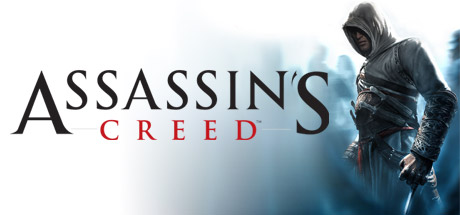
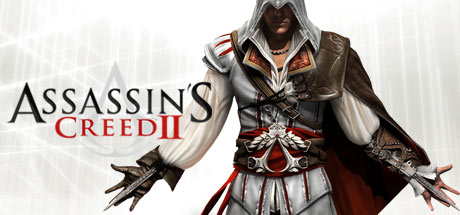
Then there’s Assassin's Creed™: Director's Cut Edition, described as redefining action by merging “political thriller” and “dark fantasy” with tactical warfare. Its dated textures don’t dull the core truth: you are a blade moving through systems of power that see you as error, not enemy. A player notes flaws—but also accepts them, because the feeling—of being hunted while hunting back, of identity worn like armor then shed like ash—is what lingers. Tokiyuki doesn’t wield a hidden blade, but he wears his lineage like a curse and a compass; both he and Altaïr operate inside architectures designed to erase them. Neither wins by breaking the system—they win by learning its breath, its blind spots, its rhythm.
And Red Dead Redemption 2, where Arthur Morgan rides not toward victory but through consequence: “outlaws on the run… rob, steal, and fight their way across the rugged heartland.” A reviewer calls it “a roller coaster of emotions”—but what anchors that chaos is dignity in dissolution. Arthur’s choices aren’t grand; they’re small, weary, human—like Tokiyuki choosing to sharpen his sword at dawn instead of sleeping, or Suwa choosing silence over scripture when words would betray them. Both stories understand that revenge isn’t fire—it’s embers banked low, carried across miles, kept alive not for vengeance’s sake, but because to let them die would mean the world won.
This pairing isn’t for fans of spectacle or catharsis. It’s for the ones who pause mid-battle to watch light catch dust motes in a ruined temple—or who reload a save not to win, but to protect one more life, one more quiet moment of grace. It’s for viewers who feel hollow when a character shouts, but full when they hold their breath. For players who measure success not in kills, but in how long they stayed unseen, how deeply they listened, how tenderly they carried their grief—not as weight, but as witness.
🎮74 Games That Match the Vibe
















Match Dimensions Explained
❓Frequently Asked Questions
Why is Assassin's Creed listed as similar to The Elusive Samurai when it's set in the Middle East and not feudal Japan?
Great question—it’s the shared DNA of stealthy, mission-based tactical warfare and political intrigue that makes it a match. Think of Altaïr navigating Acre’s rooftops like a silent shinobi, using environmental awareness and precise timing to eliminate targets—very much like how The Elusive Samurai emphasizes patience, positioning, and consequence-driven takedowns. Plus, both lean hard into a grounded (if stylized) historical thriller vibe, even if the settings differ.
Is there a live-action or anime adaptation of The Elusive Samurai?
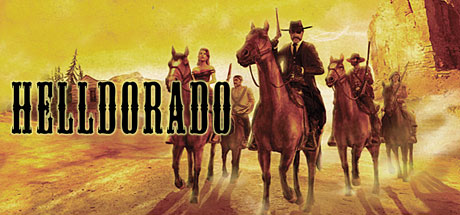
Not yet—and none of the games on its match list hint at adaptations either. But interestingly, Helldorado (a standalone expansion to Desperados 2) *does* feel like a gritty, cinematic Western anime: it drops you into 1883 Santa Fe with morally gray outlaws, tense standoff mechanics, and cutscenes that play like a Spaghetti Western meets *Rurouni Kenshin*. So while no official adaptation exists, that vibe is already baked into the matches.
How does Red Dead Redemption 2 compare to The Elusive Samurai in terms of stealth and honor systems?
RDR2 leans into reactive, systemic stealth—like hiding in tall grass, using fog for cover, or silently choking guards—but it lacks a formal honor system tied to your core identity like The Elusive Samurai’s. Instead, Arthur Morgan’s choices ripple through dialogue and faction reputation, much like how Desperados 2’s Cooper relies on team coordination and non-lethal takedowns to avoid escalating chaos. Both reward patience, but RDR2’s world feels more forgiving (and messier) than the razor-thin margins of samurai discipline.
What’s the best game like The Elusive Samurai if I want that lonely, dusty, morally ambiguous bounty-hunter vibe?
Oddworld: Stranger’s Wrath HD nails it—imagine the Stranger, a grizzled, coughing bounty hunter with a living crossbow, riding across surreal desert canyons while hunting outlaws for cash to save his own life. It blends Western frontier grit, dark comedy, and tight tactical combat (you stun enemies first, then haul them in alive for bigger bounties), all wrapped in a weirdly heartfelt, anti-capitalist parable. It’s basically *The Elusive Samurai*’s spiritual cousin—if that cousin wore chaps and shot live ammo creatures.