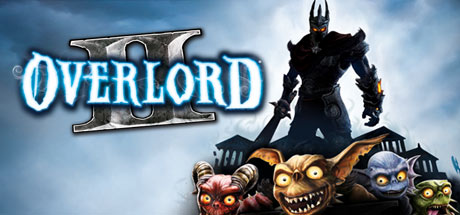
Overlord II
Overlord II, sequel to the critically acclaimed cult hit, sees the return of the chaotic Minions and their new Dark Master. Bigger, badder and more beautifully destructive, Overlord 2 has a Glorious Empire to smash, a massive Netherworld to revive, Minion mounts to mobilize, a trio of mistresses to woo, War Machines to crush opposition...
🎮Game Details
💬What Players Say
"This game is a real treat. Overlord/Overlord 2 are unique games. That really haven't had anything like them since their release...."
""It's basically a management sim for people who find the concept of a spreadsheet too erotic, and would much rather spend their time watching a group of psychotic garden gnomes beat a baby seal to death with its own mother""
"Es prácticamente igual que el primero. Los añadidos son pocos, y la mayoría no aportan mucho, otros como el nivel en barco es malo, y el minimapa es una gran mejora. Aunque sigues necesitando distintos minions para seguir avanzando, ahora no tienes que dar tantas vueltas como el primero...."
📝Editorial Analysis
The first time you send a squad of Minions—those squat, grinning, psychotic garden gnomes—to beat a baby seal to death, it hits like a slap wrapped in velvet. Not because it’s shocking in the way horror is, but because it’s so casually wrong, so gleefully unapologetic, that your laugh catches in your throat mid-chuckle. That moment isn’t satire dressed as gameplay—it is the gameplay. The official description promises a “Glorious Empire to smash” and a “massive Netherworld to revive,” but what lingers isn’t the scale—it’s the tone: a world where destruction is choreographed, absurd, and deeply, darkly funny. Player Review 2 nails it: this isn’t management—it’s management as farce, where spreadsheets are too tame and watching tiny creatures commit cheerful atrocity feels like breathing.
What makes Overlord II’s atmosphere singular isn’t its fantasy setting or its minion-swarm mechanics—it’s the emotional friction it sustains: the constant, low hum of delightful wrongness. You’re not just playing evil—you’re curating it, directing chaos with the precision of a conductor, all while the game winks behind its own smoke screen. It doesn’t ask you to empathize with the Dark Master; it asks you to enjoy his terrible taste. There’s no moral gravity dragging you down—just the light, fizzy buzz of consequence-free transgression, amplified by the Minions’ rubbery physics, their shrieks, their utter lack of self-awareness. It’s playful, yes—but playfulness edged with something sharper: the quiet thrill of watching order dissolve on command. That’s why it feels less like an RPG and more like a dark comedy engine—one that runs on irony, escalation, and the sheer, stupid joy of watching a trio of mistresses bicker while a fortress collapses in the background.
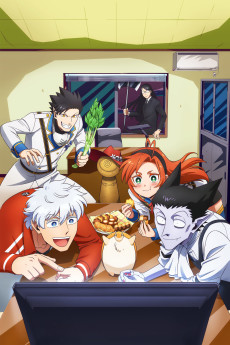
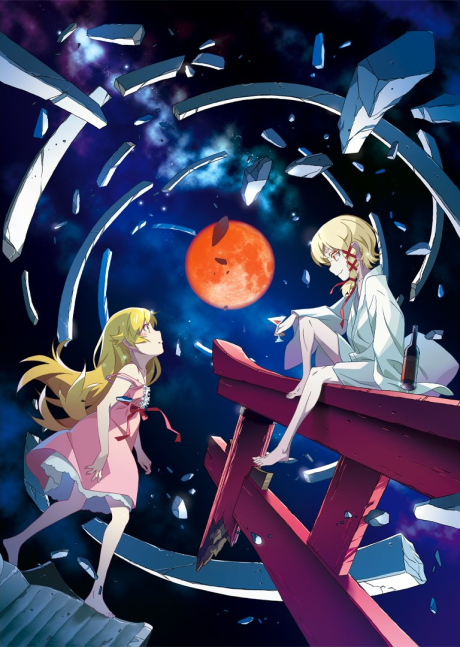
Zoku Owarimonogatari shares that same tonal tightrope walk: a story drenched in existential dread and metaphysical collapse, yet delivered through rapid-fire wordplay, fourth-wall nudges, and characters who treat cosmic unraveling like an inconvenient scheduling conflict. Its Comedy & Parody and Dark Fantasy dimensions align perfectly—not because it features minions or empires, but because both works weaponize tonal dissonance. When Araragi monologues about despair while adjusting his collar, it lands with the same wry, unsettling levity as sending Minions to “revive” a Netherworld by toppling statues onto priests. The darkness isn’t softened—it’s framed, made glittering and absurd.
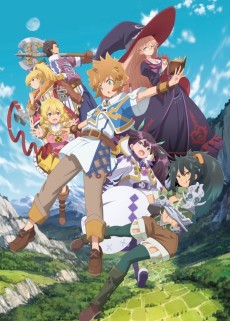
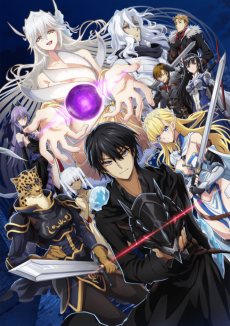
The Eminence in Shadow Season 2, at its best, operates on identical frequencies: a protagonist whose delusion is so total, so aesthetically committed, that reality bends around him—not through power, but through sheer, unblinking performance. Like the Dark Master, Cid never breaks character. His over-the-top villainy, his mistresses’ deadpan loyalty, even the empire’s bureaucratic absurdity—all mirror Overlord II’s commitment to style-as-substance. Neither work asks you to believe the fantasy; they ask you to revel in its internal logic, however unhinged. That shared Dark Fantasy isn’t about gore or grand tragedy—it’s about worlds built on self-mythology, where evil wears a tuxedo and laughs while the floor gives way.
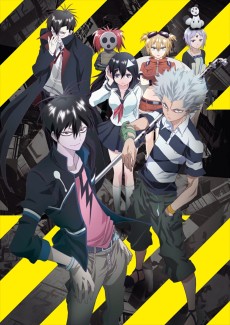
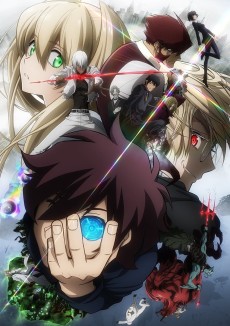
And then there’s Blood Lad, where vampiric bureaucracy, interdimensional tax codes, and a werewolf who cries over expired pudding coexist with genuine emotional stakes and sudden, brutal violence. Its Comedy & Parody isn’t surface-level—it’s structural, baked into how power functions (or fails) in its underworld. Just like Overlord II, it treats domination as theatre: the Glorious Empire isn’t crushed by brute force alone, but by the sheer ridiculous momentum of Minion logic—exactly how Blood Lad’s villains lose not to heroism, but to miscommunication, paperwork, and misplaced pride.
This isn’t for players who want catharsis through triumph or viewers who crave emotional realism. It’s for the ones who grin when the music swells during a massacre, who feel a little lighter after watching something beautiful get torn apart with a wink—and who recognize that same spark in a monologue about ontological anxiety delivered with a mouthful of ramen. It’s for people who know the most dangerous kind of darkness isn’t grim—it’s glossy, self-aware, and absolutely refusing to take itself seriously—even as it burns the world down, one giggling, gnome-faced minion at a time.
→42 Anime That Match the Vibe
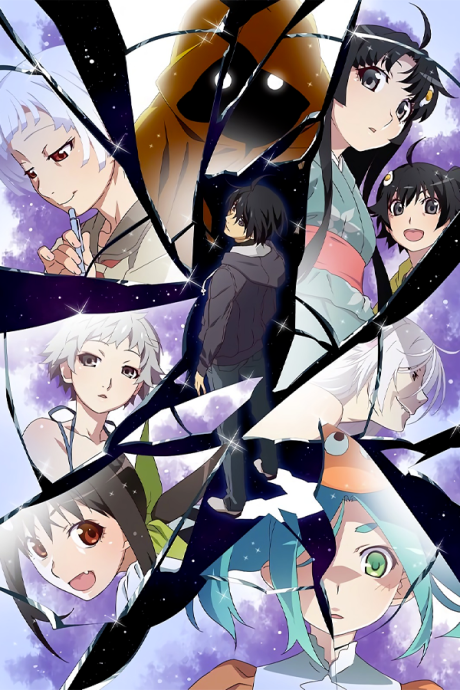
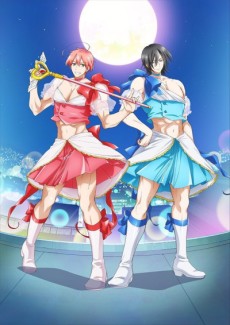
Koyomi’s surreal, post-graduation limbo—trapped in a time-looped bathroom while confronting his fractured self—mirrors the Overlord’s grotesque parody of dark fantasy tropes: both weaponize absurdity to dissect power, identity, and narrative control. Unlike most supernatural dramas, *Zoku Owarimonogatari*’s Koyomi Reverse arc leans into psychological farce just as *Overlord II*’s minions escalate chaos with deadpan glee—unifying 😂 Comedy & Parody and ⚔️ Dark Fantasy through destabilized reality. That collision feels startlingly coherent: nihilism dressed as slapstick, dread wrapped in irony.
Connected through 2 aesthetic dimensions.
Connected through 2 aesthetic dimensions.
Connected through 2 aesthetic dimensions.
Connected through 2 aesthetic dimensions.
Connected through 2 aesthetic dimensions.
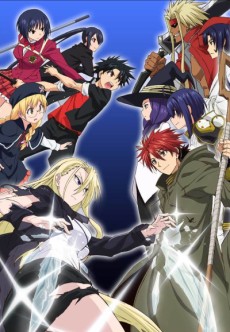
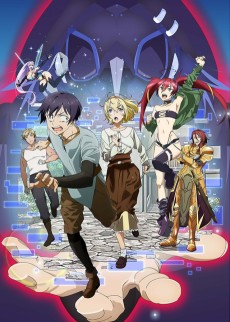
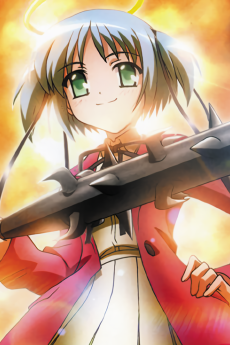
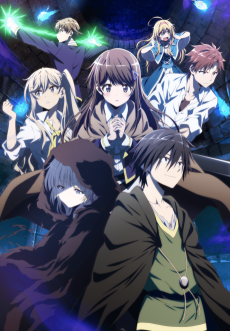
Touta’s bewildered face as he’s forcibly drafted into magical bureaucracy mirrors the Overlord II minion who nervously polishes a skull while his Dark Master debates genocide over tea. 😂 Comedy & Parody thrives in both when absurd bureaucratic logic collides with visceral dark fantasy—like UQ Holder!’s “Magic World Government” paperwork versus Overlord II’s satirical empire-building. Unlike most dark fantasies, neither flinches from making cruelty hilarious, turning moral collapse into synchronized slapstick.

Connected through 2 aesthetic dimensions.
Connected through 2 aesthetic dimensions.








Match Dimensions Explained
❓Frequently Asked Questions
Why is Zoku Owarimonogatari recommended for Overlord II fans?
Because both lean hard into dark fantasy with a razor-sharp comedic edge—like when Overlord II’s Dark Master gleefully watches his Minions turn imperial guards into impromptu piñatas, Zoku Owarimonogatari delivers that same tonal whiplash: intense existential dread undercut by absurd, fourth-wall-breaking gags (think Araragi’s deadpan monologues mid-apocalypse). The 75-score match nails the shared DNA of morally unhinged protagonists weaponizing parody to destabilize power structures.
Is there an anime adaptation of Overlord II?
No—Overlord II is a video game sequel, not a light novel or manga, so there’s no official anime adaptation. The anime you *do* see referenced (like The Eminence in Shadow S2 or UQ Holder!) are standalone series that *feel* like spiritual cousins: they all feature overpowered antiheroes orchestrating chaos with flair—Shadow’s ‘Crimson Shadow’ theatrics mirror Overlord II’s Dark Master commanding Minion mounts during the Glorious Empire’s siege on the Netherworld docks.
How does Blood Lad compare to Overlord II in tone and themes?
Blood Lad hits that same 70-score sweet spot: dark fantasy + comedy & parody, but swaps Overlord II’s empire-smashing grandeur for street-level yakuza-goblin hijinks—Staz’s obsession with turning Fuyumi into a vampire echoes the Dark Master’s obsessive, almost romantic devotion to his Minions’ destructive potential. Both use grotesque slapstick (like Blood Lad’s severed limbs regrowing mid-fight) to soften their underlying themes of power, loyalty, and corrupted idealism.
What’s the best anime like Overlord II if I want that ‘chaotic dark lord energy’ vibe?
Go straight to The Eminence in Shadow Season 2—it’s got the highest-rated match at 70, and Cid Kagenou’s entire shtick *is* Overlord II’s Dark Master dialed to eleven: a hyper-competent, secretly bored overlord who treats world-ending threats like improv theater while his loyal (and slightly unhinged) followers execute elaborate, over-the-top schemes. That scene where he ‘accidentally’ collapses a temple using only misdirection and a startled pigeon? Pure Minion-tier glorious, beautiful destruction.