
KONOSUBA -God's Blessing on This Wonderful World! 3 -BONUS STAGE-
📺Anime Details
📝Editorial Analysis
The smell of burnt toast and cheap incense hangs in the air—not from a kitchen, but from Kazuma’s third failed attempt to light a sacred candle during a “ritual” meant to summon a minor wind spirit. Instead, he summons a confused pigeon, which promptly shits on Megumin’s freshly drawn explosion sigil. Aqua shrieks, Darkness trips over her own armor trying to “protect” the pigeon (she thinks it’s a divine omen), and the candle—still smoldering—tips over onto a scroll labeled “Basic Divine Etiquette (Vol. VII: Do Not Anger the Bureaucracy)”. That’s the texture of KONOSUBA -God's Blessing on This Wonderful World! 3 -BONUS STAGE-: not chaos as spectacle, but chaos as routine, as shared, slightly grubby domesticity inside a world that insists on being mythic.
What makes this anime vibrate with such peculiar warmth isn’t its isekai premise or its ecchi gags—it’s the affectionate exhaustion baked into every frame. You feel the weight of shared failure: the way Kazuma sighs before Megumin chants, the way Darkness’s armor clanks just a half-beat too loud when she’s trying to be dignified, the way Aqua’s godly powers are less about miracles and more about misplaced enthusiasm that somehow never quite breaks the group apart. It’s satire that refuses cynicism; parody that hugs the thing it mocks. You don’t laugh at the fantasy tropes—you laugh with these idiots who’ve built a home inside them, where divine bureaucracy is just another landlord, and “heroic quests” involve negotiating refunds on cursed socks. It makes you feel seen, not as a fan, but as someone who’s ever tried—and failed—to adult gracefully while surrounded by people who love you because you keep setting things on fire.
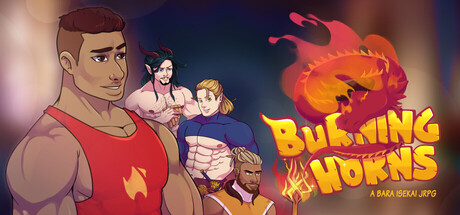
Burning Horns lands at 80 for good reason: its “Bara Isekai JRPG” framing mirrors KONOSUBA’s core alchemy—taking dark fantasy scaffolding and stuffing it full of comedy & parody so specific it feels like inside jokes whispered across dimensions. Just as KONOSUBA treats gods like petty HR managers and magic like unreliable open-source software, Burning Horns weaponizes its JRPG narrative not for gravitas, but for absurd tenderness: the same emotional DNA pulses in both—the reverence for the genre, paired with zero tolerance for its self-seriousness.
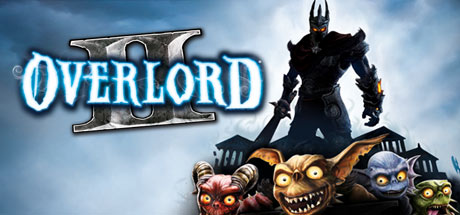
Then there’s Overlord II, scoring 63 and described as having “bigger, badder and more beautifully destructive” minions under a chaotic Dark Master. The player review nails it: “Think Fable meets…” — and what it meets, emotionally, is KONOSUBA’s ensemble logic. Both hinge on a ragtag, deeply flawed collective whose power comes not from strength, but from how they orbit each other. Overlord’s minions aren’t faceless henchmen—they’re personalities colliding, misinterpreting orders, accidentally solving problems through sheer incompetence. Like Kazuma’s party, their victories are collateral, their loyalty unearned and utterly earned at once. That “Glorious E” in the description? It’s the same energy as Megumin’s explosion—over-the-top, technically disastrous, yet weirdly perfect because everyone leans in, breath held, waiting for the beautiful mess.
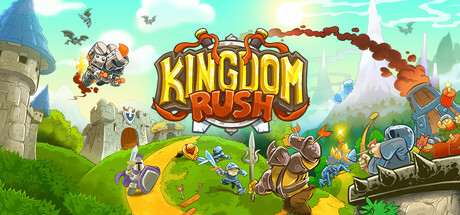
Even Kingdom Rush fits—not as a story-driven match, but as a rhythm match. Its tower defense structure, layered with comedy & parody, mirrors how KONOSUBA stages conflict: waves of absurd enemies (goblin accountants, slime tax auditors), escalating stakes that never lose their slapstick heartbeat, and a sense of tactical improvisation where the real win isn’t victory—it’s surviving long enough to make the next terrible decision together. You don’t win Kingdom Rush by optimizing; you win by laughing through the collapse, then rebuilding the turret right next to the lava pit, because why not?
This isn’t for the viewer who wants clean worldbuilding or flawless protagonists. It’s for the one who keeps rewatching the scene where Darkness tries to seduce a sentient turnip—not because it’s hot, but because she means it, and Kazuma’s deadpan “That’s not how botany works” lands like a hug. It’s for the player who booted up Overlord II not for domination, but to watch two imps argue over whether a skeleton’s hat counts as “formal wear.” It’s for anyone who’s ever loved something so much they’ve memorized all its flaws—and found, in those flaws, the only place where joy feels real, shared, and stubbornly, gloriously unbroken.
🎮6 Games That Match the Vibe

Match Dimensions Explained
❓Frequently Asked Questions
Why is Burning Horns considered the top match for KONOSUBA 3's BONUS STAGE?
Because it nails KONOSUBA’s signature tone—absurd comedy layered over dark fantasy stakes—like when the protagonist gets roasted by a sarcastic, chain-smoking dragon lord who critiques his 'heroic' decisions mid-battle. Its JRPG narrative structure and parody-heavy writing (think Megumin-level explosive chaos meets actual tactical spellcasting) mirror BONUS STAGE’s tonal whiplash better than any other title on the list.
Is there a KONOSUBA 3 anime or visual novel adaptation I can play?
No—BONUS STAGE is exclusively a bonus disc bundled with the Japanese PS4 release of KONOSUBA 3, featuring new skits, minigames, and chibi-character interactions (like Kazuma trying—and failing—to cook curry while Aqua 'supervises'). There’s no standalone anime or VN adaptation; the closest playable experience is Overlord II’s chaotic minion-based humor and self-aware dark fantasy vibe.
How does Overlord II compare to Kingdom Rush in capturing KONOSUBA’s humor and fantasy feel?
Overlord II wins on character-driven parody: you command minions who sass you like Darkness scolding Kazuma, and your Dark Master’s deadpan narration mirrors the anime’s meta-commentary. Kingdom Rush delivers the same 'absurdly overpowered but hilariously flawed' energy—like summoning a giant skeleton knight who trips over his own sword—but lacks Overlord II’s narrative voice and RPG pacing, making it more snackable but less tonally aligned.
What’s the best game like KONOSUBA 3’s BONUS STAGE if I just want chaotic, low-stakes fun with zero seriousness?
Go straight to Overlord II—it’s got that perfect blend of destructive slapstick (e.g., launching your Minions into enemy ranks like confetti cannons) and zero-fucks-given attitude, plus cutscenes where your Dark Master sighs at a goblin’s terrible poetry recital. Burning Horns is great too, but its Bara Isekai twist adds thematic weight; Overlord II stays gloriously, unapologetically unserious—just like Kazuma trying to cheat at dice with a god-tier scammer.