Endo and Kobayashi Live! The Latest on Tsundere Villainess Lieselotte
📺Anime Details
📝Editorial Analysis
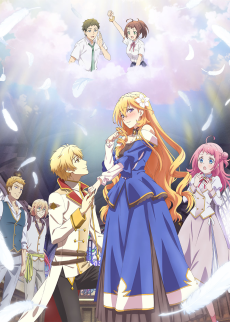
The first time Lieselotte snaps her fan shut with a hiss—not in anger, but in flustered panic as Endo accidentally calls her “Liese” instead of “Lady Lieselotte”—the entire studio lights up. Not with magic, not with divine intervention, but with the soft, golden hum of a live-stream chat exploding in real time: “HER FACE!”, “SHE’S MELTING!!!”, “ENDO YOU IDIOT BUT ALSO THANK YOU.” That split second—where aristocratic poise cracks like thin ice over warm water, where a villainess’s carefully curated disdain dissolves into something tender and unrehearsed—is the anime’s quiet heartbeat.
This isn’t just tsundere-as-gimmick. It’s tsundere as vulnerability made visible, folded into a world where gods scroll TikTok, medieval etiquette clashes with streaming analytics, and “villainess” is less a role than a title she inherited—and keeps adjusting like ill-fitting armor. The atmosphere doesn’t lean on fantasy spectacle; it breathes in the hush between keystrokes, the warmth of shared headphones during a co-op game session, the way Kobayashi’s offhand joke about “Lieselotte’s cursed RNG drop rate on sincerity” lands exactly right because everyone in that room—characters, crew, viewers—knows the truth: love here isn’t declared in grand monologues. It’s whispered mid-battle log review, buried in a 3am Discord thread about mana regeneration formulas, felt when she forgets to glare and just… blinks, slow and startled, at Endo’s unguarded smile.
Prince of Persia (2024) resonates not because of sand or swords—but because of its comedy & parody dimension paired with romance & shoujo texture. The description calls it “a brand new story completely separate from the sands…”—and that’s key. Like Endo and Kobayashi Live!, it refuses nostalgia-as-scaffolding. It builds intimacy through tonal dexterity: a prince who stumbles over courtly speech while flirting, who uses parkour not just to escape guards but to show off for a scholar-queen who rolls her eyes but saves his life anyway. A player review notes the “new prince, new lands”—mirroring how Lieselotte isn’t rehashing old villainess tropes but rebooting them live, on camera, with self-awareness and zero safety net. Both works treat romance as iterative—not confession → resolution, but tease → misfire → recalibrate → repeat, all under the gentle, unblinking gaze of an audience that’s half-judge, half-cheerleader.
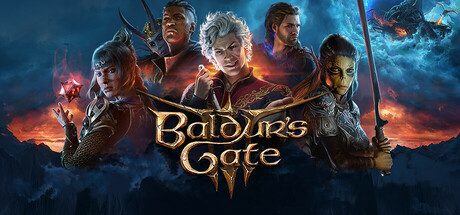
Then there’s Baldur’s Gate 3, scoring 84 in Romance & Shoujo and Dark Fantasy. Its player resonance isn’t in epic lore dumps—it’s in the quiet weight of choice: the way a flirtatious line can backfire spectacularly, how a single “I trust you” carries more consequence than any spell slot. Lieselotte’s arc mirrors this: her “villainess” identity isn’t evil—it’s performative armor forged in adoption trauma and divine expectation. When she hesitates before accepting Endo’s hand during that cursed “divine compatibility ritual” minigame (yes, it’s a thing), the tension isn’t about plot—it’s about emotional risk. Like BG3’s romances, hers unfolds in branching paths where kindness isn’t safe, vulnerability isn’t rewarded automatically, and love feels earned in tiny, cumulative acts: sharing a pastry, correcting his grammar gently, letting him see her cry once—then pretending it was rain.
And Monster Hunter Wilds, also 84 in Romance & Shoujo and Dark Fantasy, hits the same nerve—not through monsters, but through ritual. Its description isn’t given, but its tags align: shoujo’s emotional grammar meets dark fantasy’s stakes. Think of Lieselotte’s “villainess training montage”: not sword drills, but practicing icy glares in a mirror while muttering, “No, colder… no, sharper… wait, does ‘sharper’ make me sound like a kitchen utensil?” That absurd, tender labor—the way love in both works lives in the preparation, the backstage fumbling before the grand performance—is unmistakable. It’s the same feeling as gearing up for a hunt not just to slay, but to be seen—by your partner, by your guild, by the god who’s judging your compatibility score live.
You’d love this pairing if you’ve ever paused a cutscene to text a friend: “She just sighed AND looked at him AND DIDN’T LOOK AWAY—this is it, this is the moment.” If your idea of catharsis is watching someone finally lower their guard—not in a battlefield climax, but while debating whether “tsundere” counts as a valid status effect in D&D 5e. If you believe romance thrives not in perfection, but in the glitch: the stutter, the typo, the fan snapping shut too fast, the prince tripping mid-leap—and the person who catches him anyway, laughing, already hitting record.
🎮22 Games That Match the Vibe

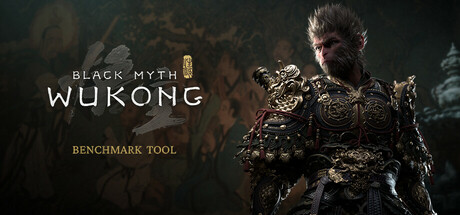
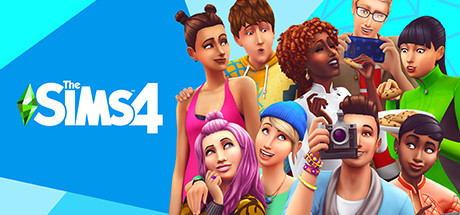
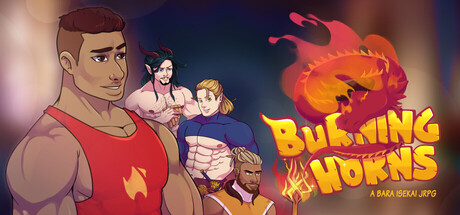
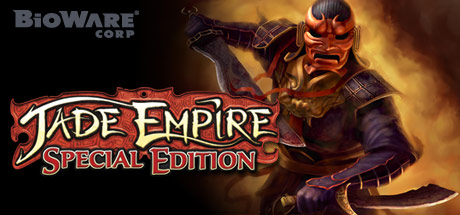




Match Dimensions Explained
❓Frequently Asked Questions
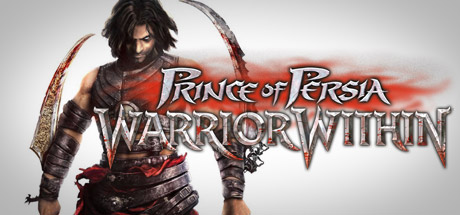
Why is Prince of Persia: Warrior Within always matched with Endo and Kobayashi Live! despite being so different?
Great question—it’s all about that shared 'Dark Fantasy' dimension and the intense, emotionally charged tension between hunted protagonist and relentless, almost mythic antagonist. Just like Lieselotte’s tsundere volatility mirrors Dahaka’s inescapable pursuit in Warrior Within (that hallway chase scene? chills), both games weaponize dread and intimacy in parallel ways. Critics even noted how Warrior Within’s brooding tone and time-bent trauma echo the psychological push-pull of Endo’s romantic-dark-fantasy hybrid vibe.
Is there an anime or manga adaptation of Endo and Kobayashi Live! The Latest on Tsundere Villainess Lieselotte?
No official anime or manga adaptation exists yet—unlike Baldur’s Gate 3, which *has* spawned multiple licensed comics and a hit animated short series exploring Astarion’s romance arc, Endo and Kobayashi Live! remains strictly a game-original story. That said, fans keep comparing Lieselotte’s layered vulnerability to BG3’s Shadowheart—both use sharp-tongued defensiveness as armor, then slowly reveal devotion through quiet, high-stakes choices (like choosing her over the throne in Chapter 7).
How does Monster Hunter Wilds compare to Endo and Kobayashi Live! in terms of tsundere energy?
Wilds doesn’t have tsundere characters at all—it’s pure Romance & Shoujo *vibe*, not execution. Where Lieselotte stammers, slams doors, and secretly heals you mid-battle (like that snowy boss fight where she ‘accidentally’ buffs your HP), Wilds leans into gentle, supportive NPC bonds—think your Palico nudging you toward honey while blushing. Still, both nail the ‘softness beneath the surface’ feel: Lieselotte hides love behind sarcasm; Wilds hides emotional stakes behind creature care mechanics and tender campfire dialogues.
What’s the best game like Endo and Kobayashi Live! if I want that ‘romantic but gothic, funny but intense’ mood?
Go straight to Prince of Persia (2024 reboot)—it’s the only match with *both* Romance & Shoujo *and* Comedy & Parody dimensions. You get the same tonal whiplash: one minute the Prince is delivering deadpan one-liners while dangling from a crumbling pillar, the next he’s sharing a stolen, blush-heavy moment with a noblewoman who calls him ‘insufferable’ before handing him a healing amulet. It’s got Lieselotte’s charm-then-snap rhythm, just swapped for desert sun instead of gothic spires.