
The Sims™ 4
Play with life and discover the possibilities. Unleash your imagination and create a world of Sims that’s wholly unique. Explore and customize every detail from Sims to homes–and much more.
🎮Game Details
💬What Players Say
"TS4 has become awful, the packs are insanely expensive and often broken with full of bugs/issues. This game is no fun without dlc, you can barely do anything. There is a pack to have pets, to play and go to high school and to even have seasons, all not part of the base game...."
"I used to play this game all the time, but I just cannot bring myself to play it much ever since the buyout was announced. For those of you who don't know, EA is getting bought by Saudi Arabia’s Public Investment Fund (PIF) and Jared Kushner’s Affinity Partners. PIF is owned by THE Saudi Arabian Government, which is known for committing human rights abuses...."
"I played some crappy game similar to Sims on Facebook and I think with my little goldfish brain that I tried a pirated very old Sims on Nintendo, but yes, I basically survived through my adolescence without playing Sims. Is it so sad that I didn't play it then? Yes, because the game is absolutely amazing...."
📝Editorial Analysis
You’re dragging a Sim’s hand across the screen, trying to make them sit on a park bench—but they won’t. Not yet. You’ve already spent ten minutes adjusting their hair, swapping their shirt three times, renaming them “Mochi” in lowercase cursive, and placing a tiny potted fern beside the bench just so. The game hums softly—no music, no urgency—just the low ambient thrum of life ticking forward while you hold your breath, waiting for that little green “Sit” prompt to finally appear. This isn’t about winning. It’s about tending. It’s the official description made flesh: “Play with life and discover the possibilities.” Not conquer. Not survive. Play with life. And yet, beneath that gentle invitation pulses something fragile—Player review 1’s exhaustion: “This game is no fun without dlc, you can barely do anything.” Review 2’s quiet dread: “I just cannot bring myself to play it much ever since the buyout was announced.” Review 3’s tender, self-deprecating nostalgia: “I basically survived through my adolescence w…” — trailing off, unfinished, like a Sim mid-thought, blinking in the sun.
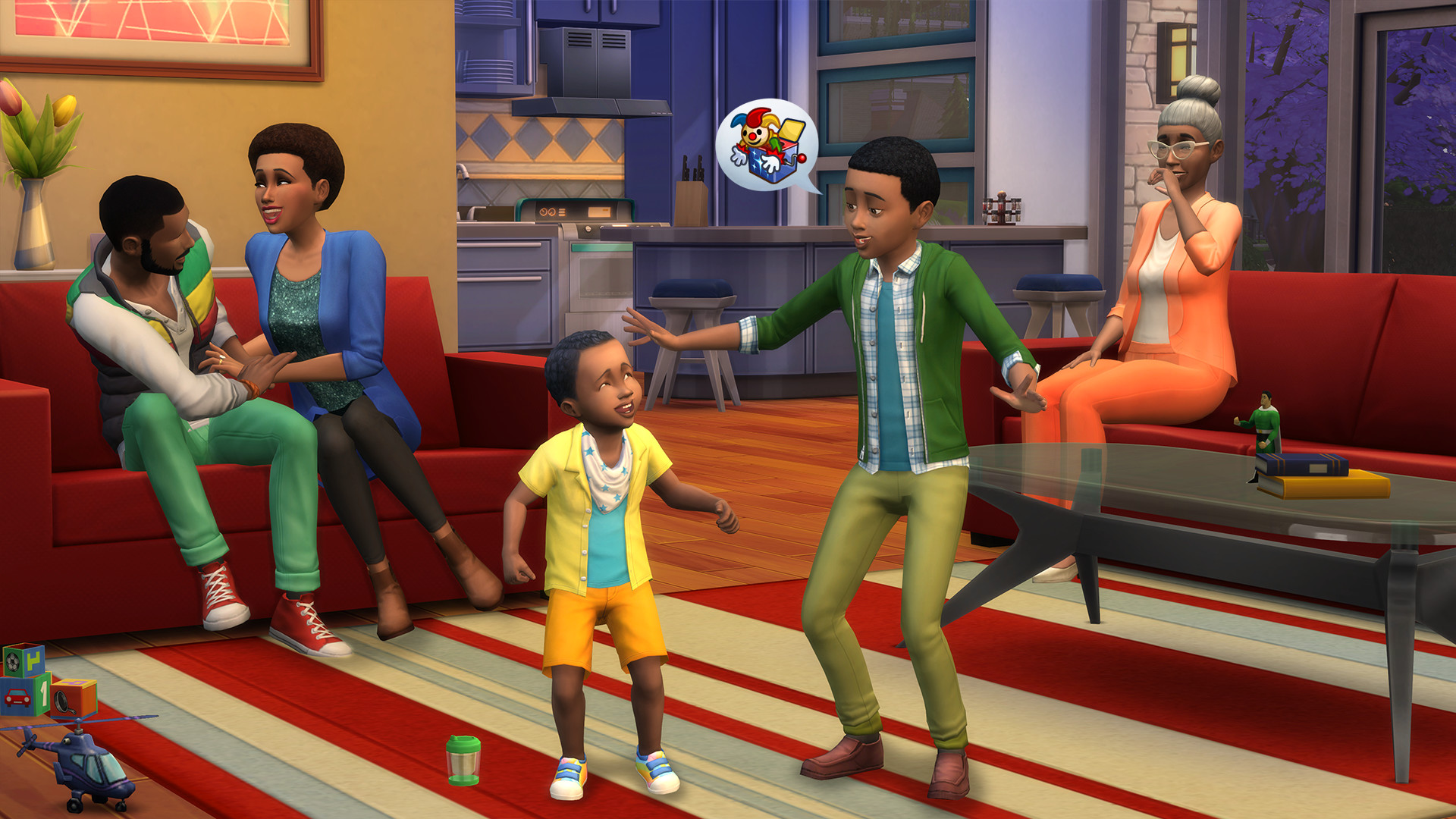
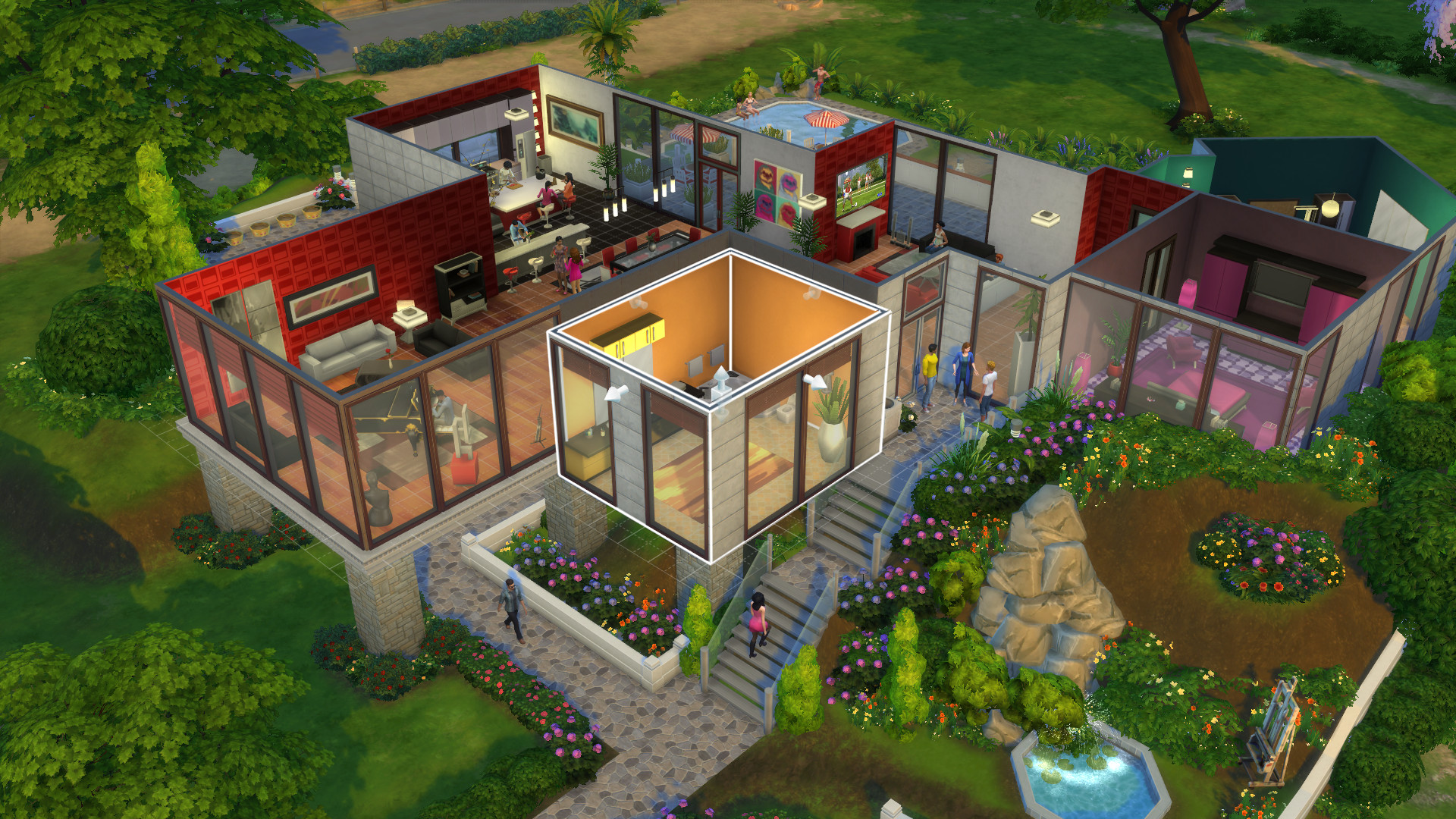
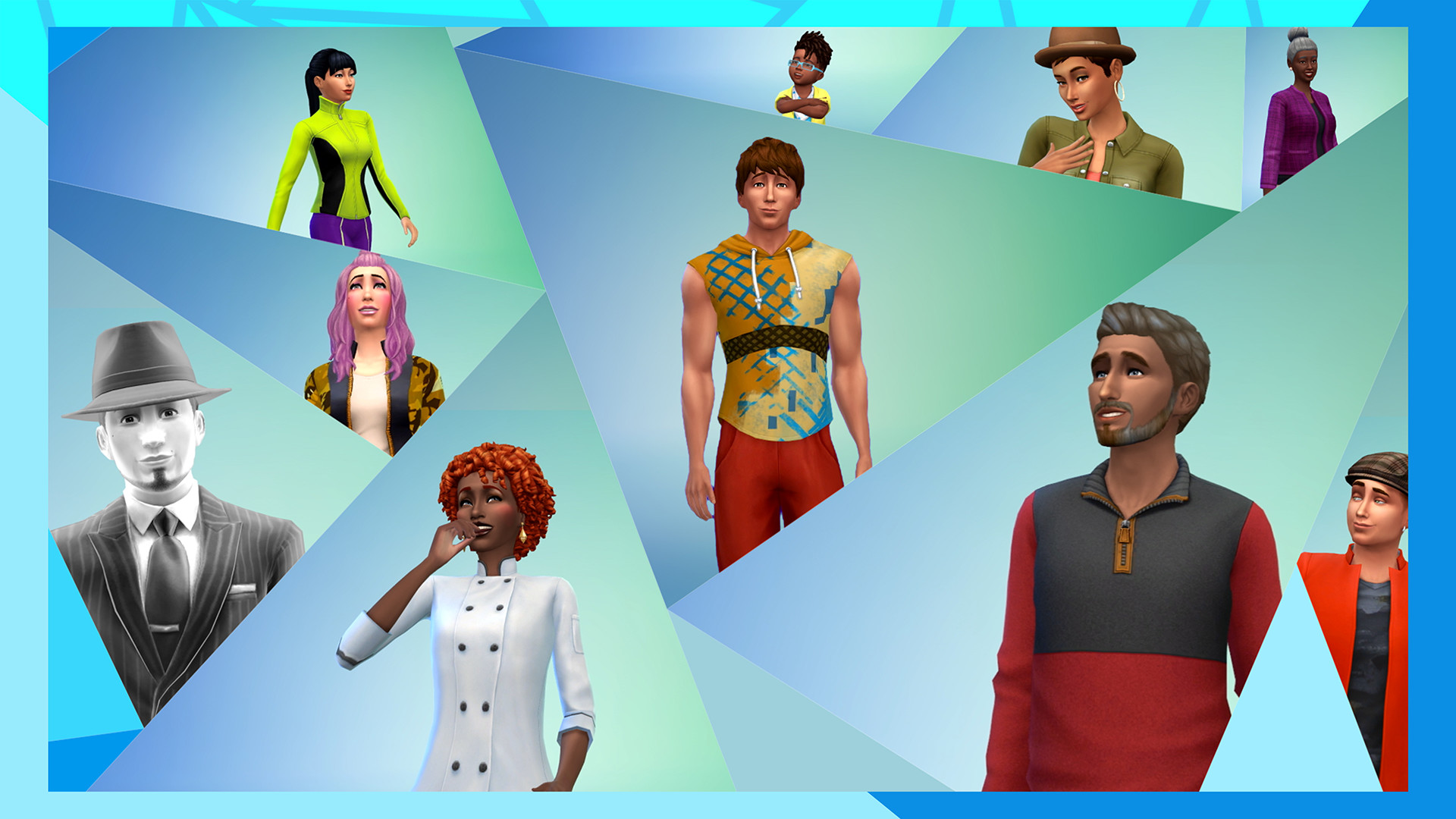
That’s the feeling: tenderness shadowed by precarity. The Sims™ 4 doesn’t simulate drama—it simulates care, over and over, in granular, almost devotional detail: choosing wallpaper, nudging a Sim toward a friend, watching rain blur the windowpane as they sip tea alone. It asks you to invest in smallness—the weight of a glance, the warmth of shared silence, the quiet triumph of a Sim finally learning to cook. But that investment feels increasingly vulnerable. The DLC model fractures immersion; the corporate uncertainty (the Saudi buyout news) makes every saved household feel provisional, like writing letters you’re not sure will ever be delivered. So the game becomes a paradox: a sanctuary built on shifting ground—healing, yes, but healing that must constantly reassert itself against erosion. It’s not escapism. It’s holding on, gently, to softness in a world that keeps raising the price of peace.
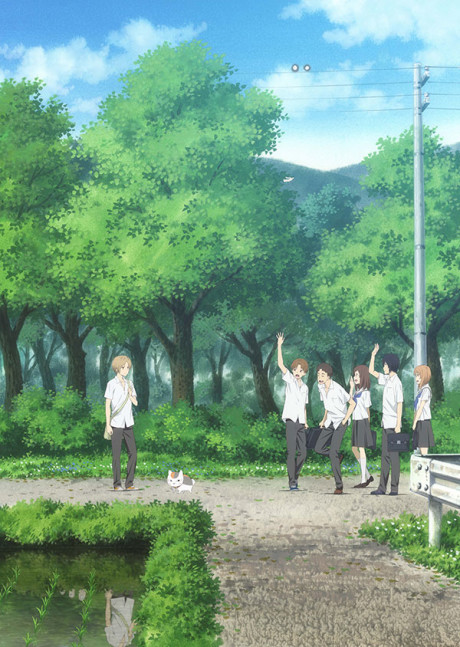
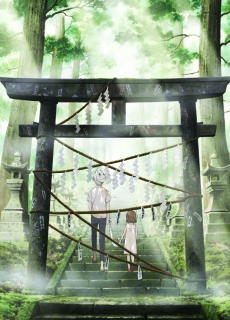
That exact emotional frequency vibrates in Natsume's Book of Friends Season 6, where Natsume walks forest paths with Nyanko, returning borrowed names not as conquests but as acts of witnessing—each gesture small, deliberate, irreplaceable. Like placing that fern beside the bench, it’s care measured in millimeters of attention. Then there’s Heaven Official's Blessing, where Xie Lian rebuilds his world not through power, but through showing up: mending a torn sleeve, lighting a lantern for a ghost, sitting quietly beside someone who’s forgotten how to breathe. No grand battle resets the stakes—just presence, repeated, stubbornly, like saving a Sim’s mood bar one interaction at a time. And Miss Kobayashi's Dragon Maid S—oh, that bath scene where Tohru folds laundry while Kobayashi naps on the couch, steam rising from mismatched mugs on the low table—that is TS4’s core loop distilled: domesticity as devotion, the mundane rendered sacred not by magic, but by continuity. All three share the same dimensional DNA listed: Healing & Slow Life, yes—but crucially, Romance & Shoujo, not as plot engines, but as emotional grammar: love as daily maintenance, intimacy as choosing the same mug, again and again.
This pairing isn’t for the player who wants mastery or the viewer who craves escalation. It’s for the person who replays the same 90-second clip of a Sim watering plants just to watch the light catch the droplets—and then watches School Babysitters’s Riku kneel to tie a child’s shoelace for the fourth time that day, his fingers slow, his expression utterly unremarkable, utterly full. It’s for the one who reads Player review 3’s “I basically survived through my adolescence w…” and feels their throat tighten—not because it’s tragic, but because it’s true, and tender, and unfinished. They’re the ones who understand that healing isn’t a destination in The Sims™ 4, nor in these anime—it’s the act of opening the file, clicking “New Game,” naming a Sim “Mochi,” and whispering, “Let’s try again today.” Just softly. Just together. Just here.
→290 Anime That Match the Vibe

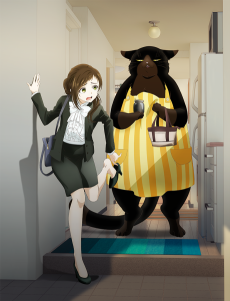
Tohru’s chaotic yet tender attempts to bake cookies for Kobayashi—flour everywhere, tail knocking over the mixer—mirror a Sim’s delightfully disastrous cooking streak. Unlike most fantasy comedies, *Miss Kobayashi’s Dragon Maid S* leans into quiet, sunlit domesticity: shared baths, lazy Sundays, and the gentle friction of nonhuman intimacy—exactly the 🌻 Healing & Slow Life rhythm *The Sims 4* cultivates when players prioritize cozy routines over ambition. This resonance feels quietly radical: two works where love blooms not in grand gestures, but in burnt toast, mismatched socks, and the soft glow of a well-furnished living room.

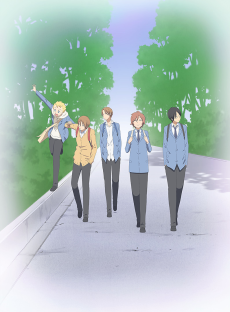
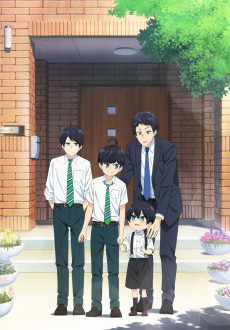
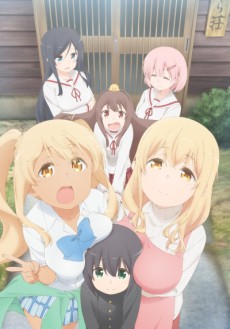
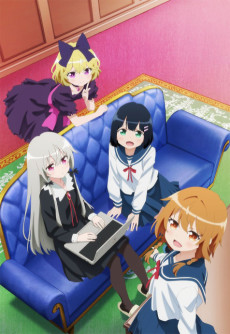
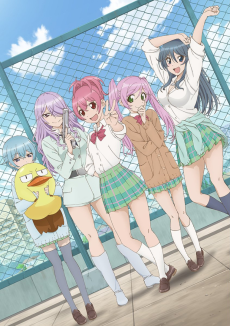
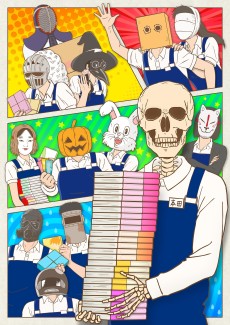
Ryuuichi Kashima’s quiet determination to care for toddlers at the Morinomiya Academy daycare mirrors a Sims 4 player meticulously designing a nurturing home—where every rug, toy, and bedtime routine serves emotional safety. Unlike most life sims fixated on ambition or chaos, The Sims 4’s “Healing & Slow Life” dimension aligns with School Babysitters’ gentle pacing: Kotarou’s sleepy naps in Ryuuichi’s lap echo the game’s unscripted, tender moments of Sims sharing tea or rocking babies at dawn. This resonance feels quietly radical—a shared belief that caregiving *is* worldbuilding.

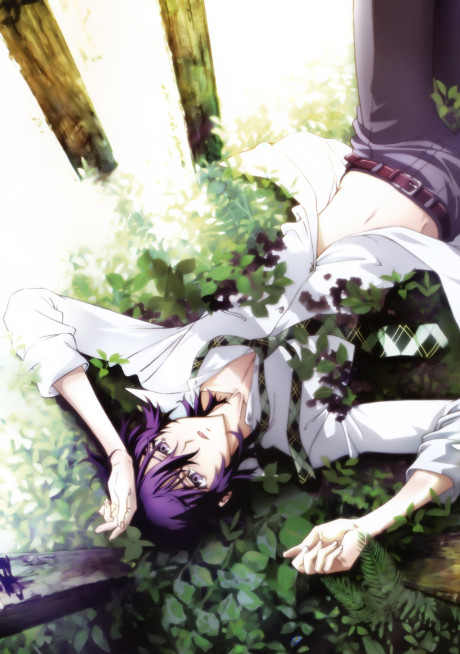
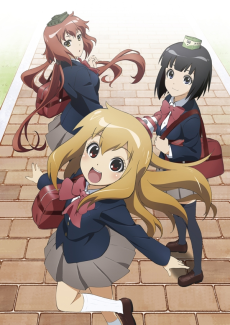
Hokkaido’s snow-dusted streets—where Miku blushes over steamed coffee at a Sapporo café—mirror the quiet magic of customizing a Sim’s winter outfit and watching them sip cocoa by a fireplace. Unlike most romance media that rush toward confession, both embrace 🌻 Healing & Slow Life: lingering glances, seasonal rituals, and the gentle weight of small choices. What’s surprising is how deeply they trust stillness—not plot, but presence—to build intimacy.

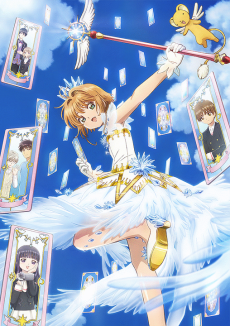
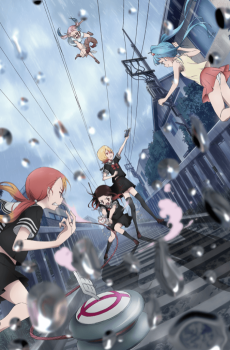
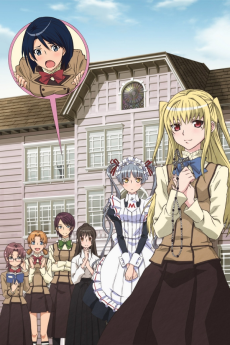
Illya’s cozy Einzbern manor—where magical mishaps unfold over tea and toast—mirrors the Sims 4’s quiet joy of designing a home that breathes warmth and whimsy. 🌻 Healing & Slow Life thrives in both: Illya’s gentle domesticity amid chaos echoes a Sim baking cookies while sunlight pools on custom hardwood floors. Unlike most mahou shoujo, Prisma☆Illya’s ONA leans into low-stakes intimacy—not world-saving, but *home-keeping*—making its resonance with Sims’ sandbox tenderness unexpectedly profound.
The kind of world you want to live in — slow mornings, simple joys, and deep connections.

Xie Lian’s quiet moments mending broken talismans in the abandoned Heavenly Realm echo The Sims 4’s healing & slow life dimension—where players nurture Sims through gentle routines, not grand quests. Unlike most fantasy epics, Heaven Official’s Blessing Season 2 lingers on tender, unhurried intimacy: a shared umbrella, folded paper cranes, silent companionship—mirroring how Sims build romance & shoujo resonance through daily gestures, not exposition. This pairing is surprising because both find profound emotional weight in stillness, not spectacle.

The kind of world you want to live in — slow mornings, simple joys, and deep connections.
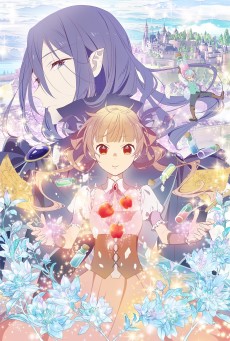
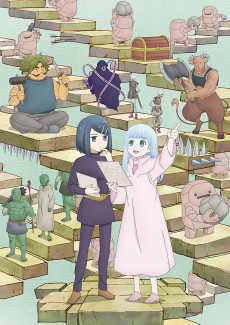
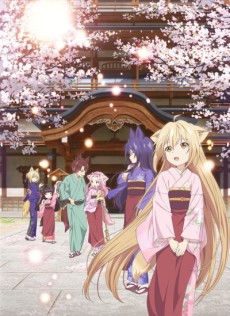
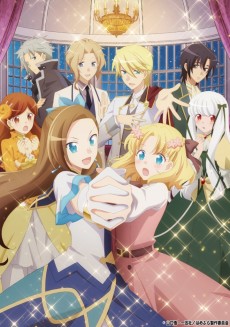
Challe’s quiet moments mending Anne’s dress beside sun-dappled workshop windows mirror the Sims 4’s most tender gameplay: crafting a home not for spectacle, but sanctuary. Unlike most fantasy romances, Sugar Apple Fairy Tale roots its healing & slow life ethos in tactile care—stitching, baking, tending gardens—just as Sims players find meaning in watering plants, cooking meals, or arranging furniture with deliberate love. This shared reverence for gentle, embodied intimacy makes their resonance feel quietly revolutionary—not escapist, but deeply reparative.

The kind of world you want to live in — slow mornings, simple joys, and deep connections.

The kind of world you want to live in — slow mornings, simple joys, and deep connections.

































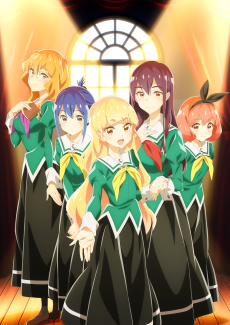

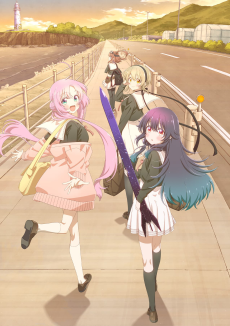


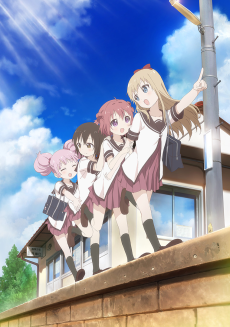







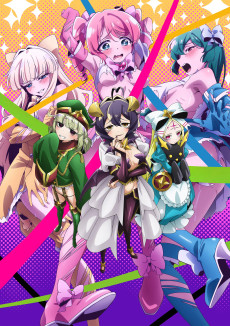

























































































































































































Match Dimensions Explained
❓Frequently Asked Questions
Why is Natsume's Book of Friends Season 6 considered like The Sims™ 4?
Because both center on quiet, intentional living—Natsume rebuilding relationships with spirits and humans mirrors how TS4 players slowly customize homes, nurture friendships, and shape daily routines. Think of Natsume’s gentle tea rituals with Tanuma or the way he carefully repairs the old shrine—just like placing that perfect couch or adjusting lighting to get your Sim’s mood just right.
Is there an anime adaptation of The Sims™ 4?
Nope—there’s no official anime adaptation of TS4 (and EA hasn’t announced one). But if you love TS4’s cozy, low-stakes worldbuilding, Miss Kobayashi’s Dragon Maid S nails that same vibe: Kanna helping Kobayashi cook breakfast, Tohru redecorating the apartment with handmade curtains, and the whole cast just… existing together in warm, unhurried domesticity.
How does School Babysitters compare to Miss Kobayashi's Dragon Maid for Sims-like comfort?
Both deliver that soothing ‘life sim’ rhythm, but School Babysitters leans harder into nurturing mechanics—like Rin learning to fold tiny socks, soothe crying babies, or manage nap schedules—while Dragon Maid adds playful chaos (Tohru turning the kitchen into a dragon-sized snack lab). If TS4’s childcare and home customization are your jam, start with School Babysitters; if you crave whimsy + warmth, go Dragon Maid.
What’s the best anime like The Sims™ 4 when I just want zero stress and soft vibes?
Heaven Official's Blessing is your answer—especially the quieter moments: Xie Lian quietly sweeping the ruined palace courtyard, or watching over the little ghost girl in the flower shop. It’s got TS4’s ‘slow life’ soul—no grinding, no bugs, no DLC paywalls—just healing pacing, tender character growth, and the deep satisfaction of building something peaceful, one small, meaningful choice at a time.