
The Demon Girl Next Door Season 2
The second season of Machikado Mazoku.
Shamiko, AKA Shadow Mistress Yuuko, aims to break the curse placed on her family by the Clan of Light. Along the way, she forms an unlikely allegiance with Momo, a rival from the Light Clan! They’ll need to work together to find another magical girl who’s gone mysteriously missing, and what this? There’s a dangerous force lurking somewhere in the city, plus Shamiko’s mysterious father might be closer than she thinks?
(Source: Sentai Filmworks)
📺Anime Details
📝Editorial Analysis
The steam rising from a mismatched ceramic mug—Shamiko’s, chipped at the rim, held too tightly between her fingers as she stares at Momo’s perfectly folded napkin beside a half-eaten melon soda parfait—that’s the quiet pulse of The Demon Girl Next Door Season 2. Not magic flares or curse-breaking incantations, but this: two girls sitting in silence after a failed summoning ritual, crumbs on the table, a stray demon cat napping under the kotatsu, and the low hum of the city outside their apartment window like distant traffic in a dream you don’t want to wake from.
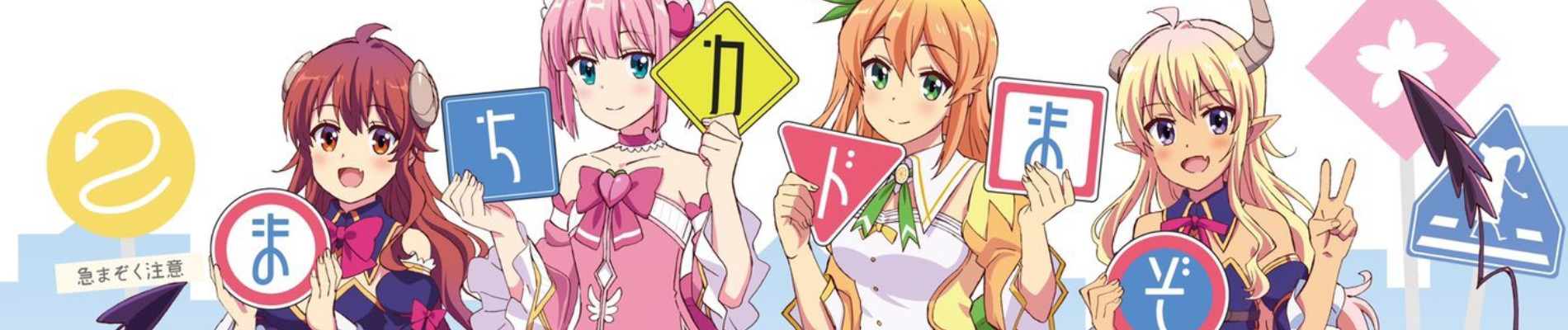
This isn’t fantasy as spectacle—it’s fantasy as domestic residue. The magic doesn’t erase the laundry pile or the expired yogurt in the fridge; it settles into those gaps, softening edges instead of shattering them. You feel the weight of legacy—not as doom, but as inherited teacups and awkward family dinners where your father’s true form is less terrifying than his terrible cooking. It makes you think about how healing isn’t always loud revelation—it’s sharing miso soup with your rival while pretending not to notice she added extra wakame just for you, or how “defeating darkness” sometimes means reorganizing the pantry so the cursed jam jar stops rolling off the shelf at 3 a.m. There’s a deep, unspoken tenderness in its slapstick—a stumble isn’t just physical comedy, it’s vulnerability made visible, then gently caught by someone who already knows your socks don’t match.
That same tender, slow-burning resonance lives in Prince of Persia—not in its sand-warping acrobatics, but in its Healing & Slow Life dimension, paired with Adult & Dark Seinen. The player review calls it “a new prince, new lands and a brand new story completely separate from the sands”—and that’s key: it’s not about repeating old power fantasies, but rebuilding identity after rupture, much like Shamiko untangling centuries of clan shame while learning to bake decent dorayaki. Both lean into quiet intimacy amid mythic stakes—the Prince’s bond with Elika echoes Shamiko and Momo’s reluctant alliance: two people bound by ancient enmity, now measuring flour together in a sunlit kitchen, neither sure if trust is spell or surrender.
Then there’s The Sims™ 4, whose Healing & Slow Life and Comedy & Parody dimensions lock in with uncanny precision. Its description invites you to “Play with life and discover the possibilities”—exactly what The Demon Girl Next Door Season 2 does every episode: not saving worlds, but saving moments—a perfectly timed pancake flip, a shared sigh over burnt rice, the way a demon’s tail flicks nervously when asked about feelings. Even the player review’s frustration (“TS4 has become awful… no fun without dlc”) ironically mirrors the anime’s gentle satire of magical girl tropes: the “broken” systems, the expensive, overcomplicated lore (Clan of Light bureaucracy!), the absurd labor of maintaining appearances—all while the heart remains stubbornly, beautifully low-stakes. Both understand that meaning blooms in the glitchy, imperfect, deeply human interstices: a Sim autonomously watering plants while ignoring their crying baby? That’s Shamiko trying—and failing—to cast a simple light spell while simultaneously rescuing Momo’s dropped bento box.
Who loves this pairing? Someone who cries at grocery lists in anime endings. Someone who’s paused The Sims™ 4 mid-game to rearrange their Sim’s bookshelf by genre and color, then spent twenty minutes watching them stare out a rain-streaked window. Someone who replayed Prince of Persia’s quiet campfire scenes more than its boss fights—not for lore dumps, but for the way the firelight catches Elika’s tired smile, or how the Prince finally learns to sit still. They’re the ones who know healing isn’t a cutscene—it’s the steam off a mug, the weight of a shared blanket, the exact second a rival stops calling you “Shadow Mistress” and says your name instead. They don’t chase catharsis. They savor continuance. And in that, The Demon Girl Next Door Season 2, Prince of Persia, and The Sims™ 4 aren’t just aligned—they’re breathing the same slow, warm, slightly messy air.
🎮6 Games That Match the Vibe




Match Dimensions Explained
❓Frequently Asked Questions
Why is Prince of Persia listed as similar to The Demon Girl Next Door Season 2?
Because both lean hard into dark-seinen comedy with absurd, escalating stakes—like when Momo’s demonic antics spiral into full-blown surreal chaos, Prince of Persia’s new reboot mirrors that tone with its over-the-top parody of heroic tropes and morally gray, adult-leaning humor (think the Prince’s sarcastic inner monologue clashing with grim palace intrigue). It’s not about demons literally, but the same vibe: stylish, self-aware, and unafraid to get weird while juggling healing moments and emotional whiplash.
Is there a game adaptation of The Demon Girl Next Door Season 2?
No official game adaptation exists—but fans looking for that exact blend of slice-of-life awkwardness, supernatural shenanigans, and character-driven comedy should jump into The Sims 4. You can recreate Momo’s chaotic dorm room, stage Yuko’s deadpan exasperation during 'training sessions', or even simulate the cursed pancake breakfasts using custom content and mods. Just skip the expensive DLCs unless you want full demon-wardrobe packs—base game already nails the slow-life + parody balance.
How does The Sims 4 compare to Prince of Persia for someone who loves The Demon Girl Next Door’s tone?
The Sims 4 gives you playful, low-stakes control over daily absurdity—like scripting Yuko trying (and failing) to meditate while Momo ‘accidentally’ summons a minor imp in the kitchen—whereas Prince of Persia delivers cinematic, high-energy parody with darker edges, like the Prince reacting to betrayal with the same dry, world-weary sarcasm Yuko uses on Momo. Both score high in Healing & Slow Life *and* Comedy & Parody, but TS4 is sandbox chaos; PoP is set-piece satire.
What’s the best game like The Demon Girl Next Door Season 2 if I just want cozy, unhurried demon-roommate energy?
Go straight to The Sims 4—especially with the base game’s free Create-a-Sim and build tools. You can make Momo’s messy shrine corner, Yuko’s minimalist futon, and even replicate that iconic scene where they share miso soup while arguing about demonic etiquette—all without time pressure or combat. Player reviews confirm it’s the go-to for healing, slow-life vibes *with* comedic bite, even if the DLC pricing is rough (just stick to free CC for that authentic ‘cursed-but-cute’ aesthetic).