
Ben-To
Sato Yo is a high school boy who likes SEGA games. One day, he enters a grocery store to buy some food for dinner. When he tries to take a bento box, he loses consciousness. He comes around to find all the bento sold out. He notices there is a war game going on at grocery stores and players called "Wolves" compete for the half-priced bento. Yarizui Sen, the leader of the Half-Pricer Club, forces Yo to join the club and he enters the bento war.
📺Anime Details
📝Editorial Analysis
The fluorescent buzz of the grocery store lights. The sharp crack of plastic bento trays hitting linoleum. Yo’s knees buckling—not from injury, but from sheer, disorienting hunger, his vision tunneling as he reaches for that half-price box, then blacking out mid-grab. He wakes to silence—empty shelves, scattered receipts, and the faint metallic tang of adrenaline still in his mouth. That moment isn’t about food. It’s about the body remembering scarcity before the mind catches up. It’s about how something as mundane as a 7-Eleven aisle can become a battlefield where dignity, timing, and reflexes collide—and how absurdly human it feels when you lose.
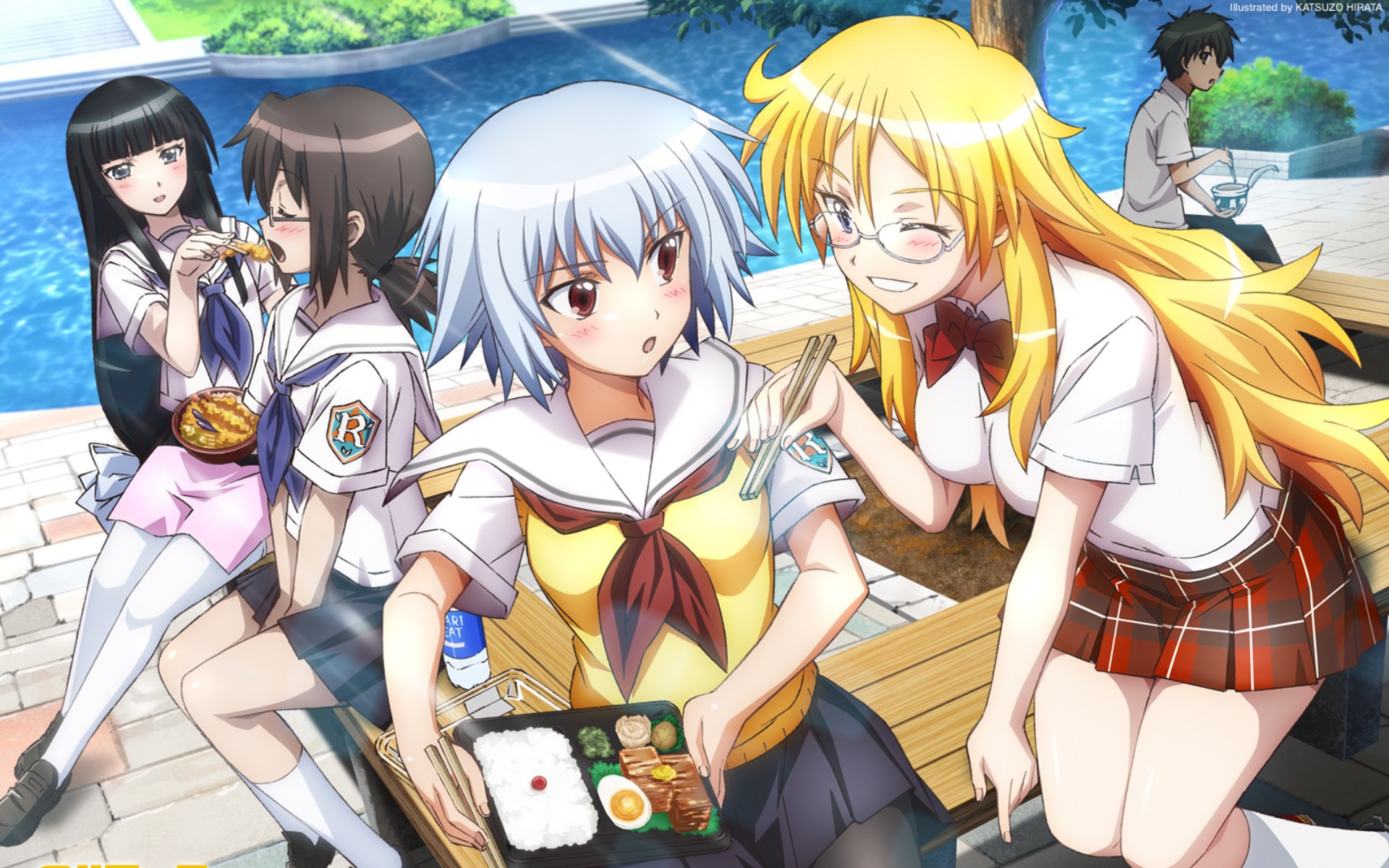
Ben-To doesn’t trade in grand stakes or cosmic threats. Its pulse is immediate: the panic of a shrinking discount window, the sweat-slick grip on a plastic handle, the way your stomach growls louder when someone else grabs the last salmon bento two seconds before you do. This isn’t parody—it’s amplified realism. The “Wolves” don’t wear capes; they wear school uniforms, backpacks, and the quiet exhaustion of teens who’ve learned to read supermarket lighting like a weather forecast. There’s real bullying here—not cartoonish cruelty, but the slow erosion of confidence when you’re shoved aside, mocked for being “too slow,” too poor, too untrained. And yet—laughter erupts. Slapstick lands because it’s rooted in physical truth: tripping over a shopping cart, misjudging a leap onto a display rack, getting beaned by a rogue rice ball. The philosophy isn’t in monologues—it’s in the pause after combat, breathing hard beside a rival, staring at a bent fork, wondering why this matters so much… and then realizing it does, because survival isn’t always about life or death—it’s about dinner, about showing up, about not letting your body betray you again.
That same emotional DNA hums in Stardew Valley, where player reviews confess: “Spent the first 2 years trying to do everything and never having enough time. Days upon days of constantly running around trying to find the town…” That frantic, bodily exhaustion—the race against the clock, the collapsing energy bar, the way your character stumbles home at midnight just to collapse into bed—is pure Ben-To rhythm. Both make scarcity tactile: Yo’s empty wallet mirrors the player’s dwindling stamina; the half-price bento deadline echoes the seasonal crop window. It’s not about winning—it’s about making it through, one meal, one harvest, one day at a time.
The Sims™ 4 shares that same grounded absurdity—its description invites you to “Play with life and discover the possibilities,” and its review nails the tone: “TS4 has become awful, the packs are insanely expensive and often broken with full of bugs/issues.” That friction—between aspiration and infrastructure, between wanting to cook dinner and your Sim setting the stove on fire again—mirrors Yo’s early bento raids: all intention, zero coordination. The comedy isn’t forced; it’s emergent, born from systems clashing—just like when Yarizui Sen’s flawless technique meets Yo’s flailing, desperate lunge. Both reward presence over perfection, and both treat the mundane—cooking, cleaning, surviving a lunch rush—as worthy of dramatic weight.
And then there’s Chains, described as a “relaxing arcade match 3 casual game” where you “link adjacent bubbles… the challenge comes from increasingly difficult physics-driven” mechanics. Its review calls it “Reminds me of connect 4 in nutshell. Basically link 3 or more of the same color and clear enough till you can proceed…” That loop—simple input, escalating tension, tactile feedback, the click of alignment—is the exact sensation of a well-timed bento grab: three fingers, one tray, perfect pressure, no slip. No lore, no cutscenes—just the body learning rhythm, failing, adjusting, succeeding. It’s healing not because it’s calm, but because it’s predictable in its chaos—like Yo finally landing a clean dodge after ten failed attempts.
This pairing sings for the person who’s ever stood frozen in front of a fridge at 10 p.m., too tired to cook but too hungry to sleep—who knows the quiet shame of an empty wallet and the fierce, unreasonable pride of making it through the week on instant noodles and stubbornness. They’re the ones who laugh hardest when a character trips—because they’ve tripped, too. Who feel relief, not boredom, in slow mornings. Who understand that healing isn’t always soft light and gentle music—it’s the thunk of a bento box hitting your palm, the ping of a completed chain, the quiet certainty of a Sim finally watering their crops without bursting into tears. It’s for those who know survival wears sneakers, carries a backpack, and sometimes smells faintly of soy sauce and desperation.
🎮27 Games That Match the Vibe











Match Dimensions Explained
❓Frequently Asked Questions
Why does Ben-To's convenience store food fight scene feel so different from Team Fortress 2's chaotic team brawls?
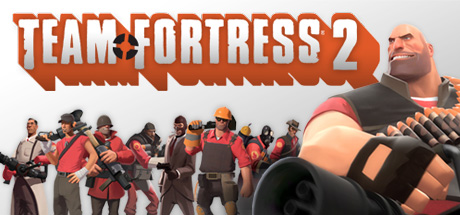
Ben-To’s fights are hyper-stylized, rule-bound scrambles over limited-edition bento boxes—think precise timing, character-specific taunts, and comedic escalation—all rooted in slice-of-life absurdity. TF2’s brawls, by contrast, are pure class-based chaos: a Heavy spamming minigun while a Spy backstabs him mid-air, with hats flying and voice lines yelling 'MEDIC!'—it’s parody first, narrative second. The vibe isn’t rivalry over lunch—it’s cartoonish, physics-driven mayhem where crafting (like unlocking hats) supports the joke, not the hunger.
Is there a Ben-To anime or game adaptation that actually captures the manga’s food-fight energy?
The 2011 Ben-To anime exists—but it leans hard into harem comedy and skips most of the tense, almost-sport-like grocery-store showdowns fans love. Nothing on the match list adapts Ben-To directly, but Prince of Persia nails that same blend of acrobatic precision and self-aware parody: imagine the Prince doing parkour off a conveyor belt to snatch the last melon soda before Ryo (Ben-To’s protagonist) dives in—same flair, different snack aisle.
How does Chains compare to Stardew Valley when it comes to that calming, repetitive-but-satisfying rhythm?
Chains gives you that zen ‘link-three-bubbles-and-watch-them-pop’ loop—clean, tactile, physics-driven, no pressure. Stardew Valley’s rhythm is warmer but heavier: watering crops at 6am, panicking when your sprinklers aren’t placed right, then sighing as you finally harvest your first ancient fruit after two in-game years. Both score 84 in Healing & Slow Life, but Chains is a 5-minute breathwork session; Stardew is a full-season commitment—with chickens.
What’s the best game like Ben-To if I just want chaotic, silly, low-stakes competition with friends?
Team Fortress 2 is your answer—no question. It’s got the same energy as Ben-To’s cafeteria skirmishes: nine wildly distinct characters (like a Scout speed-rushing for loot while a Pyro flamethrows his escape), constant voice banter, and zero serious stakes beyond ‘who gets the hat’. And unlike Ben-To’s solo grind, TF2’s built for group chaos—drop in, pick a class, and instantly be part of a ridiculous, hat-obsessed food-fight metaphor.