Space Quest™ Collection
Experience a blast from the past with the complete, completely twisted Space Quest Collection.
🎮Game Details
💬What Players Say
"I really liked how you could pretty much do anything you , weather or not there were consequences."
"Fun games."
📝Editorial Analysis
The flicker of a CRT monitor. The clack-clack-clack of a mechanical keyboard as you type “LOOK AT TOASTER” — and the game, deadpan, replies: “The toaster is judging your life choices.” That’s not just humor — it’s permission. Permission to be absurd, to fail gloriously, to poke the universe until it squeaks back. That’s the Space Quest™ Collection: a completely twisted blast from the past where consequence isn’t a wall — it’s a punchline, a detour, sometimes a glittering, nonsensical alleyway you didn’t know existed. One player remembers “how you could pretty much do anything you , weather or not there were consequences…” — the typo in that sentence? That’s part of the charm. It’s not polished. It’s alive, breathing through its own glitches and grammatical shrugs. Another says “Lots of memories playing when i was a kid…” — not nostalgia for graphics or lore, but for the feeling of being unmoored, safe to experiment, to type nonsense and be met not with error messages, but with wit.
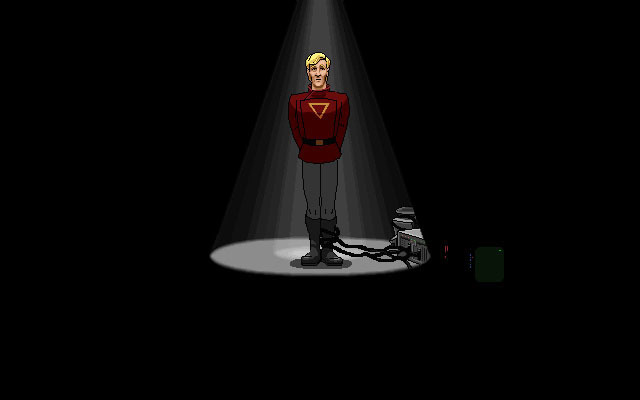
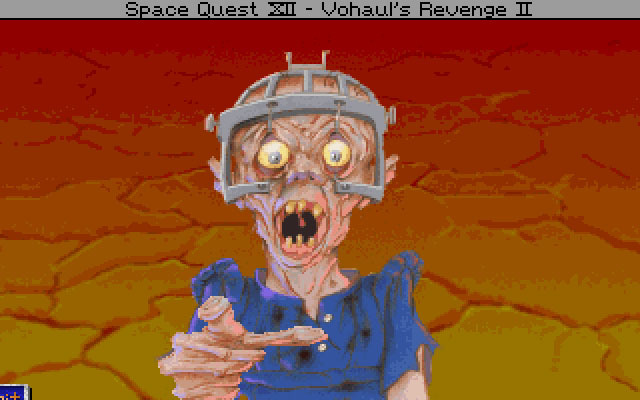
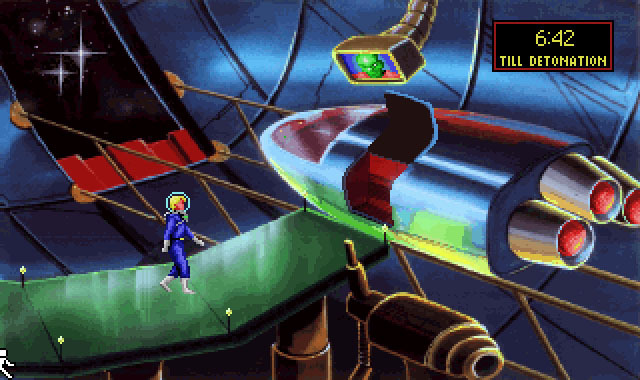
What makes this collection vibrate isn’t its sci-fi setting or parser interface — it’s the irreverent intimacy. It treats you like a co-conspirator in chaos. You’re not piloting a ship so much as borrowing one from a guy who left the keys in the ignition and forgot to mention the sentient air freshener has unionized. There’s no grand moral gravity, no weighty destiny — just the giddy, slightly dangerous thrill of agency in a world that refuses to take itself seriously. It makes you feel playful, yes — but also seen, like the game recognizes your impulse to test boundaries not as trolling, but as curiosity. It’s the rare artifact that doesn’t ask you to level up or optimize — it asks you to lean in and laugh at the wiring.
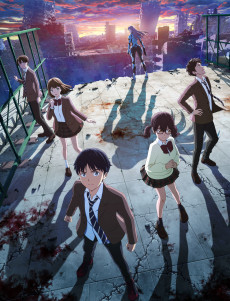
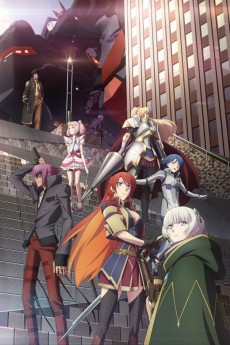
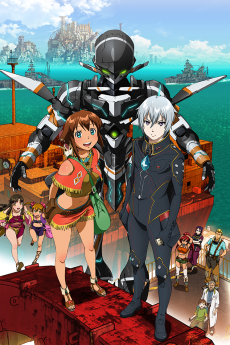
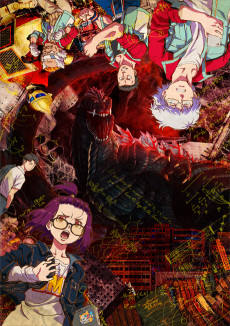
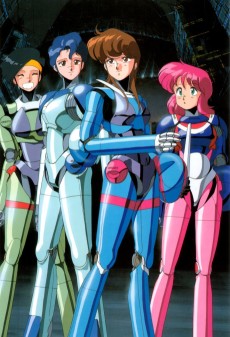
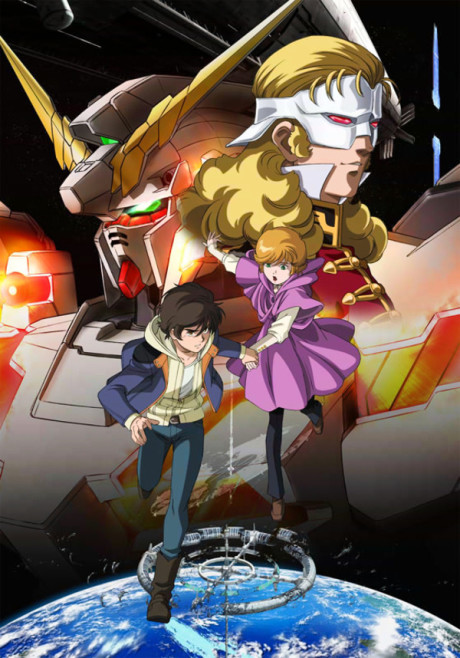
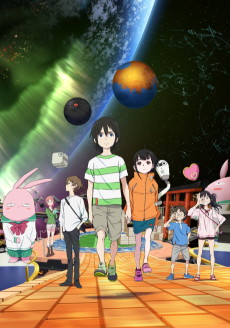
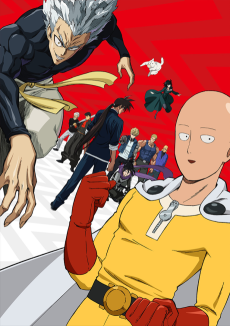
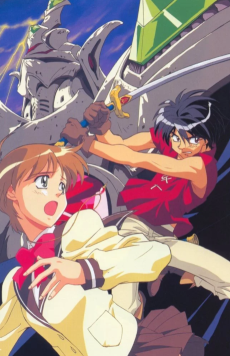
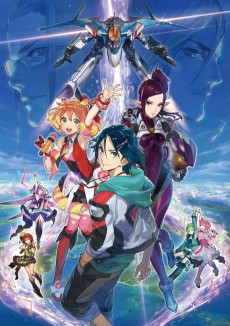
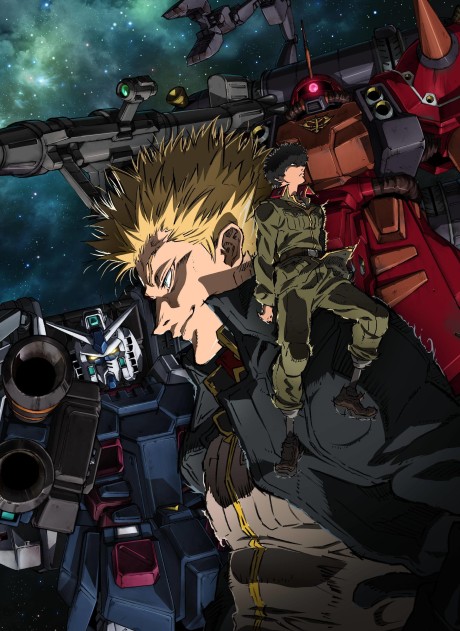
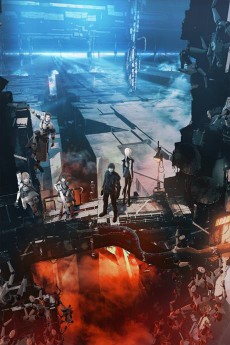
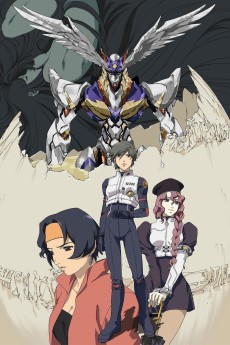
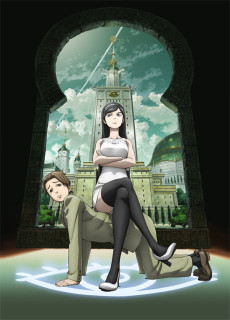
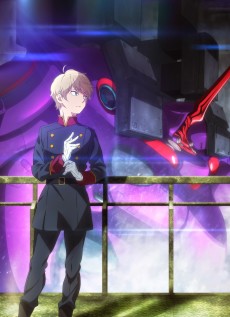
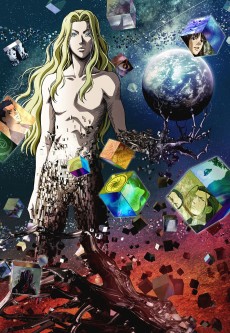
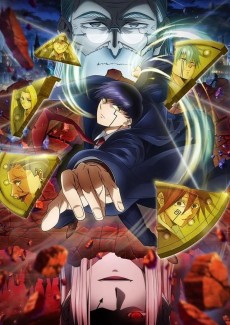
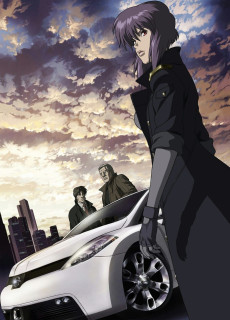
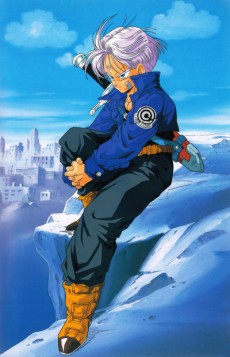
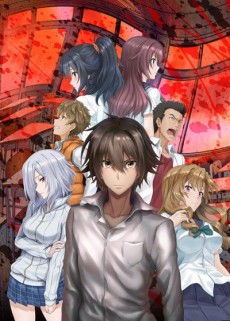
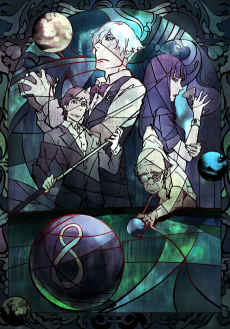
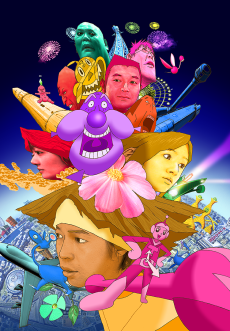
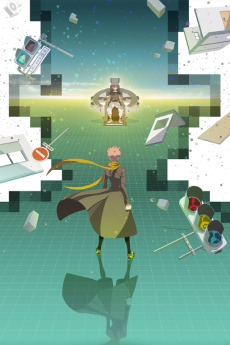
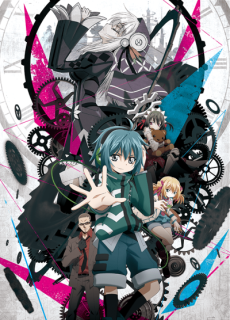
That same electric current runs through Gridman Universe, where reality glitches not as a bug, but as narrative grammar — where a hero fights kaiju inside a middle schooler’s browser history and the villain’s monologues are delivered over dial-up static. Its Mecha & Military Sci-Fi meets Comedy & Parody and Mystery & Detective not as separate genres, but as overlapping filters on the same warped lens — exactly how Space Quest™ Collection treats space travel: as bureaucratic farce wrapped in rocket fuel. Then there’s Date A Live IV, where interstellar diplomacy unfolds beside cafeteria gossip, and mecha battles pause for snack breaks — its Sci-Fi & Space dimension isn’t about scale, but about tonal elasticity, bending cosmic stakes into sitcom timing. Same DNA: consequence exists, but it’s negotiable, often negotiable via puns or poorly timed sneezes. And Gunbuster 2: Diebuster, with its operatic space opera draped over adolescent insecurity and slapstick training montages — its Sci-Fi & Space and Comedy & Parody layers don’t coexist; they collide, sending sparks flying in every direction, just like typing “KISS ALIEN” only to discover the alien is allergic to sincerity and demands compensation in novelty socks.
Who lives for this? Not just fans of retro games or mecha anime — but people who trust absurdity as a compass. The ones who rewatch scenes not for plot clarity, but for the way a character’s eyebrow twitches mid-apocalypse. The players who save before typing anything, not out of fear — but anticipation. The viewers who light up when a giant robot gets stuck in a vending machine, because they know the real story isn’t about saving the world — it’s about how the world refuses to be saved straight. They’re the kind of person who keeps a notebook titled “Bad Ideas That Worked (Mostly)” — and flips to the page labeled “That Time I Fed the Laser Cannon Sandwich Meat.” They don’t want immersion — they want collaboration. With the game. With the anime. With the sheer, staggering, glorious wrongness of trying to build meaning in a universe that keeps handing you a rubber chicken instead of a manual. That’s the shared breath between the Space Quest™ Collection and its anime kin: not polish, not power — but play, deep and unapologetic.
→314 Anime That Match the Vibe
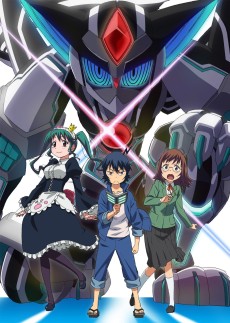
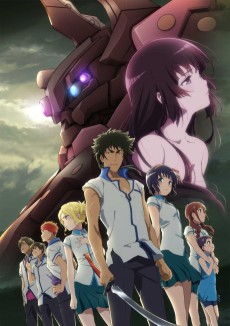
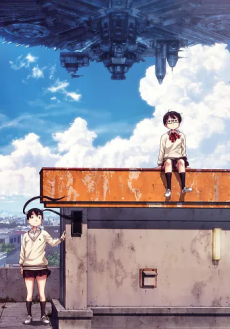
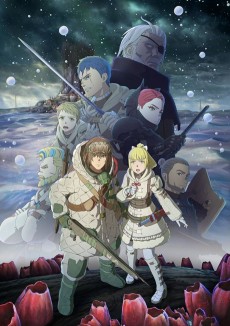
Connected through 4 aesthetic dimensions.
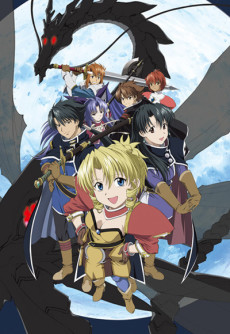
Connected through 4 aesthetic dimensions.
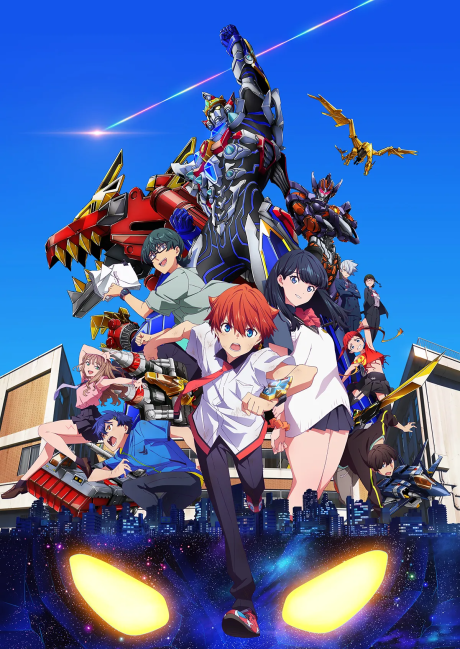
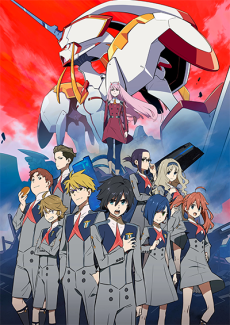
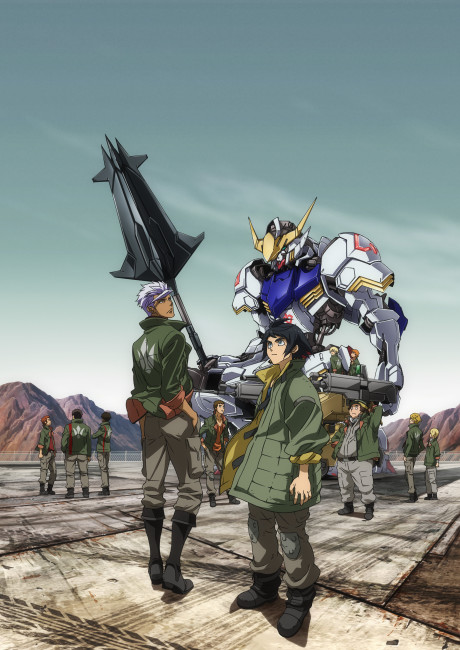
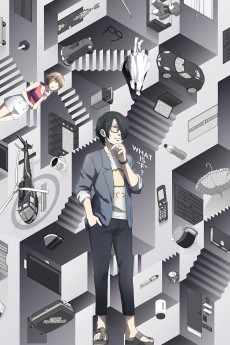
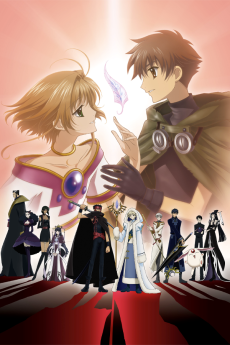
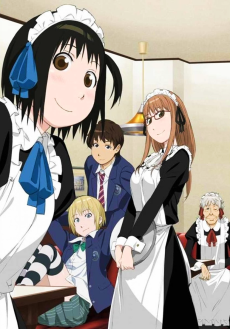
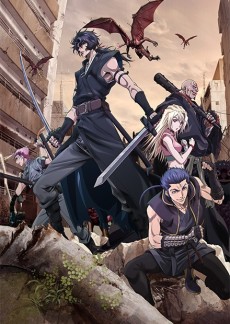
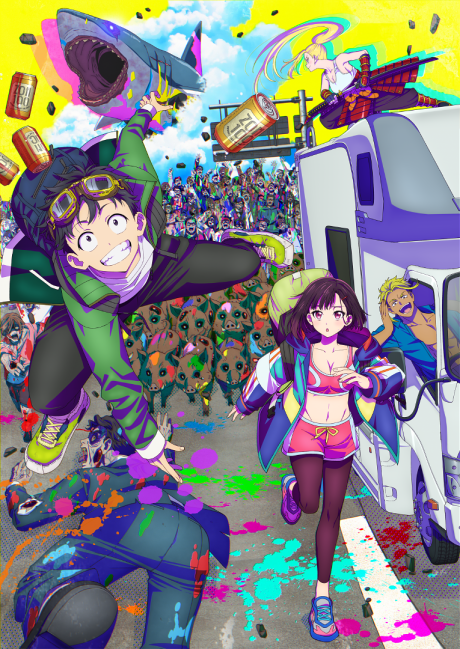
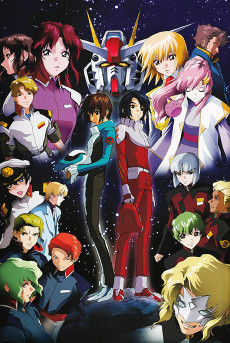
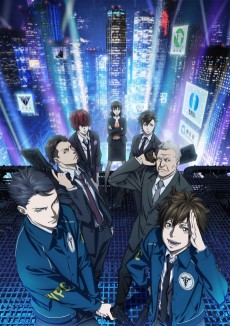
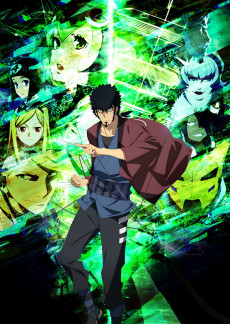
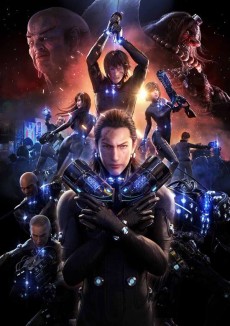
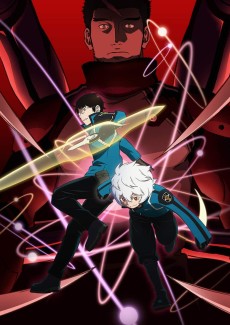
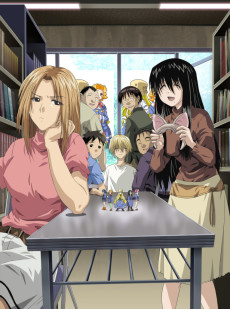
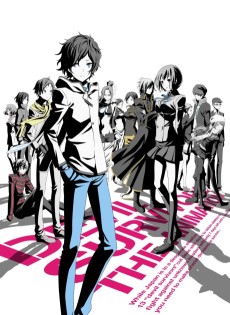
Rikka’s quiet unease in *Gridman Universe*’s opening scenes—watching ordinary life feel *too* smooth, too polished—mirrors Roger Wilco’s baffled squint at a malfunctioning toaster in *Space Quest IV*. Unlike most mecha or adventure media, both weaponize absurdity as investigative rigor: a glitch in reality isn’t just plot device—it’s the first clue. That shared commitment to **Comedy & Parody** as structural logic (not garnish) makes their sci-fi worlds feel thrillingly unstable, knowingly artificial, and deeply sincere all at once.
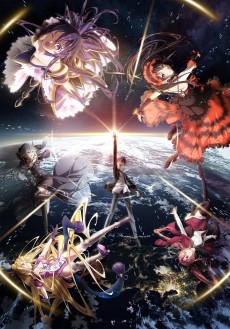
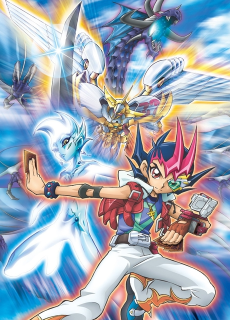
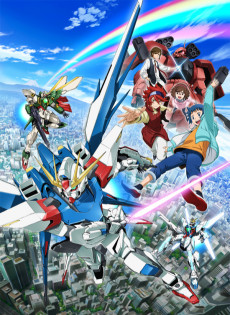
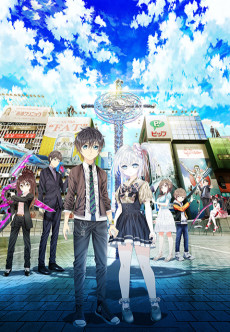
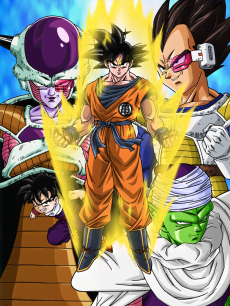
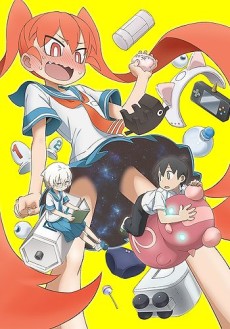
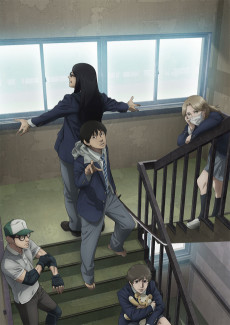
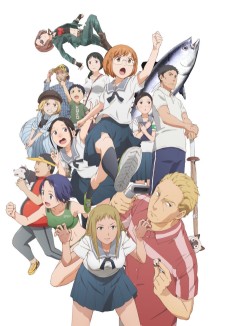
Shidou dodging a rogue mecha in *Date A Live IV*’s “Ratatoskr vs. Phantom” arc feels like a direct nod to Roger Wilco’s slapstick escapes from malfunctioning military hardware in *Space Quest*. Where *IV* weaponizes ecchi-infused parody to undercut its own mecha spectacle, the *Space Quest Collection* uses absurdist sci-fi bureaucracy and space-faring incompetence to mock military sci-fi tropes—both weaponizing comedy as structural critique. That shared commitment to **Mecha & Military Sci-Fi** through satire makes their resonance unexpectedly sharp, not nostalgic.

Connected through 3 aesthetic dimensions.
Connected through 2 aesthetic dimensions.
Connected through 3 aesthetic dimensions.
Connected through 2 aesthetic dimensions.

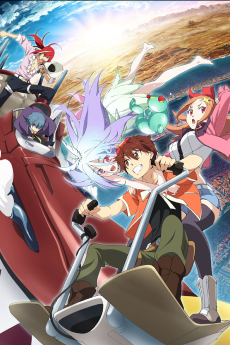
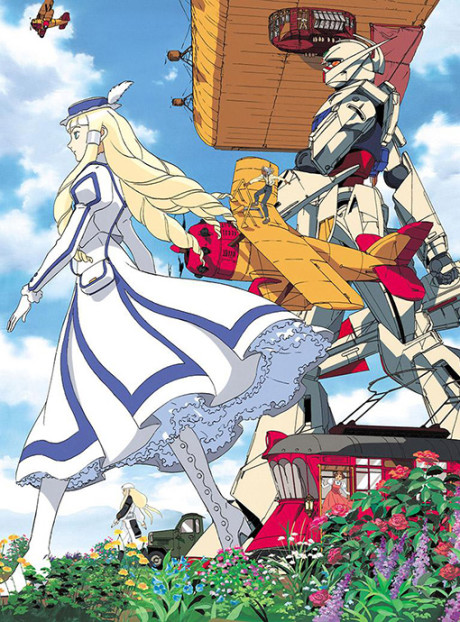
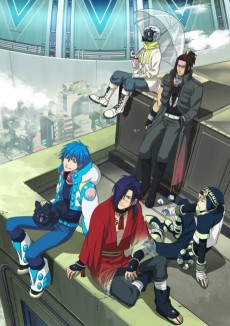
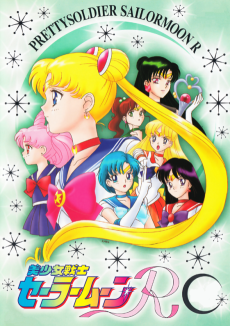
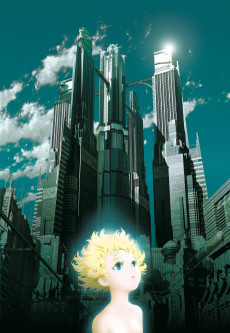
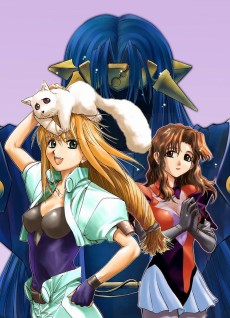
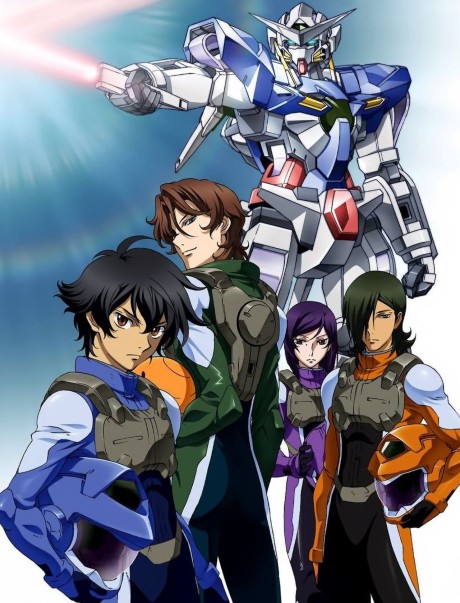
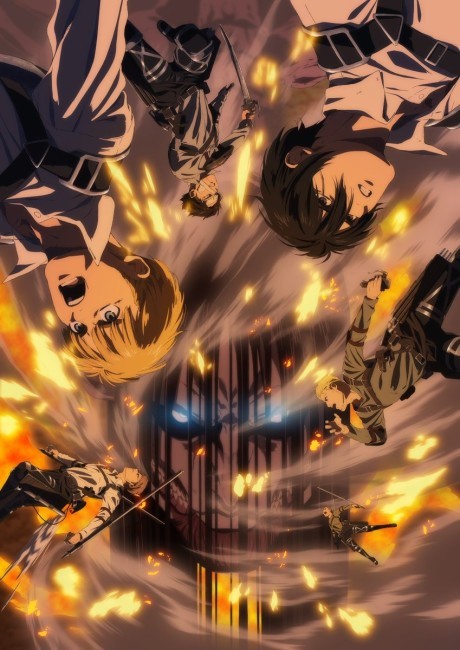
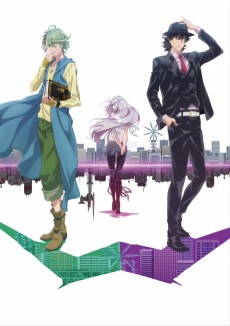
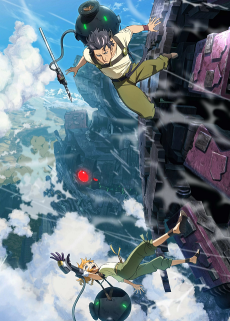
Diebuster’s TOPLESS cadets—children piloting hulking, glitch-prone mecha in a decaying, neon-drenched Earth—mirror Space Quest’s hapless janitor Roger Wilco stumbling through malfunctioning starships and bureaucratic space-military absurdity. Unlike most mecha or adventure stories, both weaponize **Comedy & Parody** to undercut heroic tropes: Diebuster’s OVA finale collapses into surreal, fourth-wall-shattering chaos just as Space Quest 6’s “Vohaul Strikes Back” mocks its own legacy with meta-gaming gags. That shared commitment to sci-fi satire—rooted in dystopian tech failure and institutional farce—makes their resonance genuinely surprising, not nostalgic.
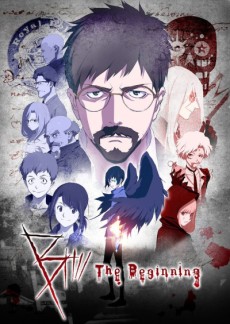
Connected through 4 aesthetic dimensions.




















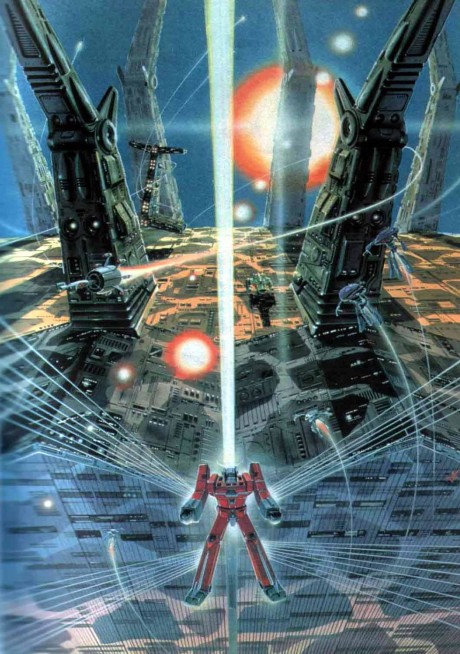






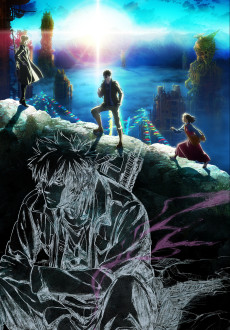


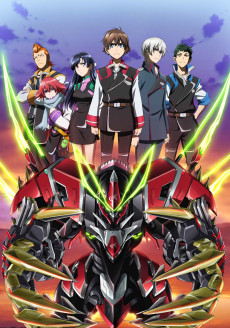





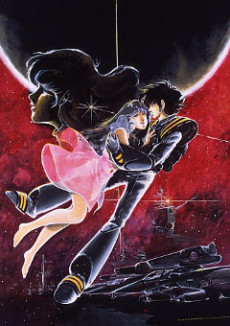





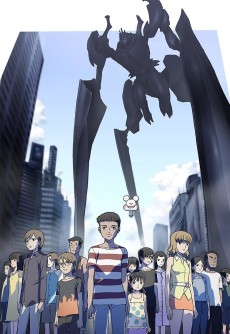


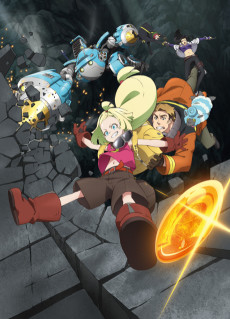

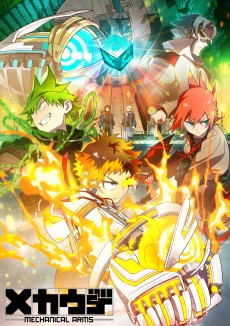































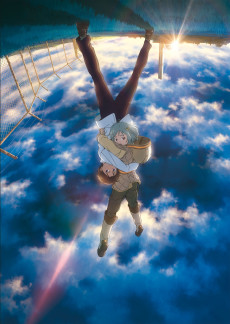


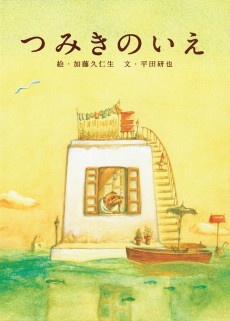





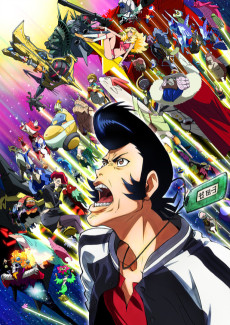



















































































































Match Dimensions Explained
❓Frequently Asked Questions
Why is Gridman Universe on the 'Anime Like Space Quest™ Collection' list?
Because just like Space Quest’s signature blend of absurd humor and high-stakes sci-fi chaos, Gridman Universe nails that same tone—think Yuta’s deadpan reactions to Hyper Agent Gridman’s over-the-top heroics while battling kaiju in a world where reality glitches like a corrupted floppy disk. The show’s self-aware parody of tokusatsu tropes (like the ‘Doomsday Device’ scene in Episode 10) mirrors Space Quest’s love of poking fun at genre conventions while still delivering real stakes.
Is there an anime adaptation of Space Quest?
Nope—Space Quest is purely a classic Sierra adventure game series, never adapted into anime. But if you love its mix of slapstick, sci-fi satire, and player-driven chaos (like Roger Wilco accidentally launching himself into orbit via malfunctioning space toilet), then Date A Live IV delivers that same energy: Shido’s flustered diplomacy with spirits like Origami—who literally warps time and space—feels like a direct anime cousin to Roger’s ‘oh-no-I-just-pressed-the-wrong-button’ disasters.
How does Gunbuster 2: Diebuster compare to SSSS.GRIDMAN for Space Quest fans?
Both scratch that same itch—but differently: Diebuster leans harder into Space Quest’s ‘consequences be damned’ freedom, like Nono’s reckless, unscripted piloting of Buster Machines that often backfires spectacularly (see Episode 7’s cafeteria meltdown), while GRIDMAN’s more grounded mystery structure—tracking down the mysterious ‘Antagonist’ across fragmented digital layers—echoes Space Quest’s environmental puzzle logic (e.g., using a rubber chicken with a pulley in the middle *exactly* when you least expect it).
What’s the best anime like Space Quest™ Collection if I want that nostalgic, anything-goes, slightly broken-but-brilliant vibe?
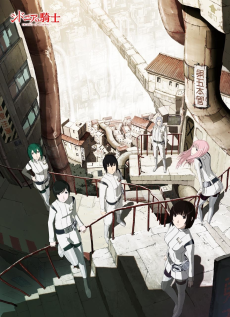
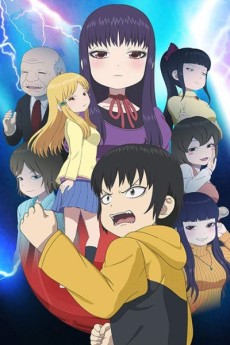
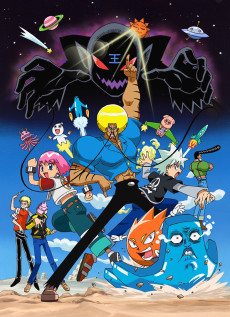
Getter Robo: Armageddon—it’s the closest match for that ‘I can try *anything*, even if it explodes’ energy. Think Ryo’s improvised cockpit hacks mid-battle, or the whole ‘survival & crafting’ angle where characters jury-rig weapons from scrap while dodging enemy mecha fire—very much like Space Quest’s infamous ‘use the spoon on the alien’ moment that somehow unlocks a secret warp drive. Plus, its detective layer (unraveling the Getter Rays’ origin) gives that same ‘click-the-right-pixel-to-win’ satisfaction.