
The Tatami Galaxy
When a college dropout stops for a late night bite at a mysterious ramen stand, he crosses paths with a self-proclaimed deity of matrimony. This bizarre meeting sends the young man hurtling through a horrifying flashback to his not-so-glorious college days when the influence of a cruel new friend turned him from a hopeless romantic into a mischievous “black cupid.”
(Source: Funimation)
📺Anime Details
📝Editorial Analysis
The ramen steam rises—not warm, not comforting—but thick and sticky, clinging to the protagonist’s glasses as he stares into the bowl, his reflection warped and trembling. Around him, the alley dissolves into ink-black silence, then snaps back with a crack—not of time rewinding, but of self-deception shattering. That’s the heartbeat of The Tatami Galaxy: not a loop you control, but one you drown in—each repetition less about fixing choices and more about watching your own rationalizations curdle into absurdity.
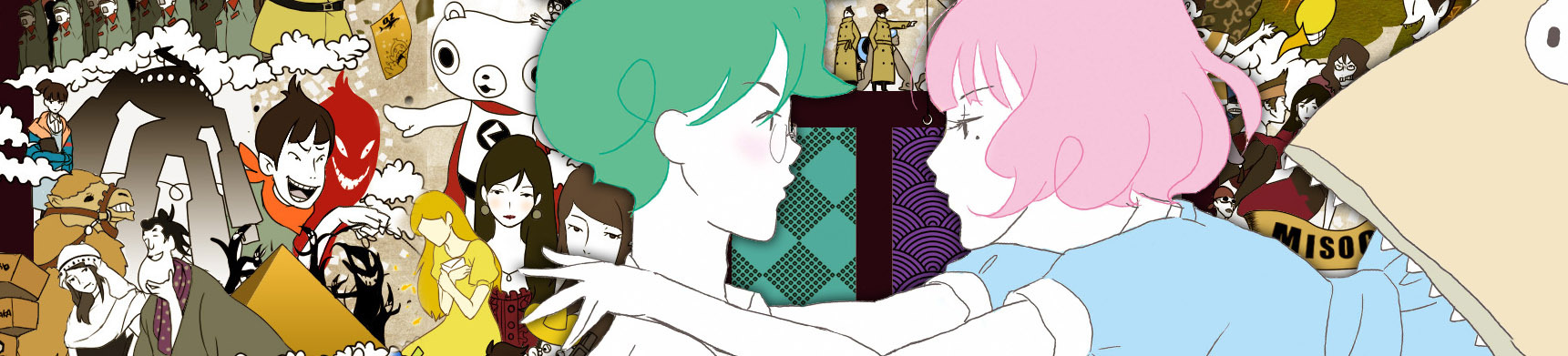
This isn’t nostalgia dressed in college uniforms. It’s the suffocation of potential—the way every club recruitment poster glows with false promise, every hallway stretches just a little too long, every “what if?” blooms into a fever-dream corridor of tatami mats that shift underfoot like quicksand. You don’t feel hopeful rewatching your past—you feel accused by it. The comedy doesn’t land because it’s silly; it lands because it’s accurate: the frantic over-explaining, the performative irony, the way romance is treated like a puzzle box you’re convinced has one correct configuration—if only you could decode the right club’s secret handshake. It’s philosophy worn as sweatpants: deeply earnest, wildly disorganized, and utterly exhausted by its own yearning.
That same emotional DNA pulses in BioShock Infinite—not in its sky-cities or vigors, but in how Booker DeWitt’s debt isn’t financial, it’s ontological. Like the protagonist of The Tatami Galaxy, he’s trapped in a recursion where every choice feels like a variation on the same failure—rescue Elizabeth, betray her, erase her, become her. The player review nails it: “I know that some people are still bitter about the Bioshock Infinite we could have gotten.” That bitterness mirrors the anime’s core ache—the gnawing sense that no version of yourself is the real one, only iterations polished by regret. Both works weaponize memory not as exposition, but as architecture: each corridor, each ramen stall, each floating city block is built from what should have been, not what was.
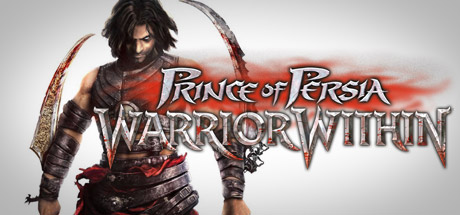
Then there’s Prince of Persia: Warrior Within, where Dahaka isn’t chasing the Prince across rooftops—it’s chasing the echo of his own violence, a literalized guilt that refuses to stay buried. The player says “Dahaka chase is still as goated as it was before”—and that’s the key: it’s not the thrill of evasion, but the relentlessness of consequence. In The Tatami Galaxy, the cruel friend isn’t a villain—he’s the id made flesh, the part of you that thinks cynicism is clarity, that mistakes sabotage for agency. Every time the protagonist joins the Film Society or the Tea Ceremony Club, he’s not choosing a path—he’s fleeing the weight of having chosen at all. Just like the Prince, he runs until exhaustion makes the chase feel like home.
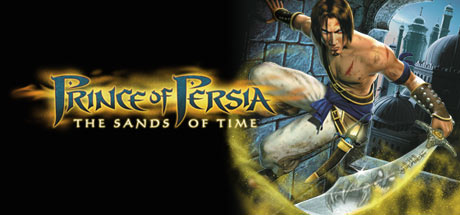
Even Prince of Persia: The Sands of Time, with its dagger and rewinds, shares this texture—not as power fantasy, but as desperation ritual. The player calls the platforming “tactical… satisfying due to the locked directions, which helps. Yet still challenging.” That’s the exact rhythm of The Tatami Galaxy: rigid rules (club hierarchies, romantic logic, social scripts) that should make success possible—if only you could master the timing. But the satisfaction isn’t in landing the jump; it’s in the split-second awareness before the fall, when you realize you’ve misread the ledge again—not because the game misled you, but because you mistook your own hunger for direction.
This isn’t for players who want clean resolutions or viewers who crave catharsis. It’s for the ones who recognize themselves in the stutter—the person who rewrites their dating app bio three times, who replays a conversation in their head at 3 a.m., who knows the precise shade of shame that comes from realizing you’ve spent years building an identity out of reactions instead of convictions. They’ll love how The Tatami Galaxy never lets the protagonist win—not because he’s weak, but because winning would mean admitting the game was rigged from the start. And they’ll love how BioShock Infinite and the Prince of Persia sequels treat time not as a tool, but as a confession booth with no priest—just endless, echoing, beautifully flawed repetitions.
🎮41 Games That Match the Vibe















Match Dimensions Explained
❓Frequently Asked Questions
Why does Prince of Persia: The Sands of Time feel so much like The Tatami Galaxy’s time-loop structure?
Because both hinge on obsessive, self-aware repetition—like the Prince rewinding time with his dagger after every misstep (that hallway chase where he keeps slipping off ledges), mirroring the protagonist’s frantic, comedic re-runs of his college year. It’s not just mechanics; it’s tone: that same melancholic-yet-wry voiceover, layered regrets, and the sense that every ‘reset’ reveals a new emotional truth—not just a better path.
Is there a video game adaptation of The Tatami Galaxy?
No—there’s never been an official game adaptation, and none of the Prince of Persia titles or BioShock Infinite are based on it. But fans who love Tatami’s themes (time loops, identity crises, darkly comic existential dread) often land on Prince of Persia: Warrior Within—the Dahaka chase sequences literally force you to relive failures in real-time, complete with grim narration and shifting memories, just like the narrator’s spiral through Kyoto dorms.
How is BioShock Infinite different from Prince of Persia: The Two Thrones in capturing Tatami Galaxy’s vibe?
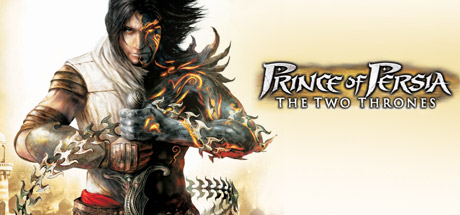
Both use time/memory as narrative engines, but BioShock Infinite leans into fractured identity and ideological whiplash—Booker’s ‘lighthouse choices’ and Elizabeth’s multiverse tears echo Tatami’s ‘what if I’d joined *that* club?’ energy—while Two Thrones focuses on internal duality (Prince vs. Dark Prince) and political disillusionment, like the narrator realizing his idealism was always performative. One’s a metaphysical fever dream; the other’s a bruised, sword-swinging hangover.
What’s the best game like The Tatami Galaxy if I want that late-night, rain-soaked, overthinking-in-a-tatami-room mood?
Go straight to Prince of Persia: Warrior Within—especially the hour-long sequence chasing Dahaka through the crumbling Island of Time. The rain-lashed ruins, the Prince’s exhausted monologues, that oppressive sense of being hunted by your own past? It’s pure Tatami: equal parts poetic, claustrophobic, and weirdly funny when you die for the 12th time mid-leap. Player reviews even call the Dahaka chase ‘goated’—just like the narrator’s doomed, glorious club-hopping.