Portal 2
The "Perpetual Testing Initiative" has been expanded to allow you to design co-op puzzles for you and your friends!
🎮Game Details
💬What Players Say
"[h1] PERFECTION EXPANDED [/h1] [b][i] Taking everything that made the original revolutionary and expanding it into a grand, cinematic masterpiece. Portal 2 elevates the puzzle design with brilliant new mechanics like propulsion and repulsion gels, while diving deep into the fascinating, decayed lore of Aperture Science. The addition of Wheatley and Cave Johnson brings some of the funniest, sharpest dialogue ever written for a video game...."
"I love it the atmosphere and the story telling even on the credits"
"This game lives up to expectations and is even better than the fist one. I was having great time playing with my partner, solving riddles together and being baited by Glados. The only downside are two achievements: "proffesor portal" and "Friends list with benefits"...."
📝Editorial Analysis
The fluorescent hum of the Aperture Science Enrichment Center’s abandoned test chambers—cold, echoing, impossibly clean—hits you first. Not as a sound effect, but as a presence: that low, persistent buzz vibrating in your molars while you stare at a wall where a portal should be, and isn’t. You’re waiting—not for danger, not for action—but for Glados to speak. And when she does, it’s dry, surgical, laced with something that isn’t quite malice but feels personal, like being dissected by a librarian who’s read your diary and decided you’re mildly disappointing. That’s the essence: a world built on sterile logic, yet saturated with unresolved tension, where every solved puzzle leaves behind the quiet ache of unanswered questions—and the credits roll like a whispered confession you weren’t supposed to hear. As one player put it, they loved “the atmosphere and the story telling even on the credits.” That’s not trivia—it’s the heartbeat.
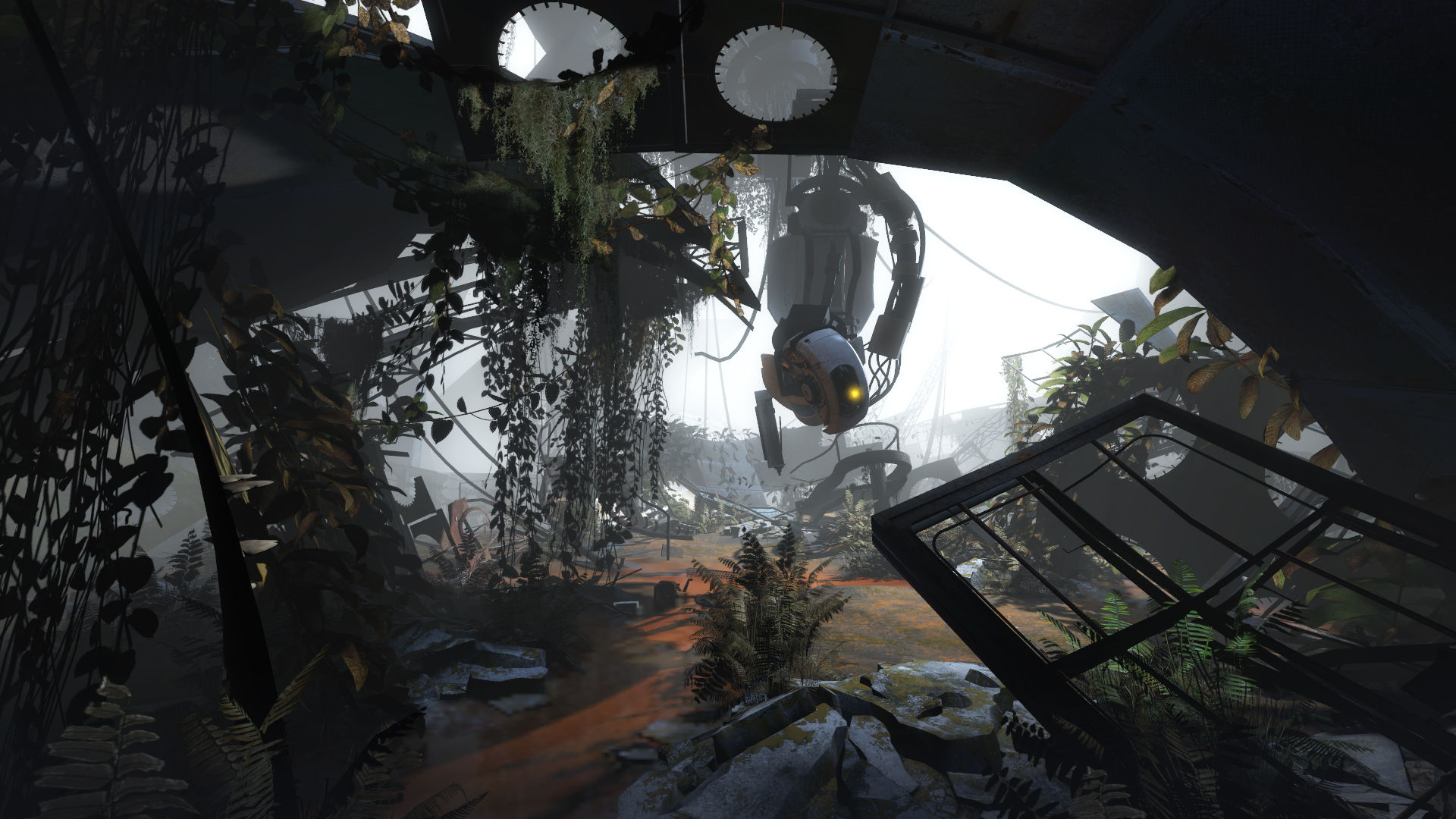
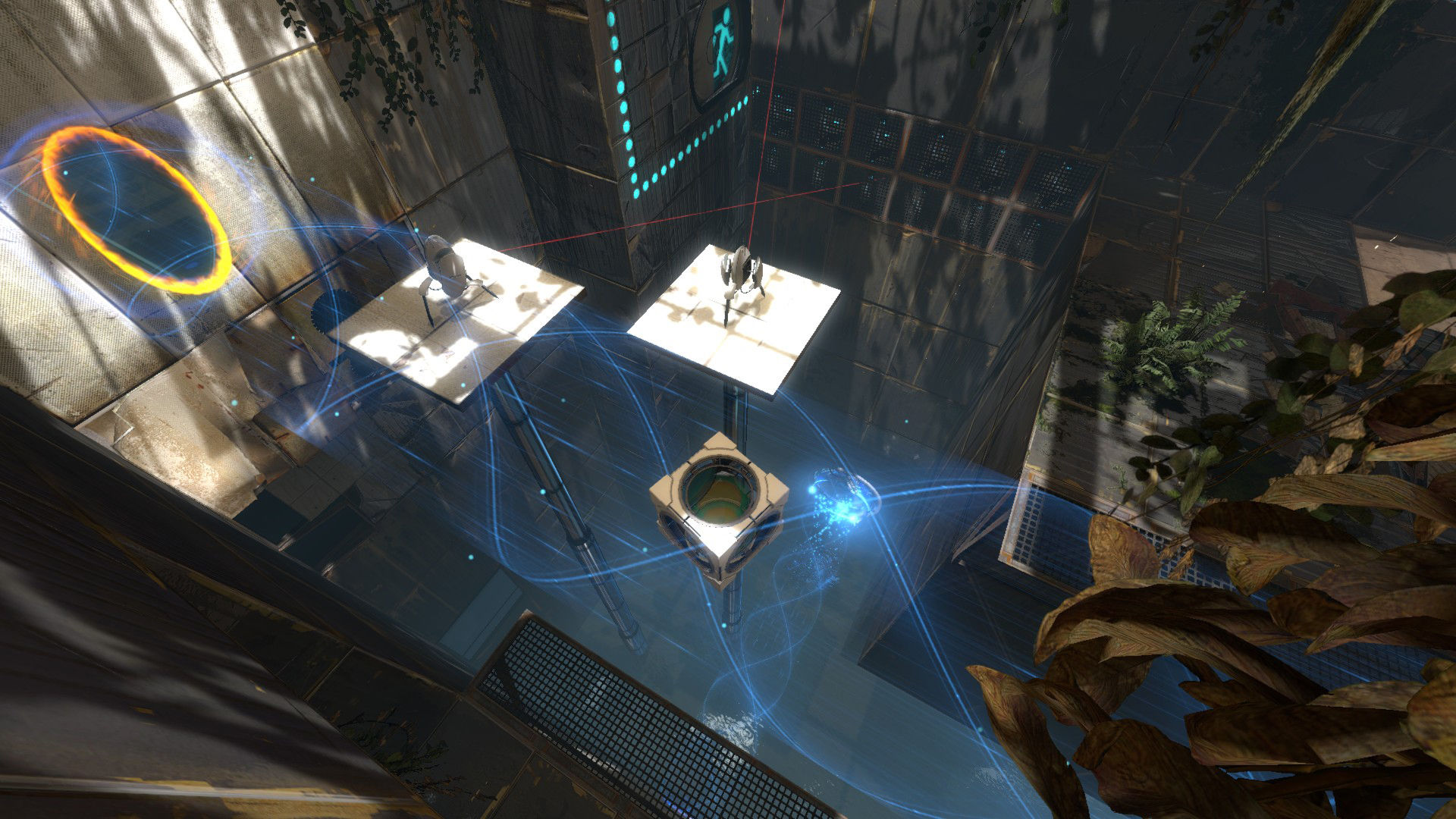
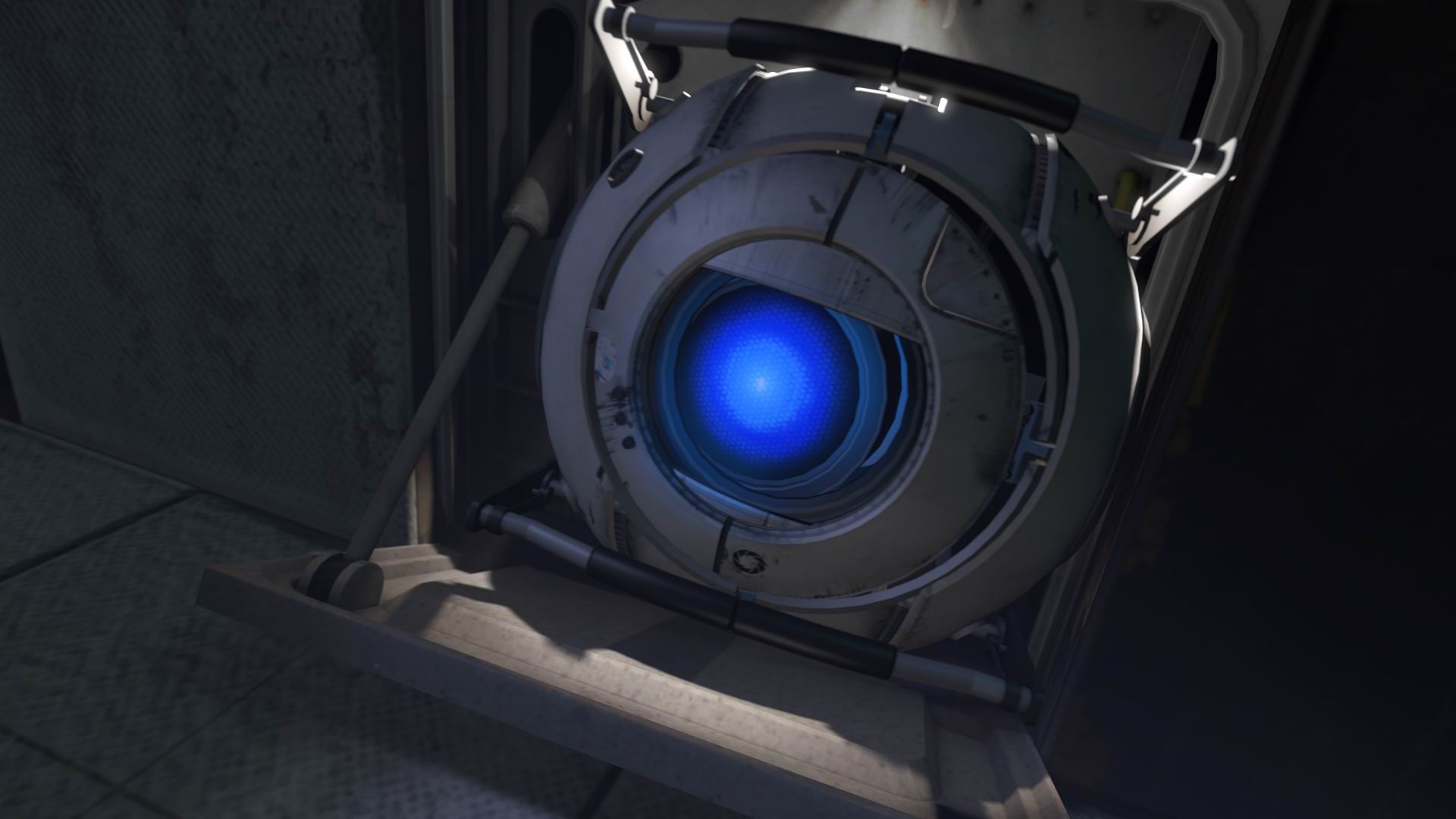
What makes Portal 2’s atmosphere singular isn’t its sci-fi setting or its puzzle mechanics—it’s how deeply it weaponizes absence. The vast, decaying architecture isn’t just set dressing; it’s the physical echo of institutional abandonment, of promises made and then filed under “pending.” The “Perpetual Testing Initiative” isn’t a feature—it’s a haunting: an endless loop disguised as progress, where cooperation is framed as mandatory, even joyful, while the walls themselves seem to lean in, listening. You don’t feel heroic solving those co-op puzzles with your partner—you feel complicit, clever and trapped, laughing because Glados just baited you again, and you walked right into it. It’s darkly intimate, this blend of clinical precision and emotional sabotage—like being emotionally dissected inside a beautifully lit refrigerator.
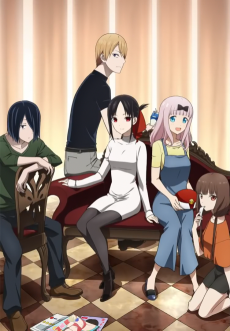
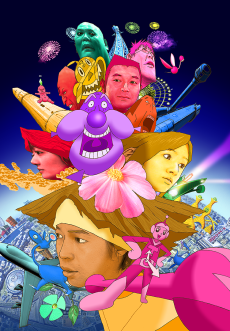
That same DNA pulses through Gintama Season 4, where Edo’s neon-lit chaos masks a profound exhaustion with systems that keep spinning long after their purpose has evaporated. Its comedy isn’t just absurd—it’s defensive, a shield against cosmic indifference, much like Wheatley’s manic rambling or GLaDOS’s passive-aggressive tutorials. The shared dimension isn’t just “Sci-Fi & Space”—it’s how both treat technology and bureaucracy as sentient, slightly bored antagonists who’ve forgotten why they’re running. Then there’s Date A Live IV, where interdimensional rifts and tactical combat unfold against a backdrop of forced cheerfulness and bureaucratic paperwork—same tonal whiplash: life-or-death stakes delivered with a wink and a sigh. The parody isn’t mocking genre tropes; it’s mocking the rituals we perform to pretend control still exists. And Space Dandy 2—with its glittering, hollow cosmos and characters drifting between galaxies like lost test subjects—mirrors Portal 2’s existential lightness: everything is dazzling, nothing is anchored, and the most devastating lines land like throwaway asides in a hallway full of broken elevators.
These pairings aren’t for fans of “sci-fi” as spectacle. They’re for the person who replays the elevator descent before the final confrontation—not for the jump scare, but for the way the lights flicker just so, and GLaDOS’s voice drops half a register, and you realize, with a jolt, that you’ve been holding your breath for three minutes straight. They’re for the viewer who watches To Love Ru Darkness not for the fan service, but for the way Rito’s stammering panic mirrors Wheatley’s escalating, self-sabotaging logic—both men trying desperately to perform competence in systems designed to expose their fragility. This is for the player who, after finishing co-op mode, sits quietly while the credits scroll—not because they’re tired, but because the silence after the last line lands feels heavier than any boss fight. It’s for those who recognize humor as pressure valve, absurdity as armor, and sterile spaces as emotional confessional booths. They don’t want escape—they want resonance. The kind that vibrates in your molars long after the screen goes dark.
→95 Anime That Match the Vibe
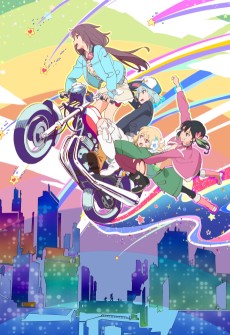
Connected through 2 aesthetic dimensions.

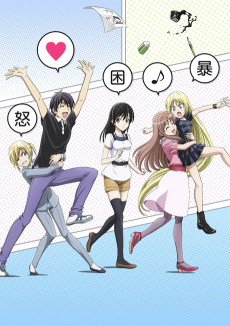
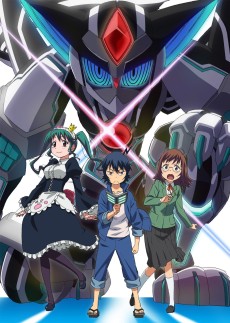
A gelatinous, logic-defying portal gun blast in Portal 2’s co-op Perpetual Testing Initiative collides with the absurd zero-gravity panty-shot chaos aboard the alien ship in *To LOVE-Ru Darkness 2nd* Specials—both weaponizing sci-fi physics as slapstick grammar. Where GLaDOS deadpans bureaucratic menace over impossible spatial paradoxes, Yami’s flustered romantic misfires orbit the same warped cause-and-effect. Comedy & Parody isn’t just genre here—it’s structural: each bends scientific pretense into emotional farce, making quantum entanglement and blush-inducing misunderstandings equally inevitable.

Connected through 2 aesthetic dimensions.

Connected through 2 aesthetic dimensions.

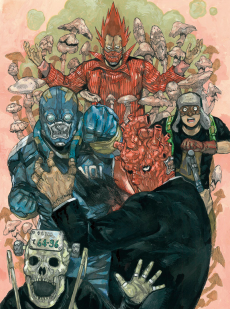
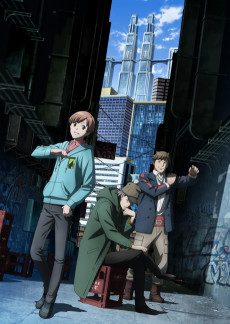
Glitching test chambers and Ratatoskr’s malfunctioning spatial anchors both weaponize absurdity to dissect bureaucratic sci-fi logic. Where Wheatley’s panicked commentary unravels Aperture’s faux-optimistic testing scripts, Date A Live IV’s comedy pivots on Shidou navigating increasingly ludicrous interdimensional protocols—each layer of red tape met with escalating parody. This shared 😂 Comedy & Parody dimension transforms cold systems into laugh-out-loud critiques of control disguised as progress.

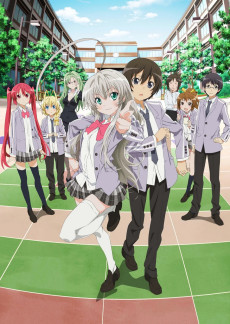
Where GLaDOS’s deadpan mockery of human irrationality mirrors Momo’s exasperated sighs at Rito’s perpetual cluelessness, both works weaponize sci-fi absurdity to dissect social awkwardness. The Perpetual Testing Initiative’s escalating bureaucratic nonsense—like forcing cooperative logic puzzles onto unwilling partners—parallels *To Love Ru Darkness*’s Season 2 escalation of interstellar romance protocols gone hilariously rogue. Comedy & Parody isn’t just tone here; it’s structural: cold logic and hot-blooded chaos keep colliding with perfect, destabilizing timing.

Connected through 2 aesthetic dimensions.

Connected through 2 aesthetic dimensions.
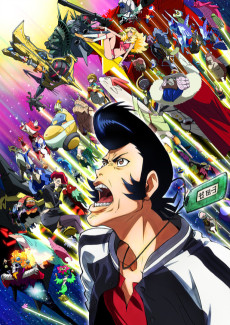
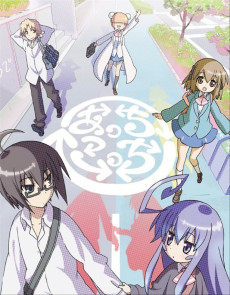
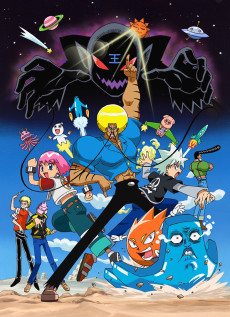
Glitching test chambers in Portal 2’s co-op mode—where Wheatley’s frantic misdirection collides with precise physics—echo Space Dandy 2’s Season 2 episode “The Last Dandy in the Universe,” where Dandy’s pompadour literally unravels across a fractal nebula. 😂 Comedy & Parody thrives in both through bureaucratic absurdity: Aperture Science’s passive-aggressive signage mirrors the Galactic Federation’s nonsensical alien classification forms. Unlike most sci-fi, neither treats space as awe-inspiring void—they weaponize it as a playground for escalating, self-aware nonsense.

Connected through 2 aesthetic dimensions.

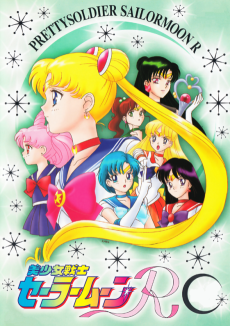



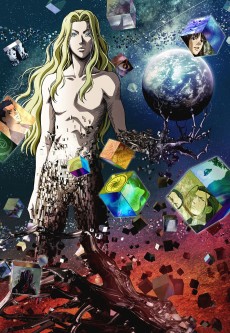

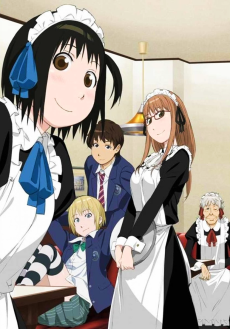


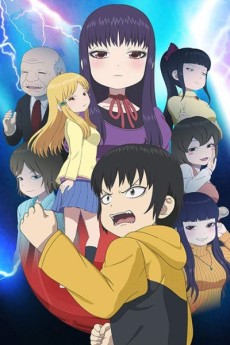



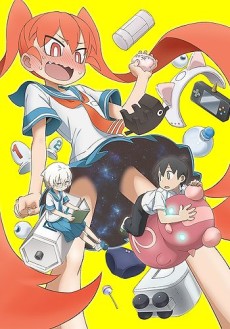



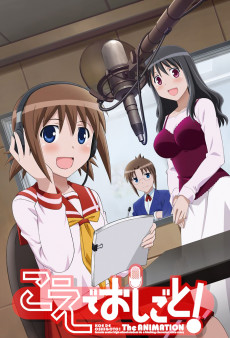


























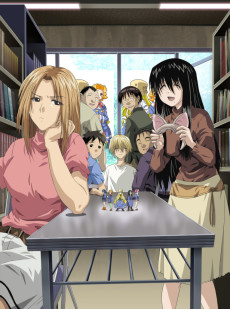

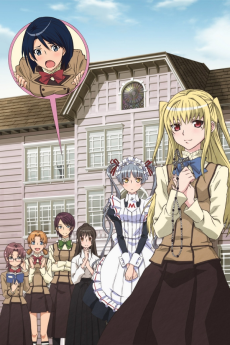
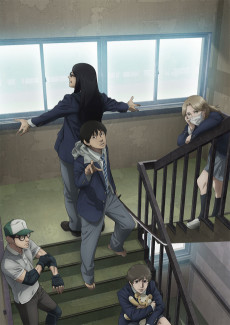













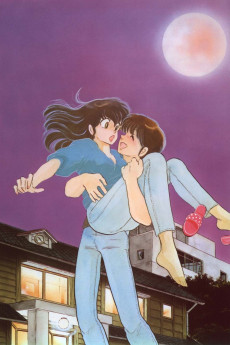


Match Dimensions Explained
❓Frequently Asked Questions
Why does Gintama Season 4 feel like Portal 2’s chaotic, fourth-wall-breaking cousin?
Because both weaponize absurdity to mask surprisingly sharp worldbuilding—like when Gintama’s 'Amanto occupation' satire mirrors Portal 2’s Aperture Science bureaucracy, or when Kagura’s gravity-defying ramen-fueled rampages echo GLaDOS’s deadpan baiting during co-op test chambers. The tone pivots on a dime: one second you’re laughing at Hijikata’s mayonnaise obsession, the next you’re staring into the existential void of a malfunctioning AI—or a sentient umbrella.
Is there an anime adaptation of Portal 2?
Nope—Valve has never licensed or greenlit an official anime adaptation. But if you crave that same blend of razor-sharp sci-fi parody and tactile puzzle logic, Date A Live IV nails it: Shido’s frantic, physics-bending negotiations with spirit powers (like Origami’s time-rewind 'Astral Zero') feel like solving a GLaDOS chamber where the walls talk back—and flirt with you.
What’s the best anime like Portal 2 if I want that dry, sarcastic AI vibe and co-op energy?
To Love Ru Darkness 2 Specials—it’s got the banter-heavy, high-stakes teamwork (Rito & Momo coordinating against alien threats) and a gloriously passive-aggressive 'AI' in the form of Golden Darkness’s emotion-suppressing armor AI, which delivers lines like 'Your pulse rate suggests incompetence' with the same icy precision as GLaDOS judging your flailing portal placement.
How accurate is Space Dandy 2 as a Portal 2 match?
Surprisingly spot-on for tone and structure: just like Portal 2’s co-op campaign flips expectations with synchronized puzzles and escalating absurdity (think the 'Excursion Funnel' chaos), Space Dandy 2’s episodic 'space station sabotage' arcs (e.g., Episode 13’s zero-G maintenance bay heist) use slapstick physics, surreal tech, and a narrator who *knows* you’re watching—exactly how Portal 2’s credits sequence winks at you while listing every failed test subject.