
The Demon Girl Next Door
When Yuuko Yoshida wakes up one morning to discover that she’s sprouted horns and a tail, she learns something that her mother has been meaning to tell her. You know that battle between the Light and Dark that’s been going on since the dawn of time? Well, Yuuko’s family are the bad guys.
So now, Yuuko has to defeat a local magical girl to win back some of her family’s vanquished power so they can afford to go to the all-you-can-eat pancake restaurant. And, of course, it turns out that the Magical Girl goes to Yuuko’s school, but Momo’s really nice and keeps rescuing Yuuko, which is pretty embarrassing and leaves Yuuko rather conflicted… but… all you can eat pancakes?
(Source: Sentai Filmworks)
📺Anime Details
📝Editorial Analysis
The smell of burnt pancake batter hangs in the air—Yuuko Yoshida’s tail flicks in frantic, flustered arcs as she tries to flip a griddle cake while simultaneously suppressing an involuntary horn-burst triggered by her neighbor Momo’s cheerful, oblivious teasing. Her mother sighs from the doorway, holding a half-eaten stack and murmuring something about “demonic metabolic inefficiency.” It’s not a battle cry. It’s breakfast. And it’s perfect.
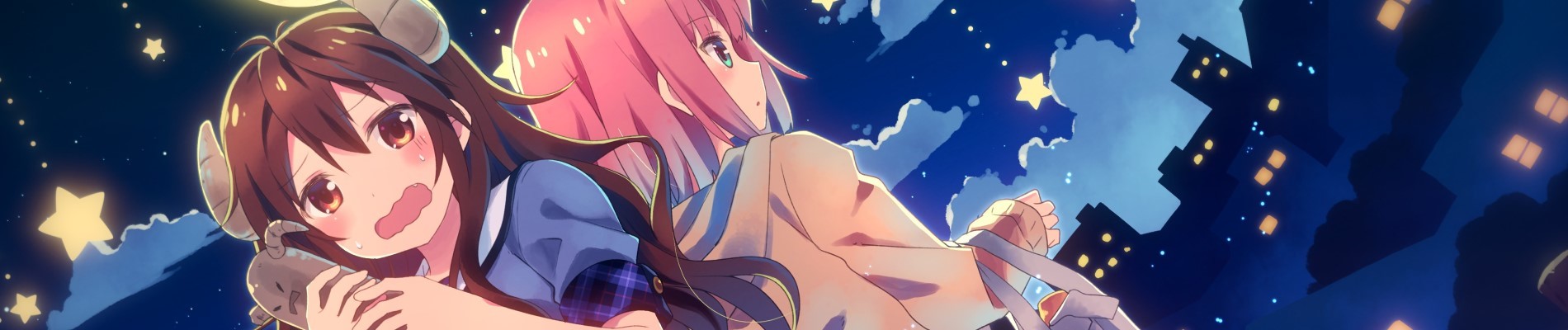
What makes The Demon Girl Next Door breathe isn’t its magic system or its demon lineage—it’s the weightlessness of consequence. Every magical clash is undercut by a snack break; every apocalyptic prophecy derailed by a misplaced bento box. This isn’t urban fantasy despite the slice-of-life—it’s urban fantasy because of it. The show doesn’t ask you to believe in demons—it asks you to believe in how absurdly, tenderly ordinary they feel when they’re negotiating pancake toppings with their arch-nemesis over shared strawberry syrup. It’s warm, unhurried, and deeply unserious—not as escapism, but as quiet rebellion against stakes that demand seriousness. You don’t watch it to be awed. You watch it to exhale.
That same emotional DNA pulses through Team Fortress Classic, not in its chaotic rocket-jump mayhem, but in its tonal refusal to take itself seriously. Its description calls it “a unique style of online team [combat]”—but the player review nails it: “simply the best nostalgic game, i have dreams about this game.” That’s the feeling—dreamlike, affectionate, unmoored from realism yet saturated with personality. Like Yuuko’s horns poking through her school cap mid-sentence, TFC’s classes don’t need lore justification—they are the joke, the rhythm, the shared language of absurdity. Both treat power as costume, conflict as choreography, and victory as something you celebrate with a snack (or, in TFC’s case, a well-timed taunt emote).
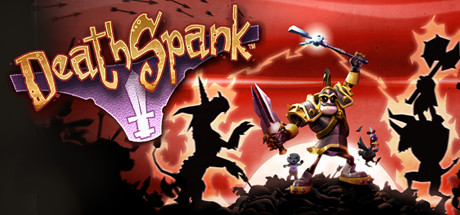
Then there’s DeathSpank: Thongs of Virtue, whose description promises “one of the funniest action-RPGs to date,” and whose player review calls it “a romp of misadventure… to bring about the second coming of justice.” That phrase—second coming of justice—is pure The Demon Girl Next Door: grandiose framing for something utterly trivial, delivered with deadpan sincerity. Just as Yuuko’s entire demonic legacy hinges on beating a magical girl so her family can afford pancakes, DeathSpank’s world-shaking quest revolves around thongs—not as punchline, but as sacred MacGuffin. Both commit fully to their own ridiculous cosmology, trusting the audience to laugh with the logic, not at it. The art style “still quite fun”? So is Momo’s glittery magical girl transformation sequence—equally committed, equally unapologetic.
Even Overlord™—with its “twisted fantasy action adventure where you can be evil (or really evil)”—resonates, but not for its darkness. Look closer: the player review says it “give[s] off Strong Fable vibes,” and Fable was never truly about corruption—it was about performance, about choosing how you want the world to see you. That’s Yuuko’s whole arc: trying on “evil” like a slightly-too-big coat, adjusting the collar, then pausing to check if her tail matches her socks. The Overlord games let you “handle any given situation” with tone and flair—not morality. Neither does The Demon Girl Next Door. Its “Adult & Dark Seinen” tag isn’t irony—it’s permission to treat evil like interior design.
This pairing isn’t for fans of high-stakes fantasy or polished satire. It’s for the person who rewatches the scene where Yuuko tries (and fails) to summon a hellhound because she forgot to feed it before the ritual—and laughs not at the failure, but at how relatable it is to forget your own apocalypse prep. It’s for the player who still hears the Medic’s “Heil!” voice line and feels a little homesick—not for war, but for the sheer, unguarded joy of shared nonsense. They’re the ones who keep their favorite games installed not for completion, but for the texture of their absurdity—the way Team Fortress Classic’s map loading screen feels like stepping into a friend’s chaotic living room, or how DeathSpank’s loot descriptions read like Yuuko’s internal monologue during P.E. class. They love worlds where power is silly, stakes are soft, and the most dangerous thing in the room is a lukewarm pancake.
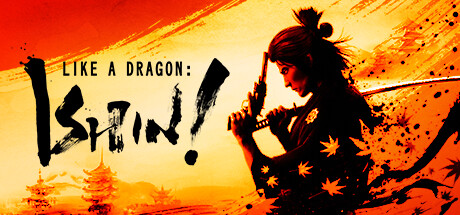
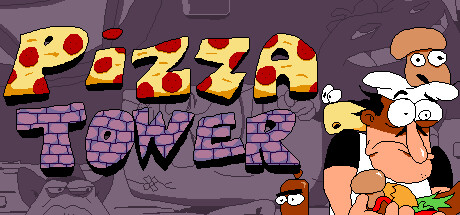
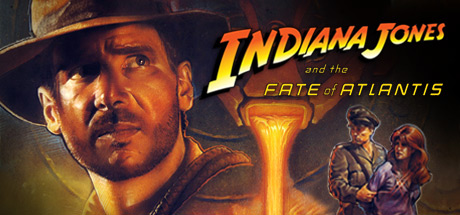
🎮34 Games That Match the Vibe











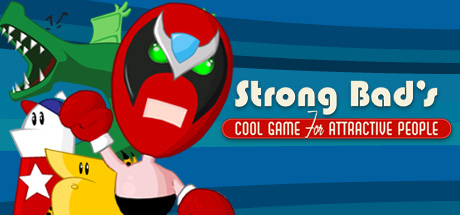

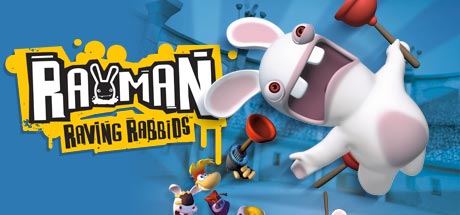

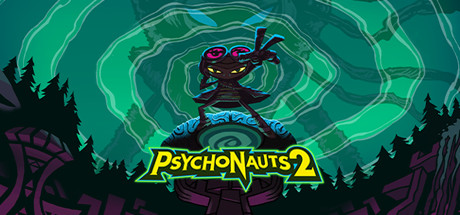

Match Dimensions Explained
❓Frequently Asked Questions
Why does Overlord feel like a spiritual sibling to The Demon Girl Next Door despite being a fantasy game?
Because both lean hard into comedic, morally slippery parody — in Overlord, you play as a giggling, crown-wearing tyrant who charms or crushes minions with equal glee (just like Momo’s chaotic charm), and your choices ripple through a warped world full of absurd villains and darkly witty dialogue. The Adult & Dark Seinen dimension shines in scenes where you tempt villagers into evil deeds or watch your minions bicker mid-battle — very much like Momo’s deadpan demon logic clashing with human naivety.
Is there an anime or visual novel adaptation of Team Fortress Classic like The Demon Girl Next Door?
No — TFC has zero official anime, manga, or visual novel adaptations. It’s stayed purely a cult-classic multiplayer shooter since 1999, beloved for its over-the-top class personalities (like the chain-smoking Spy or the perpetually exasperated Medic) and chaotic 1990s LAN-party energy. Fans *do* make fan comics and parodies, but nothing official — unlike Demon Girl, which sprang from a light novel and got a full anime season.
How does DeathSpank: Thongs of Virtue compare to The Baconing when it comes to matching The Demon Girl Next Door’s tone?
Thongs of Virtue nails the vibe better — its self-aware absurdity (like DeathSpank yelling about ‘justice’ while stealing socks from sleeping peasants) and bright, cartoonish action mirror Momo’s blend of supernatural chaos and slice-of-life silliness. The Baconing, by contrast, dials down the charm: player reviews call out its weaker writing and lack of directorial cohesion, making it feel less like a playful demon romp and more like a rushed sequel.
What’s the best game like The Demon Girl Next Door if I want something that’s equal parts goofy, action-packed, and lightly sinister?
Overlord: Raising Hell — it’s got that perfect trifecta: you command hordes of snarky, goblin-like minions while making cheekily evil choices (like bribing townsfolk into corruption), all wrapped in a vibrant, twisted fairy-tale aesthetic. The Adult & Dark Seinen dimension shows up in moments like charming a noblewoman into betraying her kingdom — delivered with the same dry, mischievous wit you’d expect from Momo sipping tea while summoning a minor hellfire incident.