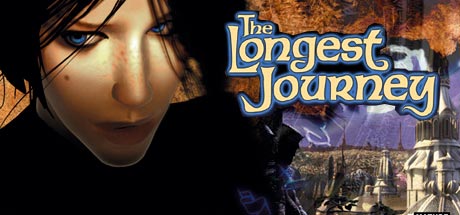
The Longest Journey
The Longest Journey is an amazing graphical adventure, where the player controls the protagonist, April Ryan, on her journey between parallel universes.
🎮Game Details
💬What Players Say
"It's less a long journey than a long conversation. And somehow, the conversation is good enough that you keep reading to the end."
"Enjoyed this way more than I thought I would. I remember trying to play this game as a kid and quitting shortly after because I thought it was uninteresting. 20 years later and the memorable opening scene with the dragon popped up in my dreams for whatever reason so I had to look up the game...."
"Disclaimer: This is a point & click game, so this will already dissuade most people from playing. On top of that, it's older with very dated graphics. And there's not really much action or anything too exciting...."
📝Editorial Analysis
The opening. Not the cutscene—though that piano motif lingers like smoke—but the silence after you click the first dialogue box and April Ryan says, “I don’t know what’s happening.” That pause. That breath held between worlds. You’re not running, not jumping, not aiming—you’re listening, leaning in, because the game tells you, without fanfare, that meaning lives in what people say, how they hesitate, where they look away. As one player put it: “It’s less a long journey than a long conversation. And somehow, the conversation is good enough that you keep reading to the end…” Not clicking for spectacle, but for resonance. The graphics are dated, yes—the interface is point-and-click, deliberately slow, almost stubbornly analog—but none of that matters when April’s voice cracks on a line about belonging, or when the camera holds on a rain-slicked street in Stark just long enough for you to feel the weight of two realities pressing against each other like mismatched teeth.
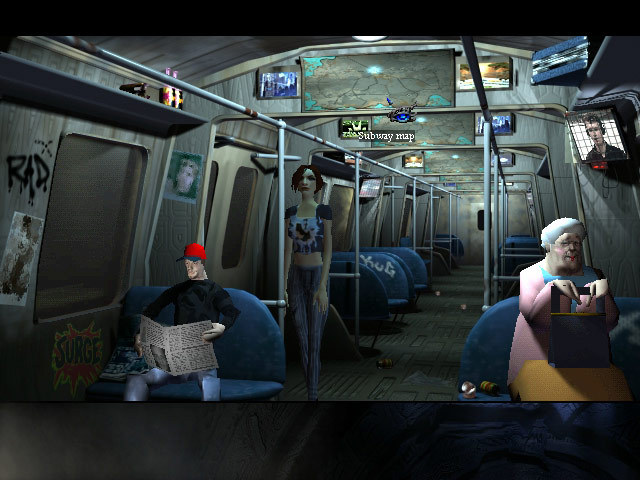
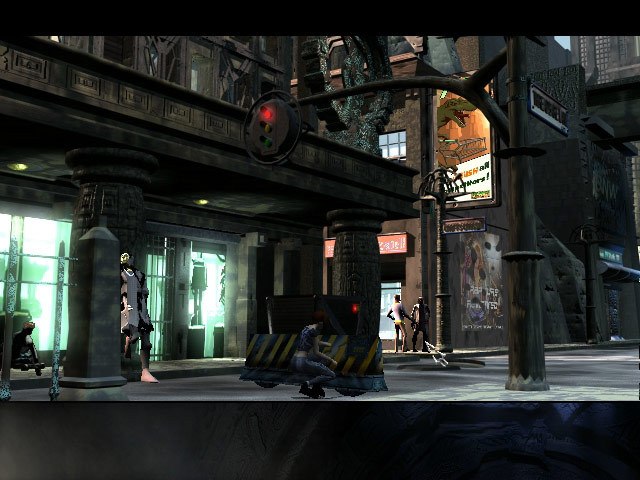
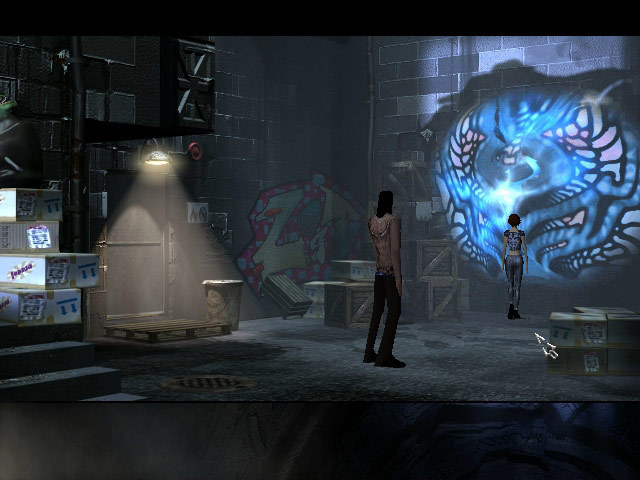
What makes The Longest Journey ache so quietly is its stillness. Not emptiness—never emptiness—but a deep, humming attention: to language, to contradiction, to the way belief bends reality before reality bends back. It doesn’t ask you to solve puzzles with reflexes, but with empathy—to parse subtext in a bureaucrat’s sigh, to sense dread in the spacing between sentences, to trust that a character’s offhand remark about train schedules might echo across dimensions. It makes you feel thoughtful, yes—but also tender, even vulnerable, because the stakes aren’t life-or-death chases; they’re identity, coherence, the terrifying luxury of choosing who you are when no map exists. There’s no combat, no health bar—just the slow, accumulating pressure of being seen, misunderstood, remembered, forgotten. That’s why the 20-year-later player remembers only the opening: not for spectacle, but because it lands like a confession whispered at 3 a.m.
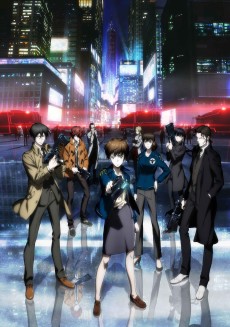
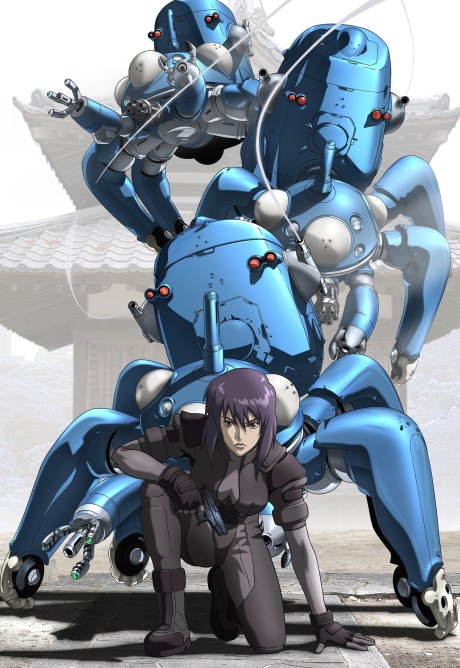
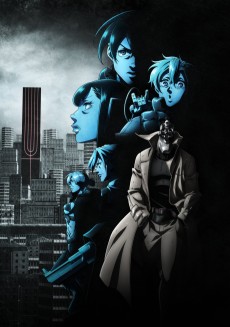
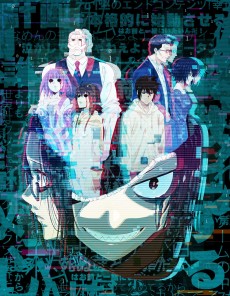
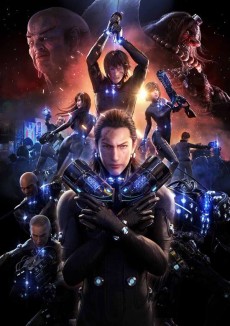
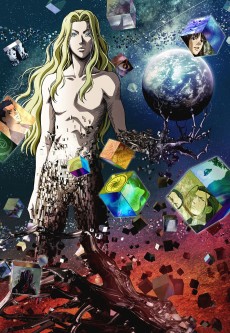
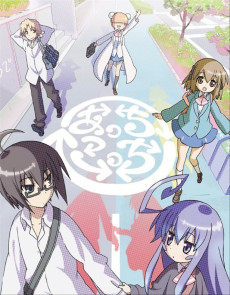
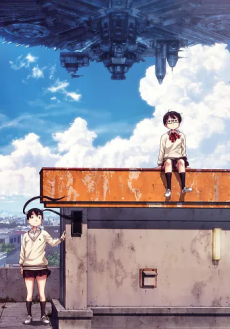
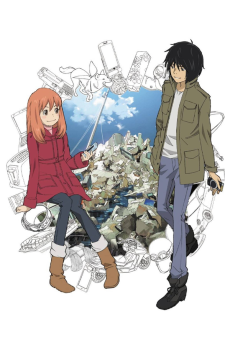
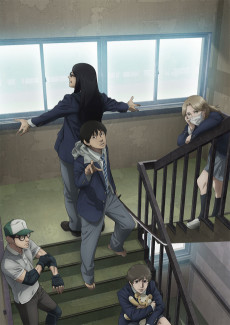
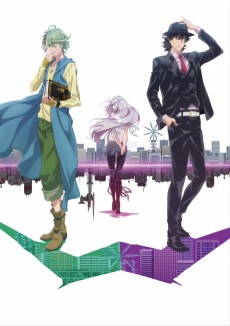
That same emotional architecture hums through Chobits, where love isn’t declared in grand gestures but in the tremor of a hand adjusting a collar, in the silence between a human and a persocom learning how to grieve without memory. Both pivot on the unbearable intimacy of consciousness asking, “Do I matter if no one witnesses my becoming?” Then there’s PSYCHO-PASS: Sinners of the System 3 — On the Other Side of Love and Hate, where the dystopia isn’t just surveillance—it’s the suffocating weight of being legible to a system that reduces love, guilt, and loyalty to measurable variables. Like April navigating bureaucratic gatekeepers in Stark while whispering truths to mystics in Arcadia, the film moves through layers of institutional language, peeling back jargon to reveal raw, unquantifiable yearning. And The Perfect Insider—a locked-room mystery wrapped in academic rigor—mirrors the game’s obsession with meaning as infrastructure: every footnote, every misquoted theorem, every withheld pronoun feels like another seam in the fabric between logic and feeling, just as April’s journey stitches myth, math, and municipal zoning codes into a single trembling thread.
Who loves this? Not the person scrolling for dopamine spikes. Not the viewer who needs villains with monologues or protagonists with power-ups. This is for the one who re-watches a five-second exchange between side characters just to hear the inflection change, who saves screenshots of weather in fictional cities because the gray light means something, who reads legal documents in games not for loopholes—but for the quiet violence of syntax. It’s for the late-night thinker who finds comfort in complexity that refuses to simplify itself, who trusts that a slow conversation, held across broken worlds, can be enough—not as escape, but as witness. That’s the shared pulse: not spectacle, but recognition. Not resolution, but resonance. And when April stands at the threshold again—not with a weapon, but with a question half-formed on her lips—that’s where the anime and the game meet, breathing the same air: tender, unhurried, true.
→230 Anime That Match the Vibe
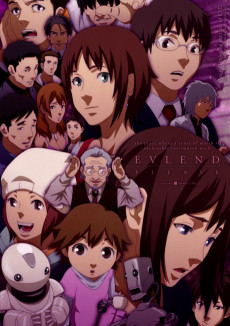
Both dive into neon-soaked futures where technology blurs the line between human and machine.
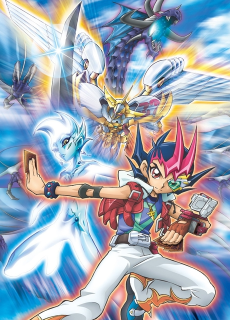
Both dive into neon-soaked futures where technology blurs the line between human and machine.

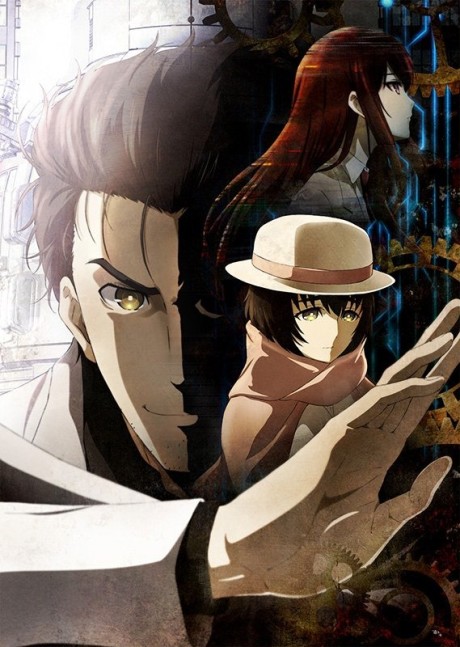
April Ryan’s first breath of ozone-scented air in Stark’s rain-slicked neon alleys mirrors Hideki’s stunned silence when Chi activates—two quiet moments where technology and humanity blur. Unlike most cyberpunk, neither leans into dystopian spectacle; instead, they anchor existential stakes in tender, tactile intimacy: April tracing dimensional rifts with her fingers, Hideki repairing Chi’s cracked casing with trembling hands. This resonance in 🌆 Cyberpunk & Dystopia feels quietly radical—grounding the genre’s grand metaphysics in fragile, human-scale care.

Both dive into neon-soaked futures where technology blurs the line between human and machine.
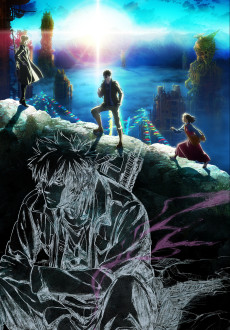
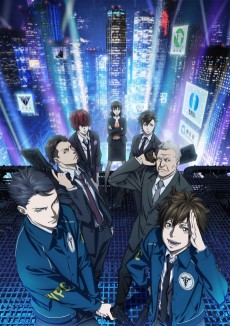
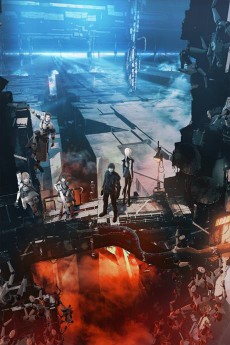
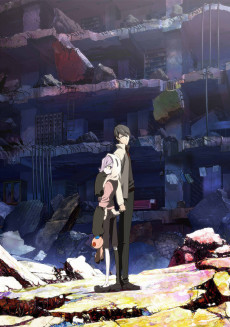
April Ryan’s vertigo-inducing leap between Stark’s rain-slicked neon alleys and the bioluminescent forests of Arcadia mirrors Kogami’s solitary trek across the war-scarred borderlands of the SEAUn—both journeys fracture reality to expose systemic rot beneath utopian facades. Where *The Longest Journey* uses parallel worlds to interrogate identity and agency, *Sinners of the System 3* weaponizes its cyberpunk & dystopia aesthetic to ask whether justice can exist outside the Sybil System’s cold calculus. That shared tension—between personal conviction and oppressive order—makes their resonance feel urgent, not nostalgic.
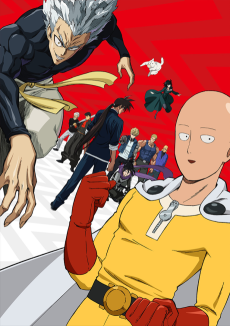
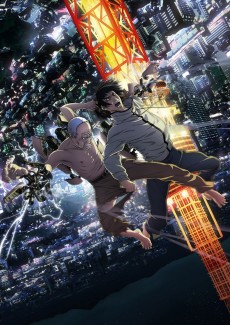
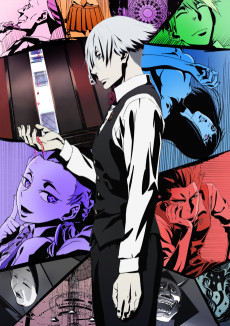
April Ryan’s weary sigh as she steps from Stark’s neon-drenched rain into the decaying grandeur of Arcadia mirrors Saitama’s deadpan stare during Season 2’s hollow hero committee meetings—both trapped in systems that demand gravitas while mocking their own stakes. Where cyberpunk & dystopia frames April’s interdimensional bureaucracy and Saitama’s corporate-sponsored heroism, comedy & parody weaponizes their exhaustion: her bureaucratic limbo in the Crossroads, his unblinking face as Genos’ angst spirals untouched. It’s startling how deeply both use institutional absurdity—not just for laughs, but to anchor existential weight in fluorescent-lit futility.

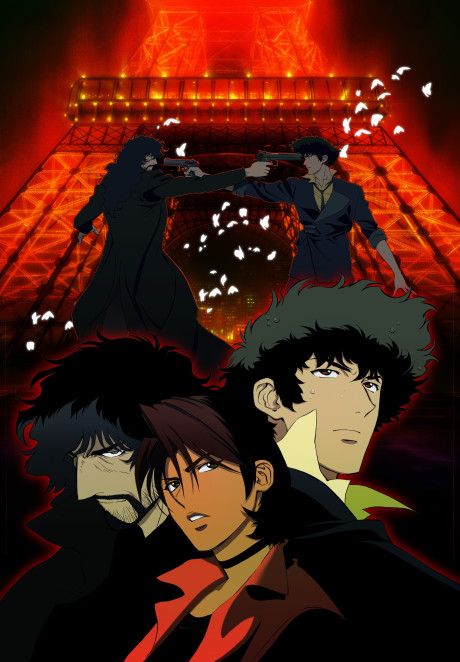
April Ryan stepping through the shimmering rift between Stark and Arcadia mirrors the quiet, rain-slicked alleyways of Kowloon Walled City—where time folds like origami and every flickering neon sign hums with unresolved memory. This resonance thrums strongest in the *Cyberpunk & Dystopia* dimension: both anchor existential yearning in decaying infrastructure—Stark’s corporate decay, Kowloon’s labyrinthine ruins—yet refuse nihilism, choosing instead tender, stubborn humanity amid collapse. Surprisingly, it’s the *Mystery & Detective* layer that binds them: not through clues or suspects, but through the slow, aching work of piecing together a self across fractured realities.
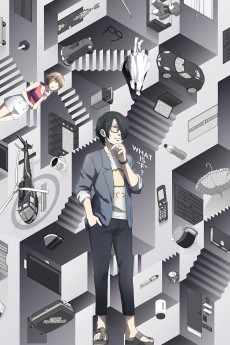
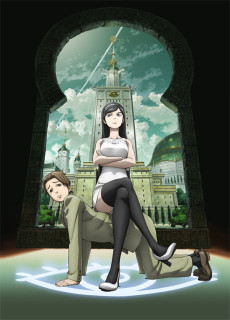
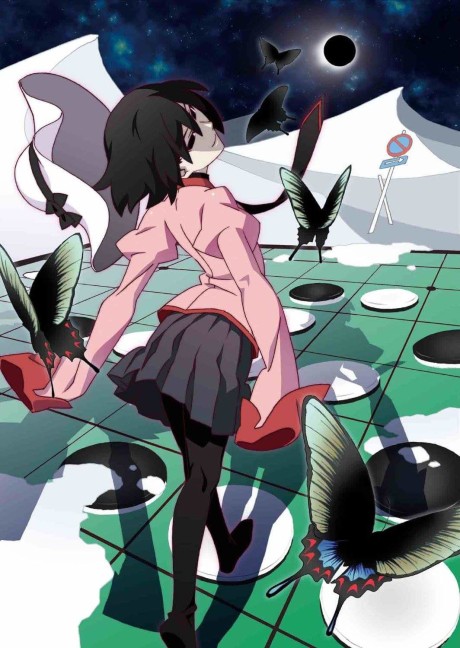
April Ryan’s first disorienting leap between Stark and Arcadia mirrors Souhei Saikawa’s dawning realization that the secluded research lab’s “vacation” is a meticulously constructed cognitive trap. Where *The Longest Journey* uses parallel worlds to interrogate identity and systemic control, *The Perfect Insider*’s claustrophobic mansion—steeped in **Psychological** tension and recursive logic puzzles—exposes how ideology masquerades as rationality. This resonance isn’t coincidence: both weaponize intellectual rigor to fracture reality, making their dread feel chillingly earned.

April Ryan’s first disorienting leap between Stark and Arcadia mirrors Caiman’s Season 2 descent into the Hole’s warped bureaucracy—both navigate layered realities where logic frays at the seams. Unlike most fantasy adventures, they treat dystopia not as backdrop but as a character: Stark’s rain-slicked cyberpunk alleys echo the Hole’s grime-caked, magic-choked streets, while both hinge on detective work that uncovers conspiracies buried in bureaucratic absurdity. That shared tension—between existential mystery and darkly comic institutional chaos—makes their resonance unexpectedly sharp.

Both dive into neon-soaked futures where technology blurs the line between human and machine.










































































































































































Match Dimensions Explained
❓Frequently Asked Questions
Why is Chobits on the 'Anime Like The Longest Journey' list when it's about robots and not parallel universes?
Great question — it’s not about the *setting*, but how April Ryan’s journey mirrors Hideki’s slow, dialogue-driven unraveling of Chi’s true nature across layered realities (like the hidden server world vs. Tokyo streets). Just like April spends hours in quiet, character-heavy scenes decoding cryptic conversations with characters like Cortez or the Alatians, Chobits builds its emotional weight through long, thoughtful exchanges — especially those late-night talks in Hideki’s apartment where meaning unfolds line by line.
Is there an anime adaptation of The Longest Journey?
Nope — no official anime adaptation exists, and honestly, that makes sense given how deeply tied the experience is to its point-and-click mechanics: clicking on April’s journal entries, examining the World Tree mural in Stark, or choosing which line to say to the sarcastic ferryman in Shiver. Even the top matches on the list — like PSYCHO-PASS: Sinners of the System 3 — lean into procedural, investigative pacing rather than action set-pieces, mirroring how the game prioritizes observation and dialogue over spectacle.
How does The Perfect Insider compare to The Longest Journey in terms of tone and structure?
Both are slow-burn mysteries where the real puzzle isn’t ‘whodunit’ but ‘what’s real?’ — think April staring at the shifting geometry of the Nexus Gate versus Susumu’s obsessive analysis of the locked-room murder inside a hyper-controlled cyber-academy. The Perfect Insider nails that same ‘long conversation’ vibe: long static shots, dense philosophical banter between characters like Professor Kusaka and Mamiya, and a climax that lands emotionally because of accumulated subtext — not explosions or chases.
What’s the best anime like The Longest Journey if I want that quiet, thoughtful, ‘late-night reading’ mood?
Go straight to The Perfect Insider — it’s basically The Longest Journey’s literary cousin. You’ll get the same hushed intensity as April piecing together the Alatian prophecy in her dorm room, but swapped for Susumu dissecting a professor’s handwritten notes under a single desk lamp. It’s got zero filler, zero fan service, and maximum atmospheric tension — just like how player review #1 said, ‘It’s less a long journey than a long conversation… and somehow, the conversation is good enough that you keep reading to the end.’