
HINAMATSURI
The comedy manga centers around a super-powered girl named Hina and Nitta, a young member of the yakuza. Hina suddenly appears in Nitta's room and threatens him with her extraordinary powers. However, they end up living together.
(Source: Anime News Network)
📺Anime Details
📝Editorial Analysis
The smell of instant ramen broth steaming in a cramped, cluttered apartment—Nitta’s worn slippers kicked off by the door, Hina sitting cross-legged on the floor, staring blankly at a TV showing static while holding a spoon like it’s a sacred relic. No grand battle, no exposition dump—just two people who shouldn’t coexist, doing laundry together an hour later, Hina folding socks with unnerving precision while Nitta mutters about dry-cleaning bills and yakuza honor codes dissolving into grocery lists.

That’s the quiet gravity of HINAMATSURI: not the spectacle of power, but the weight of domesticity settling over chaos. It doesn’t treat the supernatural as awe—it treats it as interference, like a broken heater or a neighbor’s loud karaoke. The comedy isn’t built on punchlines but on the sheer, stubborn banality of trying to raise a girl who can flatten buildings while also teaching her how to use chopsticks without levitating them. You don’t laugh at the absurdity—you laugh with relief, because beneath the slapstick and surrealism is something tender and unguarded: the slow, awkward, deeply human work of building family where none was planned. It makes you feel seen in your own quiet acts of care—making coffee for someone who doesn’t know what coffee is, correcting grammar in a text message from a psychic, hiding a yakuza ledger behind a stack of parenting magazines.
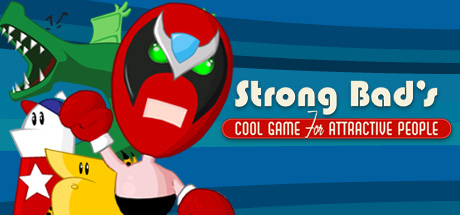
Strong Bad's Cool Game for Attractive People: Season 1 shares that same tonal tightrope—wacky, self-aware, yet emotionally grounded in its character dynamics. Its description promises “Strong Bad’s wacky comedic adventures over 5 full episodes,” and the player review longs for its return not for nostalgia alone, but because it matters—“I hope Skunkape considers bringing this game back next…”. That yearning mirrors how HINAMATSURI makes you miss characters between episodes, not for their powers, but for how Hina mispronounces “mayonnaise” or how Nitta sighs when she reorganizes his entire bookshelf by color instead of genre. Both works weaponize parody not to mock, but to protect sincerity—wrapping vulnerability in cartoon logic so it slips past your guard.
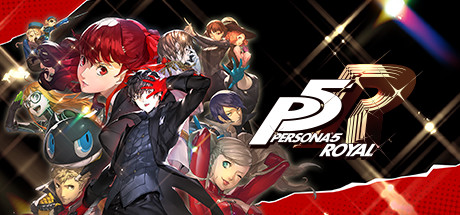
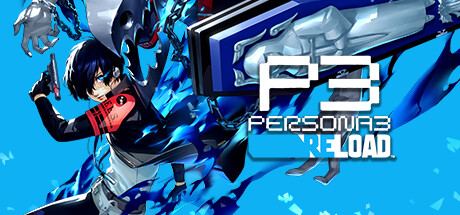
Then there’s Persona 5 Royal, whose description highlights “build relations” and “the seamless transition between daily life…”—a phrase that could be lifted straight from HINAMATSURI’s rhythm. Player reviews praise its soundtrack and gameplay loop, but what resonates deeper is how both works treat time as emotional scaffolding: school days, part-time jobs, late-night conversations on train platforms—all mundane, all charged. In Persona 5 Royal, Joker bonds with Ann over crepes and confessions; in HINAMATSURI, Nitta bonds with Hina over burnt toast and silent walks home after she accidentally vaporizes a vending machine. Neither story needs world-ending stakes to make your chest tighten. They trust the ordinary to hold the weight—and the player review’s emphasis on “daily life” isn’t incidental. It’s the shared heartbeat.
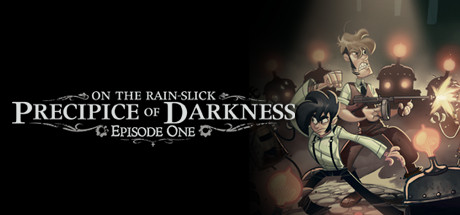
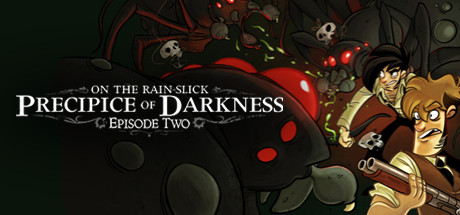
Even the Precipice of Darkness games—both Episodes One and Two—echo this DNA. Their descriptions cite “Comedy & Parody” and “JRPG Narrative,” and player reviews note how they’re “fun as hell” especially if you enjoy layered humor—but crucially, add “you don’t need to know much about the comics since this is an AU.” That deliberate accessibility, that refusal to gatekeep emotional investment behind lore, is pure HINAMATSURI. Hina doesn’t need backstory to matter. Nitta doesn’t need redemption arcs to earn our empathy. Like the Precipice games, HINAMATSURI builds meaning through texture—through how a character leans against a doorway, how silence hangs after a joke falls flat, how a fight scene ends not with victory, but with someone handing out tissues.
This pairing isn’t for fans of “power fantasy” or “epic sagas.” It’s for the person who rewatches the scene where Nitta teaches Hina to ride a bike—not for the gag of her floating three inches off the ground, but for the way his hand stays on the seat long after she’s pedaling steady, fingers trembling just once before he lets go. It’s for the player who lingers in Persona 5 Royal’s bathhouse not to grind stats, but to hear Ryuji complain about his mom’s cooking while steam curls off his hair. It’s for anyone who’s ever loved someone despite the mess—and especially because of how they fold socks.
🎮42 Games That Match the Vibe
















Match Dimensions Explained
❓Frequently Asked Questions
Why does HINAMATSURI’s vibe match Persona 5 Royal so well despite the different genres?
It’s all about that tight balance of grounded emotional stakes and stylish, almost theatrical rebellion—like when Nishiki confronts her past trauma while the Phantom Thieves pull off a heist in Mementos. Both lean hard into ‘found family’ dynamics (Hina’s ragtag crew vs. Joker’s confidants), and even the daily life rhythm—Nishiki’s quiet apartment moments mirror Ryuji or Ann’s confidant scenes where small talk reveals deep vulnerability. Plus, that killer soundtrack energy? Persona 5’s jazz-funk pulse feels like the musical cousin to HINAMATSURI’s chaotic-yet-warm tonal whiplash.
Is there an anime or game adaptation of HINAMATSURI itself?
No official game adaptation exists—but if you’re craving that same blend of deadpan absurdity + heartfelt character growth, Precipice of Darkness, Episode One nails it with its Penny Arcade–style meta-humor and RPG structure. Think of it like HINAMATSURI’s spiritual cousin: both feature a socially awkward protagonist (your custom comic-style hero) stumbling through surreal crises while bonding with weirdly sincere side characters—like the talking rat in Episode One echoing Hina’s own bizarre-but-genuine presence.
How does Strong Bad's Cool Game for Attractive People compare to Precipice of Darkness?
They’re both Comedy & Parody powerhouses, but Strong Bad leans into fourth-wall-breaking cartoon chaos (like Strong Bad ‘reviewing’ your save file mid-episode), while Precipice of Darkness layers RPG mechanics—turn-based combat, special attack minigames (yes, with that infamous input delay in Episode Two!)—onto its satirical world. If HINAMATSURI’s humor is dry-as-toast with sudden emotional butter, Strong Bad is pure maple syrup chaos, and Precipice is the snarky, dice-rolling cousin who quotes webcomics while casting fireballs.
What’s the best game like HINAMATSURI if I want something melancholic but warm, with martial arts and quiet character moments?
Jade Empire™: Special Edition is your answer—especially if you loved how HINAMATSURI balances Nishiki’s stoic exterior with tender, low-key intimacy (like her shared meals with Yuki). Jade Empire lets you choose the Open Palm or Closed Fist path while building bonds in a lush, morally gray wuxia world; the emotional weight lands just as softly as Hina’s late-night rooftop chats, and the martial arts aren’t flashy spectacle—they’re intimate, personal, and deeply tied to identity, just like Nishiki’s journey.