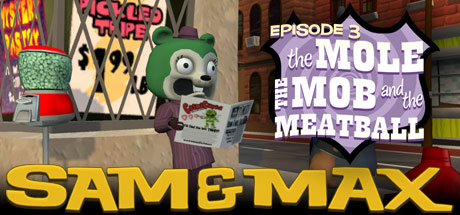
Sam & Max 103: The Mole, the Mob and the Meatball
Sam & Max Episode 3 - The Mole, The Mob, and The Meatball - The commissioner is looking into an underground operation at the Ted E. Bear Mafia-Free Playland and Casino, but the mole he sent in has suddenly gone quiet. To find the mole, Sam & Max must infiltrate the operation and become members of the Toy Mafia themselves.
🎮Game Details
💬What Players Say
"Great reboot of a legendary game."
📝Editorial Analysis
The fluorescent buzz of Ted E. Bear Mafia-Free Playland and Casino hits like a slap—garish, sticky-sweet, and wrong. You’re not just walking into a casino; you’re stepping into a surveillance blind spot where the commissioner’s mole went silent mid-infiltration, and Sam & Max are now members—not of the mob, but of its absurd, self-devouring logic. That phrase—“become membe”—cuts off mid-word in the official description, and it’s perfect: the game doesn’t finish the sentence because it doesn’t need to. The grammar stumbles, the stakes blur, and yet the mission feels urgent, ridiculous, and inescapably personal. A player notes you’ll want TTres for 1080p—proof that even the technical layer is part of the charm: this isn’t polished realism, it’s tactile, slightly degraded, lovingly clumsy immersion.

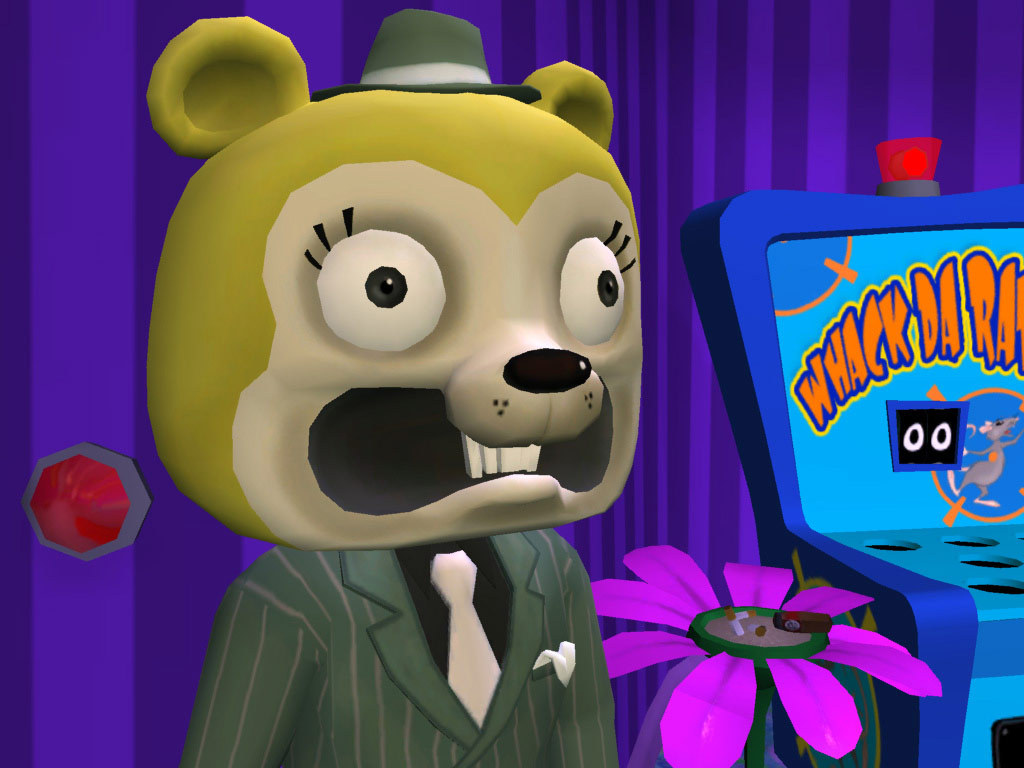
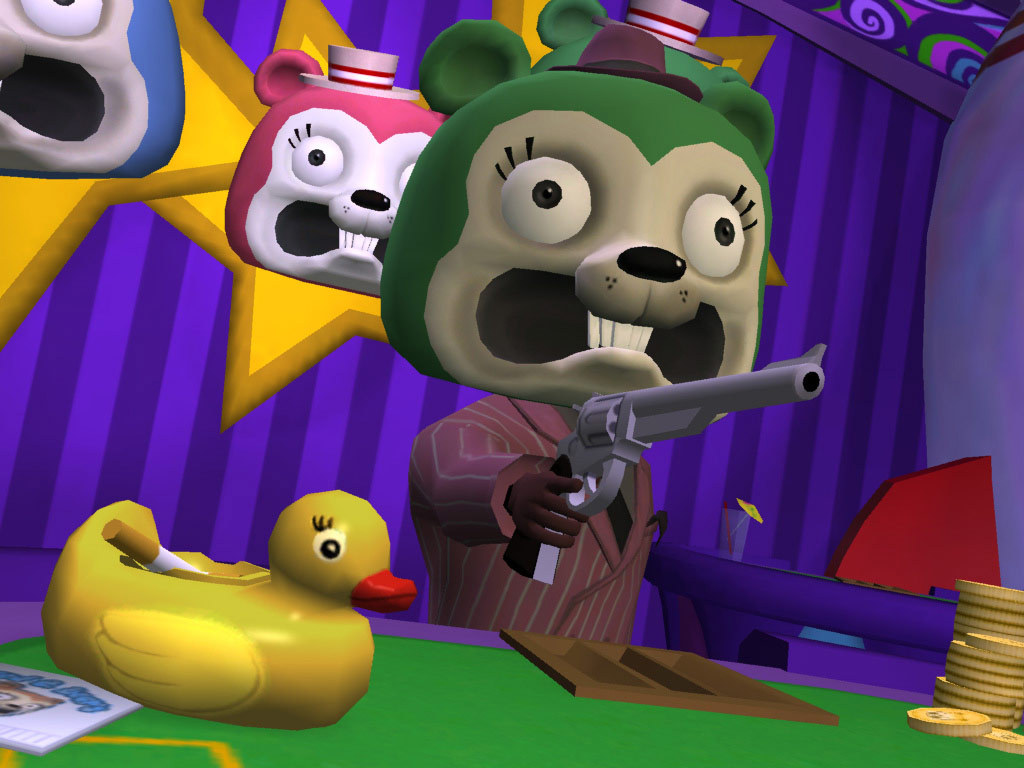
What makes Sam & Max 103: The Mole, the Mob and the Meatball vibrate at this particular frequency isn’t its noir trappings or its point-and-click mechanics—it’s the way it treats suspicion like a shared joke between friends. Everyone’s hiding something, sure—but the real mystery isn’t who the mole is, it’s why anyone would trust a talking dog and a hyperverbal rabbit with a revolver to conduct an investigation. There’s no dread, no moral weight pressing down—just the giddy, unmoored thrill of following a clue into a meatball-shaped vault, then out again, unscathed and slightly bewildered. It makes you feel playfully paranoid, like your brain is both the detective and the red herring. It makes you think about how institutions—casinos, police departments, even narrative structures—only hold together as long as everyone agrees to mispronounce the rules.
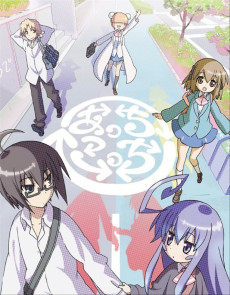
That exact emotional alchemy—the seamless weave of Mystery & Detective with Comedy & Parody—is why The World God Only Knows II lands so hard alongside it. Keima Katsuragi doesn’t solve crimes—he reverse-engineers girls’ emotional defenses like security protocols, and every “case” unravels into escalating farce, yet the stakes feel real because his commitment is absolute. Like Sam & Max pretending to be mobsters while debating whether meatballs count as evidence, Keima deploys absurd logic with deadpan sincerity—and the tension isn’t between truth and lie, but between what’s plausible and what’s funnier if we pretend it’s plausible.
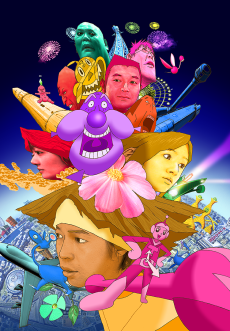
Same goes for Hentai Prince & the Stony Cat: here, the detective work is internal—Yuuki parsing his own repressed emotions through layers of genre parody, turning adolescent anxiety into a noir-tinged scavenger hunt. His “investigations” involve disguises, coded notes, and sudden tonal swerves—all anchored by the same lightness that lets Sam & Max interrogate a slot machine without breaking character. Neither story needs darkness to feel consequential; the comedy is the gravity.
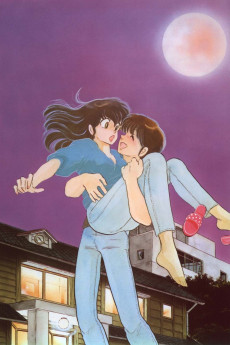
And then there’s Ranma½ (2024)—not as nostalgia bait, but as a live-wire demonstration of how Mystery & Detective can mean tracking down the source of a cursed spring while your rival’s hair changes color mid-sentence. The new adaptation leans into the surreal elasticity of cause and effect, where clues arrive via slapstick, and resolution often looks like two people yelling over each other until reality resets. That’s the same energy as Sam & Max discovering the mole’s last transmission was encoded in a carnival ring-toss scorecard—no exposition, no hand-holding, just shared recognition of the joke’s architecture.
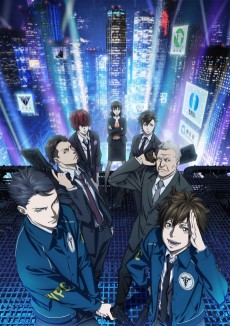
But the darker pairings—Owarimonogatari and Death Parade—don’t contradict that feeling. They deepen it. Both use Mystery & Detective not to reveal facts, but to expose how badly people lie to themselves—and they do it with dry, almost clinical humor that never softens the sting. When Araragi confronts a memory like evidence, or when Decim judges souls over drinks in a bar that shouldn’t exist, the comedy isn’t relief—it’s the lubricant that lets unbearable truths slide into view. That’s the shadow-side of Sam & Max’s world: beneath the neon and the puns, there’s a quiet understanding that all institutions—including friendship—are temporary alliances held together by mutual improvisation.
This is for the person who laughs first at a plot hole—then spends ten minutes mapping its geometry. For the one who rewatches a scene not for the punchline, but for how the background character blinks exactly when the lie begins. For the player who boots up TTres not for sharper pixels, but because they want to feel the grain of the joke—the slight lag before Max’s revolver clicks, the hum of the playland lights, the delicious, unresolved silence after “become membe.” Not fans of mystery or comedy—but lovers of the moment where the two stop being genres and become a single, breathless, grinning heartbeat.
→158 Anime That Match the Vibe

Layered mysteries that reward attention — every detail matters, and the truth is never simple.

Layered mysteries that reward attention — every detail matters, and the truth is never simple.

Layered mysteries that reward attention — every detail matters, and the truth is never simple.

Sam & Max’s absurd casino heist—where a meatball cannon disrupts mob negotiations—mirrors *The World God Only Knows II*’s tonal whiplash as Haqua’s deadpan demon logic clashes with Katsuragi’s overengineered dating tactics. Unlike most supernatural comedies, both weaponize **Mystery & Detective** tropes not for resolution but for escalating farce: the commissioner’s mole vanishes mid-interrogation just as Haqua interrogates a reluctant soul with bureaucratic demon paperwork. That shared commitment to parodying procedural rigidity through escalating nonsense makes their resonance genuinely surprising—and deliciously unhinged.

Layered mysteries that reward attention — every detail matters, and the truth is never simple.
Layered mysteries that reward attention — every detail matters, and the truth is never simple.

Sam & Max’s neon-drenched casino basement—where a meatball rolls suspiciously past a mobster’s shoelace—meets Yokodera’s shrine-side panic as he whispers a wish into the Stony Cat’s stone ear. Both weaponize absurdity to dissect desire: one through noir parody where every clue is a gag, the other through supernatural comedy where lust and loneliness blur in a high school hallway. Their shared *Mystery & Detective* DNA isn’t about solving crimes—it’s about watching earnest incompetence collide with surreal bureaucracy, making longing hilariously, achingly visible.

Layered mysteries that reward attention — every detail matters, and the truth is never simple.

Layered mysteries that reward attention — every detail matters, and the truth is never simple.

Layered mysteries that reward attention — every detail matters, and the truth is never simple.
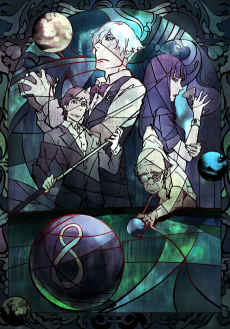



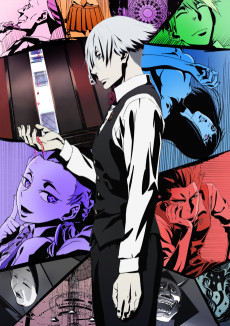










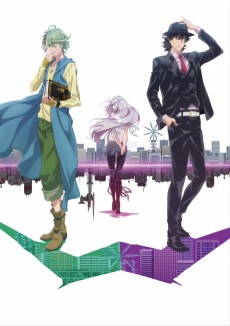
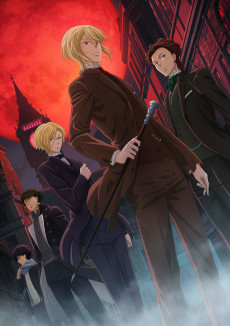


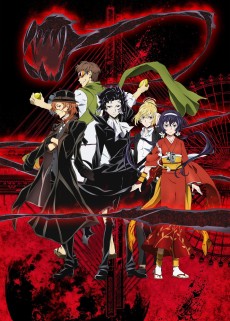


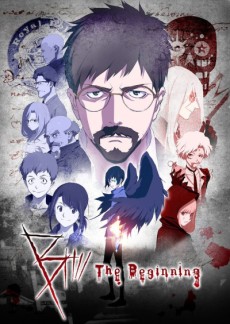



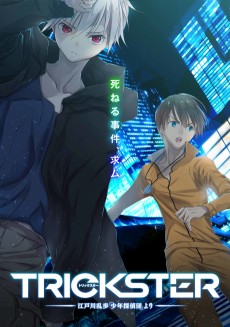


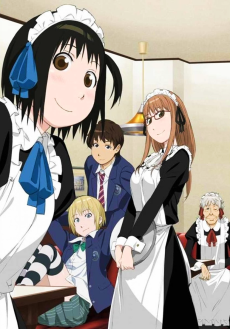





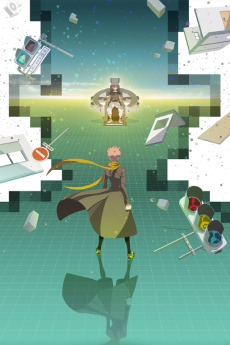

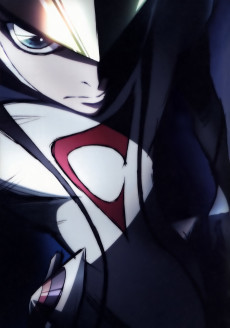















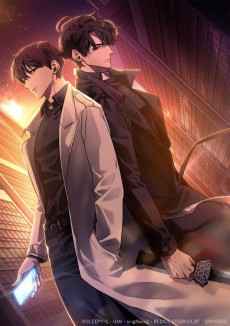





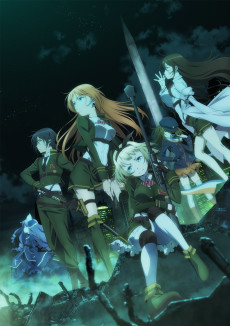

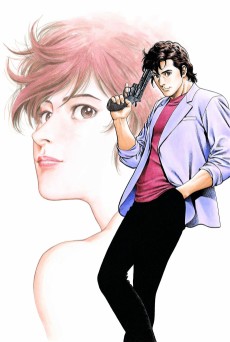

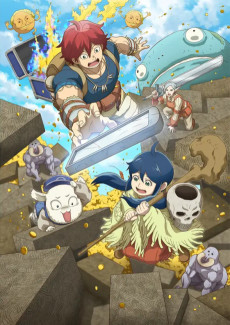















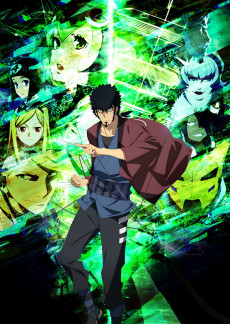






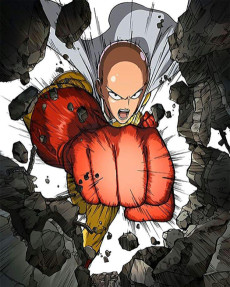

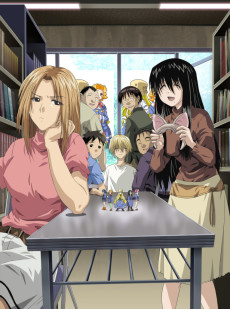

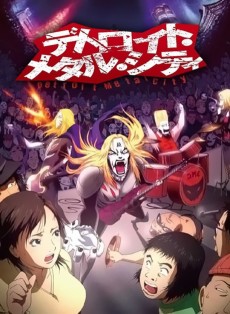



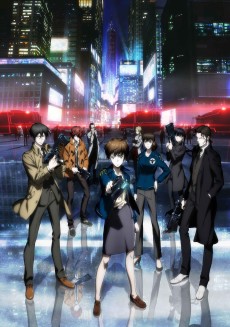






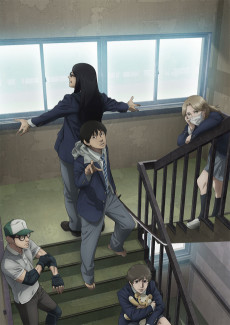








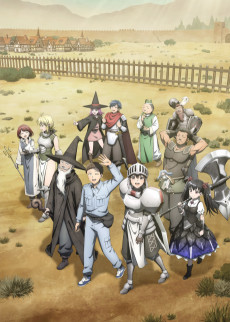


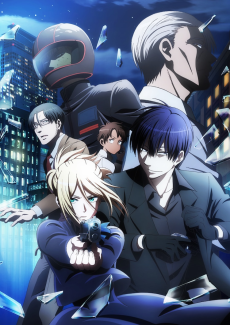







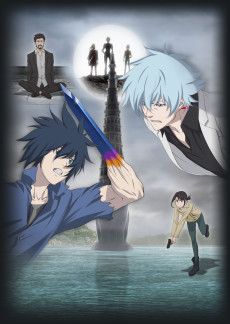

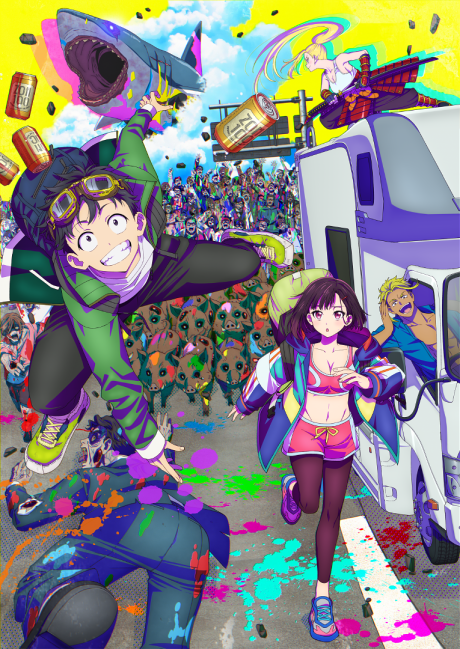



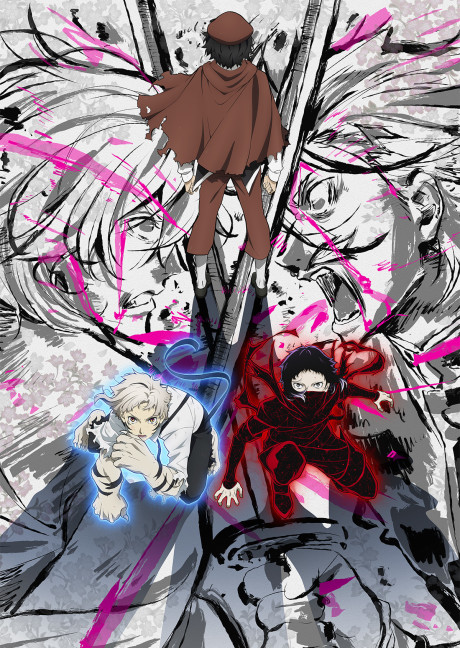
Match Dimensions Explained
❓Frequently Asked Questions
Why is The World God Only Knows II recommended for Sam & Max Episode 103 fans?
Because both lean hard into absurdist detective work wrapped in sharp parody—like Keima Katsuragi solving bizarre 'mysteries' involving delusional girls while Sam & Max interrogate a sentient meatball at Ted E. Bear’s Casino. The match score of 83 highlights how tightly their Mystery & Detective + Comedy & Parody dimensions align, especially in scenes where logic bends to serve punchlines and plot twists.
Is there an anime adaptation of Sam & Max Episode 103: The Mole, the Mob and the Meatball?
No—there’s never been an official anime adaptation of *any* Sam & Max episode, including 103. The closest you’ll get are anime like *Hentai Prince & the Stony Cat* (score 82), which mirrors its tone: think Yōto’s over-the-top 'investigations' into supernatural rumors at school, complete with deadpan narration and sudden mob-style confrontations—very much like Sam & Max’s casino infiltration gone sideways.
How does Ranma 1/2 (2024) compare to Sam & Max 103 in terms of humor and mystery?
Both weaponize chaos as narrative fuel: Ranma’s cursed transformations trigger escalating farce (e.g., the 'Nabiki’s blackmail ledger' arc), just like Sam & Max’s meatball-based evidence trail unraveling a mob cover-up. With identical 82 scores in Mystery & Detective + Comedy & Parody, they share that same rhythm—clues disguised as nonsense, stakes buried under slapstick, and villains who monologue while holding suspiciously themed props.
What’s the best anime like Sam & Max 103 if I want something dark but still funny and brainy?
Go straight to *Owarimonogatari* (score 81)—it nails that rare blend: Araragi’s sardonic voiceover dissecting supernatural 'cases' feels like Max narrating a crime scene, while the layered mysteries (like the 'Koyomi's memory gaps') mirror the mole-infiltration tension. It’s not cartoony like Sam & Max, but the Adult & Dark Seinen + Mystery & Detective combo delivers the same intellectual whiplash and dry wit.