
Princess Tutu
In a fairy tale come to life, the clumsy, sweet, and gentle Ahiru (Japanese for 'duck') seems like an unlikely protagonist. In reality, Ahiru is just as magical as the talking cats and crocodiles that inhabit her town - for Ahiru really is a duck! Transformed by the mysterious Drosselmeyer into a human girl, Ahiru soon learns the reason for her existence. Using her magical egg-shaped pendant, Ahiru can transform into Princess Tutu - a beautiful and talented ballet dancer whose dances relieve people of the turmoil in their hearts. With her newfound ability, Ahiru accepts the challenge of collecting the lost shards of her prince's heart, for long ago he had shattered it in order to seal an evil raven away for all eternity.
Princess Tutu is a tale of heroes and their struggle against fate. Their beliefs, their feelings, and ultimately their actions will determine whether this fairy tale can reach its "happily ever after."
Note: Princess Tutu aired in two parts. The first part included 13 25-minute-long episodes, while the second part consisted of 24 12-minute-long episodes with a 25-minute-long final episode for a total of 38 episodes.
📺Anime Details
📝Editorial Analysis
The first time Ahiru leaps—not as Tutu, but as herself, barefoot on rain-slicked cobblestones, arms flailing, duck wings instinctively twitching beneath her sleeves—the world doesn’t laugh. It holds its breath. Her stumble isn’t failure—it’s the raw, trembling edge of becoming: a creature caught between form and feeling, word and wound, story and self. That moment isn’t choreographed. It’s human, even as she’s not human at all.
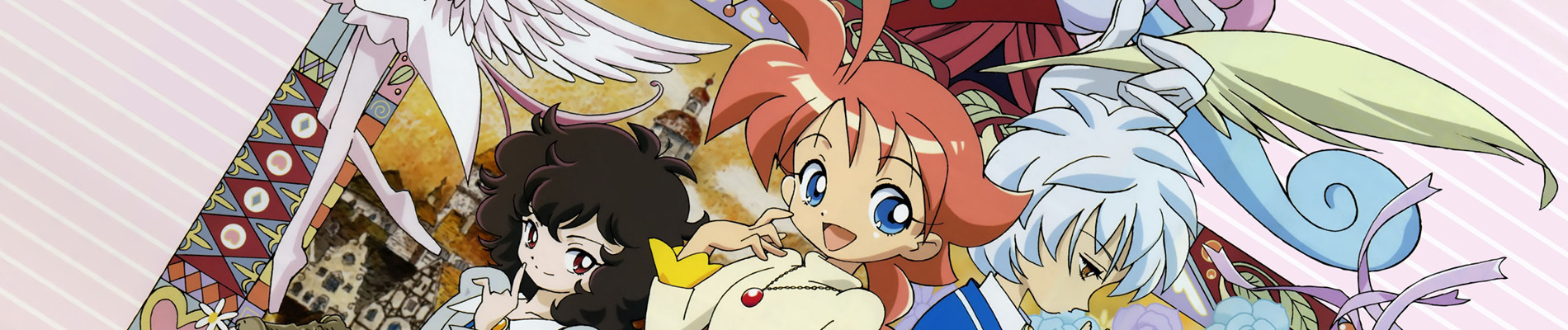
What makes Princess Tutu ache so deeply isn’t its ballet or its magic—it’s the unbearable weight of intention. Every pirouette is a plea. Every whispered line of Drosselmeyer’s manuscript isn’t exposition; it’s fate pressing down like velvet-lined iron. You don’t watch it—you lean in, heart tight, because this is storytelling that treats emotion as physics: love bends time, sorrow fractures reality, unrequited love doesn’t just hurt—it rewrites the laws of the world. It’s tender, yes—but tender like exposed nerve endings. Like watching someone try to stitch their own heart back together with thread made of hope and footnotes.
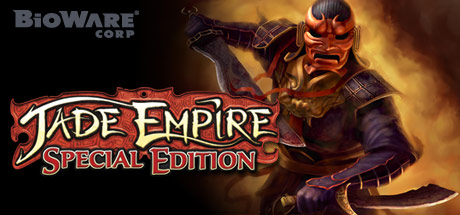
That emotional DNA pulses strongest in Jade Empire™: Special Edition, where myth isn’t backdrop—it’s breath. Its “Emotional Narrative” and “Romance & Shoujo” dimensions mirror Princess Tutu’s core tension: identity forged through choice, not destiny. The player doesn’t just pick a martial path—they choose how to hold love, grief, loyalty—as Ahiru chooses, again and again, to dance for Mytho even when he cannot remember her name. A player review calls it “fantastic,” but what lingers isn’t the combat—it’s the quiet weight of dialogue choices that echo Ahiru’s own agonizing restraint: to speak or stay silent, to reveal or protect, to love knowing you may be erased from the story entirely.
Then there’s Prince of Persia, whose “Romance & Shoujo” dimension and “Comedy & Parody” layer feel like a distant, sunlit cousin to Princess Tutu’s melancholy wit. Its description promises “a brand new story completely separate from the sands”—a deliberate break from inherited narrative, much like Ahiru’s rebellion against Drosselmeyer’s script. The prince doesn’t inherit a legend—he re-narrates it, mid-fall, mid-leap, mid-dance across crumbling walls. That same playful defiance lives in Ahiru’s clumsy hops between duck and girl, in the way she misquotes fairy tales to soften tragedy. It’s not irony—it’s tenderness wearing a mask of levity, just as the game’s charm masks its own quiet reckoning with loss and legacy.
And though it seems worlds away, The Sims™ 4 resonates in its most fragile, intimate dimension: “Romance & Shoujo.” Not through plot—but through presence. Its description invites you to “Play with life and discover the possibilities”—exactly what Princess Tutu does when Ahiru insists on naming her own feelings, when she arranges tiny flowers on Mytho’s windowsill despite knowing he’ll forget them by dawn. A player review complains TS4 is “no fun without DLC,” but what matters here is the gesture: the act of arranging, caring, choosing how to love within systems that weren’t built for softness. Like Ahiru dancing alone in an empty studio—not for an audience, not for a script—but because movement is the only language her heart trusts.
These pairings aren’t for fans of “pretty girls with powers” or “mythology games.” They’re for the person who cries when a character folds a letter they’ll never send. For the one who replays a quiet conversation three times, listening for the tremor in the voice. For the writer who keeps a notebook full of half-sentences and unsent letters—and who understands that unrequited love isn’t a trope, it’s a lens. It’s for anyone who’s ever stood at the edge of a story they didn’t write, held their breath, and danced anyway.
🎮95 Games That Match the Vibe



















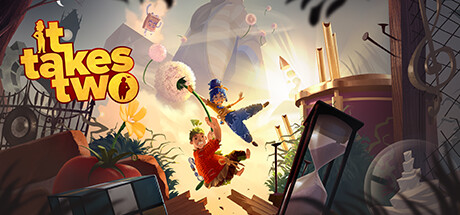
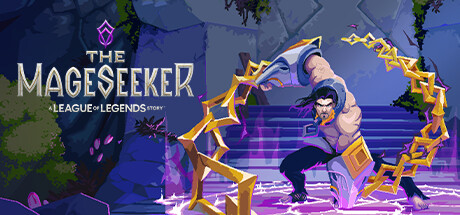

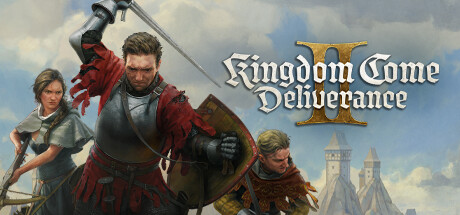



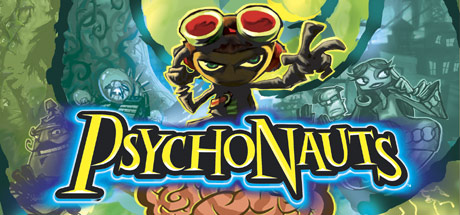




Match Dimensions Explained
❓Frequently Asked Questions
Why is Prince of Persia listed as similar to Princess Tutu when it’s an action platformer?
Great question—it’s not about gameplay, but the *romantic, theatrical storytelling* and self-aware, almost balletic grace in the Prince’s movements and dialogue. Like Princess Tutu, it leans into shoujo-adjacent romance (especially with Elika), uses visual metaphor heavily (e.g., light vs. darkness mirroring inner transformation), and frames its hero’s journey as a poetic, emotionally charged performance—right down to how the camera lingers on gestures and glances.
Is there a Princess Tutu video game adaptation?
No—there’s never been an official Princess Tutu game. The closest you’ll get are titles that echo its core DNA: mythic transformation, emotional intimacy, and dance-as-metaphor. Jade Empire™ fits best here—its open-palm/closed-fist moral path mirrors Ahiru’s dual identity, and its romance subplots (like with Dawn Star) unfold with the same delicate, yearning tone as Tutu’s relationships.
How does Jade Empire compare to The Sims 4 for Princess Tutu vibes?
Jade Empire gives you *structured narrative poetry*—think Ahiru’s solo dances interpreted as martial arts forms, or heartfelt confessions during quiet temple scenes—while The Sims 4 only offers *unstructured possibility*: you could roleplay a shy duck-turned-ballerina with custom outfits and relationship goals, but it lacks Tutu’s thematic cohesion or story-driven metamorphosis. One’s a scripted ballet; the other’s an empty stage waiting for your script.
What’s the best game like Princess Tutu if I want that wistful, bittersweet fairy-tale mood?
Jade Empire™ is your strongest match—its ‘Emotional Narrative’ and ‘Romance & Shoujo’ dimensions hit that exact tone: moments like the final confrontation with Master Li, where choices reshape not just the world but your character’s very soul, feel as tender and tragic as Ahiru’s sacrifices. Even the player review nods to its emotional weight, calling it ‘fantastic’ despite technical hiccups—just like Tutu’s beauty shines through its handmade, imperfect charm.