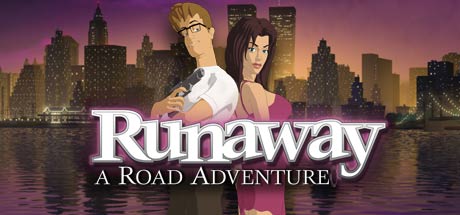
Runaway, A Road Adventure
New York, 2000......Without knowing how or why, Brian, a student on the verge of graduating from college, is attacked by Mafia gangsters. During his desperate getaway, in the company of a mysterious striptease dancer, he ends up meeting a wide range of unusual characters.
🎮Game Details
💬What Players Say
"Outdated today, but being a point and click game when I was young, it was definitely one of my favourite ones. BUT this one is broken, the original needed multiple CD roms, because of that the game was programmed around that. Today we do not need it, it makes the porting hard and the team did not make a good job on it."
📝Editorial Analysis
The screech of tires on wet asphalt in New York, 2000 — not cinematic, not polished, but gritty, slightly off-kilter, like the CD-ROM skipping mid-sentence because the disc’s scratched and you’re holding your breath waiting for Brian to duck into that alley before the mobsters round the corner. That’s the feeling: urgent, unsteady, laced with adolescent panic and the low hum of a world that hasn’t quite decided whether it’s absurd or dangerous — just alive in its awkwardness. You’re not saving the world. You’re a student on the verge of graduating, suddenly shoved into a chase with a striptease dancer whose motives flicker like a dying fluorescent bulb above a bodega. The official description doesn’t call it surreal — it calls it real: “without knowing how or why,” “desperate getaway,” “wide range of unusual characters.” And the player review nails the texture: “broken,” “needed multiple CD roms,” “definitely one of my favourite ones” — not despite the jank, but because it made the stakes feel tactile, fragile, human.
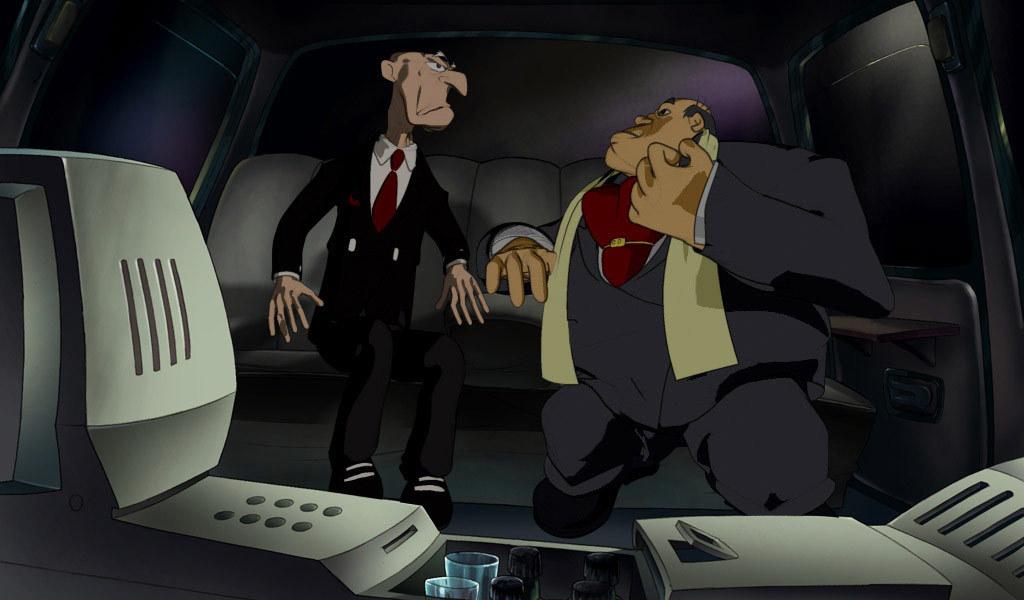

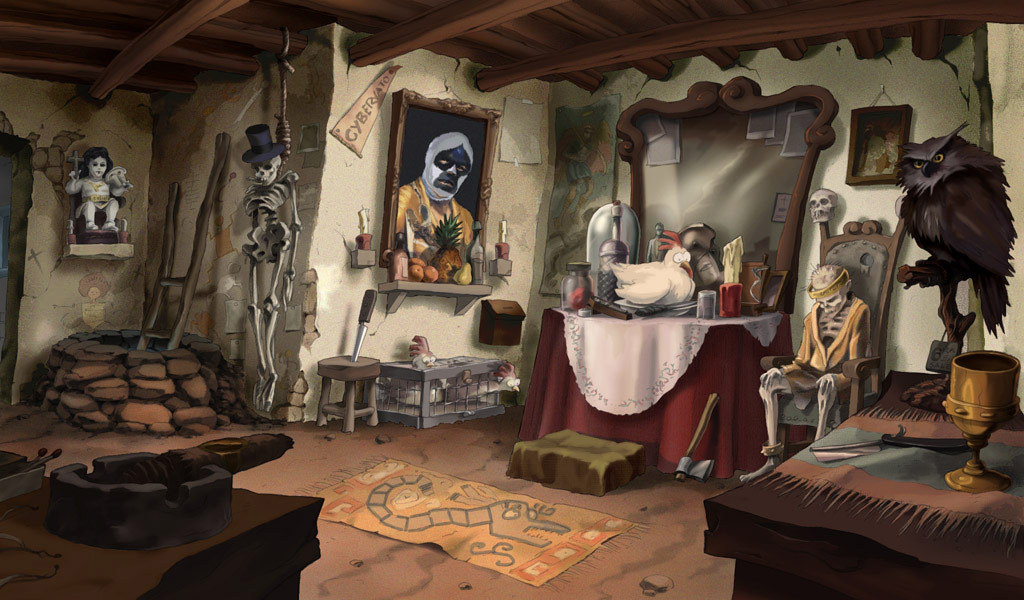
This isn’t noir coolness or pulp swagger. It’s clumsy momentum. You feel the weight of wrong turns, the slight lag in dialogue triggers, the way a joke lands a beat too late — and somehow, that delay makes it funnier, more honest. It’s the emotional equivalent of cramming a map into your coat pocket while running, glancing sideways at someone who might be helping you or setting you up. There’s no grand mythos, no lore dump — just cause-and-effect stumbling forward, held together by charm, timing, and the quiet thrill of figuring it out. It makes you nostalgic not for perfection, but for the warmth of imperfection: the shared glance between player and screen when the game stutters, and you both shrug and keep going. It’s earnest, off-balance, and weirdly tender — like trusting a stranger because the alternative is standing still in the rain.
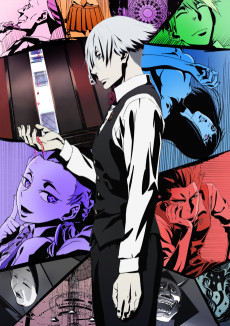
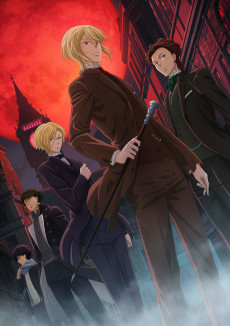
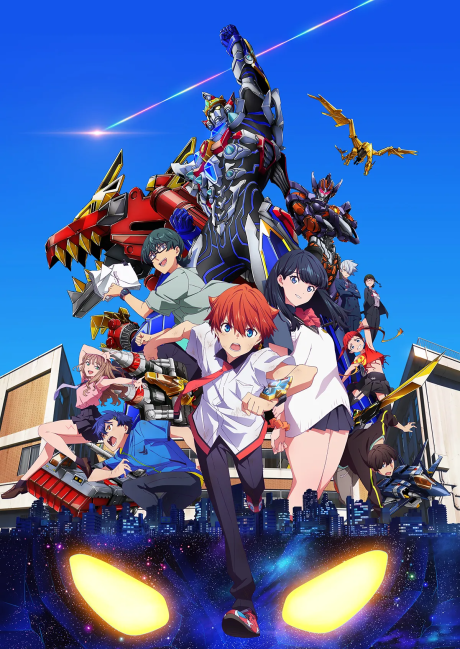
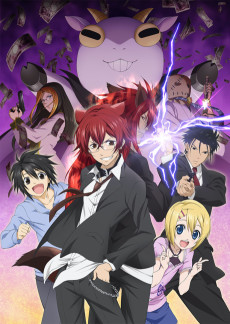
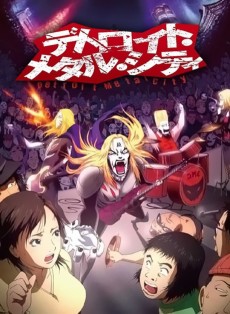
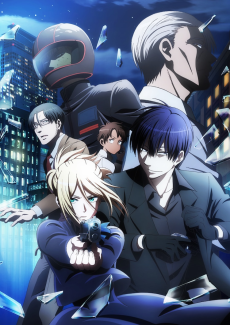
The World God Only Knows II resonates because it shares that same fractured sincerity: Keima’s hyper-literate detective work on teenage emotions mirrors Brian’s frantic, improvised sleuthing — both are outsiders decoding social codes they barely understand, using whatever tools (logic, charm, sheer desperation) are within reach. The “Mystery & Detective” dimension isn’t about solving murders — it’s about reading people in real time, misreading them hilariously, then recalibrating on the fly. And the “Comedy & Parody” isn’t slapstick; it’s tonal whiplash — one moment tense, the next absurd — exactly like Brian ducking behind a trash can while his companion nonchalantly adjusts her glove.
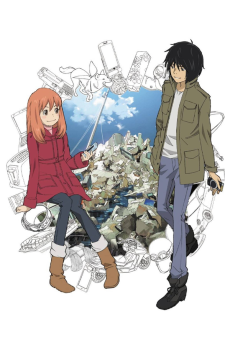
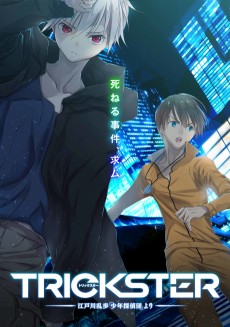
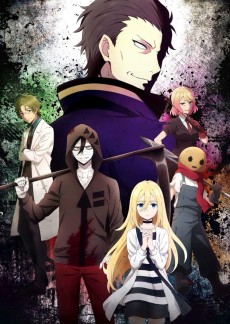
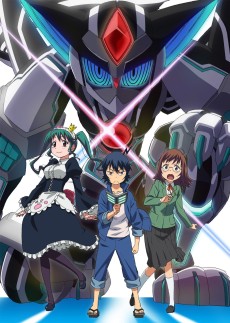
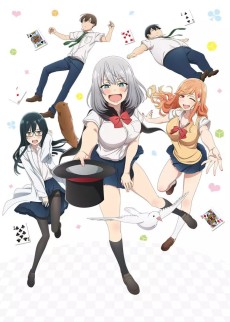
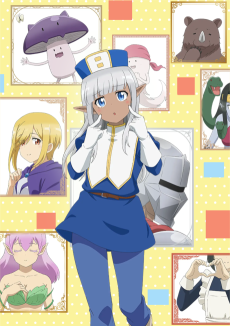
Hentai Prince & the Stony Cat pulses with the same nervous energy: Yuu’s transformation from shut-in to reluctant investigator isn’t heroic — it’s fumbling, self-conscious, deeply tied to identity and performance. Like Brian fleeing gangsters while trying to remember if he locked his dorm door, Yuu navigates mysteries that live in the gap between what he says and what he means — and the comedy arises from that dissonance being visible, relatable, never smoothed over. Both lean into “Mystery & Detective” as emotional archaeology, and “Comedy & Parody” as the gentle, affectionate mockery of growing up in public.
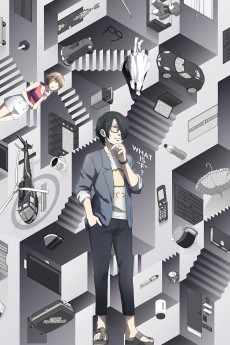
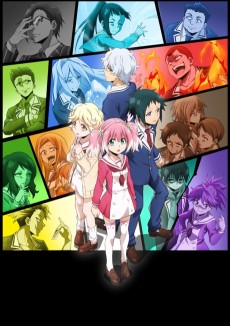
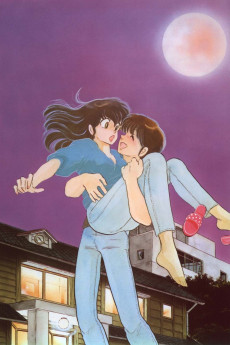
Ranma1/2 (2024) — yes, that Ranma — carries the same DNA in its physical comedy-as-logic: every punch, every accidental gender switch, every chaotic family dinner isn’t just chaos for chaos’ sake. It’s cause-and-effect spun at high velocity, where the mystery is “who am I right now?” and the parody lives in how seriously everyone takes the ridiculous. Brian’s road trip feels like that — less a plot and more a series of escalating, character-driven domino falls, where the “unusual characters” aren’t set dressing, but emotional mirrors and narrative accelerants.
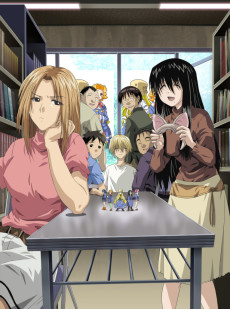
This pairing sings for the person who watches Sailor Moon’s transformation sequences not just for the glitter, but for the pause — that half-second where Usagi’s expression shifts from panic to resolve, messy and real. It’s for the player who still remembers blowing dust off a CD case, swapping discs with impatient hope, because the story mattered enough to endure the friction. Not the collector, not the completionist — the lingerer: the one who savors the awkward pause before a punchline lands, the stumble before the kiss, the moment the road curves and you don’t know who’s waiting — but you turn anyway.
→141 Anime That Match the Vibe

Layered mysteries that reward attention — every detail matters, and the truth is never simple.
Layered mysteries that reward attention — every detail matters, and the truth is never simple.

Layered mysteries that reward attention — every detail matters, and the truth is never simple.

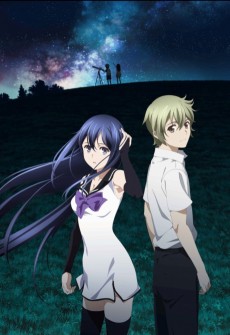
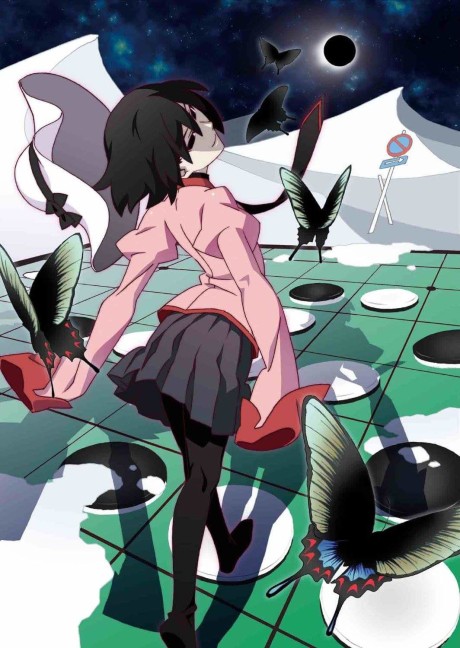
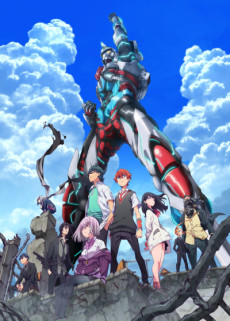
Brian’s frantic taxi chase through neon-drenched New York alleys mirrors Katsuragi’s flustered, logic-defying “conquest” of Haqua—where every misstep spirals into absurdist comedy. Unlike most supernatural rom-coms, *The World God Only Knows II* leans hard into detective parody, mirroring *Runaway*’s noir-tinged mystery as both hinge on clue-hunting amid chaotic romantic entanglements. That shared tension—between genuine stakes and relentless, self-aware humor—makes their resonance unexpectedly sharp.
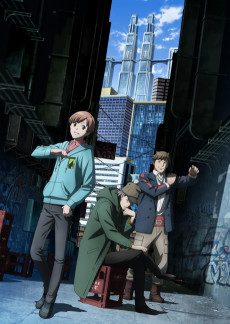
Layered mysteries that reward attention — every detail matters, and the truth is never simple.

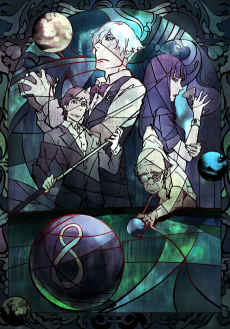
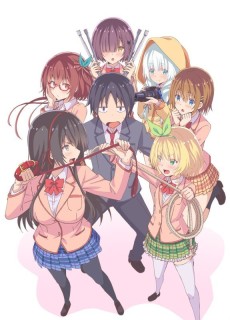
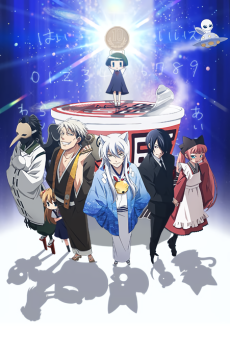
Brian’s breathless alleyway sprint past neon-lit bodegas mirrors Youto’s frantic dash to the Stony Cat shrine—both propelled by absurd, high-stakes misunderstandings. Where *Runaway* parodies noir tropes with slapstick chases and a sardonic voiceover, *Hentai Prince* weaponizes romantic misdirection and self-aware pervert logic to dissect desire itself. Their shared **Comedy & Parody** dimension thrives on escalating farce rooted in sincere emotional vulnerability: one man running from mobsters, another begging a cat statue to erase his libido—neither escape their own ridiculous humanity.

Layered mysteries that reward attention — every detail matters, and the truth is never simple.
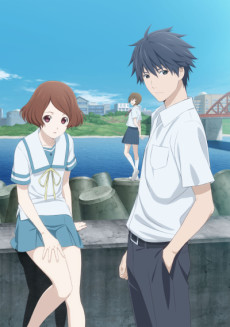
Layered mysteries that reward attention — every detail matters, and the truth is never simple.

Layered mysteries that reward attention — every detail matters, and the truth is never simple.

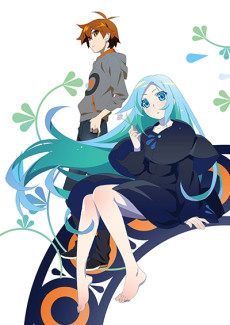
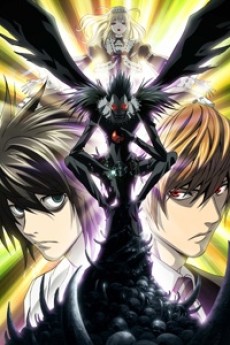
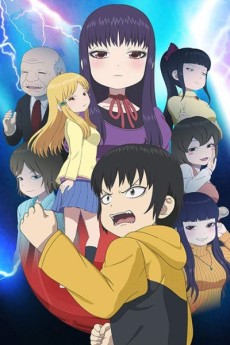
A frantic chase through neon-drenched alleyways—Brian sprinting past flickering bodega signs in *Runaway*—echoes Ranma’s slapstick rooftop scrambles in the 2024 anime’s opening episode, where his curse-triggered gender shifts derail a serious dojo confrontation. Unlike most comedy-adventures, both weaponize **Mystery & Detective** tropes not for resolution but misdirection: Brian’s amnesia mirrors Ranma’s obscured backstory, while Akane’s suspicion of his “lies” mirrors the player’s fragmented clues. That shared refusal to clarify—prioritizing chaotic charm over exposition—makes their tonal kinship unexpectedly sharp.














































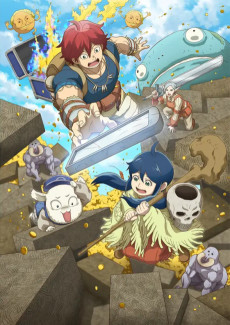

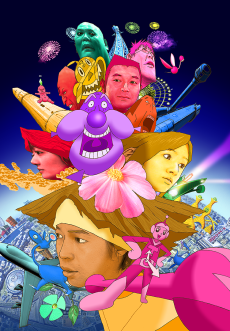


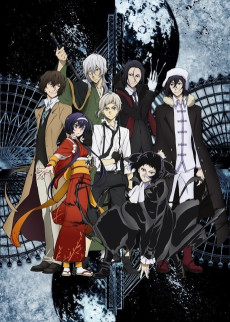

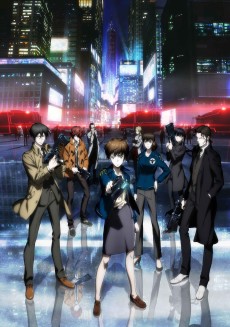








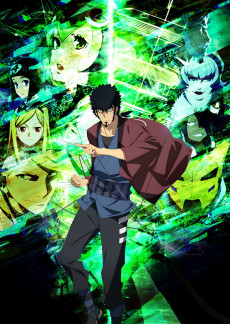

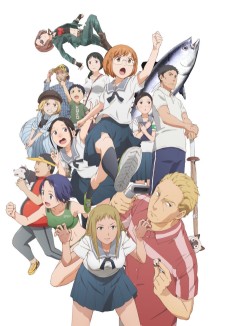

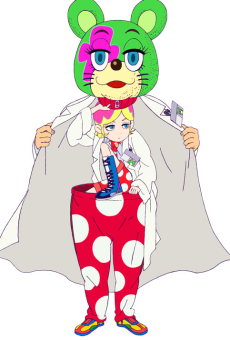



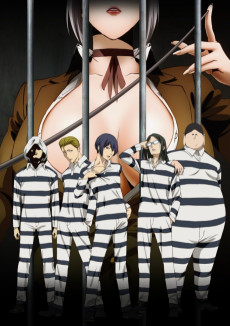



Match Dimensions Explained
❓Frequently Asked Questions
Why is The World God Only Knows II recommended for fans of Runaway: A Road Adventure?
Because both hinge on a sharp-witted, slightly overwhelmed male lead—Keima Katsuragi in TWGOK II, Brian in Runaway—who stumbles into chaotic, high-stakes mysteries while navigating eccentric side characters (like Elsie or the stripper-turned-ally Luna). The point-and-click pacing translates to TWGOK II’s episodic 'capture the heart' detective work, where clue-hunting and comedic timing matter more than brute force.
Is there an anime adaptation of Runaway: A Road Adventure?
No—Runaway is strictly a point-and-click adventure game series with no anime adaptation. But if you love its blend of New York noir-lite mystery and offbeat comedy, Sailor Moon nails that same energy: Usagi’s bumbling yet pivotal role in solving supernatural cases (like the Dark Kingdom arc) mirrors Brian’s accidental sleuthing, complete with sudden allies, mistaken identities, and over-the-top villains.
How does Ranma 1/2 (2024) compare to Runaway: A Road Adventure?
Both throw their leads into absurd, escalating chaos—Ranma’s cursed gender-switching triggers domino-effect misunderstandings across Nerima, just like Brian’s botched getaway spirals into mafia chases, strip club detours, and cryptic encounters with Luna. The 2024 remake even keeps the original’s visual gags and rapid-fire banter, echoing Runaway’s tone where danger and slapstick share the same scene.
What’s the best anime like Runaway for when I want that ‘desperate road trip with weirdos’ vibe?
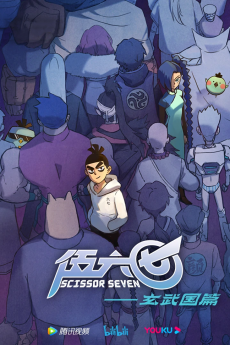
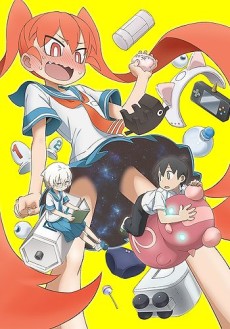
Scissor Seven Season 3—it’s got that exact feeling: Seven’s cross-China misadventures with a talking sword, a paranoid assassin, and a constantly shifting identity mirror Brian’s NYC flight with Luna and the mob hot on his heels. Every episode drops him into a new bizarre locale (a desert inn, a floating casino), just like Runaway’s CD-based chapter jumps between subway tunnels, dive bars, and abandoned warehouses.