
The Invisible Man and His Soon-to-Be Wife
📺Anime Details
📝Editorial Analysis
Rain taps the windowpane of a quiet Tokyo apartment—soft, insistent, like a thought returning after being gently set aside. She sits at the low table, steaming mug cradled between both hands, watching the steam curl and vanish. He’s not there, not visibly—but she tilts her head just so, and smiles. A pause. A breath held—not in tension, but in quiet recognition. That’s the heartbeat of The Invisible Man and His Soon-to-Be Wife: intimacy measured not in proximity, but in presence—the kind you feel in the space beside you, in the shift of air before a laugh, in the way an office lady adjusts her sleeve knowing his fingers are brushing her wrist, even if no one else sees it.
This isn’t fantasy as spectacle. It’s fantasy as tenderness. The urban setting doesn’t pulse with neon urgency—it hums with the low thrum of shared routines: commute schedules synced without words, grocery bags passed hand-to-hand that never quite touch, tea poured for two cups when only one is visible. The kemonomimi detail isn’t decorative—it’s softness made visible, a quiet marker of difference folded into daily life, not exoticized. Disability isn’t framed as limitation, but as recalibration—of attention, of trust, of how love learns to navigate absence as presence. It’s iyashikei not because it soothes, but because it settles—like dust motes catching light in still air. You don’t watch it to escape. You watch it to remember how deeply ordinary moments can hold weight, how silence can be full, how care becomes visible precisely because someone is unseen.
VA-11 Hall-A: Cyberpunk Bartender Action shares that same hushed gravity. Its description names “Mystery & Detective” and “Romance & Shoujo”—but what binds it to the anime isn’t plot mechanics, it’s how those elements breathe. Like the invisible man’s wife reading the room before he speaks, VA-11 Hall-A asks you to listen—not just to dialogue, but to hesitation, to the weight behind a sip of synth-whiskey, to the way a client’s posture shifts when they mention their sister’s name. Player reviews don’t praise combat or lore dumps; they linger on emotional resonance—the bartender remembering a regular’s order and their unspoken grief. That’s the same rhythm: slow, observant, emotionally precise.
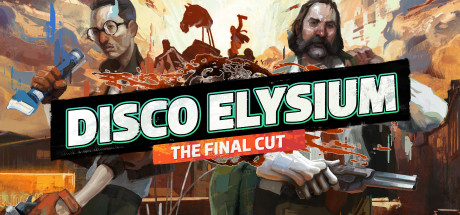
Then there’s Disco Elysium - The Final Cut, where the description calls it “a groundbreaking role playing game” anchored in “a detective with a unique skill system” and “a whole city to carve your path across.” But the player review quoted isn’t about systems—it’s about irony, about capital, about critique folding back on itself. That intellectual tenderness mirrors the anime’s quiet subversion: a supernatural premise used not for power fantasies, but to examine how visibility—and invisibility—shape dignity, labor, consent. Both ask: What does it mean to be seen, truly, in a world built to overlook? Not through grand speeches, but through the texture of a worn coat, the timing of a shared glance, the way a detective’s internal monologue stumbles over kindness like it’s unfamiliar terrain.
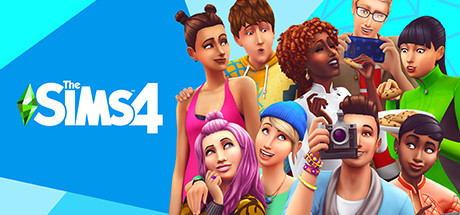
Even The Sims™ 4, despite the player review’s frustration with DLC walls and bugs, carries the same DNA in its core promise: “Play with life and discover the possibilities… customize every detail from Sims to homes.” That impulse—to build domesticity, to rehearse care, to stage quiet rituals of belonging—is kin to the anime’s central act: choosing together, day after day, in a world that doesn’t design for them. The review complains about broken systems—but the longing beneath it? That’s the same ache the anime answers: the desire for a space where love isn’t performative, but practiced, patiently, repeatedly, in the interstices of ordinary time.
This pairing sings to the person who cries at grocery lists, who saves voicemails just to hear the cadence of a loved one’s voice, who finds romance in the way someone remembers how you take your coffee before you ask. It’s for the reader who underlines sentences about light falling across a floorboard, the player who reloads a save not to win—but to get the tone of a conversation just right. Not escapists. Attenders. People who know that the most radical thing in any universe is to choose, again and again, to be here, with this person, in this quiet light.
🎮54 Games That Match the Vibe



















Match Dimensions Explained
❓Frequently Asked Questions
Why is Prince of Persia listed as similar to The Invisible Man and His Soon-to-Be Wife when it’s an action platformer?
Great question—it’s not about combat or platforming! The match hinges on shared emotional dimensions: both lean into ‘Romance & Shoujo’ with slow-burn, emotionally charged relationships (like the Prince’s tender, morally ambiguous bond with Elika in the 2008 reboot), and ‘Adult & Dark Seinen’ through themes of sacrifice, identity, and forbidden love—mirroring the tension between visibility, duty, and intimacy in the original story.
Is there a video game adaptation of The Invisible Man and His Soon-to-Be Wife?
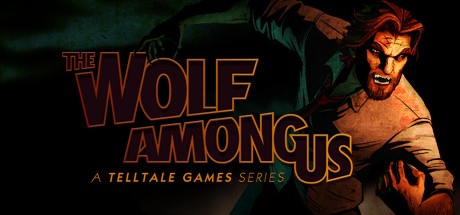
No—there isn’t a direct adaptation. But games like Disco Elysium and The Wolf Among Us capture its core vibe: morally gray romance entangled with mystery and adult stakes. In Disco Elysium, your detective’s fractured psyche and evolving relationships (like with Sylvia or Joyce) echo the psychological weight and quiet yearning of the original; meanwhile, The Wolf Among Us mirrors its noir-tinged domestic tension—Bigby’s guarded vulnerability and fragile trust-building with Snow White feel like spiritual cousins to the invisible man’s hidden self and hesitant courtship.
How does VA-11 Hall-A compare to The Wolf Among Us for fans of The Invisible Man and His Soon-to-Be Wife?
Both nail that intimate, dialogue-driven tension—but VA-11 Hall-A leans into ‘Healing & Slow Life’ + ‘Romance & Shoujo’ through quiet bar-side confessions (like Jill serving drinks while unraveling Dorothy’s loneliness or Betty’s quiet longing), whereas The Wolf Among Us amps up ‘Mystery & Detective’ + ‘Adult & Dark Seinen’ with gritty choices (e.g., deciding whether to protect Snow or expose her secrets). If you loved the emotional restraint and unspoken chemistry of the original, VA-11 Hall-A’s gentle pacing and character depth might hit harder—but if you craved its moral ambiguity and atmospheric dread, Bigby’s world delivers.
What’s the best game like The Invisible Man and His Soon-to-Be Wife if I want something soothing but still romantic and thoughtful?
Go straight to The Sims™ 4—especially with custom storytelling mods or base-game relationship building. It’s got the highest ‘Healing & Slow Life’ + ‘Romance & Shoujo’ score (tied with Prince of Persia at 85), and lets you craft quiet, meaningful moments: think slow-dancing in a sunlit living room, sharing coffee at dawn, or navigating relationship quirks without high stakes—just like the original’s focus on presence, vulnerability, and everyday intimacy. (Yes, the DLC bloat is real—but even vanilla lets you build that tender, grounded dynamic.)