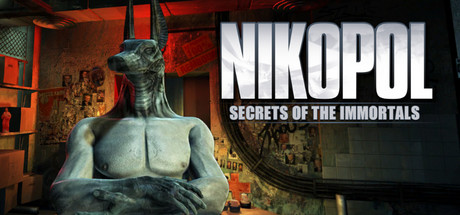
Nikopol: Secrets of the Immortals
Nikopol is a first-person dystopian point-and-click sci-fi adventure game. In 2023 France is ruled by an iron-fist religious dictatorship. A mysterious pyramid ship suddenly appears above Paris. Begin to unravel a conspiracy involving the government, your missing father, and Egyptian Gods.
🎮Game Details
💬What Players Say
"It's a pretty good adventure game. The story is interesting and the whole cyberpunk atmosphere gives it a nice vibe. The animations and cutscenes enhance the experience a bit more and the puzzles are decent."
📝Editorial Analysis
The first time you stand beneath that pyramid ship—hovering, silent, impossibly ancient above a rain-slicked, neon-bleeding Paris—you don’t hear music. You hear the low, subsonic thrum of something older than dogma, vibrating up through cracked pavement into your boots. The air smells like ozone and burnt incense, and the streetlights flicker in time with distant, distorted chants piped from government loudspeakers. This isn’t sci-fi spectacle—it’s dread with a theology. The official description nails it: 2023 France under an iron-fist religious dictatorship, your father missing, Egyptian gods not as myth but as active, inscrutable forces in the machinery of control. A player review calls it “cyberpunk atmosphere”—yes—but what lingers is how that cyberpunk isn’t about chrome or datastreams alone. It’s about faith weaponized, scripture wired into surveillance grids, hieroglyphs glowing on cracked tablet screens beside propaganda slogans.
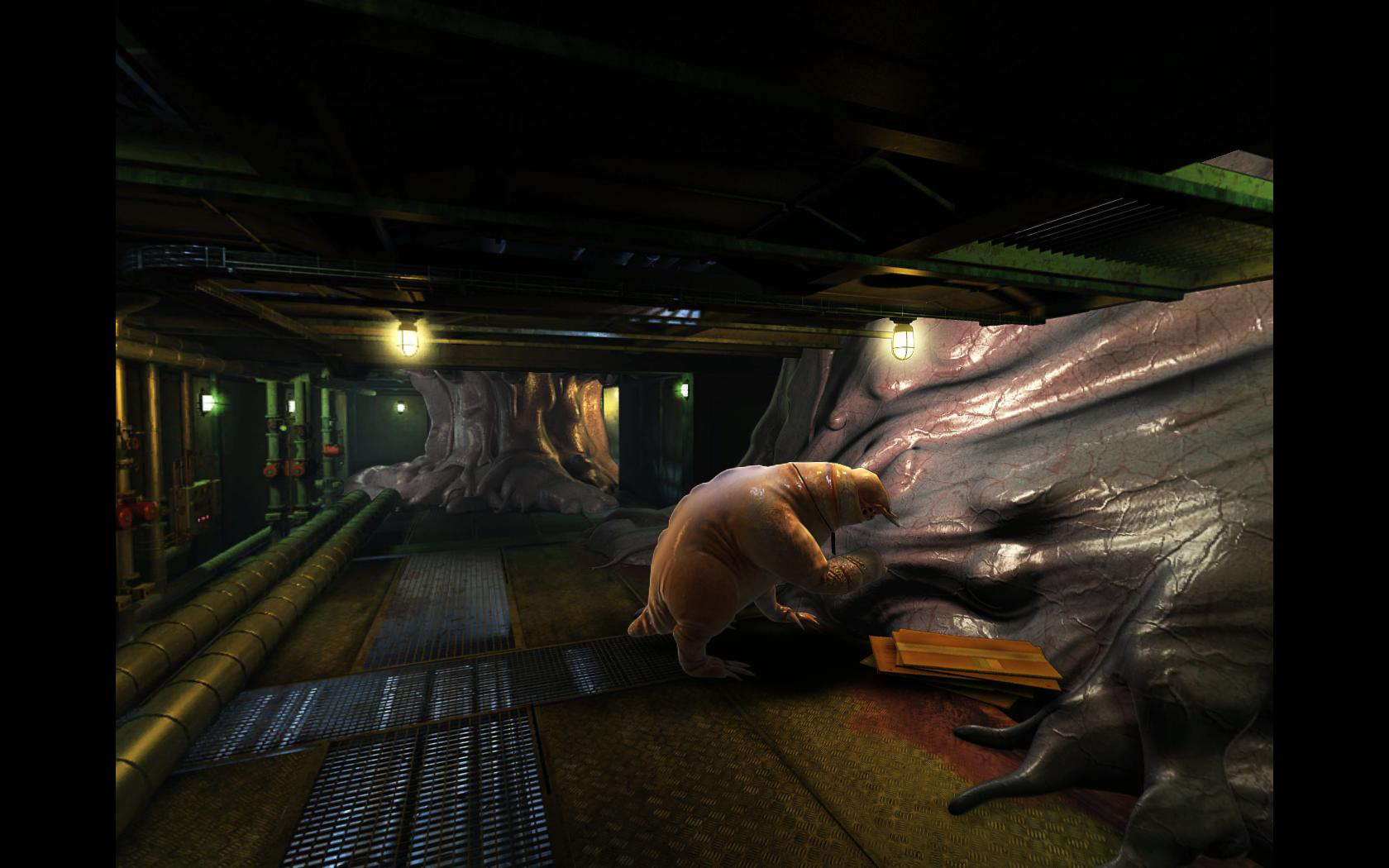
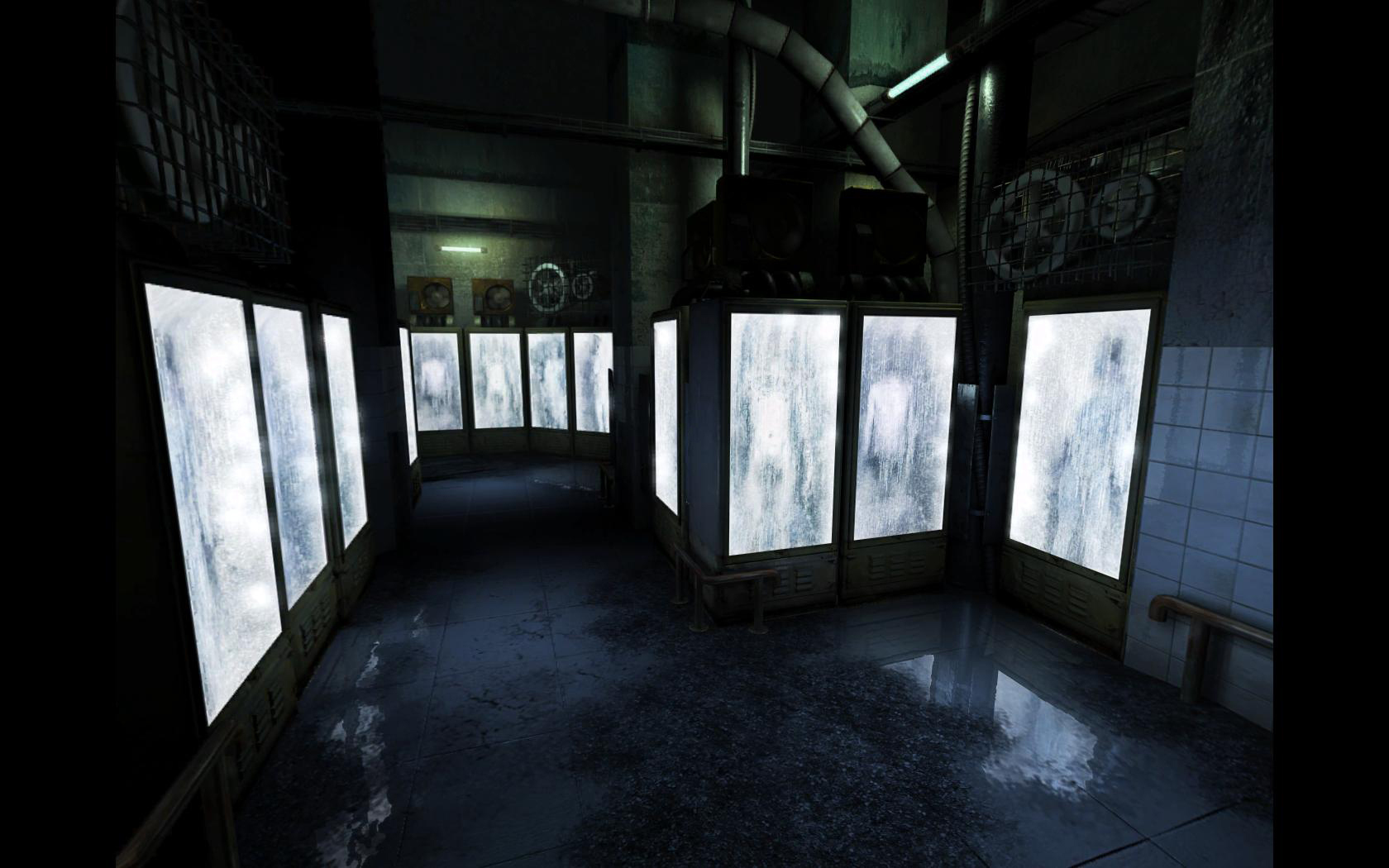
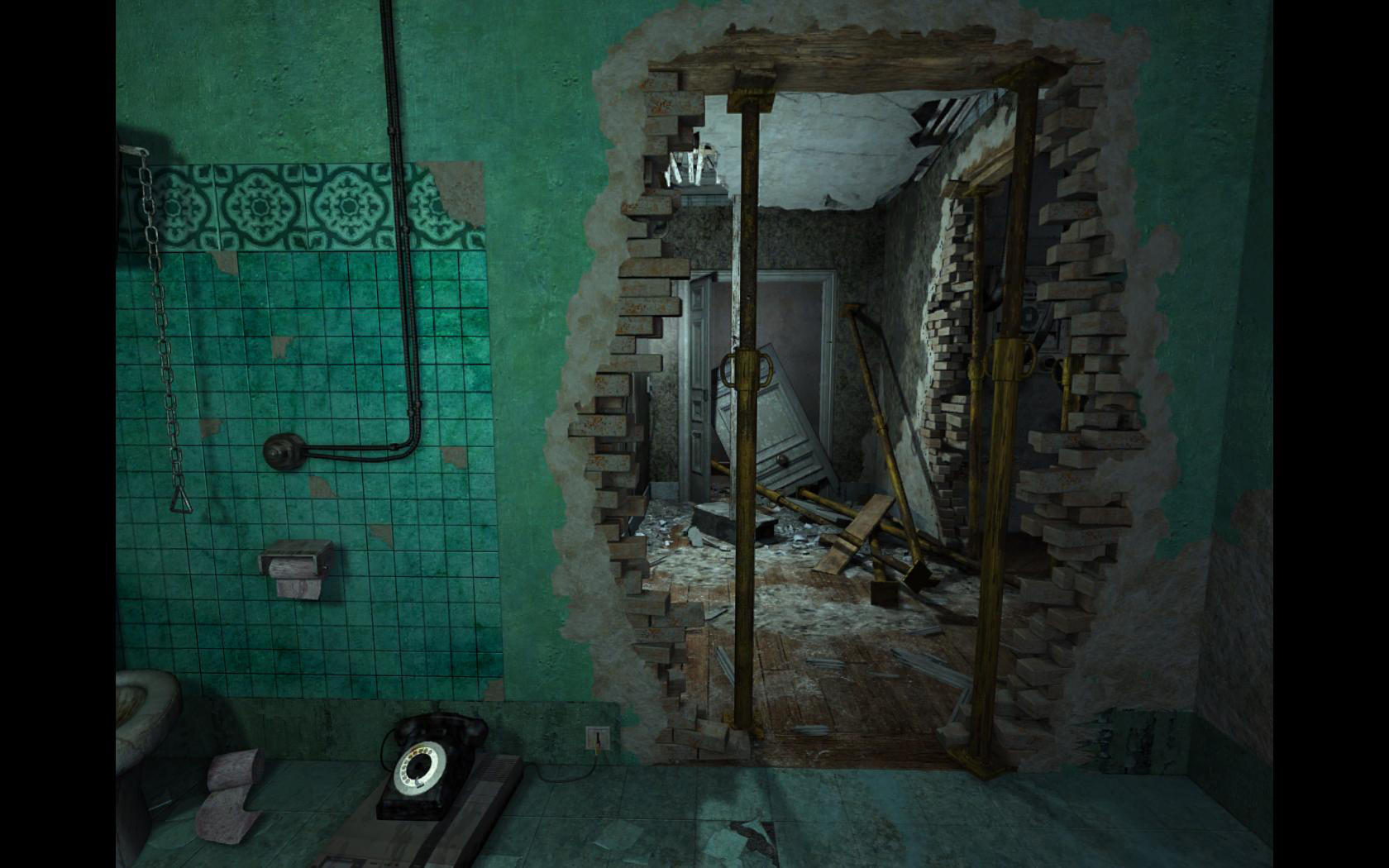
That atmosphere doesn’t just feel oppressive—it feels ritualistic. Every locked door, every fragmented log entry, every flickering hologram of a state-sanctioned priest reciting psalms over drone footage of dissenters—it all hums with the same quiet, grinding weight of inevitability. You’re not hacking systems; you’re deciphering liturgy. Not solving puzzles for loot, but for context: why does the Ministry of Divine Order archive contain grainy footage of Anubis-shaped drones patrolling the Seine? Why do prayer beads vibrate when held near certain glyphs? The game makes you feel like an archaeologist digging through a civilization that’s still alive—and actively burying you. It’s heavy, yes—but also intimate, because the conspiracy isn’t abstract. It’s personal. Your father didn’t vanish into bureaucracy—he vanished into mythology made policy. That duality—cold dystopia fused with warm, terrifying mysticism—is the emotional core. It’s not wonder. It’s recognition: the moment you realize the gods aren’t coming—they’ve already moved in, taken seats on the Politburo, and updated their firmware.
Dorohedoro Season 2 shares that exact tonal vertigo: a world where magic and grime are indistinguishable, where body horror isn’t shock—it’s infrastructure. Like Nikopol’s priests who splice sacred geometry into facial recognition algorithms, Dorohedoro’s Hole has sorcerers grafting occult sigils onto rusted vending machines and turning alleyways into digestive tracts. Both treat the supernatural not as escape, but as systemic contamination. The mystery isn’t “who did it?”—it’s “what theology built this sewer?”
Chobits, too, lives in that same uneasy intimacy between faith and function. Its Tokyo isn’t ruled by priests, but by protocols—laws coded into love, ethics embedded in operating systems. When Nikopol’s protagonist finds his father’s journal entries blurred by state censors, then slowly restored via glyph-based decryption, it echoes Chobits’ slow, heartbreaking unmasking of Chi’s core directive: not “obey,” but “worship.” Both ask: what happens when devotion becomes architecture? When your heart’s rhythm syncs to the same server farm that monitors your prayers?
And KOWLOON GENERIC ROMANCE—ah, that one cuts deepest. Its neon-drenched Kowloon isn’t just a setting; it’s a confessional booth with Wi-Fi. Like Nikopol, it frames romance and longing inside rigid, almost liturgical structures—bureaucratic permits for cohabitation, love contracts signed under holographic shrines, affection measured in compliance metrics. Neither work romanticizes rebellion. They ache with the quiet courage of people whispering truths in rooms wired for confession. The emotional DNA isn’t hope or defiance—it’s tenderness persisting in a system designed to sterilize it.
This is for the person who watches a scene of someone tracing a faded mural of Thoth on a subway tunnel wall—not because they believe in gods, but because they recognize the shape of resistance in ritual. For the reader who pauses mid-chapter in The Perfect Insider not to solve the murder, but to re-read the footnote about how the university’s AI chapel calculates penance in real time. For the player who doesn’t rush the Nikopol puzzle where you must align three broken obelisks using audio frequencies pulled from state broadcast static—because the click of alignment sounds exactly like a prayer wheel catching its groove. These aren’t stories about saving the world. They’re about remembering how to kneel—even when the altar’s made of server racks, and the hymns are encrypted.
→205 Anime That Match the Vibe

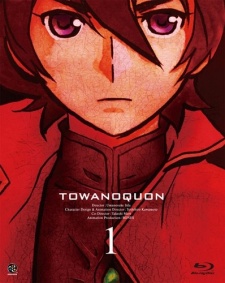
Paris under the pyramid’s shadow feels eerily close to Tokyo’s rain-slicked streets where Hideki first cradles Chi’s fragile, glitching body. Where *Nikopol*’s dystopia weaponizes faith and surveillance, *Chobits* dissects intimacy and autonomy through Persocoms—both use 🌆 Cyberpunk & Dystopia not as backdrop but as moral pressure cooker. That shared tension—between control and tenderness, between systems that dehumanize and individuals who insist on feeling—makes their resonance startlingly intimate, not just aesthetic.

Both dive into neon-soaked futures where technology blurs the line between human and machine.
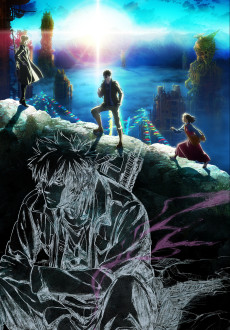
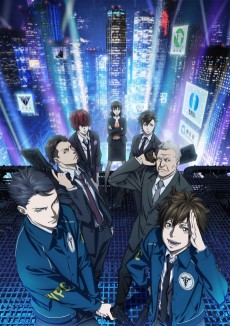
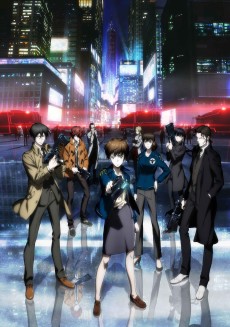
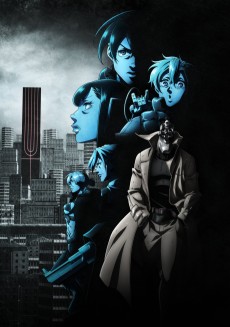
Paris under the pyramid’s shadow feels eerily kin to Kogami’s rain-lashed refugee bus ambush—both trap protagonists in systems where faith and algorithmic control masquerade as salvation. 🌆 Cyberpunk & Dystopia here isn’t just backdrop; it’s the oppressive grammar of power, bending belief, law, and survival into identical shapes. That *Sinners of the System 3* ends not with resolution but quiet moral fracture—mirroring Nikopol’s unresolved descent into the pyramid—makes their resonance unsettlingly precise: dystopia as a condition, not a setting.
Both dive into neon-soaked futures where technology blurs the line between human and machine.

Both dive into neon-soaked futures where technology blurs the line between human and machine.

Paris under the pyramid’s shadow feels eerily kin to Kowloon Walled City’s rain-slicked alleys—both spaces trap memory in decaying architecture. Where Nikopol’s dystopia weaponizes religious dogma to erase dissent, *Kowloon Generic Romance* lets nostalgia curdle into quiet despair amid cramped apartments and flickering neon. Their shared 🌆 Cyberpunk & Dystopia isn’t just aesthetic: it’s structural loneliness—how power calcifies in concrete, and love persists as a whispered, almost illegal act.
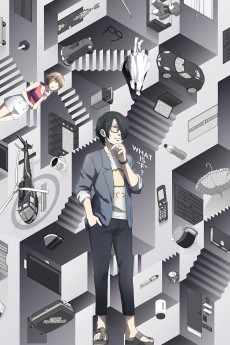
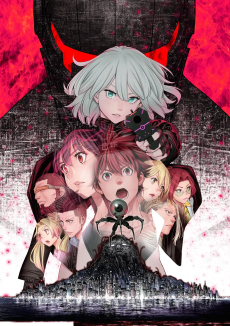
Paris under the shadow of a silent pyramid ship feels eerily kin to the claustrophobic, rain-slicked corridors of the Saikawa Research Lab—both spaces where ideology masquerades as order. Where *Nikopol* weaponizes religious dogma to enforce dystopian control, *The Perfect Insider* dissects how intellectual elitism and cryptographic ritual become equally suffocating forms of power—especially in Moe Nishinosono’s chilling, self-constructed prison of logic. This resonance in 🖤 Adult & Dark Seinen isn’t superficial: both works trap protagonists inside systems they helped build, then force them to dismantle truth from myth with no moral scaffolding left standing.

Paris under the pyramid’s shadow feels like a grim echo of the Hole’s rubble-strewn alleys—both worlds weaponize dystopia as lived texture, not backdrop. Where Nikopol’s detective work parses religious dogma and alien geometry, Dorohedoro S2 deepens Caiman’s body horror pilgrimage through visceral occult bureaucracy, especially in the Cross-Eyes’ warped rituals. This resonance isn’t surface-level grit; it’s how both commit to mystery as architecture—every corridor, cult, or cursed face a deliberate, unsettling puzzle piece.

Paris under the pyramid’s shadow feels eerily kin to London’s fog-choked alleys where Moriarty’s Season 2 dismantles aristocratic hypocrisy—not with lasers, but ledgers and lies. Both weaponize 🕵️♂️ Mystery & Detective structures to expose systemic rot: Nikopol’s amnesiac protagonist uncovers state-sanctioned immortality cults, while Moriarty’s Season 2 deepens its psychological thriller edge by orchestrating class warfare through calculated betrayals. That shared darkness isn’t just aesthetic—it’s structural critique disguised as genre play.
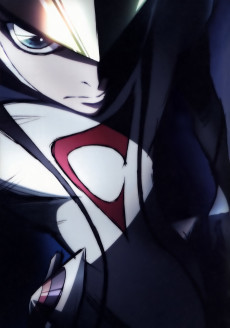
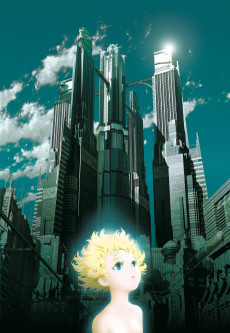
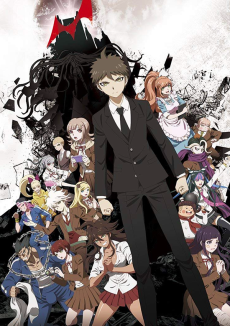
A white-suited amnesiac stumbles through radioactive ruins in *Casshern Sins*’ opening episode—just as Nikopol awakens inside a cryo-pod beneath a theocratic Paris choked by religious surveillance. Both immerse us in **Melancholic Exploration**, lingering on decaying infrastructure and hollowed-out monuments not as backdrops but as grieving characters. Where Nikopol’s pyramid ship hovers with silent, inscrutable menace, Casshern’s ruined world breathes slow, fatalist sorrow—making their shared **Emotional Narrative** feel less like genre convention and more like a shared philosophical wound.



















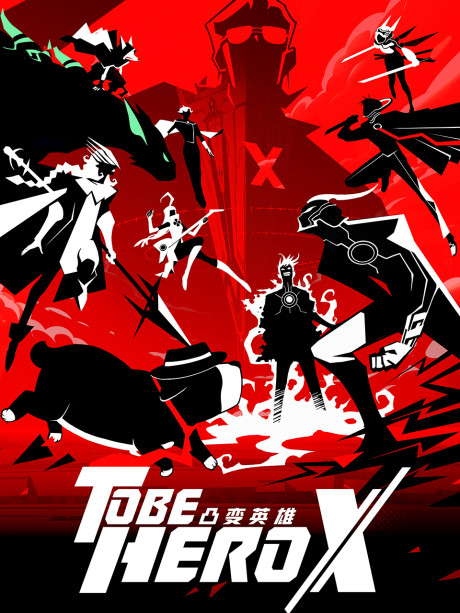


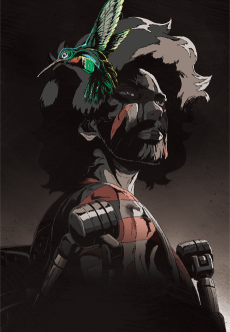


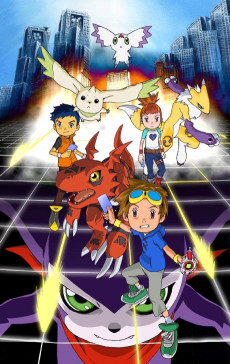
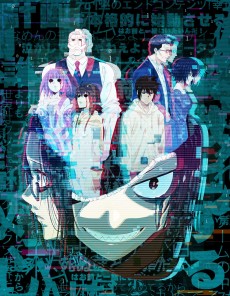



















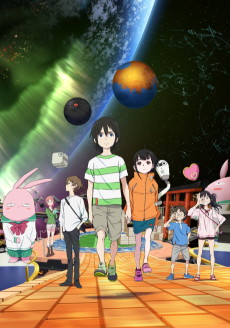


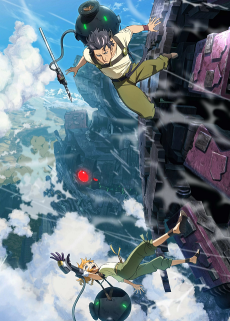












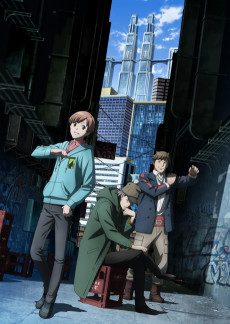
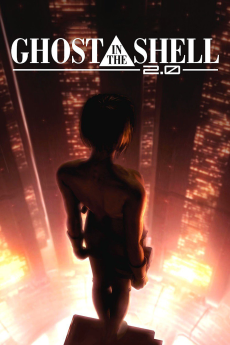
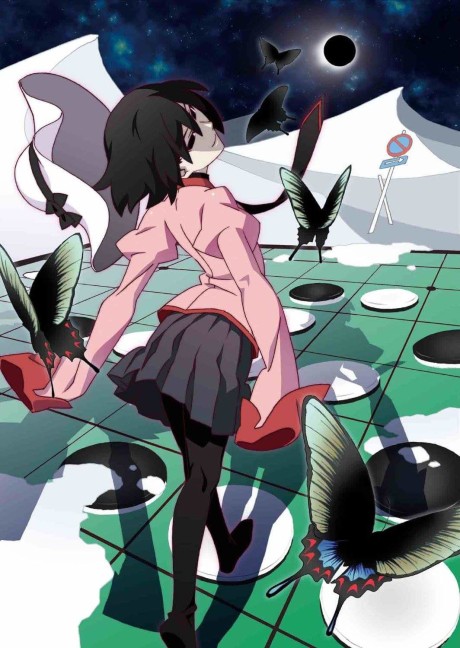



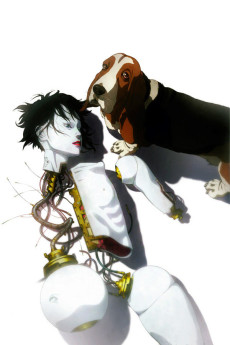


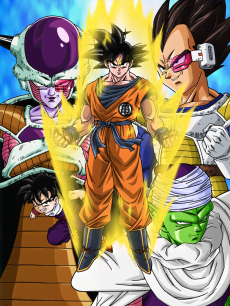





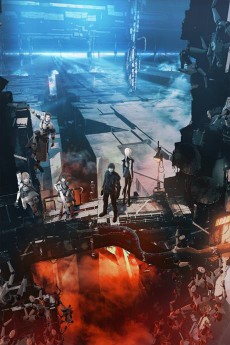
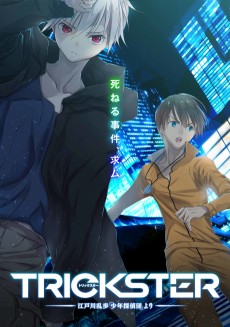


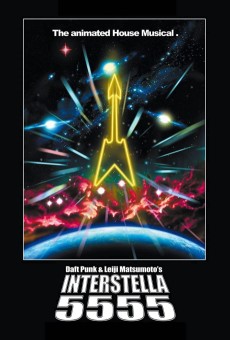
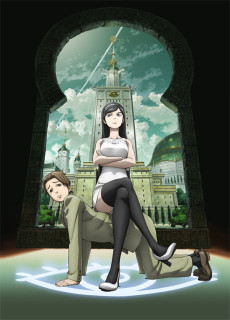


















































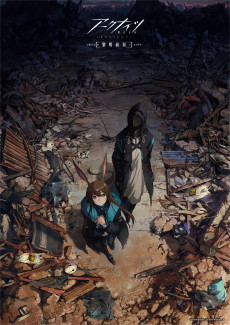














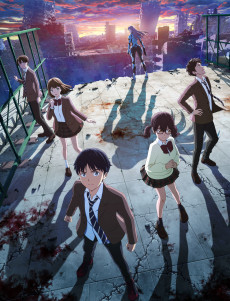





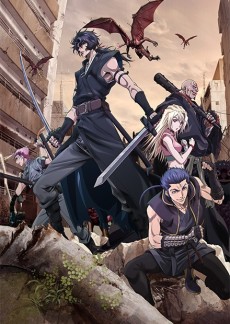
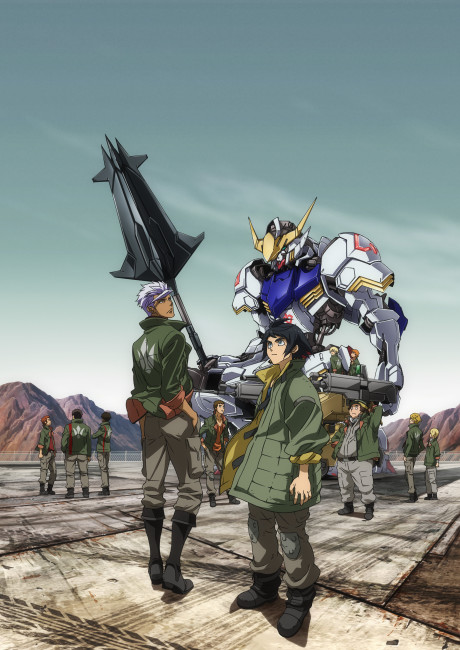




Match Dimensions Explained
❓Frequently Asked Questions
Why is Dorohedoro Season 2 recommended for Nikopol fans?
Because both dive deep into grotesque, rule-bending dystopias where occult forces clash with authoritarian control—like Nikopol’s pyramid ship hovering over a theocratic Paris, Dorohedoro’s Hole is a lawless, body-horror-riddled wasteland ruled by sorcerers and brutal hierarchies. You’ll recognize that same gritty, morally ambiguous tension in scenes like En’s interrogation of Kikuru or the visceral reveal of the Sorcerer’s Factory’s true purpose.
Is there an anime adaptation of Nikopol: Secrets of the Immortals?
No—Nikopol is a standalone first-person point-and-click game, not a manga or novel, so there’s no official anime adaptation. But if you’re craving that exact blend of cyberpunk dread, Egyptian mysticism, and political conspiracy, PSYCHO-PASS: Sinners of the System 3 nails the oppressive surveillance-state vibe, especially in its tense, rain-slicked Tokyo sequences where Shinya Kogami confronts ideological corruption just like Nikopol does with France’s religious regime.
How does Chobits compare to Nikopol in tone and themes?
Chobits shares Nikopol’s cyberpunk-dystopian setting and slow-burn mystery—but swaps Egyptian gods for sentient androids and existential questions about personhood. Where Nikopol has you piecing together your father’s disappearance amid propaganda-laced broadcasts, Chobits has Hideki unraveling Chi’s forbidden memory core in a world where ‘persocom’ rights mirror real human oppression—both use quiet, emotionally charged moments (like Chi whispering ‘I love you’ in a flickering apartment) to ground their high-concept stakes.
What’s the best anime like Nikopol for fans who want cerebral mystery + emotional weight?
KOWLOON GENERIC ROMANCE is your perfect match—it layers a haunting, rain-drenched cyberpunk Hong Kong with intimate character arcs and a slow-unfolding conspiracy that hits like Nikopol’s pyramid revelations. Think of how Nikopol’s flashbacks to his father’s cryptic journal entries build dread; KGR mirrors that with its fragmented memories and the heartbreaking payoff of the protagonist’s final choice at the train station—quiet, devastating, and deeply human.