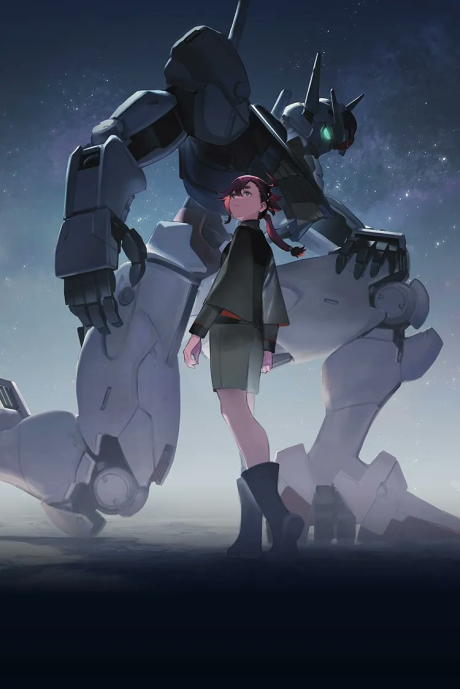
Mobile Suit Gundam: The Witch from Mercury - PROLOGUE
The prologue of Mobile Suit Gundam: the Witch from Mercury.
At Fólkvangr, a front constructed inside an asteroid, the Gundam Lfrith is undergoing operating tests in the Vanadis Institute's laboratory. The Lfrith has not yet managed to meet the conditions imposed by the council, and test pilot Elnora Samaya is growing impatient.
That same day, her daughter is celebrating her fourth birthday...
(Source: GUNDAM.INFO)
Note: Premiered at the "GUNDAM NEXT FUTURE -LINK THE UNIVERSE-" event in July, before the TV anime broadcast in October.
📺Anime Details
📝Editorial Analysis
The hum of the Lfrith’s reactor—low, insistent, almost alive—vibrates through Elnora Samaya’s gloves as she adjusts the suit’s neural sync. Her knuckles whiten on the controls. On the lab monitor beside her, a tiny cake flickers on a private feed: four candles, a child’s laugh muffled by static. She doesn’t look away from the cockpit display—but her breath catches. Not from strain. From choice. That split-second hesitation—between duty and daughter, between the council’s cold metrics and a birthday song half-heard through encrypted comms—is the prologue’s quiet detonation.
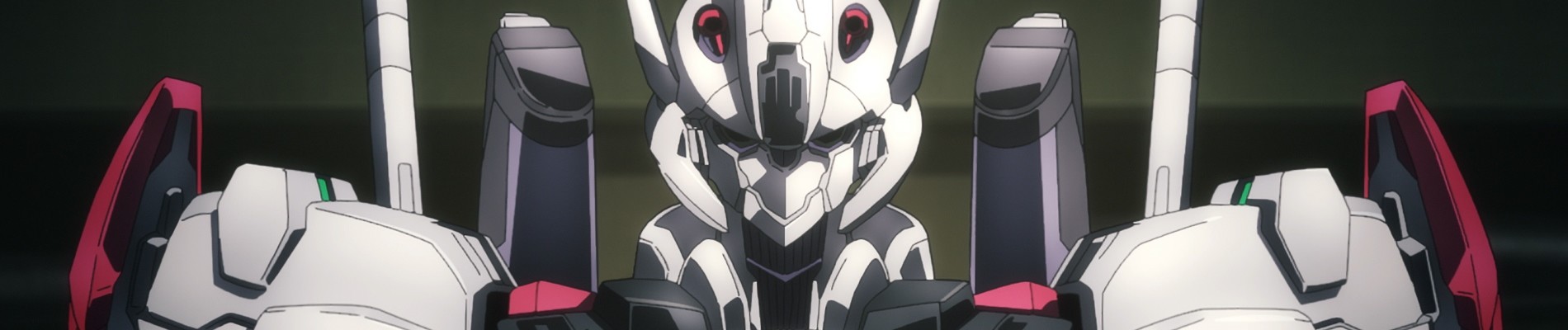
This isn’t the roar of war yet. It’s the pressure before the breach—the suffocating weight of systems too vast to name, too rigid to bend. Mobile Suit Gundam: The Witch from Mercury - PROLOGUE doesn’t trade in spectacle; it trades in silences: the hush before an order is given, the pause after a lie is told, the way light fractures across the Vanadis Institute’s observation glass—not as hope, but as surveillance. You feel the asteroid’s hollow mass pressing in, the political architecture tightening like a noose woven from policy memos and corporate bylaws. It’s dread, yes—but dread polished to a clinical sheen. You think about inheritance—not of land or title, but of consequence: what gets passed down when a mother pilots a weapon built to enforce the very laws that erase her autonomy.
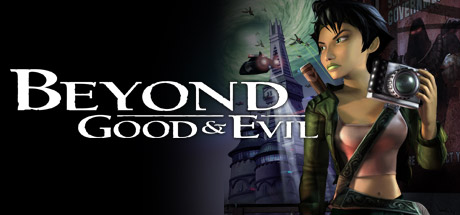
That emotional DNA—tense, intimate, politically claustrophobic—finds echoes in games where conspiracy isn’t shouted from rooftops but whispered in corrupted data logs and flickering holograms. Beyond Good and Evil™, for instance, drops you into Jade’s world not as a soldier, but as a reporter whose camera doubles as both shield and witness. Like Elnora, Jade operates inside a gilded cage—her planet’s surface lush, her freedom paper-thin. The description nails it: “expose a terrible government conspiracy.” And the player review? “Crazyyy game! Play the 20th Anniversary edition tho…”—that urgency, that imperative to see clearly, mirrors Elnora’s frustration with the council’s opaque benchmarks. Both are women navigating power structures that demand compliance while erasing their personhood—and both do it with quiet, razor-edged resolve.
Then there’s Ricochet, which at first glance seems all kinetic flash—“one-on-one and team matches played in a variety of futuristic battle arenas.” But read deeper: the player review calls it “a life changing experience” that “combines the drama of a soap opera and the tense atmosphere of a horror movie.” That duality—glittering surfaces hiding existential rot—is pure Witch from Mercury. The prologue’s sterile labs, the gleaming Lfrith chassis, the birthday party feed bleeding into tactical telemetry—all that aesthetic precision is the horror. Ricochet’s arenas aren’t just backdrops; they’re stages where identity, loyalty, and survival collide under artificial light. Its “soap opera” tension isn’t melodrama—it’s the unbearable weight of relationships strained by systemic fracture, exactly like Elnora’s fractured presence between cockpit and cradle.
And Dreamfall: The Longest Journey, though softer in pace, shares the same nerve: “It’s less a long journey than a long drama. And somehow, the drama is compelling enough that you keep watching scene after scene…” That line lands like a hammer. Because Witch from Mercury - PROLOGUE isn’t about action—it’s about duration. Four years. Four birthdays. Four years of waiting for approval, for recognition, for safety. The drama is the waiting. The emotional narrative isn’t propelled by explosions, but by the slow accumulation of micro-compromises—just as Dreamfall unfolds in lingering glances, coded letters, and the quiet erosion of trust across two worlds. Both ask you to sit with unease until it becomes familiar, then necessary.
This pairing isn’t for fans of mecha-as-spectacle or dystopia-as-backdrop. It’s for the ones who lean in when the camera holds on a woman’s hands—trembling not from fear, but from the sheer effort of holding two truths at once. For readers who underline sentences about bureaucracy in sci-fi novels. For players who replay dialogue trees not to win, but to hear how the voice cracks just slightly on the third take. They’re the ones who recognize tragedy not in grand collapses, but in a birthday candle’s glow reflected—cold and perfect—in the visor of a machine built to kill.
🎮9 Games That Match the Vibe





Match Dimensions Explained
❓Frequently Asked Questions
Why does Beyond Good and Evil feel like a spiritual cousin to The Witch from Mercury: PROLOGUE?
Both lean hard into political sci-fi with young, idealistic protagonists (Jade and Suletta) uncovering systemic corruption—Jade’s investigation of the DomZ conspiracy mirrors Suletta’s unraveling of Benerit Group’s secrets in the prologue’s orbital academy setting. Plus, that tense, grounded-yet-futuristic vibe? Jade’s hoverbike chases through industrial zones and Suletta’s GUND-ARM test flights both nail that same blend of urgency and wonder.
Is there a mobile game adaptation of The Witch from Mercury: PROLOGUE?
No official mobile adaptation exists—but if you’re craving that same gritty, politically charged sci-fi energy on the go, Ricochet’s fast-paced arena battles (think Suletta vs. Miorine in the cockpit duel) and cyberpunk aesthetic hit surprisingly close. Just swap Gundam suits for Ricochet’s sleek, neon-lit exo-armor and you’re basically in the same universe.
How does Dreamfall: The Longest Journey compare to The Witch from Mercury: PROLOGUE in terms of tone and themes?
Dreamfall leans heavier into emotional narrative and existential dread—like when Zoë walks the rain-slicked, decaying streets of Casablanca City—whereas PROLOGUE balances that melancholy with sharp political tension (e.g., the silent tension during the GUND-ARM demonstration scene). Both use parallel worlds/realities (Crossworlds vs. Spacian/Earth tensions), but Dreamfall’s slower, dialogue-driven pacing makes it feel more like a dramatic companion than a direct action match.
What’s the best game like The Witch from Mercury: PROLOGUE if I want that moody, atmospheric cyberpunk vibe without heavy combat?
Nikopol: Secrets of the Immortals is your pick—it’s all about brooding atmosphere, moral ambiguity, and dystopian worldbuilding (like the oppressive religious regime over Paris in 2023), with minimal combat and heavy emphasis on story beats and cutscenes. If you loved the quiet unease of Suletta’s dorm room scenes or the haunting synth score during the prologue’s opening montage, Nikopol’s grainy animations and noir-infused cyberpunk visuals deliver that same immersive, contemplative vibe.