
Deus Ex: Game of the Year Edition
The year is 2052. The world's economies are close to collapse and the gap between the insanely wealthy and the desperately poor grows ever wider. Worst of all, an ages old conspiracy bent on world domination has decided that the time is right to emerge from the shadows and take control.
🎮Game Details
💬What Players Say
"all things aside this is a game that starts up (immediately), and gives you all options with one hit of the esc key. the logos, devs, publishers, producers, moviemaking software logos, canteen companies that normally fade in and out over 1-20 min as a game begins are instead floating around in the background, and will not impede your access of its media like companies today there are ♥♥♥♥♥♥♥ games that can have the menu up and all options accessible in under 10 sec of clicking the executable. mankind revolution has ads, actual ♥♥♥♥♥♥♥ ads, (AND ADS THAT ARE NOW DISFUNCTIONAL) and when you reload your game it reminds you of what you're doing, because they (devs?"
"First off, it's a stealth RPG. You can't just shoot people like it's Unreal Tournament, at least not until you unlock a few upgrades and invest some skill points. Or unless you're playing multiplayer...."
"I've Loved this game since I was a kid! I was 13 when it came out in 1999 and it served as the catalyst that opened my eyes to the hidden powers controlling the World from the shadows; including the Templars, The Free Masons, the Builderberg Group, the Council on Foreign Relations, the Trilateral Commission all weilding their disperate, yet absolutely formidable powers through the political, buisness, philisophical, scientific, and monitary and military amalgamation we know today as THE ILLUMINATI. Growing up i have found the subject so pervasive it has manifested in the forms of my Favorite Topic in Books <Behold a Pale Horse>, Documentaries <Zeitgeist>, Games <Assassins Creed>, Shows, Movies, and so much more."
📝Editorial Analysis
The first thing that hits you isn’t the gunfight, the hacking minigame, or even the grimy neon of Hong Kong—it’s the silence after the opening logos. That long, unbroken scroll: Deus Ex: Game of the Year Edition, then the devs, publishers, producers, moviemaking software logos, canteen company—all flickering like bureaucratic incantations before the world even begins. You’re not eased in. You’re processed. And then—immediately—you’re dropped into 2052: a world where economies teeter, the chasm between the insanely wealthy and the desperately poor yawns wider every day, and an ages-old conspiracy decides now is the time to step out of the shadows and take control. No tutorial. No hand-holding. Just the weight of systems already running—corporate, political, biological—and you, barely more than a node in the network.
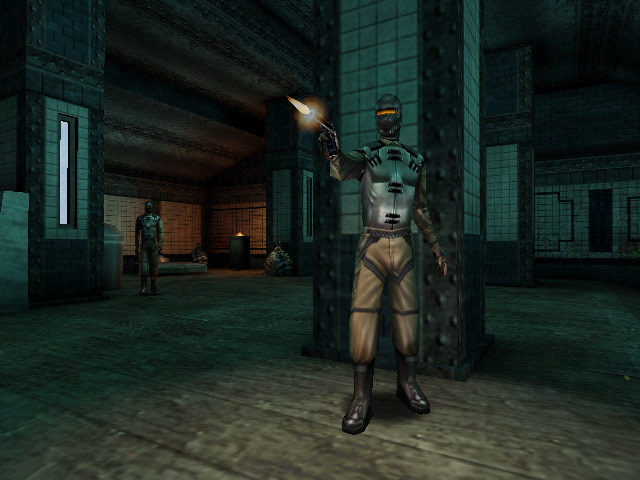
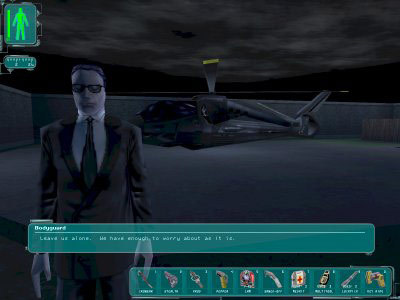
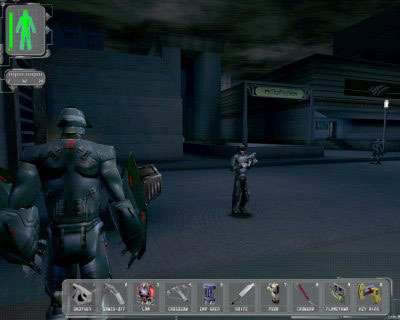
That’s the feeling: paranoia with receipts. Not jump-scare dread, but the slow, cold certainty that every door you open has been watched, every choice you make was anticipated, every upgrade you install is both armor and leash. It’s the feeling of being seen by something vast and patient—less a villain than infrastructure. You don’t just play a stealth RPG; you negotiate reality itself, one skill point, one silenced pistol round, one hacked terminal at a time. Player Review 2 nails it: you can’t just shoot people like it’s Unreal Tournament—not at first. You’re fragile, fallible, constantly recalibrating. That fragility breeds suspicion—not just of NPCs, but of your own augmentations, your own memories, your own mission parameters. Review 3 says it best: at thirteen, playing in 1999, it didn’t just tell you about hidden powers controlling the world—it made you feel their architecture, down to the canteen company logo. That’s the emotional DNA: dystopia as bureaucracy, conspiracy as operating system, resistance as quiet, daily acts of reconfiguration.
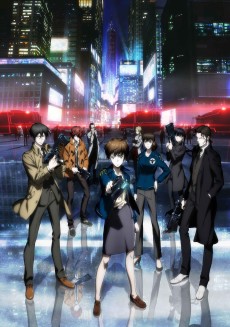
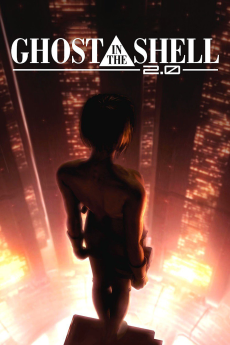
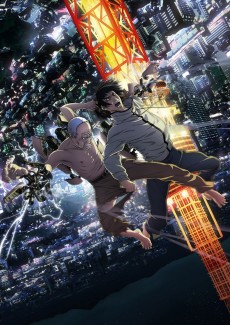
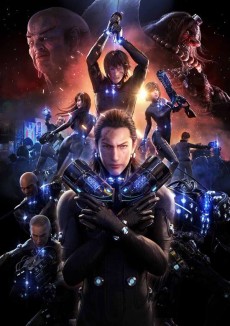
Ghost in the Shell: Stand Alone Complex 2nd GIG shares that same suffocating clarity—the way Section 9 moves through Tokyo not as heroes but as auditors of power, tracing strings from terrorist cells to ministerial offices to offshore biotech firms. Like Deus Ex, it treats politics as physics: cause and effect are visible, traceable, cold. The cybernetic body isn’t spectacle—it’s paperwork, liability, jurisdictional gray zone. Both demand you read the room and the registry.
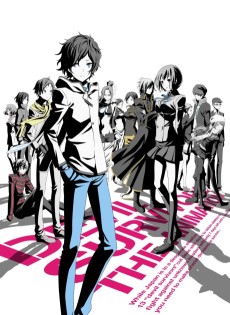
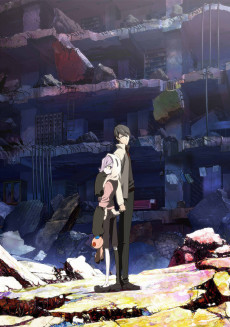
No.6 doesn’t shout its parallels—it withholds them. A pristine city-state built on erased history, surveillance so normalized it’s ambient weather, a protagonist whose empathy becomes his most dangerous augmentation. Like Deus Ex, it refuses catharsis: uncovering the truth doesn’t free you—it repositions you inside the machine. The “Adult & Dark Seinen” dimension isn’t about gore or sex; it’s about the exhaustion of knowing, and choosing to act anyway—even if action means smuggling medicine instead of launching a missile.
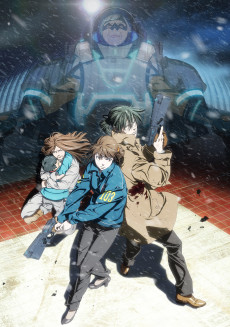
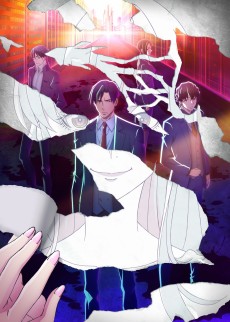
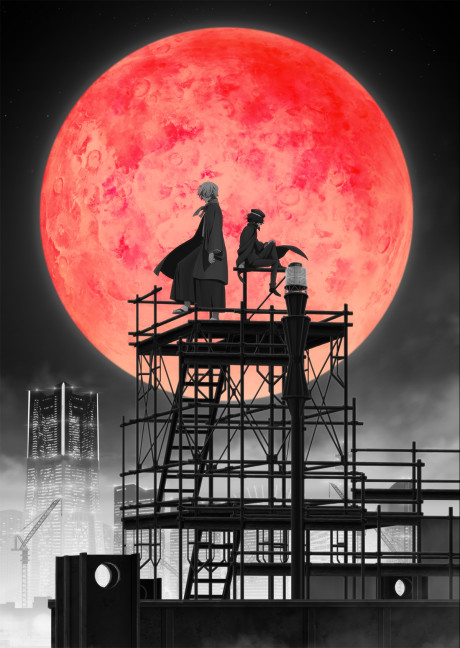
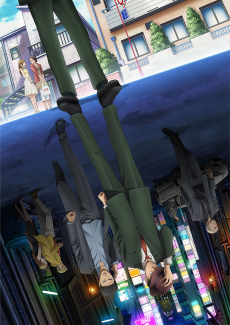
Moriarty the Patriot Part 2, despite its Victorian veneer, pulses with the same Neon Noir logic: light doesn’t reveal truth—it creates shadows where power consolidates. Moriarty doesn’t overthrow systems; he reprograms their incentives, turning aristocracy into algorithm, charity into leverage. His chessboard is indistinguishable from Deus Ex’s global conspiracy map: same precision, same moral vertigo, same sense that justice isn’t won—it’s negotiated, often in silence, often offscreen.
This isn’t for the player who wants to win. It’s for the one who lingers at the air vent, listening—not for footsteps, but for the hum of servers three floors down. It’s for the viewer who rewinds not to catch dialogue, but to count how many security cameras pan just slightly when a character lies. It’s for the person who, at thirteen or thirty-three, stares at a corporate logo on a soda can and wonders—not who made this?—but what chain of decisions, compromises, and suppressed reports had to hold for this to exist? That hunger—for structure beneath surface, for agency within architecture—is where Deus Ex: Game of the Year Edition and these anime don’t just align. They breathe together.
→202 Anime That Match the Vibe

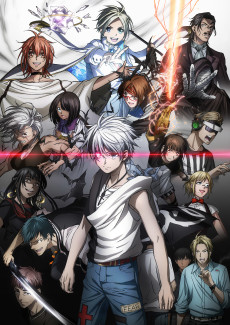
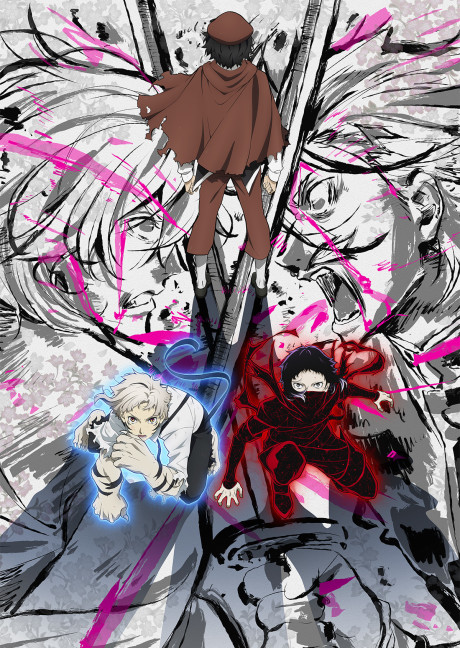
Neon-drenched London alleyways in *Moriarty the Patriot Part 2*—where Will’s cabal manipulates Parliament from shadowed drawing rooms—mirror the rain-slicked, corporate-occupied streets of *Deus Ex*’s 2052 Hong Kong. Both weaponize 🌃 Neon Noir not just as style but as systemic critique: flickering signs expose power’s artifice, whether it’s the British aristocracy’s gilded hypocrisy or VersaLife’s sanitized fascism. Unlike most political thrillers, neither offers cathartic rebellion—only cold calculus, making their shared 🏛️ Political Thriller resonance deeply unsettling, and strangely precise.
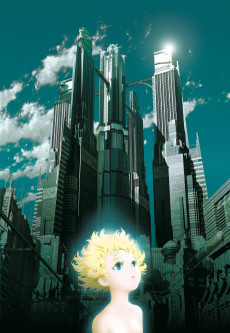
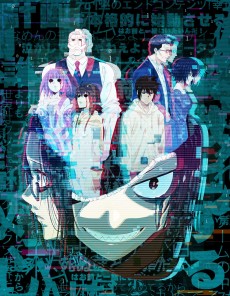
Neon-lit rain slicks the streets of Hong Kong’s Wan Chai district as JC Denton navigates corporate espionage—mirroring the claustrophobic, logic-obsessed isolation of Moe Nishinosono’s locked-room death in *The Perfect Insider*’s Hokkaido villa. Where *Deus Ex* weaponizes cyberpunk & dystopia to interrogate bodily autonomy and systemic control, the anime fractures psychological thriller conventions through formalist deduction, making their shared neon noir not just aesthetic but epistemological. That both locate moral collapse inside elite enclaves—Sarif Industries’ boardrooms, the Saikawa Lab’s insulated retreat—feels chillingly deliberate.

Both dive into neon-soaked futures where technology blurs the line between human and machine.

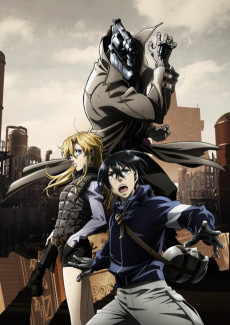
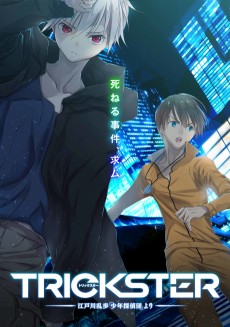
Neon-drenched alleyways in Kansai’s fractured ruins mirror the rain-slicked, corporate-occupied streets of Hong Kong in *Deus Ex: GOTY*—both worlds breathe neon noir as a language of systemic decay. Where Jinnai’s cold calculus and Adam Jensen’s augmentations expose bodily commodification, political thriller mechanics tighten around conspiracies that weaponize inequality itself. Surprisingly, their shared cyberpunk isn’t just aesthetic—it’s structural: every flickering hologram, every black-market limb, every silenced dissent reveals how power metabolizes human fragility.

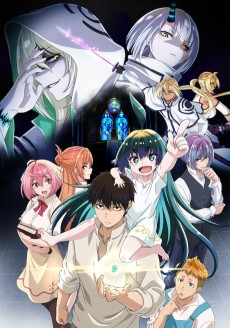
Shinra’s revelation of the Evangelist’s true face—cold, godlike, and woven from human suffering—lands with the same gut-punch as JC Denton staring into the broken mirror of Majestic 12’s “greater good.” Where *Deus Ex: GOTY* frames its cyberpunk & dystopia through crumbling megacities and corporate necropolitics, *Fire Force Season 3* weaponizes that same aesthetic in its scorched Tokyo ruins and firelit conspiracies—both exposing how power sanctifies atrocity in the name of order. It’s startling how deeply their political thriller DNA aligns: not just control, but the seductive logic that makes tyranny feel inevitable.

Neon-drenched alleyways in Neo-Kobe and the decaying undercity of Lower Manhattan pulse with the same suffocating dread—where surveillance isn’t just omnipresent but *intimate*, a core tension in both works’ 🌆 Cyberpunk & Dystopia. Shion’s quiet horror at No.6’s biometric betrayal mirrors JC Denton’s slow realization that his augmentations serve not freedom, but control. Unlike most dystopias built on spectacle, their resonance lies in how deeply personal the political violence feels—each scar, each silenced voice, a quiet indictment of engineered inequality.
![[C] - CONTROL - The Money and Soul of Possibility](https://s4.anilist.co/file/anilistcdn/media/anime/cover/medium/bx10163-DGTY24yRLZrt.jpg)
A flickering neon sign over Neo-Saitama’s debt-ridden streets mirrors the flicker of a hacked stock ticker in Hong Kong’s Jinhua District—both reveal how financial systems weaponize despair. Where *Deus Ex: GOTY*’s UNATCO agents navigate corporate puppeteers pulling strings from orbital stations, *[C] - CONTROL*’s Financial Supervisory Agency enforces austerity via literal soul-trading contracts—cyberpunk & dystopia made visceral through ledger-led horror. That shared dread of capital as sentient, sovereign, and suffocating makes their resonance unnervingly precise.

Kowloon Walled City’s rain-slicked alleyways—where neon bleeds into crumbling concrete—mirror the decaying infrastructure of Detroit and Hong Kong in *Deus Ex: GOTY*. Where JC Denton navigates conspiratorial layers beneath corporate facades, *Kowloon Generic Romance*’s unnamed protagonist uncovers buried truths in whispered confessions and flickering analog TVs—both works weaponize 🌆 Cyberpunk & Dystopia to frame intimacy as resistance. That quiet scene in Episode 7, where a character repairs a broken VR headset while humming a 1980s Cantonese ballad? It resonates with JC’s augments glitching mid-conversation—not as tech failure, but as fragile, human persistence.

Both dive into neon-soaked futures where technology blurs the line between human and machine.
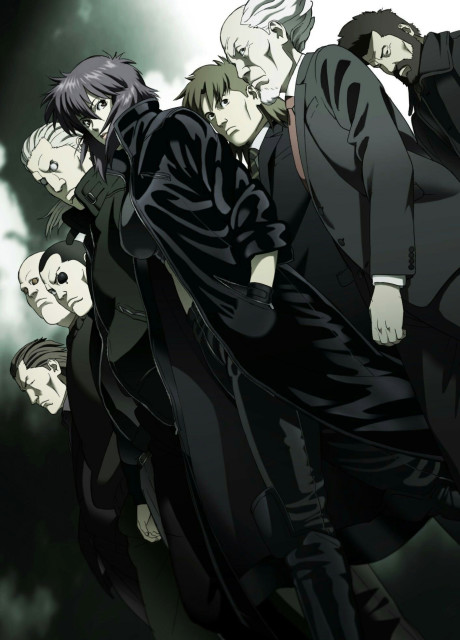
A rain-slicked neon alley in *Deus Ex*’s Hong Kong—where JC Denton negotiates with triad enforcers amid flickering holograms—feels kin to *Stand Alone Complex 2nd GIG*’s “Individual Eleven” uprising, where Section 9 hunts a decentralized cyber-terrorist movement exploiting systemic inequality. Both plunge into 🌆 Cyberpunk & Dystopia not as backdrop but as logic: surveillance capitalism erodes agency, and resistance fragments into ideology or algorithm. What’s startling is how *2nd GIG*’s focus on refugee crises and biopolitical control mirrors *Game of the Year Edition*’s FEMA camps and Gray Death pandemic—neither offers catharsis, only colder clarity.































































































































































Match Dimensions Explained
❓Frequently Asked Questions
Why does Ghost in the Shell: SAC 2nd GIG match Deus Ex so closely?
Because both drop you straight into a fractured 2050s world run by shadowy cabals—like Section 9 uncovering the 'Individual Eleven' conspiracy while navigating corporate espionage and neural hacking, just like JC Denton infiltrating Majestic 12. That scene where Motoko dives into the cyberbrain network to trace encrypted orders? It’s basically the in-game Augmentation Interface menu made visceral—same tense, systems-driven paranoia.
Is there an anime adaptation of Deus Ex itself?
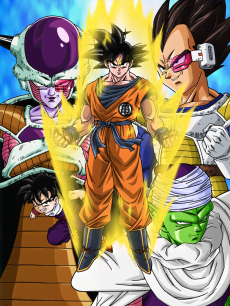
No—there’s never been an official Deus Ex anime adaptation. But if you’re craving that exact vibe (stealth-RPG tension, systemic choices, and a world where every logo hides a puppet master), Fire Force Season 3 nails it: think Infernal Engine’s surveillance state, Shinra’s aug-like Adolla Burst upgrades, and those quiet hallway takedowns where one wrong sound triggers a full squad response—just like hitting ESC to plan your next move in Deus Ex.
How does No.6 compare to Moriarty the Patriot Part 2 for Deus Ex fans?
No.6 leans harder into the dystopian RPG feel—like when Shion sneaks through Sector 6’s biometric checkpoints using stolen ID chips and environmental hacks, mirroring JC’s multitool bypasses and ventilation crawls. Moriarty, meanwhile, swaps cybernetics for Victorian-era ‘neon noir’ spycraft: its chessboard conspiracies and layered betrayals (e.g., Moriarty dismantling the Establishment from within) echo Deus Ex’s Illuminati/Majestic 12 reveals—but with gaslighting instead of nanites.
What’s the best anime like Deus Ex if I want that ‘paranoid, systems-aware’ mood?
The Perfect Insider—it’s basically Deus Ex’s ‘conspiracy simulation’ mode in anime form. Watch Dr. Saeki dissect institutional rot while cross-referencing security logs, witness the protagonist reverse-engineer motive from fragmented CCTV footage, and feel that same weight as JC reviewing mission intel before deciding whether to hack, bribe, or disappear. Every frame hums with the same low-key dread and cerebral control that makes Deus Ex’s ESC menu feel like stepping into the mind of a global operative.