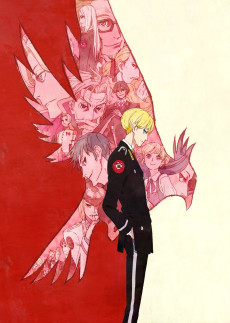
ACCA: 13-Territory Inspection Dept.
"ACCA" is a giant unified syndicate residing in a kingdom split into 13 autonomous regions. ACCA was formed back when there was threat of a coup d'etat, and it has continued to protect the peace of civilians for almost one hundred years. Jean Otus, the vice-chairman of the inspections department at ACCA headquarters, is one of the most cunning men in the syndicate's history with the nickname "Jean the Cigarette Peddler." Whimsically puffing his cigarettes, he wanders through the 13 districts, checking to see if there is any foul play afoot.
(Source: Crunchyroll)
📺Anime Details
📝Editorial Analysis
The scent of tobacco smoke curling through a sunlit train window—Jean Otus exhales slowly, watching the blurred fields of the 7th Territory scroll past, his cigarette balanced between two fingers like a quiet punctuation mark in a sentence no one else is reading. He doesn’t speak. The conductor nods, the ticket taker smiles faintly, and the rhythm of the rails beneath the carriage hums with the weight of unspoken things: treaties signed in silence, budgets adjusted without fanfare, a royal succession deferred not by force but by folded hands and shared tea. This isn’t tension coiled tight like a spring—it’s tension settled, like sediment in still water.
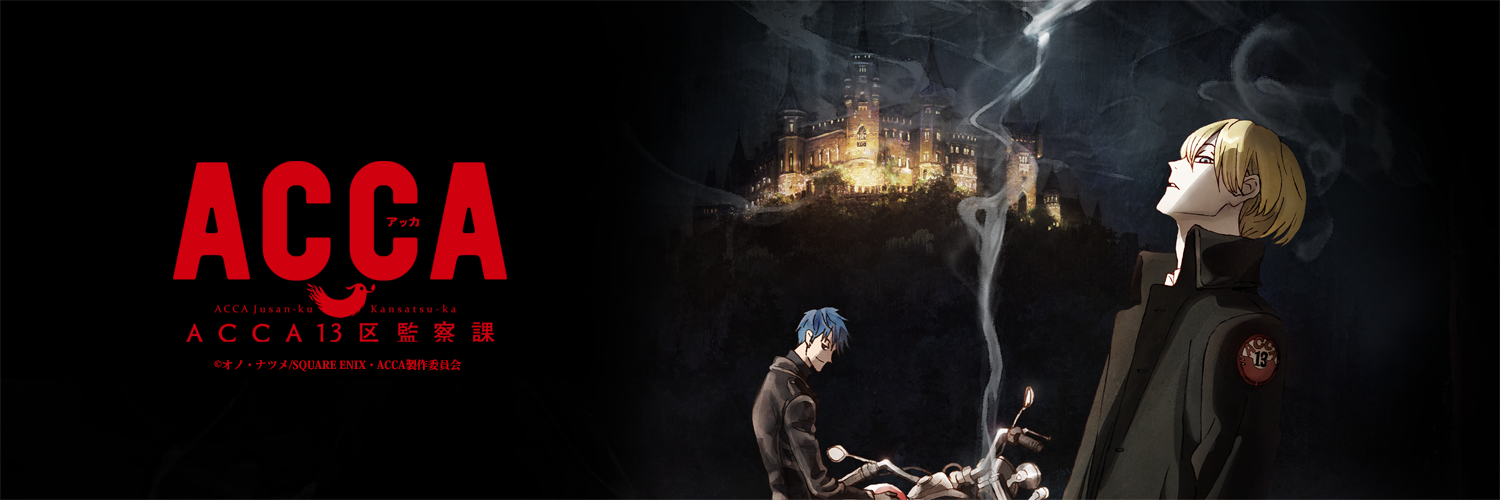
What makes ACCA: 13-Territory Inspection Dept. singular isn’t its politics or its mystery—it’s how deeply it trusts slowness as a vessel for gravity. It makes you feel resigned wonder: the ache of loyalty worn thin over decades, the melancholy of institutions that outlive their original purpose, the quiet dignity of civil servants who know power isn’t seized—it’s maintained, day after day, in ledgers, train schedules, and the precise angle of a bow. There are no villains screaming in throne rooms. There are men in wool coats debating grain tariffs at 6 a.m., women adjusting policy memos while listening to their children practice piano, and a kingdom held together not by swords or speeches, but by the humming consistency of routine. It asks you to think about economics as intimacy, bureaucracy as devotion, and peace not as absence—but as accumulation: of trust, of memory, of small, unremarkable choices repeated across thirteen territories and one hundred years.
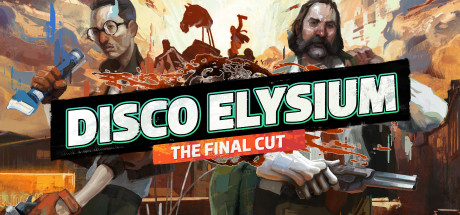
That same emotional DNA thrums in Disco Elysium - The Final Cut, where every dialogue branch feels like turning a page in a municipal archive—melancholic exploration, yes, but also exhausted care. The game’s description calls it “a groundbreaking role playing game” where you’re “a detective with a unique skill system… and a whole city to carve your path across.” And the player review quotes capital subsuming critique—not as abstraction, but as lived fatigue, echoing Jean’s own navigation of ACCA’s layered loyalties. Both works treat ideology not as slogans but as weather: ambient, inescapable, shaping how people hold their shoulders, how they pour tea, how they lie to themselves just enough to keep working.
Then there’s BioShock, tagged political thriller and adult & dark seinen, its description boasting “weapons and tactics never seen”—but what lingers isn’t the plasmids or the Big Daddies. It’s Rapture’s drowned grandeur, the way ideology curdles into architecture, the horror not of violence but of logical collapse. Like ACCA, it understands that utopias aren’t shattered by outsiders—they erode from within, syllable by syllable, regulation by regulation. The player review calls it “revolutionary,” but what revolutionized wasn’t just gameplay—it was the willingness to sit with the quiet rot beneath polished marble, just as ACCA sits with the quiet strain beneath its impeccably pressed uniforms.
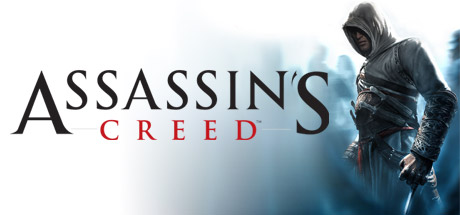
Even Assassin's Creed™: Director's Cut Edition, despite its dated textures, shares this hush—the melancholic exploration of cities built on buried histories, where every rooftop leap carries the weight of centuries. Its description positions it as redefining action—but the real innovation was making political intrigue spatial, tactile: climbing a minaret not for spectacle, but to see the borders, to trace the lines of power drawn in stone and shadow—exactly as Jean traces them in railway timetables and customs logs.
This isn’t for players who want answers. It’s for those who find solace in the weight of unsaid things: the reader who underlines footnotes in policy white papers, the listener who hears three meanings in a pause, the person who feels more at home in waiting rooms than war rooms. It’s for anyone who’s ever loved an institution—not blindly, but tenderly, knowing its flaws like the grooves in a favorite book’s spine. They’ll recognize Jean not as a hero or a spy, but as someone who shows up, again and again, with a cigarette, a ledger, and the terrible, beautiful patience of keeping the lights on—not because it’s easy, but because someone must.
🎮14 Games That Match the Vibe





Match Dimensions Explained
❓Frequently Asked Questions
Why does ACCA feel so much like BioShock when I'm exploring the underwater city?
That eerie, politically charged melancholy you're feeling? It's because both ACCA and BioShock lean hard into 'Political Thriller' and 'Adult & Dark Seinen' — BioShock’s Rapture mirrors ACCA’s 13-Territory in how architecture tells a story of ideological collapse. You’ll recognize that same weight in BioShock’s audio logs (like Andrew Ryan’s speeches) just like you do in ACCA’s quiet station announcements and Inspector Glanz’s weary monologues.
Is there an anime or manga adaptation of ACCA: 13-Territory Inspection Dept.?
No official anime or manga adaptation exists — but if you’re craving that same tone in other media, Disco Elysium nails the vibe: it’s got the rain-slicked, morally frayed detective work of Glanz wandering between territories, plus the layered political critique you love. Its 'Mystery & Detective' + 'Melancholic Exploration' dimensions hit *exactly* like ACCA’s slow-burn train rides and bureaucratic tension.
How is Assassin’s Creed Director’s Cut Edition similar to ACCA?
Don’t let the parkour fool you — both are 'Political Thriller' + 'Melancholic Exploration' deep cuts with adult, world-weary protagonists navigating crumbling systems. Like Glanz on his inspection route, Altaïr walks through Jerusalem’s layered districts, uncovering systemic rot beneath surface order — and both games use environmental storytelling (e.g., ACCA’s abandoned border stations vs. AC’s plague-ridden alleys) to deliver quiet, heavy atmosphere.
What’s the best game like ACCA if I want something thoughtful but not combat-heavy?
Disco Elysium — hands down. It swaps ACCA’s train inspections for a rain-soaked, dialogue-driven investigation where every skill check (like Logic or Empathy) feels like Glanz quietly weighing truth against protocol. With its 'Mystery & Detective' focus and 81-score depth, it delivers the same slow-burn gravitas — no shooting, just staring out windows, questioning authority, and remembering too much.