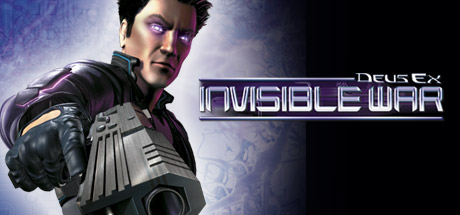
Deus Ex: Invisible War
Approximately 20 years after Deus Ex, the world is only beginning to recover from a catastrophic worldwide depression. In this techno-nightmare, take part in the dark struggle to raise the world from its own ashes.
🎮Game Details
💬What Players Say
"Nothing compared to its predecessor but by no means a bad game"
"Might not be a bad game to play, if you don't mind waiting through a long waiting screen between each tiny map."
"Bite-sized Deus Ex. Worse than the original, with less mechanical and narrative depth, smaller levels and shorter length (it took me about 20 hours). So why recommend this at all?..."
📝Editorial Analysis
The flicker of a loading screen—cold, static, interminable—as your character stands frozen in the ruins of Chicago, breathing dust and ozone. That’s the first real breath of Deus Ex: Invisible War: not action, not exposition, but waiting. The official description calls it a “techno-nightmare” where the world is “only beginning to recover” from collapse—and you feel that recovery as a slow, grinding ache. Not the sleek, operatic ruin of a fallen empire, but something messier: patched servers, half-rebuilt transit hubs, corridors where fluorescent lights stutter like failing synapses. Player Review 2 nails it: “a long waiting screen between each tiny map.” It’s not just technical—it’s structural. You move through shards of scale: cramped interiors, truncated alleyways, compressed city blocks—all echoing that 20-hour runtime, that sense of a story cut short, a vision scaled back, a world still too raw to fully render.
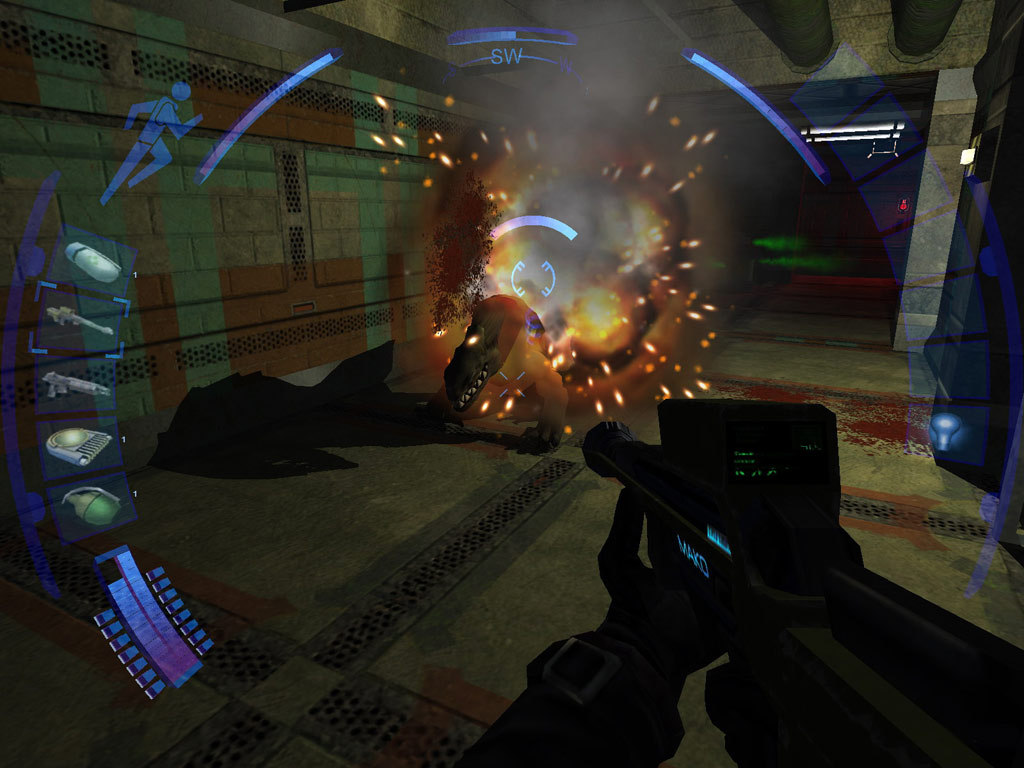
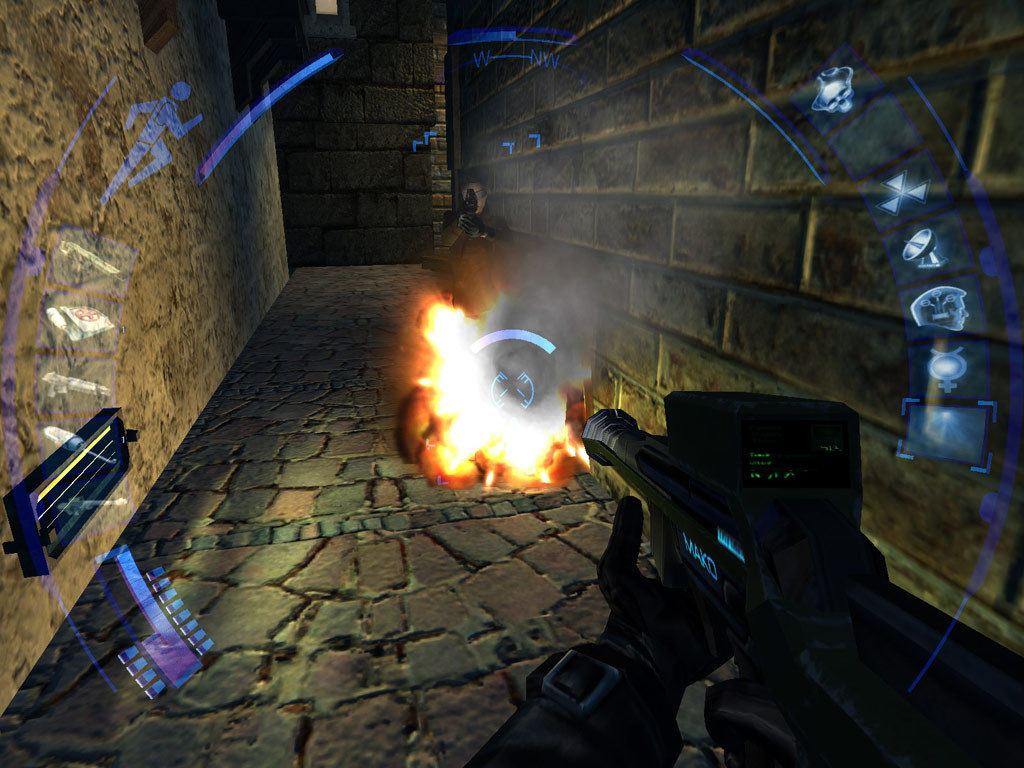

What makes this atmosphere unique isn’t its cyberpunk signifiers—it’s the weight of incompleteness. Not dystopia as spectacle, but as residue. You don’t walk into a gleaming megacity or a rain-slicked noir alley; you step into infrastructure still holding its breath—ducts half-welded, terminals blinking with outdated firmware, dialogue trees that trail off mid-ideology. There’s no grand catharsis, no triumphant reassembly of order—just choices made in low-light rooms, alliances brokered over encrypted comms that cut out at the most critical word. It makes you feel unmoored, yes—but also attentive: every corridor feels provisional, every faction’s manifesto slightly frayed at the edges. It’s less about solving the world’s problems than surviving the ambiguity of their partial repair. That’s the emotional core: fragile continuity, not apocalyptic rupture.
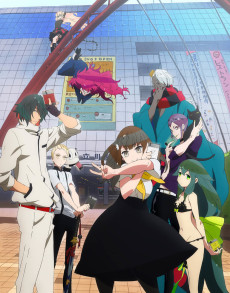
That same tension hums through Ghost in the Shell: Stand Alone Complex 2nd GIG, where Section 9 chases conspiracies woven into the seams of post-war reconstruction—bureaucratic inertia, data obfuscation, and the quiet violence of normalized surveillance. Like Invisible War, it refuses clean binaries: the enemy isn’t a cartoon villain but a logic embedded in policy, in server architecture, in the lag between public statement and classified directive. The neon doesn’t dazzle—it glints off wet pavement and bulletproof glass, revealing how thin the membrane is between governance and control.
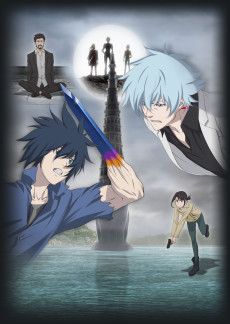
Then there’s No.6, where the pristine dome-city hides rot not in its code, but in its silence—the way citizens avoid certain street corners, how children recite slogans with flat affect, how medical scans double as loyalty screenings. Its dystopia isn’t exploded; it’s curated, maintained by omission and gentle coercion—exactly the kind of “recovery” Invisible War simulates: not rebuilding, but rebranding collapse. Both reject spectacle for suffocation—the horror isn’t in the explosion, but in the moment you realize the air recyclers have been recalibrated to filter dissent before it becomes speech.
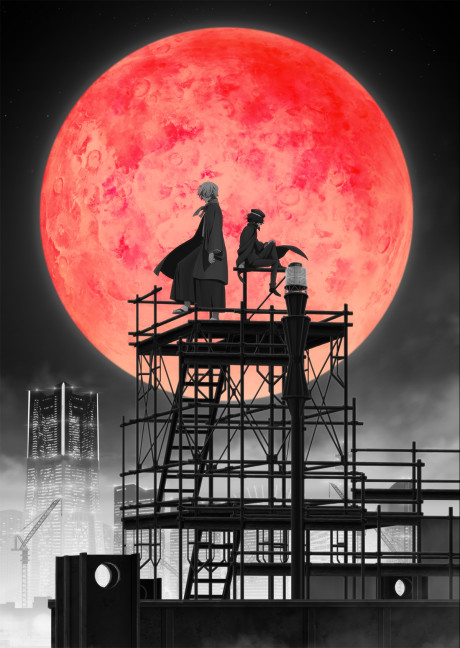
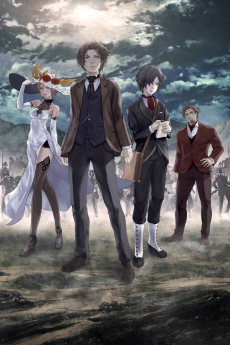
And Moriarty the Patriot Part 2—yes, the Victorian setting seems worlds away—until you notice how it weaponizes neon noir not as aesthetic, but as mood: gaslight bleeding into electric blue, class lines drawn in shadow gradients, revolution plotted in drawing rooms where every teacup holds coded meaning. Like Invisible War, it treats ideology as infrastructure—something wired, patched, vulnerable to overload. The political thriller pulse isn’t in gunfights, but in the delay before a document is leaked, the pause before a vote is called, the loading screen between intention and consequence.
This pairing isn’t for the seeker of spectacle or the lover of clean arcs. It’s for the person who lingers on loading screens—not impatiently, but curiously, reading the error logs scrolling in the corner, noticing how the ambient hum shifts between zones. It’s for the reader who underlines footnotes more than chapters, the viewer who rewinds not for action beats but for the flicker in a bureaucrat’s eye when asked whose recovery, exactly, is this? They’re drawn to stories where power doesn’t roar—it buffers, caches, waits. Where hope isn’t a sunrise, but the stubborn persistence of a single uncorrupted data packet slipping through the static. Where the most radical act isn’t rebellion—it’s continuing to ask questions after the save point has loaded.
→202 Anime That Match the Vibe
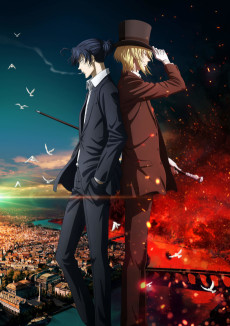
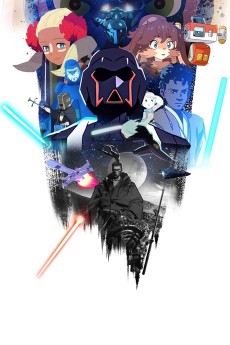
A flickering neon sign over London’s fog-choked alleys in *Moriarty the Patriot Part 2* mirrors the fractured holograms of Chicago’s ruined arcologies in *Invisible War*—both worlds pulse with 🌃 Neon Noir unease. Unlike most political thrillers, neither offers clean revolution: Will’s calculated aristocratic sabotage and Alex D’s coerced choices in the WTO bunker reveal how power calcifies even in rebellion. That shared dread—of systemic rot masquerading as order—is what makes their dystopian resonance so chillingly precise.
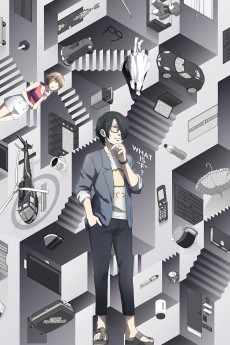
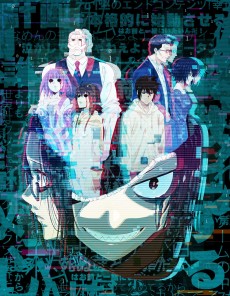
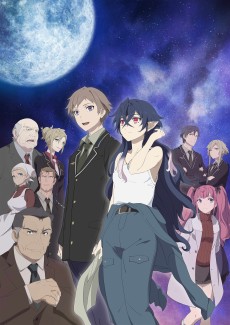
Neon-drenched corridors in *Invisible War*’s Chicago echo the claustrophobic, rain-slicked lab compound in *The Perfect Insider*’s Season 1—both spaces pulse with **Neon Noir** tension where every reflection hides a lie. Souhei’s quiet unraveling mirrors Alex D’s fragmented identity crisis, as both narratives weaponize **Political Thriller** mechanics: conspiracies aren’t just external—they’re encoded in memory, loyalty, and the very architecture of control. What’s startling is how both works treat epistemology as violence—truth isn’t discovered, but *extracted*, often at the cost of self.

Both dive into neon-soaked futures where technology blurs the line between human and machine.

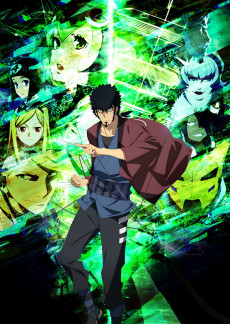
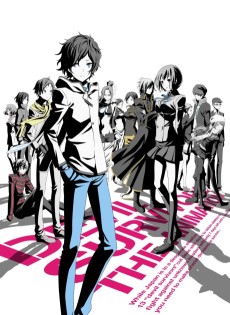
Neon-drenched Kansai streets pulse with the same claustrophobic dread as Invisible War’s Chicago arcologies—both worlds fracture under collapsed governance and corporate sacraments masquerading as salvation. Where JC Denton’s ghost haunts a world choosing between Illuminati control or WTO technocracy, Akudama Drive’s Swindler confronts identical moral rot: loyalty sold to rival factions in a postwar vacuum where “justice” is just branding. This mutual embrace of 🌃 Neon Noir isn’t stylistic—it’s ontological, rendering identity, memory, and rebellion indistinguishable from the flicker of corrupted data streams.

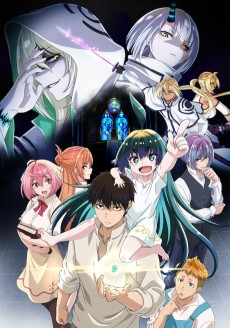
Fire Force Season 3’s climactic siege on the Evangelist’s cathedral—where Shinra confronts divine authority amid collapsing gothic spires—echoes Invisible War’s shattered Chicago skyline, where JC Denton’s legacy fractures into warring factions beneath flickering neon and surveillance drones. Both plunge into 🌆 Cyberpunk & Dystopia not as backdrop but as ideological battleground: faith versus code, revelation versus control. That they weaponize sacred architecture and surveillance infrastructure alike makes their resonance unsettlingly precise—not parallel, but dialectical.

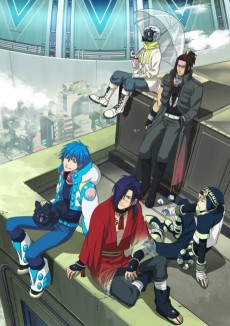
Shion’s trembling hands as he deciphers encrypted files in No.6’s sterile, surveillance-saturated Sector 6 mirror Alex D’s first uneasy interface with the bio-modded undercity of Chicago—both protagonists navigating systems that weaponize trust. Unlike most cyberpunk pairings, this resonance lives in the quiet dread of political thriller: the slow unraveling of “utopian” control via biometric IDs and neural surveillance, not explosions. That shared 🏛️ Political Thriller tension—where every data leak risks erasure—makes their parallel awakenings startlingly intimate, not just ideological.
![[C] - CONTROL - The Money and Soul of Possibility](https://s4.anilist.co/file/anilistcdn/media/anime/cover/medium/bx10163-DGTY24yRLZrt.jpg)
A flickering neon sign over Neo-Singapore’s debt-ridden streets mirrors the Sovereign Wealth Fund’s sterile trading floor—both spaces pulse with the same hollow promise of salvation through financialized control. Where Alex D. navigates biotech conspiracies in a fractured post-depression world, *C*’s Kimimaro dives into algorithmic markets where human souls are collateralized as data. This cyberpunk & dystopia resonance isn’t superficial: both dissect how capital, not just code or corps, becomes the true invasive technology rewriting identity and agency.

Kowloon Walled City’s rain-slicked alleyways—where neon bleeds into crumbling concrete—echo the choked, low-ceilinged corridors of Chicago’s underground in *Invisible War*, binding both works through 🌆 Cyberpunk & Dystopia. Unlike most romance narratives, *Kowloon Generic Romance*’s quiet tension between a street medic and a memory-archivist mirrors JC Denton’s fractured idealism: both hinge on bodies modified, memories weaponized, and love persisting amid systemic decay. That resonance feels startling—not because they share plot, but because their despair is tender, intimate, and stubbornly human.

Both dive into neon-soaked futures where technology blurs the line between human and machine.
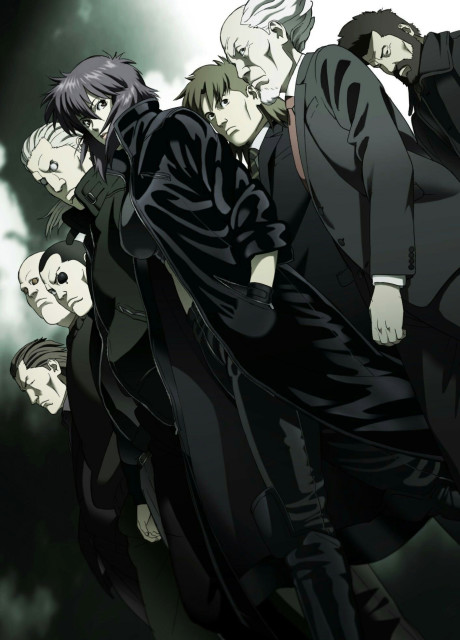
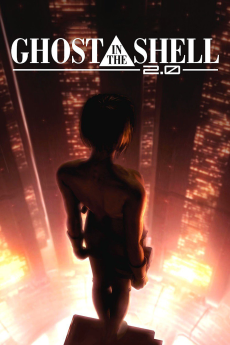
The chilling “Riots in Dejima” arc of *Stand Alone Complex 2nd GIG*—where Section 9 confronts state-sanctioned terrorism masked as liberation—echoes JC Denton’s fragmented, morally compromised missions in *Invisible War*’s Chicago ruins. Unlike most cyberpunk pairings, their resonance lives in the **Political Thriller** dimension: both dissect how power weaponizes ideology, not just technology, with Alex D. and Motoko Kusanagi navigating betrayals where every faction claims moral high ground. What’s startling is how both commit to bleak ambiguity—no clean victories, only shifting allegiances amid crumbling infrastructure and corrupted networks.
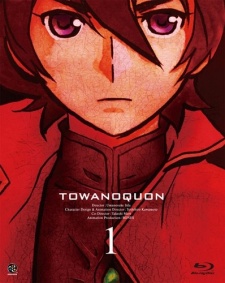

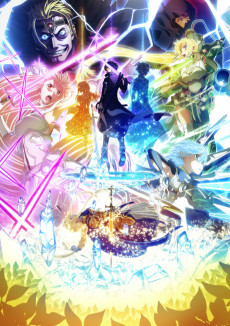








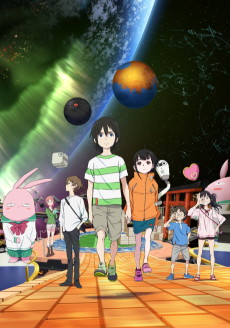

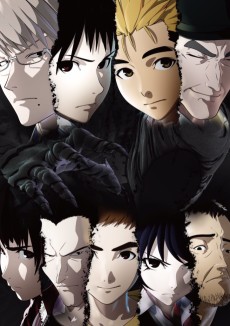



















































































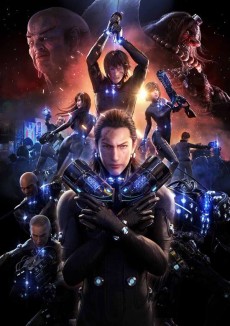








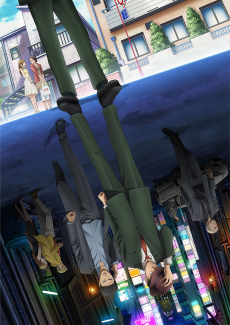
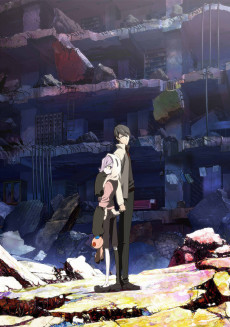
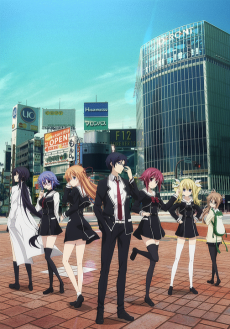




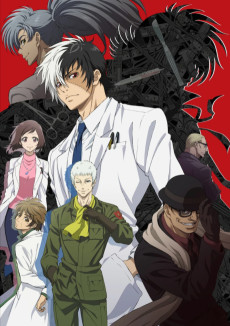
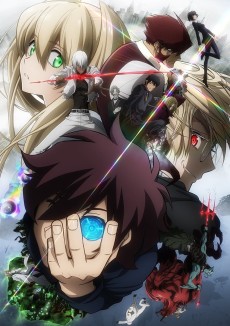







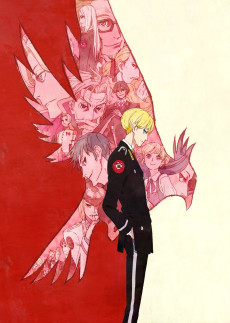


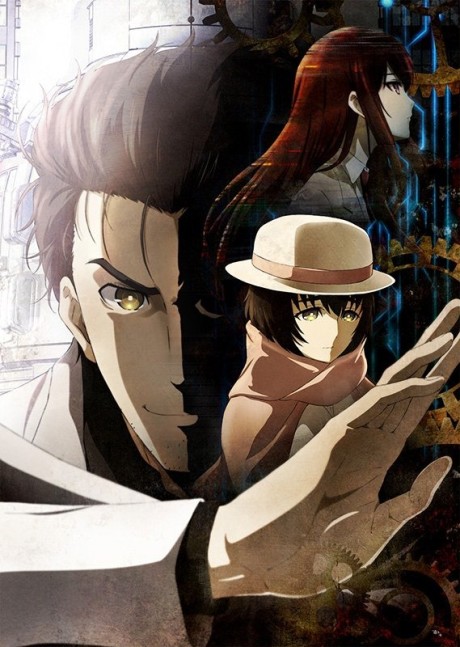










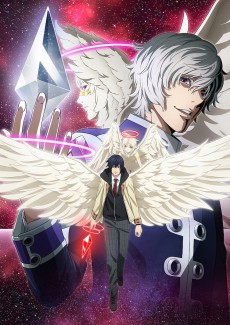
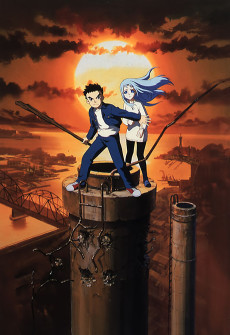



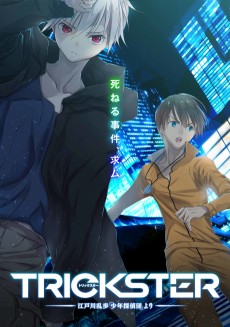

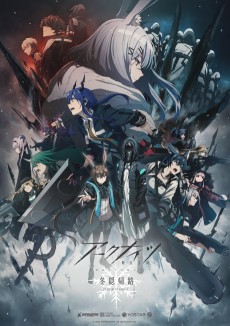
Match Dimensions Explained
❓Frequently Asked Questions
Why is Ghost in the Shell: Stand Alone Complex 2nd GIG recommended for Deus Ex: Invisible War fans?
Because both dive deep into post-collapse societies where surveillance, corporate overreach, and fragmented resistance movements define daily life—just like Invisible War’s techno-nightmare 20 years after societal collapse. Major Kusanagi’s investigations into Section 9’s political entanglements mirror JC Denton’s messy alliances with the WTO, Omar, and the Order, especially in episodes like 'The Laughing Man' arc where truth gets weaponized by competing factions.
Is there an anime adaptation of Deus Ex: Invisible War?
No—there’s never been an official anime adaptation of Invisible War (or any Deus Ex game, for that matter). But if you’re craving that same vibe—dystopian decay, morally gray conspiracies, and bite-sized, high-stakes missions—Fire Force Season 3 nails it with its claustrophobic Neo Tokyo fire stations, factional betrayals (like the White Clad’s ideological warfare), and that same ‘waiting screen’-level tension between explosive set pieces.
How does No.6 compare to Moriarty the Patriot Part 2 for Invisible War vibes?
No.6 leans harder into Invisible War’s intimate, oppressive dystopia—think Shion’s quiet rebellion inside the sterile, surveilled city of No.6, mirroring Alex D’s early infiltration of the WTO’s gleaming but hollow headquarters. Moriarty, meanwhile, swaps cybernetics for neon-noir aesthetics and Victorian-era class warfare, but shares Invisible War’s obsession with systemic rot: both use layered conspiracies (e.g., No.6’s Security Bureau vs. Moriarty’s ‘League of Gentlemen’) to ask who really controls the ruins.
What’s the best anime like Invisible War if I want that ‘bite-sized, tense, politically messy’ feeling?
Go straight to The Perfect Insider—it’s got that exact ‘20-hour, tightly wound’ pacing Invisible War fans recognize, with academic intrigue standing in for tactical brevity (no loading screens, but plenty of deliberate, scene-by-scene unraveling). Like Invisible War’s shorter levels and sharp ideological clashes, it drops you mid-crisis into a closed-world mystery where every character—from Professor Saiki to the enigmatic Mamiya—holds a piece of a fractured truth, just like Denton’s shifting loyalties across the Order, Omar, and the WTO.