
The Rising of the Shield Hero
Naofumi Iwatani, an uncharismatic Otaku who spends his days on games and manga, suddenly finds himself summoned to a parallel universe! He discovers he is one of four heroes equipped with legendary weapons and tasked with saving the world from its prophesied destruction. As the Shield Hero, the weakest of the heroes, all is not as it seems. Naofumi is soon alone, penniless, and betrayed. With no one to turn to, and nowhere to run, he is left with only his shield. Now, Naofumi must rise to become the legendary Shield Hero and save the world!
Note:
The first episode aired with a runtime of ~47 minutes as opposed to the standard 24 minute long episode.
📺Anime Details
📝Editorial Analysis
The first time Naofumi raises his shield—not to block, but to hold—it’s not in battle. It’s in a rain-slicked alley behind a brothel in Melromarc, his knuckles split, his breath ragged, his cloak soaked through. He’s just been framed for assault. The crowd screams. Guards drag away the woman he tried to save. His shield—cold, unadorned, useless in every way the world recognizes—is the only thing between him and total erasure. That moment isn’t about power. It’s about weight: the weight of proof no one will believe, the weight of dignity stripped bare, the weight of choosing to stand when every system demands you kneel.
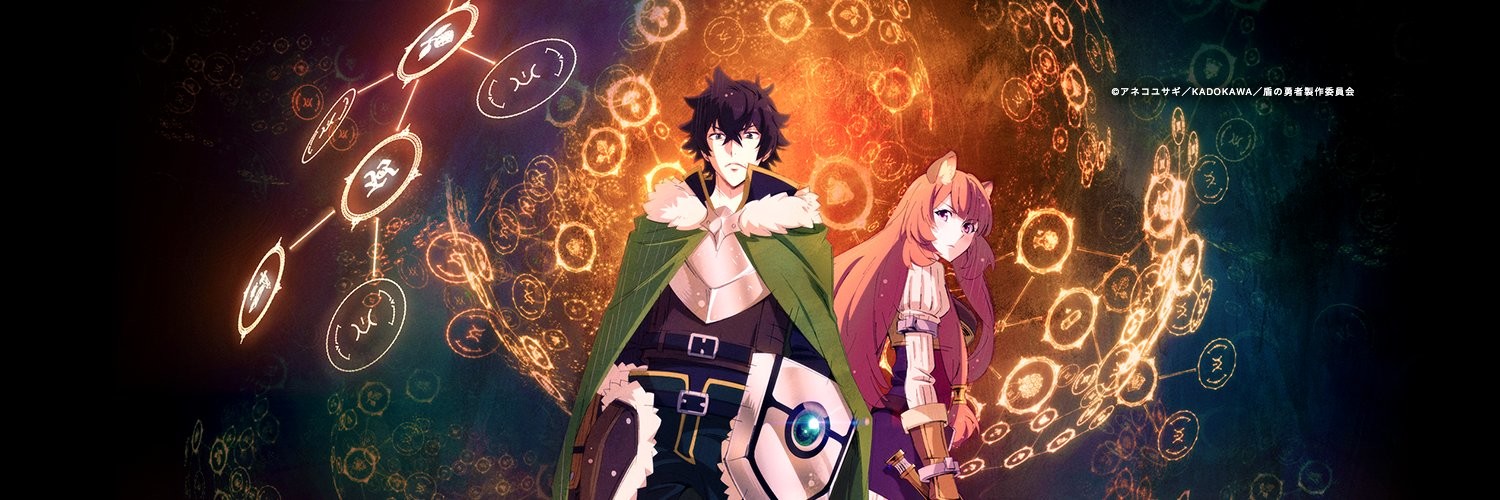
That’s the atmosphere—not despair as spectacle, but dignity under siege. The Rising of the Shield Hero doesn’t traffic in heroic certainty or cathartic justice. It makes you feel the grit of cobblestones under bleeding knees, the hollow echo of a name turned into a slur, the slow, suffocating realization that morality isn’t a compass—it’s a language only some are allowed to speak fluently. You don’t just watch Naofumi’s betrayal; you taste the metallic tang of it—the sourness of wine offered by a smiling noble right before the trap snaps shut. It’s tragedy as texture, conspiracy as weather, revenge not as fire but as frost creeping over cracked earth.
That emotional DNA pulses strongest in games where systems lie, institutions corrode, and agency is carved from rubble—not granted. Disco Elysium - The Final Cut lands with the same gut-level resonance: a detective whose own mind is a hostile territory, wandering a city where “Capital has the ability to subsume all critiques into itself.” The player review nails it—this isn’t noir as style, but as structure: the melancholic exploration of how truth bends under institutional gravity, just like Naofumi’s testimony bending under royal decree. Both refuse easy binaries; every choice in Disco Elysium echoes Naofumi’s early dilemma—not whether to trust, but how much damage trust will cost.
Then there’s Beyond Good and Evil™, where Jade films evidence of government lies while her pig companion Pey’j hauls stolen data drives through neon-drenched sewers. The description says she must “expose a terrible government conspiracy”—not defeat a monster, not slay a god, but document rot. That’s Naofumi’s arc in microcosm: gathering receipts in a world that burns receipts. The player review’s offhand “Crazyyy game!” feels like the stunned exhale after watching Naofumi quietly rebuild his reputation—not with speeches, but with grain shipments, medical aid, and shields held steady in riots no one else will quell.
Even Dark Messiah of Might & Magic, buried beneath dated textures and patch notes, shares that raw, physical emotional narrative. Its combat isn’t flashy—it’s brutal, clanging, exhausting. You feel every misstep, every parry that scrapes bone. The description calls it “ferocious combat in a dark and immersive world,” and that ferocity mirrors Naofumi’s first real fight—not against a demon, but against three armed guards in a backroom, shield raised, body screaming, choosing survival over surrender. The player review’s praise for its melee combat “still holding up” speaks to something deeper: the endurance of visceral, unglamorous struggle.
Who lives for this? Not the viewer who wants triumph served warm and pre-sliced. It’s the one who rewinds the scene where Naofumi buys Raphtalia’s collar—not for the price, but for the silence after, when he stares at his own hands like they belong to someone else. It’s the player who spends twenty minutes cross-examining a bartender in Disco Elysium because the weight of a single unchallenged lie matters more than the next quest marker. It’s the person who plays Beyond Good and Evil™ not for the hoverbike chases, but for the quiet dread of hiding film canisters in a hollow tree—knowing exposure means erasure, not death. They don’t seek heroes. They seek witnesses. And they’ll follow that witness—through rain, through neon, through the slow, grinding turn of a shield held not as weapon, but as witness.
🎮39 Games That Match the Vibe









Match Dimensions Explained
❓Frequently Asked Questions
Why is Disco Elysium listed as similar to The Rising of the Shield Hero when it’s not a fantasy action game?
Great question—it’s about shared emotional DNA, not genre. Like Naofumi’s isolation and moral exhaustion after betrayal, Disco Elysium’s Detective Harrier has amnesia, self-loathing, and must rebuild his identity amid systemic corruption in the decaying city of Revachol. Both use dialogue and internal monologue (your Skills talking back!) to mirror that slow, painful climb from brokenness—plus that same Political Thriller + Melancholic Exploration vibe reviewers called out.
Is there a Shield Hero anime-style RPG with branching choices and dark political intrigue?
Yep—Beyond Good and Evil™ nails that exact blend. You play Jade, an investigative reporter uncovering a fascist regime’s lies on her home planet, just like Naofumi peeling back layers of royal deception. The 20th Anniversary Edition fixes bugs and heightens the Neon Noir aesthetic—think rain-slicked alleys, propaganda screens, and your pig pal Pey’j backing you up during tense stealth takedowns or truth-seeking interviews.
How does Dark Messiah of Might & Magic compare to The Rising of the Shield Hero in terms of revenge-driven combat and world tone?
Both lean hard into Dark Fantasy grit and cathartic, skill-based vengeance—but Dark Messiah swaps Naofumi’s shield-bashing for brutal melee combos using the Source Engine. You play a disgraced hero in a grimy, morally ambiguous world where even your allies lie, and every fight feels visceral (like that infamous tavern brawl). Reviewers say it ‘still holds up’ for raw, emotional combat—just swap Naofumi’s trauma for the Messiah’s cursed legacy.
What’s the best game like Shield Hero if I want that brooding, neon-drenched conspiracy thriller mood—not fantasy battles?
Go straight to Assassin’s Creed™: Director’s Cut Edition. It’s got the same Political Thriller + Neon Noir spine: you’re an outsider navigating layered betrayals, coded messages, and oppressive power structures—think Naofumi’s courtroom scene, but set in a stylized, rain-lit Masyaf where every rooftop leap and whispered conversation feeds the paranoia. Yeah, textures are dated, but players say it *doesn’t matter*—the tension and atmosphere hit just right.